Upland Bird Guides and Their Dogs
The world of upland bird hunting in Alberta can feel a bit overwhelming if you're not intimately familiar with the local bird populations, their preferred habitats, and especially, if you don't have a seasoned bird dog by your side. Many aspiring bird hunters struggle with finding reliable ground or simply lack the experience to effectively locate and flush birds. This guide is here to demystify the process, focusing on how upland bird guides and their incredible canine companions can transform your hunting experience from frustrating guesswork into a memorable, productive outing.
Why Consider an Upland Bird Guide in Alberta?
Let's be honest, hunting upland birds isn't always as simple as walking into a field and expecting birds to jump up at your feet. Alberta's diverse landscapes, from prairie stubble to dense boreal forest, hold different species, each requiring a nuanced approach. For many, the biggest hurdle is simply knowing where to go and how to hunt these elusive birds effectively. This is where an experienced guide, often accompanied by their highly trained dogs, truly shines.
Navigating Unfamiliar Terrain and Species
Alberta is vast, and its bird habitats vary wildly. If you're new to the province, or even new to upland hunting in general, figuring out where to find sharp-tailed grouse versus ruffed grouse, or where the best Hungarian partridge coveys might be holding, can be a monumental task. Guides have spent years, sometimes decades, scouting and hunting specific regions. They understand the patterns of the birds, how weather affects their behaviour, and where they're likely to feed, rest, and roost. This local knowledge is invaluable.
Imagine driving hours to a promising-looking piece of public land, only to spend a day walking without seeing a single feather. It's deflating, to say the least. A guide eliminates that guesswork. They know the productive coverts, the specific shelterbelts, the edges of pea fields, or the dense willow thickets where birds are consistently found. This saves you precious hunting time and ensures you're focused on the actual hunt, not just blindly searching. They also know the nuances of Upland Bird Hunting in Alberta and can quickly adapt if conditions change.
The Unbeatable Advantage of a Trained Bird Dog
This, for many, is the absolute game-changer. Unless you've invested countless hours (and dollars) into training your own high-calibre bird dog, you simply cannot replicate the efficiency and joy a professional's dog brings to the field. Bird dogs are purpose-bred and trained to do one thing: find birds.
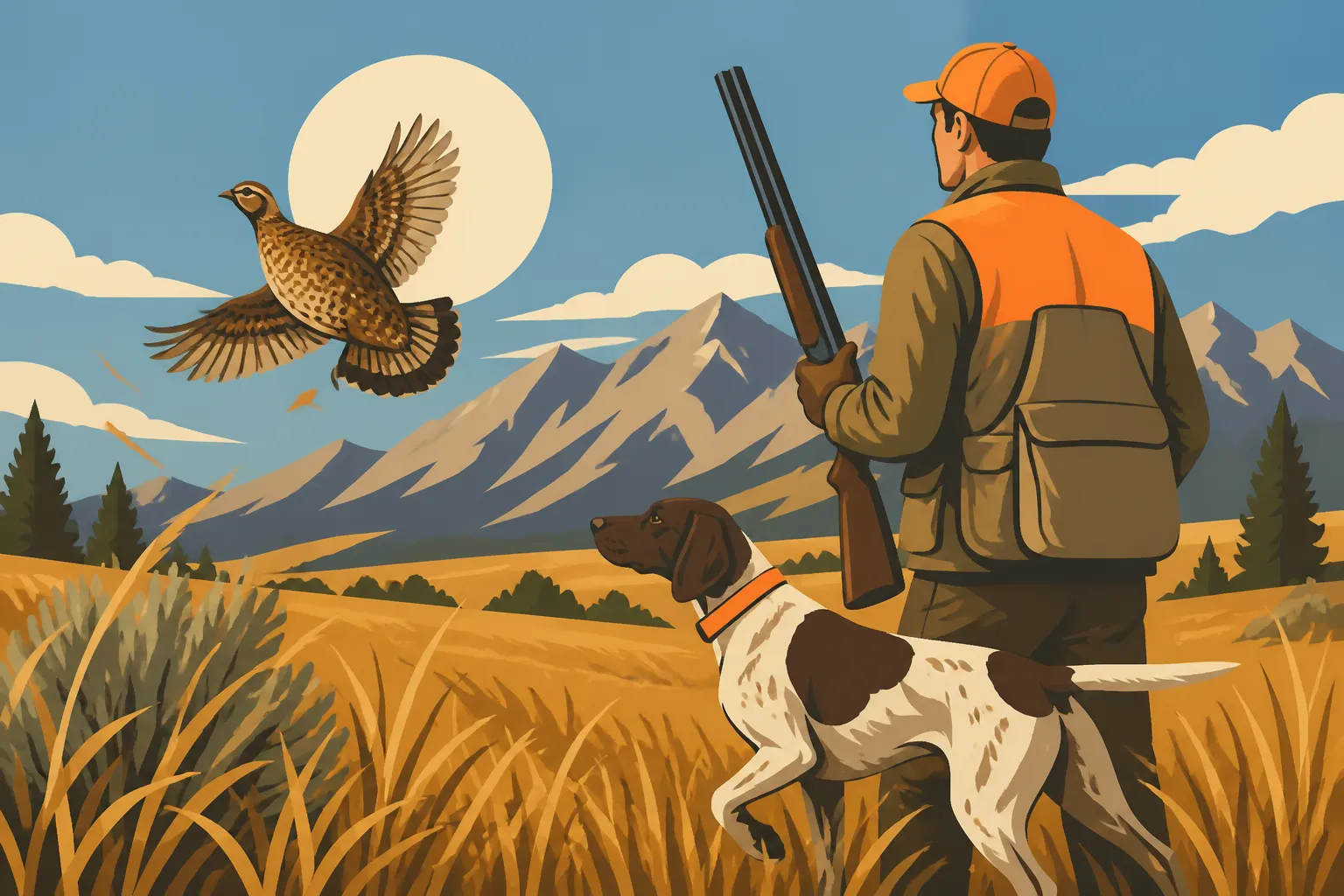
There's nothing quite like watching a well-trained pointer lock up solid on a pheasant, holding steadfast until you're in position, or seeing a flushing dog burst into a thicket to send a covey of Huns skyward. These dogs aren't just pets; they're finely tuned hunting machines. They use their incredible sense of smell to locate birds that you would walk right past, and their instincts drive them to work cover effectively. Furthermore, they are crucial for retrieving downed birds, minimizing lost game and ensuring a clean, ethical harvest. Without a dog, many wounded birds would simply vanish into the thick cover, a frustrating and wasteful experience no hunter wants. Using a Pointing Dog on Alberta Prairie can dramatically increase your success rate.
Accessing Prime Private Land
One of the biggest frustrations for hunters in Alberta, especially in the productive White Area (settled agricultural land), is gaining access to private property. Much of the best upland bird hunting happens on private farms and ranches. Guides often have established relationships with landowners, built over years of trust and mutual respect. This access can open up vast tracts of prime habitat that would otherwise be completely off-limits to the average hunter.
These relationships mean the guide has likely secured permission long before your hunt, allowing you to focus on the birds without the added stress of knocking on doors or navigating complex land access regulations. This is particularly true for pheasants, which are often found on specific private lands, or Hungarian partridge, which thrive in farm country. Some guides even manage access to Alberta's Pheasant Release Sites which offer excellent hunting opportunities.
What to Expect From an Upland Bird Guide and Their Dogs
When you book a guided upland bird hunt in Alberta, you're not just paying for someone to walk with you; you're investing in an entire experience. This includes expert knowledge, seasoned dogs, and often, all the logistical support you need for a successful day afield.
Types of Bird Dogs You'll Encounter
Guides typically employ specific breeds known for their upland prowess. The choice of dog often depends on the type of terrain and bird species being pursued.
- Pointers (e.g., German Shorthaired Pointers, English Pointers, Brittanys, Setters): These dogs are renowned for their ability to locate birds by scent and then "point" them, freezing rigidly with their nose directed at the bird. This allows the hunter to walk up and get into a prime shooting position before the bird flushes. Pointers are exceptional in open country, lighter cover, and for species like sharp-tailed grouse or Hungarian partridge where a precise location is key. Watching a pointer work is a thing of beauty, a true dance between dog, bird, and hunter.
- Flushers (e.g., Springer Spaniels, Cocker Spaniels, Labradors): These dogs are trained to range within gun range, find birds, and then flush them directly into the air. They don't point; their job is to get the bird flying so you can shoot. Flushers are excellent in dense cover, thickets, and areas where birds might run or hold tight, such as for ruffed grouse in heavy bush or pheasants in tall grass. Once the bird is shot, their primary role shifts to retrieving it quickly and efficiently. Using a Flushing Dog in Thick Cover is an art form, and these dogs master it.
- Retrievers (e.g., Labradors, Golden Retrievers): While many pointers and flushers are also excellent retrievers, some guides might have a dedicated retriever on hand, especially for larger birds like pheasants or when hunting near water. Their incredible drive to fetch ensures that every downed bird is accounted for, even in challenging terrain.
A good guide will match the dog to the conditions and the specific birds you're targeting, maximizing your chances of success.
Hunting Methods and Target Species
Depending on the region and the time of year, your guide will employ different strategies.
- Walking Up Birds (Foot Hunting): This is the most common method. You and the guide, along with the dogs, will walk through fields, brush lines, coulees, and shelterbelts. The dogs will work ahead, quartering the ground, sniffing out scent, and either pointing or flushing birds. This is a very active hunt, often covering several miles in a day. You might be Walking Up Sharp-Tailed Grouse in Alberta on grasslands or Hunting Hungarian Partridge on Alberta Farms.
- Road Hunting (Less Common, More Scouting): While illegal to shoot from a vehicle, guides might use vehicles to cover ground and spot likely habitat or bird activity, then park and begin foot hunting. This is more about efficient scouting than actual hunting from the truck.
- Specific Habitat Focus: Guides will take you to areas known for specific species. This could mean vast stretches of native prairie for sharptails, dense aspen bluffs and creek bottoms for ruffed grouse, or extensive stubble fields and cattail sloughs for pheasants and Huns. For instance, knowing where to go Hunting Ruffed Grouse on an Alberta Bush Road requires specific local insight.
Common upland species you might target in Alberta include:
- Pheasant: Often found in agricultural areas with good cover like cattails, dense brush, and unharvested fields.
- Hungarian Partridge (Huns): Small, fast-flying birds typically found in coveys in open farm country, stubble fields, and along shelterbelts.
- Sharp-tailed Grouse: Inhabit grasslands, native prairie, and parkland edges. Known for their explosive flush.
- Ruffed Grouse: Forest dwellers, found in aspen bluffs, poplars, and mixed woods, often along trails or old logging roads.
- Spruce Grouse: Found in dense coniferous forests, particularly black spruce stands.
- Ptarmigan: Arctic and alpine specialists, found above the treeline in the mountains.
Your guide will typically discuss your preferences and target species before the hunt to set expectations and plan the best strategy.
What's Included in an Upland Bird Guided Hunt
Most guided upland bird hunts in Alberta are day hunts, though some outfitters might offer multi-day packages with lodging. Generally, you can expect:
- Experienced Guide: Your guide will lead the hunt, manage the dogs, and ensure your safety. They'll also offer advice on shooting, bird identification, and field etiquette.
- Trained Bird Dogs: This is a given! The dogs are integral to the hunt's success and enjoyment.
- Access to Prime Land: Whether private or carefully scouted public land, the guide ensures you're hunting in productive areas.
- Transportation (during the hunt): Often, the guide will transport you in their vehicle to different hunting spots on the property or within the general hunting area.
- Field Dressing: Most guides will assist with field dressing your birds.
- Snacks and Beverages: Some full-day hunts might include a packed lunch, snacks, and water. Always clarify this beforehand.
What's typically not included: Your hunting licence and stamps, shotgun shells, personal gear (clothing, boots, gun), transportation to the meeting point, overnight accommodation, and gratuities for the guide.
Choosing the Right Upland Bird Guide in Alberta
Picking the right guide is paramount to having a fantastic experience. There are many great outfitters in Alberta, but finding one that aligns with your hunting style and expectations requires a little homework.
Questions to Ask Potential Guides
Before you commit, have a thorough conversation with any prospective guide. Don't be shy about asking detailed questions.
- What species do you primarily hunt? Make sure they specialize in the birds you're most interested in.
- What kind of dogs do you run, and what is their experience level? Ask about their dogs' training and how they perform in different conditions.
- What kind of terrain will we be hunting? This helps you prepare physically and mentally.
- What is your typical group size? A more intimate 1-on-1 or 2-on-1 hunt might be preferable to a larger group.
- What is included in the price, and what additional costs should I expect? Get a clear breakdown of fees, including any applicable taxes.
- What are your success rates? While not a guarantee, it gives an idea of general productivity. Remember that "success" in upland hunting isn't always about limits; it's about dog work and opportunities.
- Can you provide references from previous clients? A reputable guide will be happy to share contacts.
- What is your cancellation policy? Understand the terms, especially regarding weather or unforeseen circumstances.
- Do you have all necessary licences and insurance? This is crucial for your safety and peace of mind.
Vetting and Researching Outfitters
Don't just take the first guide you find. Do your due diligence.
- Online Research: Look at their website, social media, and online reviews. Be wary of guides with no online presence or consistently negative feedback.
- Booking Platforms: Websites like BookYourHunt and GoHunt are excellent resources. They often list multiple outfitters, provide detailed descriptions of their services, client testimonials, and sometimes even have a rating system. These platforms can help you compare options efficiently.
- Hunter Forums and Communities: Join online hunting forums specific to Alberta or upland hunting. Ask for recommendations or feedback on guides you're considering. Word-of-mouth from fellow hunters can be incredibly insightful.
- Associations: See if the guide is a member of any provincial or national outfitter associations. While not mandatory, it can indicate a commitment to professional standards.
Understanding Costs and What They Cover
The cost of an upland bird guide in Alberta can vary widely based on the duration of the hunt (half-day vs. full-day, single-day vs. multi-day), the target species (some species are more difficult or require more specialized access), and the inclusions.
| Service | Typical Inclusions | Typical Exclusions |
|---|---|---|
| Guide & Dogs | Expert guide, trained bird dogs, field transportation | Hunting licence, shells, personal gear, gratuities |
| Access Fees | Pre-arranged private land access | Public land permits (if applicable for non-residents) |
| Field Lunch/Snacks | Often included in full-day hunts | Alcoholic beverages, special dietary requests |
| Bird Cleaning | Basic field dressing | Full processing, vacuum sealing |
| Insurance | Outfitter's liability insurance | Your personal travel/accident insurance |
Always ask for a detailed quote that clearly outlines all costs. Some guides might offer specific packages for Upland Bird Season Dates and Limits that cater to different budgets and preferences.
Preparing for Your Guided Upland Bird Hunt
A guided hunt takes much of the planning burden off you, but your personal preparation is still key to an enjoyable and successful experience.
Essential Gear and Clothing
The right gear makes all the difference when you're covering ground in Alberta's varied weather conditions.
- Shotgun: A 12- or 20-gauge shotgun is typical. Make sure it's clean, patterned, and you're comfortable shooting it.
- Ammunition: Bring plenty! Upland bird hunting can be fast-paced, and you'll often shoot more than you expect. Check with your guide about preferred shot size and load, and whether Non-Toxic Shot for Alberta Waterfowl rules apply if hunting near wetlands (though less common for upland, it's good to be aware).
- Blaze Orange: This is often mandatory or highly recommended for safety. Ensure you have a vest and/or hat that meets provincial requirements. Alberta Blaze Orange Requirements are important to know.
- Comfortable, Durable Boots: You'll be walking, potentially through wet grass, stubble, or uneven terrain. Waterproof, ankle-supporting boots are essential.
- Layered Clothing: Alberta weather can change rapidly. Layers allow you to adapt to temperature swings, from chilly mornings to warm afternoons.
- Eye and Ear Protection: Non-negotiable for safety.
- Game Vest or Bird Bag: To carry your birds comfortably after harvest.
- Water Bottle: Stay hydrated throughout the day.
- Snacks: Even if lunch is provided, extra snacks are always a good idea.
- Hat and Gloves: For sun protection and warmth.
- Bug Spray: Depending on the season and area, mosquitoes and ticks can be present.
Physical Fitness and Shooting Practice
Upland bird hunting is often a physically demanding activity. Don't underestimate the amount of walking you'll do, sometimes through challenging cover.
- Physical Conditioning: Start a walking regimen weeks or months before your hunt. Focus on endurance and walking over uneven ground. You don't need to be a marathon runner, but being able to comfortably walk 5-10 miles in a day will significantly enhance your enjoyment.
- Shooting Practice: Birds flush fast and often unpredictably. Spend time at the trap or skeet range to hone your wingshooting skills. Practice mounting your gun quickly and swinging through moving targets. The more confident you are with your shotgun, the more opportunities you'll capitalize on. A good guide can only put you in front of birds; it's up to you to seal the deal!
Hunter's Etiquette and Respect for the Guide and Dogs
Remember, you are a guest on this hunt. Showing respect for your guide, their dogs, the land, and the game is paramount.
- Listen to Your Guide: They are the expert. Follow their instructions, especially regarding safety, dog handling, and where to walk.
- Respect the Dogs: These dogs are highly trained professionals and part of the guide's livelihood. Don't interfere with their work, call them unnecessarily, or try to command them unless instructed by the guide. Let them do their job.
- Safety First: Always keep your muzzle pointed in a safe direction, know where your hunting partners are, and only take clear, safe shots.
- Leave No Trace: Pack out everything you pack in. Be mindful of property lines and any agricultural crops.
- Gratuities: Tipping is customary in the guiding industry for good service. If you had a great experience, plan to tip your guide and any support staff.
Upland bird guiding in Alberta offers an incredible opportunity to experience the thrill of the chase, the magic of working dogs, and the beauty of the province's diverse landscapes. Whether you're a seasoned hunter looking for new ground or a beginner eager to learn, a good guide can make all the difference.
Disclaimer
This article is for general informational purposes only and does not constitute professional advice. Laws, prices and regulations vary by location and change over time. Consult a qualified professional for guidance on your specific situation.