Where Alberta Whitetails Bed in Deep Snow
Figuring out where Alberta whitetails disappear to when the snow piles up can feel like solving a wild puzzle, leaving you scratching your head after a long day of breaking trail with no deer sightings. It's frustrating when you know they're around, but the landscape changes so drastically, and their usual haunts seem empty. This guide will dive deep into the specific bedding habits of Alberta whitetails during periods of heavy snow, helping you uncover their winter hideouts and improve your late-season hunting success.
Understanding Whitetail Behavior in Deep Snow
When Alberta gets hit with a significant snowfall, it's not just a pretty blanket; it's a game-changer for whitetail deer. Their entire existence shifts, driven by a primal need to conserve energy, find food, and stay safe from predators. This isn't just about finding shelter from the flakes, but finding optimal locations that mitigate all the stresses of deep winter.
Energy Conservation is Key
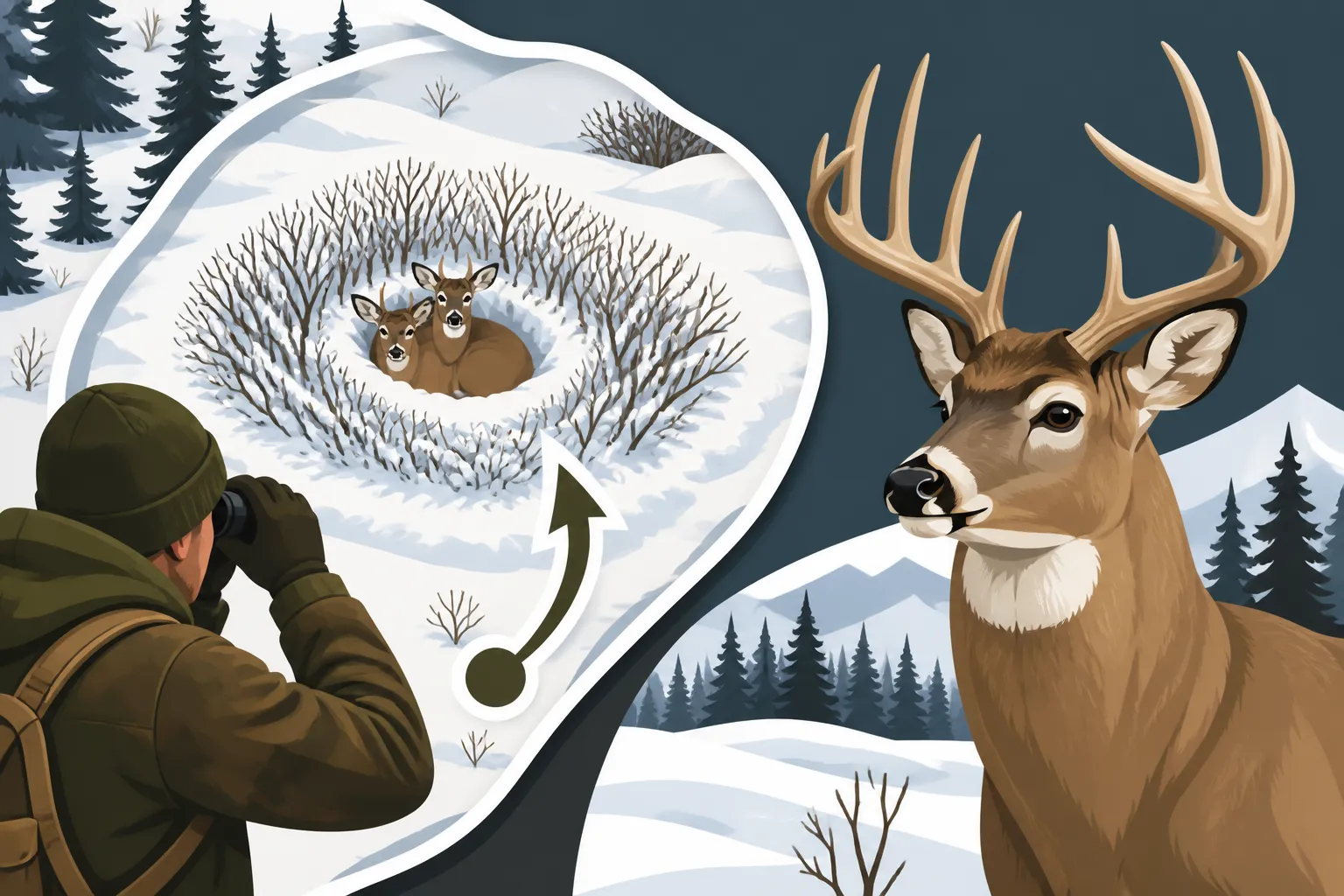
Every step a whitetail takes in deep snow burns precious calories, and in winter, calories are gold. A deer's survival hinges on its ability to minimize energy expenditure while still accessing enough forage. This means they become incredibly selective about where they bed and how far they travel. You'll notice deer movements become much more localized, often limited to specific areas where food and cover are close together. Think about how much harder it is for you to walk through knee-deep snow; it's exponentially more taxing for a deer with shorter legs. This drives them to seek out areas that offer the least resistance for movement, often creating well-used deer trails or "tunnels" through the deepest drifts. These trails are like their highways, connecting bedding to feeding areas with the most efficient path possible, often following the path of least resistance or utilizing terrain features that shed snow.
The Impact of Snow Depth and Type
The depth and consistency of the snow play a massive role in where whitetails choose to bed. A light, fluffy snow might not alter their patterns much, but once it gets to 12-18 inches or more, and especially if it crusts over or becomes heavy and wet, their options drastically narrow. Hard-crusted snow can make movement painful, cutting their legs and making noise, while deep, soft powder is just plain exhausting. In such conditions, deer will seek out areas where the snow is shallower, packed down, or offers some form of overhead protection. Conifer stands, dense brush, and south-facing slopes are prime examples. They're trying to find microclimates where the snow isn't as deep, or where they can easily paw down to the ground. This also ties into How Deep Snow Moves Deer Around their entire population, pushing them into denser, more sheltered winter ranges.
Identifying Preferred Bedding Locations
So, where do they go when the white stuff gets serious? It's not random. Whitetails become masters of efficiency, finding spots that offer multiple layers of protection and comfort. Knowing these common denominators is your first step to patterning them.
Dense Conifer Stands and Mixed Woods
One of the most classic deep-snow bedding areas for whitetails in Alberta is dense conifer stands, particularly spruce and pine. These evergreen trees act like giant umbrellas, catching much of the falling snow and creating shallower conditions on the forest floor beneath their canopy. The dense boughs also provide crucial thermal cover, shielding deer from bitter winds and radiant heat loss, which is essential for Hunting Whitetails at Thirty Below. Within these stands, deer will often seek out the thickest pockets, especially those with an understory of smaller conifers or thick brush. Here, they can bed down, largely out of sight from aerial predators and protected from the biting cold. Sometimes you'll find them on the edge of these stands, especially if it offers a clear view of an escape route or a nearby food source. This type of habitat offers not only protection from the elements but also visual security, making them feel safe from predators like wolves and coyotes. Look for these areas when you're Reading Whitetail Sign in Alberta Aspen Bluffs, as they often transition into mixed woods.
South-Facing Slopes and Ridge Lines
Another prime location for deep-snow bedding is a south-facing slope or the leeward side of a ridge. These spots benefit from the sun's warmth, which melts snow faster and keeps conditions relatively drier. The slope itself can also cause snow to slide or be thinner, making it easier for deer to move and paw for browse. Beyond the sun, these locations often offer protection from prevailing winds. In Alberta, winter winds can be brutal, and even a slight elevation change or a thick stand of timber on a north-facing slope can create a significant thermal advantage on the south side. Deer will often bed just below the crest of a ridge, allowing them to look downhill for approaching threats while remaining out of sight from above. These bedding areas are often chosen for both warmth and a strategic view, allowing deer to detect danger early. When planning your hunt, services like GoHunt can be invaluable for pinpointing these terrain features using their detailed mapping tools.
River and Creek Bottoms with Heavy Cover
Don't overlook the cover found in river and creek bottoms, especially those with dense willow thickets, dogwood, or tall riparian vegetation. These areas, particularly in agricultural regions, can provide surprising thermal cover and windbreaks. The lower elevation can sometimes mean less wind, and the dense tangles of brush offer excellent visual concealment. While deep drifts can occur in these areas, deer often create tunnel systems through the heaviest brush, making travel easier and providing overhead cover. Furthermore, these bottoms often contain varied food sources, from woody browse to leftover agricultural waste, providing critical nutrition during winter. Deer might use these areas as both bedding and staging zones before moving out to feed in nearby fields under the cover of darkness. This can be especially important for Whitetail Hunting in Alberta where deer are accustomed to using these transition zones.
Field Edges Adjacent to Thick Cover
While deer will seek shelter in deep snow, they also need to eat. Therefore, bedding locations are almost always within close proximity to a reliable food source. In farm country, this means field edges adjacent to dense cover. Imagine a strip of aspen bluffs or a thick shelterbelt bordering a stubble field – deer will often bed just inside that cover, especially if it’s on a south-facing aspect, and then simply walk out into the field to feed in the evenings. The key is the proximity – they want to minimize travel distance in the deep snow. Look for areas where fields have standing crops (like unharvested corn or canola) or heavy stubble, as these offer both food and some visual cover. A group of deer might paw out beds in the snow along a treeline, where they can pop out quickly to feed and then retreat to safety. Utilizing a tool like GoHunt to analyze land features and overlay satellite imagery can help identify these critical transition zones where food and cover meet.
Strategies for Locating Bedded Deer
Finding a whitetail that is intentionally trying to hide in deep snow is a challenge, but by understanding their patterns and employing smart tactics, you can significantly increase your odds. It's about being methodical and patient.
Reading the Sign in the Snow
The snow itself becomes your best tracking tool. Fresh tracks, especially large ones from a mature buck, are a clear indicator that a deer has been through the area recently. But don't just follow tracks blindly; read them. Are they fresh, deep, and direct, indicating purposeful movement, or are they older and scattered? Look for pawed-out areas where deer have been browsing, or "craters" where they've dug through the snow for food. Scat piles can tell you how recent the activity is and even what they've been eating, which can inform you about potential food sources. Most importantly, look for distinct deer trails, sometimes called deer "tunnels" or "runs," that crisscross dense cover. These are highways created by repeated use, and they'll lead you to their preferred bedding areas or travel corridors. During Hunting Deep Cold Late in the Season, these signs are often clearer than during other times of the year due to the snow cover.
| Sign Type | What to Look For | Significance in Deep Snow |
|---|---|---|
| Tracks | Depth, sharpness, directness, size. | Fresh, deep tracks lead to active bedding. Crusted tracks indicate older activity. |
| Bedding Sites | Oval depressions, often pawed down to dirt/duff. | Indicate preferred resting spots, often in sheltered areas or on sunny slopes. |
| Browsing | Nibbled twigs, pawed-out snow under trees/shrubs. | Shows current feeding areas, often near bedding to conserve energy. |
| Scat | Location, freshness, consistency. | Fresh, soft scat means recent presence. Helps confirm deer species and diet. |
| Rub/Scrapes | Antler rubs on trees, disturbed ground/overhanging branch. | Less common in deep snow, but old rubs near bedding can show preferred wintering areas. |
| Trails/Runs | Well-worn paths, tunnels through dense brush/deep snow. | High-traffic corridors connecting bedding, feeding, and water. Crucial for understanding movement. |
Still-Hunting and Glassing Tactics
Still-hunting in deep snow can be incredibly effective because the snow often muffles your footsteps, allowing you to move silently. Take advantage of this. Move slowly, taking one or two steps, then pausing for several minutes to scan thoroughly, listening for any sounds. Pay close attention to the areas identified above: dense conifers, south-facing slopes, and thick creek bottoms. Use binoculars or a spotting scope like those offered by GoHunt to pick apart every shadow, every clump of brush. Deer can blend in remarkably well, especially when bedded, so look for horizontal lines, the curve of a back, or the flick of an ear that seems out of place. This patient, deliberate approach is key to spotting a bedded deer before it spots you. When the conditions are tough, Hunting Alberta Winter Weather Safely involves slow, controlled movements.
Using Terrain to Your Advantage
When hunting in deep snow, the terrain isn't just a place; it's a tool. Use ridges, hills, and dense cover to conceal your approach. Try to stay downwind or crosswind of potential bedding areas. In hilly or broken country, moving along the leeward side of a ridge can keep you out of the wind and offer better visibility without silhouetting yourself. Approach suspected bedding areas from above whenever possible, as deer tend to bed with a good view downhill. If you're targeting a Hunting a Frozen Slough Crossing, use the banks for cover. In undulating terrain, use the dips and rises to your advantage for concealment. Always think about how the deer perceive the landscape and try to move in a way that minimizes their ability to detect you.
Considerations for Hunting Deep Snow Conditions
Deep snow hunting isn't just about finding the deer; it's about being prepared for the conditions and understanding the ethics involved. Your safety and the animal's welfare are paramount.
Dressing for the Cold and Wet
Alberta winters, especially with deep snow, can be brutally cold. Proper layering is non-negotiable. Start with a moisture-wicking base layer, add insulating mid-layers (fleece or down are great), and top it with a waterproof and windproof outer shell. Pay special attention to your extremities: warm, insulated, waterproof boots are critical, as wet feet in sub-zero temperatures can lead to frostbite in a hurry. Invest in good gloves or mittens, and a warm hat that covers your ears. Remember that exertion in deep snow will make you sweat, so having layers you can easily shed and add is important to regulate your body temperature. There's a good article on Hunting Deep Cold Late in the Season that elaborates on this.
Ethical Considerations and Shot Placement
Hunting in deep snow often means deer are stressed and vulnerable. It's crucial to ensure a clean, ethical harvest. If a deer is struggling to move in deep snow, a well-placed shot is even more important to avoid prolonging its suffering. Take your time, ensure a clear shot, and be absolutely confident in your abilities. If you wound a deer, tracking it in deep snow can be challenging, but the blood trail is often more evident. Make every effort to recover the animal. Also, consider the impact of your presence. Repeatedly pushing deer out of their prime wintering grounds can cause them to expend vital energy reserves, potentially affecting their ability to survive the rest of the season. Respect the animals and their struggle to survive winter, especially as Alberta's Winter Kill and Game Numbers can be impacted by harsh conditions.
Retrieval Challenges in Deep Snow
Successfully harvesting a whitetail in deep snow is only half the battle; getting it out can be a monumental task. A mature whitetail buck can weigh 200 pounds or more, and dragging that through knee-deep snow is incredibly difficult, even for a short distance. Consider using a deer sled or a specialized game cart designed for snow. If hunting with a partner, quartering the animal is often the most practical solution. Always plan your retrieval strategy before you even pull the trigger. Knowing your exit route and the challenges it presents is a key part of any successful winter hunt. The article on Getting a Deer Out on a Frozen Trail offers some invaluable tips for this exact scenario. It's a grueling but rewarding part of the experience.
Disclaimer
The information provided in this guide is for general informational purposes only and does not constitute legal advice or replace official hunting regulations. Always consult the current Alberta hunting regulations and relevant provincial and federal laws before planning any hunting activity. Hunting involves inherent risks; always prioritize safety and ethical practices.