Hunting a Grain Bin Yard at Dusk
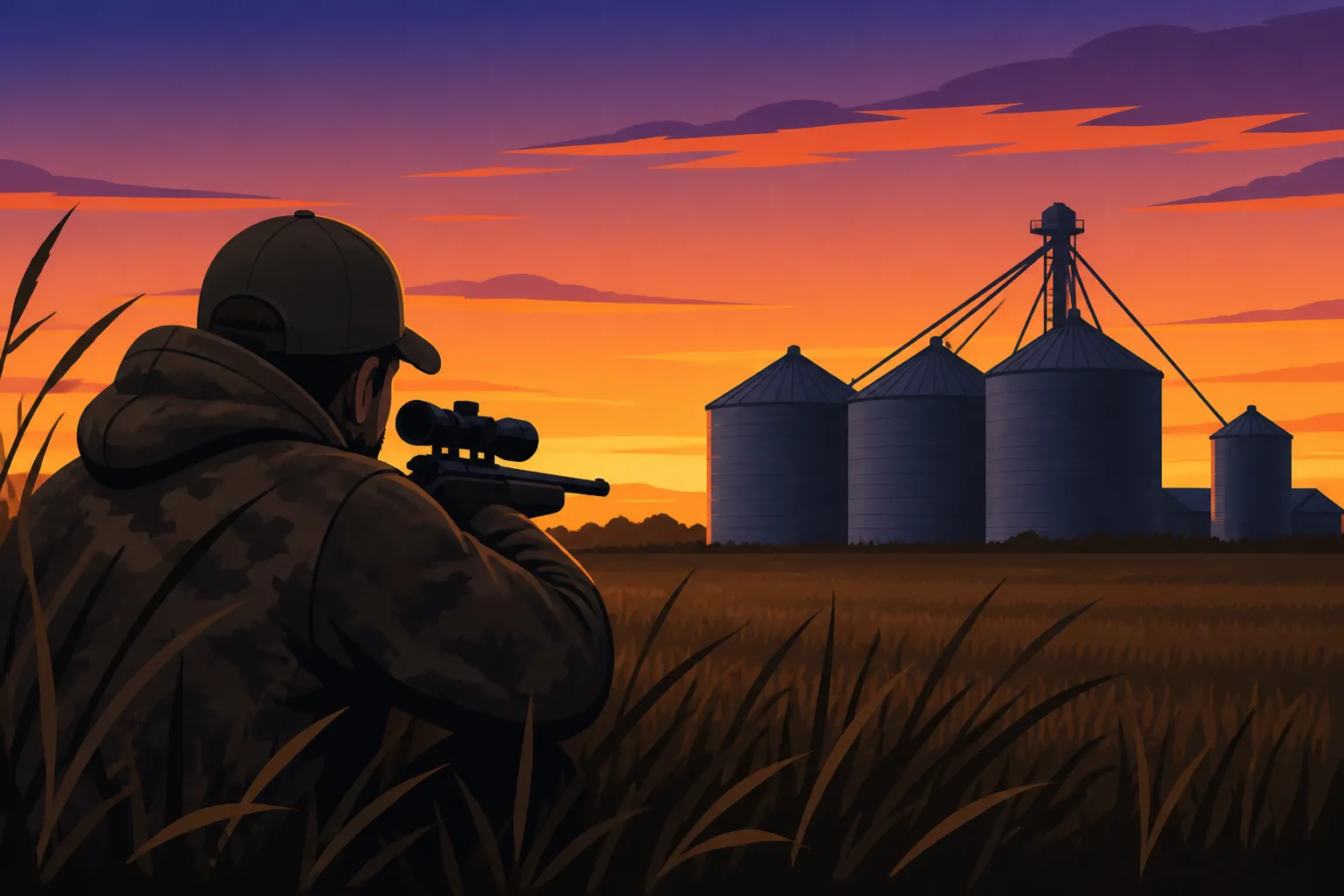
There's nothing quite like the anticipation of a hunt as the sun dips below the horizon, and for many Alberta hunters, those last moments of daylight near a grain bin yard can be absolute magic. It can be incredibly frustrating to see deer filtering into these spots from a distance, but never quite figuring out how to intercept them ethically and effectively. This guide is all about demystifying the art of hunting a grain bin yard at dusk, helping you understand deer behavior, refine your scouting methods, and execute a successful hunt when the light fades.
The Irresistible Pull of Alberta's Grain Bin Yards for Whitetails and Mule Deer
Grain bin yards, often bustling with activity during harvest, become surprisingly potent magnets for deer once the combines are parked and the dust settles. These aren't just random spots; they're critical resource hubs that deer, particularly whitetails and often mule deer in agricultural zones, are keenly aware of. Understanding why deer are drawn to these areas at dusk is the first step to intercepting them.
The Allure of Spilled Grain and Residual Crops
Think about it from a deer's perspective: a reliable, high-energy food source with minimal effort. While the fields themselves might be harvested, there's always spilled grain around the bins, augers, and loading areas. This isn't just a few kernels; it can be significant amounts of wheat, barley, oats, or even canola and peas, offering a concentrated nutritional boost. Deer will habitually visit these spots to vacuum up what's left behind. This supplemental feeding can be especially crucial as winter approaches, providing easy calories before deep snows hit. They’ve learned that the heavy machinery and human presence during the day dwindle come evening, creating a window of opportunity to feed without as much pressure. This is a primary reason why you'll find them venturing out of the security cover as the light begins to fade.
Cover, Security, and Travel Corridors
While a grain bin yard itself might seem exposed, it’s often strategically located near significant cover elements. You’ll frequently find these yards nestled against shelterbelts, rows of mature trees, dense willow runs, or adjacent to a bush edge that borders open fields. These linear features aren't just for blocking wind for the farmer; they act as perfect travel corridors for deer. They allow animals to move from their daytime bedding areas – perhaps a thick aspen bluff or a secluded coulee – with a sense of security, directly towards the evening buffet. These cover elements also provide thermal protection, which is a big deal when the temperatures start to drop in the evening, especially during Alberta's fall and early winter seasons. Understanding these connections is key to identifying potential entry and exit points. When you're Hunting a Shelterbelt Between Two Fields, you're often targeting these same transitional zones.
Adaptability to Human Activity
Deer in agricultural areas are incredibly adaptable. They learn patterns, and they quickly figure out when human activity peaks and when it subsides. During the day, farmers are moving equipment, trucks are coming and going, and general noise levels are high. Deer largely avoid these areas then. However, as dusk approaches and the human footprint diminishes, they feel much safer moving in. This twilight window is their prime time to exploit these rich food sources. It’s not uncommon to see deer literally waiting on the edge of the field, just beyond the last row of trees, poised to slip into the grain bin yard the moment they perceive it as safe. This habituated behavior makes dusk such a productive time for hunters who've done their homework.
Mastering the Scouting and Setup for a Dusk Hunt
Successfully hunting a grain bin yard at dusk isn't about luck; it's about meticulous preparation and understanding the specific dynamics of the location. This involves serious pre-season and in-season scouting, securing permission, and choosing the right setup.
Pre-Season Reconnaissance and Sign Reading
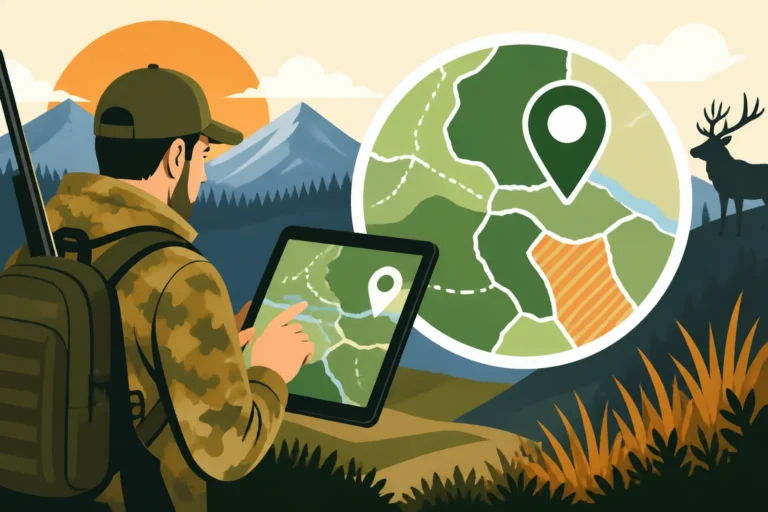
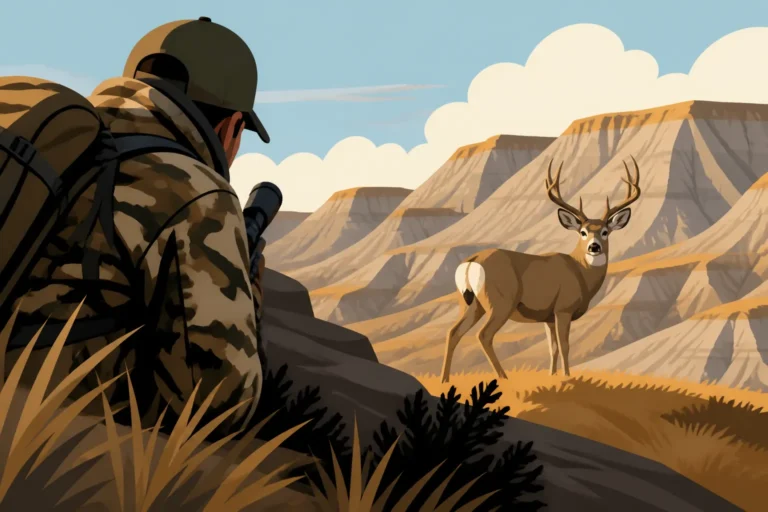
Long before hunting season even begins, a good hunter is already thinking about these spots. Drive the backroads at first light and last light, observing where deer are entering fields or crossing roads near grain bins. Use a good pair of binoculars or a spotting scope from a distance – never disturb the area you intend to hunt. Look for consistent patterns of movement. Once hunting season approaches and with landowner permission, get boots on the ground. You're looking for fresh tracks in the soft dirt around the bins, disturbed stubble where deer have been feeding, and fresh droppings. If there’s a nearby bush line or shelterbelt, check for rub lines and scrapes, indicating deer are actively using that corridor. Pay close attention to trails leading directly to the bins from heavier cover. Are they fresh? Are there multiple trails converging? Tools like GoHunt or other mapping apps can be invaluable for pinpointing these areas and understanding the topography, potential travel routes, and property lines. You can also gain insights by Scouting With Satellite Imagery in Alberta to identify hidden cover or water sources that might influence deer movement.
Securing Access and Building Landowner Relationships
This might be the most crucial step, and often the most overlooked. Grain bin yards are almost exclusively on private land in Alberta. You absolutely must have permission from the landowner before you even think about setting foot on their property with a rifle or bow. This means Knocking on Doors in Alberta Farm Country well in advance of the season, introducing yourself, and demonstrating respect for their land and livelihood. Farmers are often busy, so be courteous and concise. Offer to help with chores, or simply ask if they'd allow you to hunt a specific area, perhaps even offering to help control deer numbers if they're causing crop damage. A strong relationship built on trust and respect is your golden ticket to these coveted hunting grounds. Without permission, you’re simply trespassing, which can lead to severe penalties and harm the reputation of all hunters. Remember to always close gates, drive slowly, and leave no trace.
Strategic Stand Placement and Wind Considerations
Once you have permission and have identified key deer entry points, it's time to choose your setup. Your stand placement is paramount, especially when hunting at dusk. Wind direction is your number one priority – deer have an incredible sense of smell, and a shifting or unfavorable wind will blow your cover every time. Always set up downwind of where you expect deer to approach from. This might mean having multiple stand locations for different wind directions.
Consider a ground blind or an elevated stand. If using an elevated stand, make sure it’s safe, secure, and offers good shooting lanes towards the bin yard and the approaches. A natural tree stand in a shelterbelt or a portable ground blind tucked into a willow clump can be incredibly effective. The goal is to be invisible and scent-free. Ensure your backdrop is sufficient to break up your outline, preventing you from silhouetting against the twilight sky. Your approach and exit routes should also be carefully planned to avoid disturbing deer, both when entering your stand and especially when leaving after the shot, or even after an unproductive sit. Hunting a small, specific area like this really highlights the need for precision, similar to Hanging a Stand on an Alberta Bush Edge.
Here's a quick reference for choosing your stand placement:
| Factor | Description | Dusk Hunt Importance |
|---|---|---|
| Wind Direction | Prevailing wind from deer approach to you, or crosswind. | Critical. Deer will scent you immediately. |
| Cover | Natural vegetation (trees, brush) or artificial blinds (ground/elevated). | Breaks up your outline, conceals movement. |
| Shooting Lanes | Clear lines of sight to expected deer movement/feeding areas. | Ensures ethical shots, especially in low light. |
| Sun Position | Sun at your back, not shining directly into your eyes. | Reduces glare, improves visibility for target acquisition. |
| Approach/Exit | Quiet, concealed path to and from your stand, avoiding bedding areas. | Minimizes disturbance, prevents educating deer to your presence. |
| Backdrop | Dense cover behind you to prevent silhouetting. | Essential for remaining undetected against the setting sun or open field. |
| Elevation | Ground level or elevated (tree stand, tripod). | Offers different perspectives; elevated can improve visibility and safety of shot. |
| Safety | Secure stand, stable ground, clear of hazards. | Paramount for any hunt. |
Executing Your Hunt and Post-Harvest Considerations
The moment of truth often comes quickly at dusk, and executing your hunt effectively requires patience, precision, and a clear plan for what happens after the shot.
The Waiting Game and Low-Light Precision
Arrive at your stand well before dusk – ideally an hour or more before sunset. This allows the woods to settle down and for you to become part of the environment. Minimize movement and noise. Use your binoculars to scan the edges of the cover and the approaches to the grain bins. Deer often appear as ghosts in the fading light, so constant, slow scanning is essential.
When a deer presents itself, especially a mature animal, your adrenaline will likely surge. Take a moment to calm yourself. Breathing exercises can help. Ensure you have a clear, ethical shot opportunity. Low light conditions significantly impact visibility, so good quality optics on your rifle or bow are non-negotiable. If you're using a rifle, practice shooting in varied light conditions at the range. For archers, ensure your pins are bright and visible. Always aim for a broadside or slightly quartering-away shot, targeting the vitals. Be intimately familiar with your weapon's capabilities in low light and know your personal limits. It's far better to pass on a marginal shot than to wound an animal.
Post-Shot Procedure and Tracking in Dim Light
What happens immediately after the shot is critical. If you make a good shot and the deer drops, fantastic. But often, especially at dusk, they will run. Mark the exact spot where the deer was standing when you shot, and the direction it ran. Pick out a specific tree, a fence post, anything to help you orient yourself. Do not immediately jump out of your stand and pursue. Give the animal time. For deer, waiting 20-30 minutes for a well-hit animal, or several hours for a questionable hit, is generally recommended. This allows the animal to lay down and expire, minimizing the chance of bumping it and pushing it further away.
Tracking in dim light or after dark presents unique challenges. Have a powerful flashlight or headlamp ready, and ideally, bring a friend with another light. Look for blood, broken branches, hair, and disturbed ground. Take it slow, piece by piece. If the blood trail peters out or it’s too dark to track effectively and you suspect a marginal hit, back out. Go home, get some rest, and return at first light with fresh eyes and more light. This is an ethical imperative. Being able to Hunting Alberta Winter Weather Safely also means being prepared for these low-light, cold scenarios.
Meat Care, Retrieval, and Landowner Respect
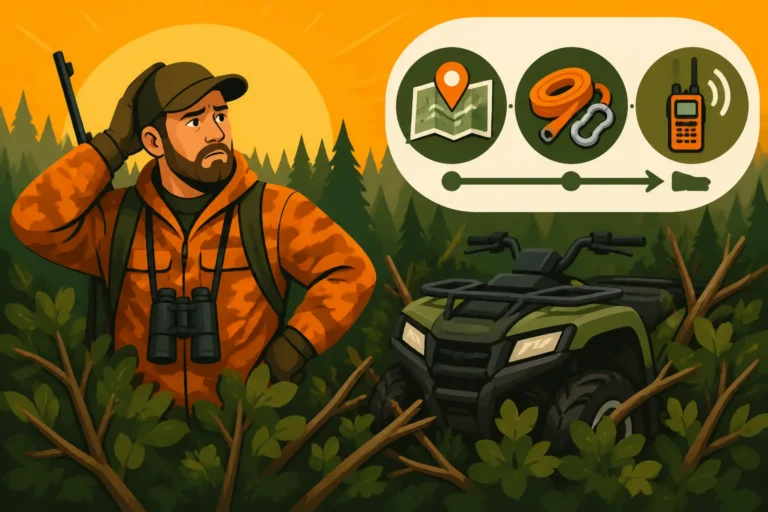
Once you've located your deer, prompt field dressing is essential, especially if temperatures are mild or rising. Meat Care in Alberta's Cold and Warm Swings is vital. Remove the entrails to allow the carcass to cool quickly. If you're on private land, communicate with the landowner about your success and your plans for retrieval. They might have equipment (like a quad or tractor) that can help, or specific access routes they prefer you use. Always ask before driving a vehicle onto their fields.
Retrieving a deer from a grain bin yard can be straightforward if it’s close to a road, but if it runs into thick cover, it can be a significant effort. Be prepared with a game cart, sled, or a plan for quartering the animal if you need to pack it out. The key is to leave the area as you found it, with no trash, no damage, and ideally, a small token of appreciation for the landowner's generosity. A clean, respectful exit ensures you might be invited back next season.
Disclaimer
This article is for informational purposes only and does not constitute legal advice. Always consult the most current Alberta hunting regulations and local laws before planning any hunt. Hunting practices can be dangerous; ensure you have proper training, equipment, and adhere to all safety protocols. Respect private property and always obtain landowner permission before accessing any land for hunting.