Alberta Non-Resident Licence Options
Trying to understand the various hunting licence options as a non-resident in Alberta can feel like deciphering a secret code, especially when you're used to your home province or state's regulations. It's frustrating to know world-class hunting opportunities await, but getting tangled in the red tape before you even step foot in the bush can be a real headache. This comprehensive guide is here to untangle that web, clearly outlining the non-resident licence options and the requirements you'll need to meet to pursue your Alberta hunting adventure.
Understanding the Non-Resident Hunting Landscape in Alberta
Alberta is a hunter's paradise, offering incredible opportunities for everything from monstrous whitetails to majestic moose and bighorn sheep. But, like many jurisdictions, the province has specific rules for those who don't call Alberta home. These aren't arbitrary hurdles; they're in place to manage game populations responsibly, ensure fair chase, and prioritize resident hunting opportunities, which is a common practice across North America.
Why Non-Resident Rules Are Different
The core reason non-resident rules exist is for conservation and allocation. Alberta's wildlife resources are finite, and the provincial government, through Alberta Environment and Protected Areas (AEPA), aims to manage them sustainably for future generations. This often means different tag allocations, season structures, and access requirements for non-residents compared to residents. For instance, residents often have access to general tags for certain species and broader opportunities, while non-residents might be limited to specific draw-only tags or require the services of a licensed outfitter or a designated hunter host. It’s all part of balancing the ecological needs of the animals with the recreational and economic interests of various user groups.
The provincial government invests heavily in habitat conservation, wildlife research, and enforcement, and the revenue generated from non-resident licences contributes to these vital programs. It's a system designed to protect the resource first and foremost, ensuring that the incredible hunting experiences Alberta offers remain viable for decades to come. Understanding this foundational principle helps frame why these rules, which might seem complex at first glance, are actually crucial for maintaining the health of Alberta's diverse ecosystems and game populations.
The Importance of a WIN Card
Before you can even think about purchasing a hunting licence in Alberta, you absolutely need a Wildlife Identification Number, or WIN Card. Think of it as your unique hunter ID within the province's system. It’s a 10-digit number that identifies you in the Alberta hunting and fishing licensing system. Without it, you simply cannot buy any licence, apply for a draw, or even participate in certain hunting activities. It’s the very first step in your Alberta hunting journey.
Getting an Alberta WIN Card is relatively straightforward. You can apply for one online through the AlbertaRELM website, which is the province's electronic licensing and registration system, or in person at a licensed vendor. You'll need to provide personal information, including proof of identity. Once issued, your WIN card is valid for five years, so make sure to keep track of its expiry date. It’s a small detail that can easily be overlooked, but showing up for your hunt without a valid WIN Card will bring your plans to a screeching halt.
Essential Licence Options for Non-Resident Hunters
Once you have your WIN Card in hand, you can start looking at the actual hunting licences. This is where the options branch out significantly, depending on what you plan to hunt. Alberta categorizes its licences based on species, and for non-residents, there are generally more restrictions or requirements for big game compared to game birds.
The General Wildlife Certificate: Your Gateway
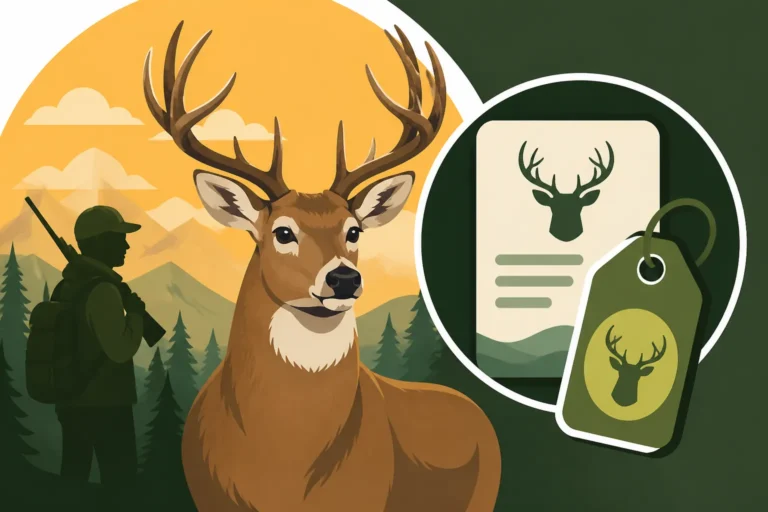
The next crucial step after acquiring your WIN Card is purchasing an Alberta Wildlife Certificate. This certificate isn't a hunting tag itself, but rather an annual requirement that enables you to then purchase specific hunting licences or apply for draws. It's essentially your general permission to participate in hunting activities for the year, and it helps fund wildlife conservation efforts across the province.
Every non-resident hunter, whether coming from another Canadian province or an international destination, must purchase a Wildlife Certificate. It covers all the administrative aspects and foundational costs associated with managing Alberta's wildlife resources. You’ll purchase this certificate annually through the same AlbertaRELM system where you got your WIN Card. Without an active Wildlife Certificate, none of your specific hunting licences will be valid, so make sure it's the first thing you secure after your WIN Card for each hunting season you intend to participate in. For more details on what this foundational certificate covers, you might want to read up on What the Wildlife Certificate Covers.
Big Game Licences: Draw-Only vs. General
This is where the nuances for non-residents really come into play. Alberta offers a variety of big game species, and how you acquire a licence for each can differ greatly. Generally, non-residents will find that many of the most sought-after big game animals are only available through a special draw system.
-
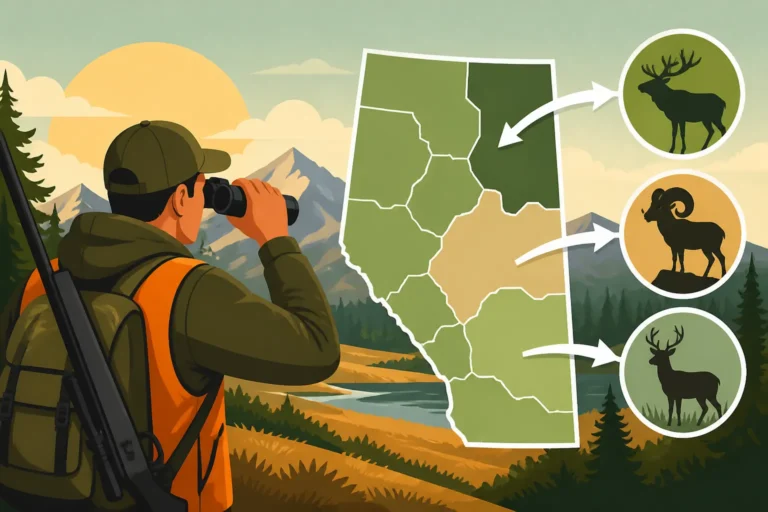
Special Licence Draws: For species like moose, elk, bighorn sheep, mountain goat, and sometimes even specific antlered deer tags in certain Wildlife Management Units (WMUs), non-residents must apply through Alberta's Special Licence Draws. These draws are highly competitive, and your chances of success often depend on accumulated priority points and the popularity of the WMU you apply for. It’s a system designed to allocate limited opportunities fairly. You apply for these draws well in advance of the season, and results are posted later, typically in June. Non-resident alien hunters (those from outside Canada) generally have even fewer draw opportunities compared to non-resident Canadians. Understanding Alberta's Special Licence Draws and Alberta Draw Deadlines and Result Dates is critical. Resources like GoHunt can be incredibly helpful for researching past draw odds and strategizing your applications, giving you a better understanding of what to expect.
-
General Licences: For non-resident Canadian hunters, there might be a few general big game licences available over-the-counter, such as a general white-tailed deer tag or a black bear tag in many WMUs. These don't require entering a draw and can be purchased directly through AlbertaRELM or at authorized licence issuers. However, non-resident aliens typically have significantly more restricted access to general licences and often require a licensed outfitter for all big game species. It's crucial to check the current Alberta hunting regulations for the most up-to-date information on which licences are general and which are draw-only for your specific non-resident category. These general tags provide great opportunities for hunting Alberta's early archery seasons or participating in Black Bear Hunting in Alberta.
| Licence Type (Non-Resident Canadian) | Access Method | Common Species | Hunter Host/Outfitter Required |
|---|---|---|---|
| General Big Game Licences | Over-the-counter | White-tailed Deer (some WMUs), Black Bear | Hunter Host required (with exceptions) |
| Special Big Game Licences | Draw Application | Moose, Elk, Mule Deer, Bighorn Sheep, Mt. Goat | Hunter Host required (with exceptions) |
| Game Bird Licences | Over-the-counter | Ducks, Geese, Upland Birds | No |
Game Bird and Other Licences
If you're interested in pursuing game birds or other smaller species, the licensing process is generally simpler for non-residents.
-
Game Bird Licences: Alberta offers fantastic opportunities for waterfowl and upland birds. Non-resident Canadians can typically purchase a game bird licence over-the-counter. For migratory birds like ducks and geese, you’ll also need a federal Migratory Game Bird Hunting Permit and the Canadian Wildlife Habitat Conservation Stamp, in addition to your provincial game bird licence and Wildlife Certificate. For specific season dates and limits, always consult Alberta Game Bird Seasons and Limits.
-
Wolf and Coyote Licences: These predator species offer year-round or extended seasons in many areas. Non-residents can usually purchase a wolf or coyote licence over-the-counter. While hunting these species doesn't always require a hunter host or outfitter, it's always wise to confirm this with current regulations, especially if you're a non-resident alien.
The key takeaway here is that while options exist, they are often tiered based on your residency status and the species you wish to pursue. Always consult the official Alberta Hunting Regulations (available online) for the definitive rules for your specific situation, as they can change annually.
Navigating the Hunter Host and Outfitter Requirements
This is arguably the most significant difference and potential point of confusion for non-residents planning a hunt in Alberta, particularly for big game. Alberta has very specific requirements regarding who non-residents can hunt with, designed to ensure safety, ethical hunting, and proper management.
The Non-Resident Hunter Host Rule Explained
For non-resident Canadian hunters (i.e., hunters from other Canadian provinces or territories), if you are pursuing big game, you generally must hunt with an eligible "Hunter Host." A Hunter Host is an Alberta resident hunter (18 years or older) who holds a valid Wildlife Certificate and has lived in Alberta for at least 90 consecutive days immediately prior to the hunt. This host must accompany you in the field and assume responsibility for your adherence to Alberta's hunting regulations. It's a critical safety and compliance measure.
The beauty of the Hunter Host system is that it allows non-resident Canadians to experience Alberta's vast hunting opportunities without necessarily having to book an expensive guided hunt. It opens doors for friends and family from other provinces to hunt together. However, there are limitations. A Hunter Host can only host one non-resident Canadian big game hunter at a time. The host themselves must also be licensed for the same species in the same WMU as the non-resident hunter. For a deeper dive into the specifics, check out Hunting Alberta With a Hunter Host. This rule is designed to ensure a knowledgeable resident is guiding the non-resident, providing local expertise and accountability.
When You Must Hunt With a Guide
For non-resident aliens (those from outside Canada), the rules are even more stringent. With very few exceptions, non-resident aliens are legally required to hunt all big game species with a licensed Alberta outfitter. This is a non-negotiable requirement. You cannot hunt big game in Alberta as a non-resident alien without a professional outfitter. This regulation ensures that international hunters are supported by experienced professionals who know the local terrain, wildlife, and regulations intimately, providing a higher level of safety and ethical hunting practices.
Outfitters in Alberta are licensed by the province and are allocated specific "outfitter allocations" for different species in various WMUs. This means they have a limited number of tags they can offer to their non-resident alien clients. Therefore, booking an Alberta hunt with an outfitter often requires planning well in advance, sometimes a year or more, especially for highly sought-after species or prime hunting dates. Understanding Why Non-Residents Need a Guide in Alberta is paramount if you are coming from outside Canada. When planning, you might use platforms like GoHunt to research potential outfitters, verify their licensing, and read reviews, ensuring you pick a reputable operation for your adventure.
The Application Process: Where and How to Buy
Once you’ve got your WIN Card, Wildlife Certificate, and a clear understanding of the hunter host or outfitter requirements, you’re ready to navigate the actual purchasing or application process. This primarily happens through Alberta’s online licensing system.
Buying Licences on albertarelm.com
The AlbertaRELM website (albertarelm.com) is your central hub for all things licensing. This is where you'll create or log in to your account, manage your WIN Card, purchase your annual Wildlife Certificate, and buy any general hunting or fishing licences you’re eligible for. The system is fairly intuitive, but it’s always a good idea to familiarize yourself with it before the season rush.
When you're ready to buy, simply navigate to the "Purchase Licences" section, select the appropriate licences for your non-resident status and the species you intend to hunt, and proceed to checkout. Remember that some general licences, especially for non-resident Canadians, are only available for purchase after specific dates, and draw results must be posted before you can purchase a special licence you were successful in drawing. Having all your necessary information and payment method ready will make the process smooth. It’s always smart to print a copy of your licences and keep them with you in the field, along with a digital copy on your phone, just in case.
Applying for Special Licences and Understanding Draws
For those coveted draw-only species, the process is a bit more involved. You'll apply for these through the same AlbertaRELM system, but usually during a specific application window early in the year (typically starting in May, with a deadline in June). When applying, you'll select your preferred WMU and species, and for some species, your preference for antlered or antlerless animals.
The draw system in Alberta utilizes priority points. If you apply for a draw and are unsuccessful, you gain a priority point for that species for the next year. The more priority points you accumulate, the better your odds of drawing a tag in subsequent years. However, once you successfully draw a tag, your priority points for that species reset to zero. This system aims to give everyone a fair chance over time. Non-resident Canadian and non-resident alien draw opportunities vary significantly, with international hunters having access to far fewer draws and often through their booked outfitter. Information on Alberta's Draw Priority Point System can help you strategize your applications. Hunting apps or websites like GoHunt can offer valuable insights into historical draw odds and popularity of specific WMUs, aiding you in making informed decisions about where to apply.
Key Considerations for Non-Resident Hunters
Beyond the licences themselves, there are several other critical factors non-residents need to keep in mind when planning their Alberta hunt. These cover everything from financial planning to specific international travel rules.
Understanding Costs and Planning Your Budget
Hunting in Alberta as a non-resident involves several costs beyond just the licences. Your overall budget will depend heavily on whether you’re a non-resident Canadian hunting with a host or a non-resident alien booking an outfitted trip.
- Licence Fees: These vary by species and by non-resident category. For example, What a Non-Resident Alien Pays for a Tag for a major big game species can be significantly higher than a general resident tag. Factor in your WIN Card fee, Wildlife Certificate, and any specific species licences.
- Travel and Accommodation: Consider airfare or fuel costs, vehicle rental if needed, and lodging before, during, or after your hunt. Even if you're camping in the backcountry, there are costs associated with gear and food.
- Gear and Supplies: Ensure your hunting equipment meets Alberta's legal requirements. This includes legal firearms and bows for big game. You'll also need appropriate clothing for Alberta's often unpredictable weather, especially if you're Hunting Alberta Winter Weather Safely.
- Hunter Host/Outfitter Fees: If you're a non-resident Canadian, your Hunter Host might incur costs they pass on, such as travel or supplies. If you're a non-resident alien, the cost of an outfitted hunt will be a major component of your budget. These can range from a few thousand for a bear hunt to tens of thousands for a prime sheep or moose hunt. Be sure to get a clear understanding of what’s included in any outfitter package.
- Meat Processing and Shipping: After a successful hunt, you’ll need to consider the costs of butchering and potentially shipping your meat and trophy home. This can be a substantial expense, especially for larger animals.
Planning a detailed budget upfront is essential to avoid any unwelcome surprises during your trip.
Specific Rules for Non-Resident Aliens
Hunters coming from outside Canada, particularly the United States, have a few extra layers of regulations to contend with, primarily concerning firearm transport and border crossing procedures.
- Firearm Declaration: If you plan to bring your own firearm into Canada, you must complete a Non-Resident Firearm Declaration Form (RCMP 5589) in triplicate. This form acts as a temporary licence for your firearms while in Canada. You'll declare your firearms at the port of entry and pay a fee. It's crucial to have this form filled out correctly before you arrive at the border, but do not sign it until you are in front of a Canadian Border Services Agency (CBSA) officer. Failure to declare firearms or incorrect declaration can lead to serious penalties, including seizure of your firearms and potential refusal of entry. More details can be found under Transporting Firearms Into Alberta.
- Prohibited Firearms: Be aware that certain firearms legal in the U.S. may be prohibited in Canada. It's imperative to check Canadian firearm regulations thoroughly before attempting to bring any firearm across the border.
- Ammunition Limits: There are also restrictions on the amount of ammunition you can bring into Canada. Typically, hunters can bring up to 200 rounds of ammunition for hunting purposes.
- Proof of Purpose: CBSA officers may ask for proof of your hunting trip, such as your hunting licence confirmation, outfitter booking, or a letter from your Hunter Host. Be prepared to show these documents.
Navigating international travel with firearms can be complex, so always allow extra time at the border and ensure you have all documentation in order. Consulting a resource like the Canadian Border Services Agency website or your chosen outfitter for the most current rules is highly recommended to ensure a smooth entry into Alberta for your hunt.
Disclaimer
Please note that hunting regulations are subject to change. While every effort has been made to provide accurate and up-to-date information, it is the hunter's responsibility to review the current Alberta Hunting Regulations, available through the Alberta Environment and Protected Areas website, before planning and undertaking any hunting activity. This guide is for informational purposes only and does not supersede official government regulations.