Alberta Penalties for Hunting Violations
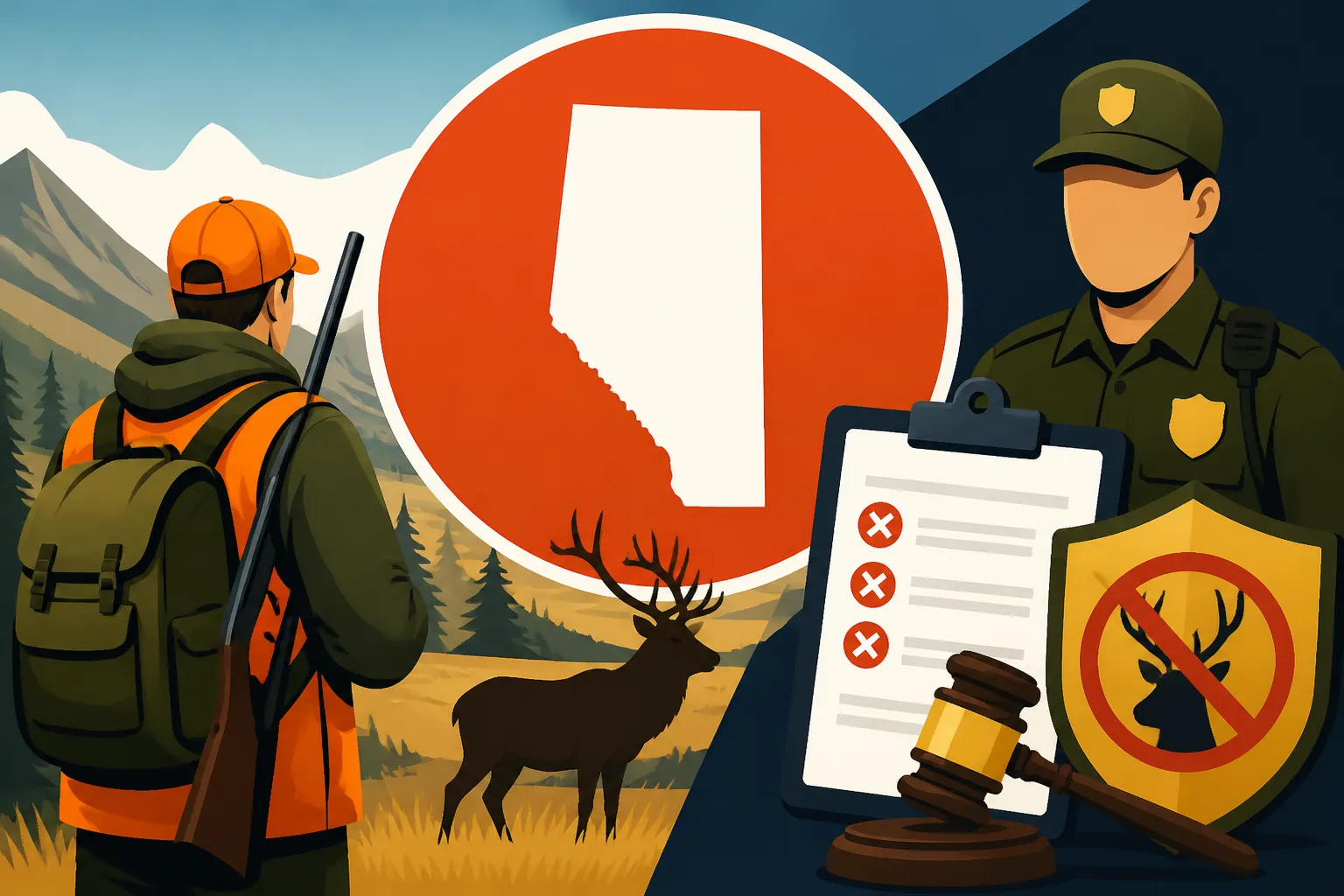
No one wants to face the reality of a hunting violation, but let's be honest, the regulations can feel like a maze, and a moment of forgetfulness or a misinterpretation can quickly land you in hot water. The consequences in Alberta aren't just a slap on the wrist; they can severely impact your ability to hunt in the future, costing you significant time, money, and your cherished hunting privileges. This guide is here to lay out exactly what happens when you cross the line, detailing the various penalties for hunting violations in Alberta, so you can hunt confidently and stay on the right side of the law.
Understanding the Landscape of Hunting Violations
Hunting in Alberta is a privilege, not a right, and it comes with a strict set of rules designed to ensure conservation, safety, and fair chase. When these rules are broken, the consequences can range from minor infractions to serious criminal charges. It's not just about what you do, but also what you fail to do, such as proper tagging or reporting, that can lead to penalties. The system is designed to deter irresponsible behavior and protect our wildlife resources for generations to come.
The Range of Penalties You Could Face
The penalties for hunting violations in Alberta are diverse and depend heavily on the severity of the offense, the species involved, and whether it's a first-time offense or a repeat infraction. They're outlined in the Wildlife Act and its associated regulations, and trust me, they carry weight. We're talking about more than just a fine; there can be significant legal repercussions that extend far beyond the hunting season.
Firstly, almost every violation comes with a monetary fine. These fines can start at a few hundred dollars for minor administrative errors and quickly escalate into the tens of thousands for serious offenses like poaching or illegal trafficking of wildlife. These aren't just tickets; they often require a court appearance, and the judge will consider all factors before delivering a sentence. On top of that, there are often victim surcharges and other court costs that add to the financial burden.
Secondly, and perhaps most impactful for avid hunters, is the potential for licence suspensions. This means you could lose the ability to purchase hunting licences in Alberta for a set period, which could be anywhere from one year to a lifetime ban for severe cases. Imagine having to sit out deer season after deer season because of a mistake made years ago. It’s a harsh reality that hits close to home for anyone passionate about hunting. Sometimes, these suspensions can even extend to other jurisdictions if reciprocal agreements are in place.
Thirdly, depending on the severity and nature of the offense, you could face jail time. While less common for minor infractions, serious poaching offenses, repeated violations, or those involving dangerous conduct can absolutely result in imprisonment. This is where a hunting violation crosses into serious criminal territory, impacting your personal freedom and future opportunities far beyond hunting.
Lastly, and often overlooked, is the seizure and forfeiture of property. This means that any equipment used in the commission of the offense—your rifle, your bow, your ATV, your vehicle, even your valuable trophy—could be confiscated by the Crown and never returned. It's a significant financial loss on top of any fines and a stark reminder of the seriousness of wildlife enforcement.
Common Violations and Their Consequences
Understanding the specific types of violations is key to avoiding them. Let's dig into some of the more common ways hunters can inadvertently or intentionally break the rules, and what kind of trouble that can lead to. Ignorance of the law is never an excuse, and Alberta Fish and Wildlife officers are out there to ensure compliance, sometimes using tools like GoHunt to verify land boundaries and other critical information.
Licence, Tagging, and Season-Related Offenses
One of the most fundamental requirements for hunting in Alberta is possessing the correct, valid licences and following proper tagging procedures. It sounds simple, but this is where many honest mistakes happen. Forgetting your Alberta Hunting Licences and What They Cost at home, failing to endorse it correctly, or not having your Wildlife Certificate can lead to fines. Hunting without a licence at all, however, is a much more serious offense.
- Hunting Without a Valid Licence: This is a big one. Whether you forgot to purchase your licence, bought the wrong one, or your privileges were suspended, hunting without a current, valid licence is a direct violation. Penalties here can include substantial fines, often starting in the thousands, and a mandatory licence suspension for a period of years. If you're caught without a valid tag for a specific species, it's essentially the same as hunting without a licence for that animal.
- Improper Tagging: You've worked hard, made an ethical shot, and now you have your animal. The excitement is high, but this is not the time to cut corners on tagging. Failing to immediately attach your tag to the animal, attaching it incorrectly (e.g., not through the hide and muscle as required), or using a tag from a different Alberta's Special Licence Draws or even another hunter is a serious offense. This could result in fines, potential seizure of the animal, and licence suspension. Officers regularly check proper tag placement, so make sure you're up to date on how to properly attach your tag and what information needs to be visible.
- Hunting Out of Season or Exceeding Limits: This seems obvious, but it can sometimes be tricky. Misunderstanding Alberta Big Game Season Dates or Alberta Game Bird Seasons and Limits for your specific Wildlife Management Unit (WMU) is a common error. Always double-check the regulations for your exact WMU and the species you're pursuing. Hunting outside the legal dates or shooting more animals than your licence allows—or beyond the daily/seasonal bag limits for game birds—will lead to fines, potential seizure of the animal(s), and licence suspensions. This also applies to species that are draw-only or where specific antler point restrictions apply, like "Hunting Alberta's Three-Point Mule Deer Rules."
Trespassing and Access Violations
Alberta is a mix of Crown (public) land and private land, and respecting property boundaries is paramount. The Alberta Landowner Permission Law is clear: you must have permission to hunt on private land. This isn't just a courtesy; it's the law, and violating it can have significant repercussions, not just from Fish and Wildlife but from the landowner themselves.
- Hunting on Private Land Without Permission: This is straight-up trespassing and a major headache for landowners. Getting caught hunting on someone's property without explicit, written permission can result in fines under the Wildlife Act and the Petty Trespass Act, and potentially a licence suspension. Officers take these complaints seriously, often because landowners are understandably frustrated by hunters who disregard their property rights. Always make the effort to secure permission, and carry it with you. Tools like GoHunt can be invaluable for identifying land ownership boundaries, helping you avoid accidental trespass.
- Accessing Restricted Areas: This could include hunting in provincial parks (which are generally closed to hunting), certain provincial recreation areas, or other restricted zones. Even Crown land can have restricted access due to industrial activity, ecological sensitivity, or public safety concerns. Ignoring signs or entering closed areas can lead to fines and, depending on the severity, licence suspension. It's crucial to consult Where to Read Alberta's Hunting Regulations and WMU maps thoroughly, perhaps even doing some online "Scouting an Alberta WMU Before Season" to understand any access limitations.
Unlawful Methods and Wildlife Protection Offenses
Alberta has strict rules about how you can hunt and what you can do with the animal once it's taken. These rules are in place for ethical hunting, conservation, and public safety.
- Illegal Methods of Hunting: This covers a wide range of prohibited actions. Examples include hunting at night, shooting from or across a public road, using artificial light to spot game (spotlighting), or using a motor vehicle to chase game. "Rules on Hunting From a Vehicle" are very specific. Penalties here are typically substantial fines, licence suspension, and potentially seizure of your vehicle and firearms.
- Wasting Game Meat: Once an animal is legally harvested, you have a responsibility to utilize its edible portions. Rules on Wasting Game Meat are strictly enforced. Leaving significant portions of edible meat in the field is a violation and can lead to fines and licence suspension. This doesn't mean you have to take every scrap, but the major muscle groups are expected to be recovered.
- Hunting in Prohibited Zones or Safety Violations: Shooting too close to occupied buildings, hunting on wildlife sanctuaries, or violating specific safety regulations like Alberta Blaze Orange and Safety Rules can also lead to penalties. While some might seem minor, they exist for good reason, primarily public safety. Fines and possible licence suspensions are typical for these types of infractions.
- Illegal Baiting: Rules on Baiting Big Game are very clear in Alberta—it's generally prohibited for big game. While baiting black bears is allowed under specific conditions, attempting to bait deer or moose, for example, is illegal and can lead to significant fines, licence suspension, and seizure of equipment.
The Broader Impact of a Conviction
Beyond the immediate fines and licence suspensions, a hunting violation conviction can cast a long shadow over your future, both within and outside the hunting community. It's not just about what happens in court; it's about the ripple effects that can impact your life for years.
Loss of Future Hunting Opportunities and Privileges
The most obvious long-term impact is the loss of your ability to hunt. If your licence is suspended, you cannot apply for new licences during that period. This can mean missing out on general seasons for deer or elk, or worse, losing out on years of building Alberta's Draw Priority Point System for coveted special licences for species like moose, sheep, or mountain goat. Many hunters dedicate years to building these points, and losing them due to a violation is a devastating blow.
Furthermore, a conviction in Alberta can sometimes lead to reciprocal suspensions in other provinces or even across international borders. While not always automatic, it's a real possibility that a severe violation here could affect your ability to hunt in British Columbia, Saskatchewan, or even parts of the United States. This is especially relevant for non-residents who regularly hunt across borders.
Legal and Reputational Consequences
A conviction for a serious hunting violation in Alberta can result in a criminal record. This has implications far beyond hunting. A criminal record can affect your ability to travel internationally, particularly to the United States, and can impact employment opportunities, especially in jobs requiring background checks. This can be a huge, unforeseen burden that many hunters don't consider when they contemplate bending the rules.
Within the hunting community, your reputation can suffer significantly. Ethical hunters uphold the law and respect wildlife. Being known as someone who violates hunting regulations can lead to ostracization from hunting groups, loss of trust from landowners, and a general tarnishing of your image among your peers. Word travels fast in the hunting world, and a bad reputation can stick.
Mandatory Education and Rehabilitation
In some cases, as part of a sentence or to regain hunting privileges, a hunter may be required to complete or re-take the Alberta Hunter Education and Conservation Course. While this is a valuable course, being mandated to take it due to a violation is an added cost and time commitment. It serves as a reminder that the court views your actions as a deficit in understanding or adhering to responsible hunting practices.
Avoiding Violations and Hunting Responsibly
The best defense against hunting violations is diligent preparation, continuous education, and a strong commitment to ethical hunting. It's about being proactive and making sure you understand the responsibilities that come with carrying a firearm or bow into the field.
Know the Regulations Inside and Out
This cannot be stressed enough: read the regulations! Don't just skim them, and don't rely solely on what you heard from a friend. Every year, changes occur, and it's your responsibility to be current. The Where to Read Alberta's Hunting Regulations document is your bible. Keep a copy, digital or physical, with you in the field. Before heading out, specifically review the sections relevant to your target species, WMU, and chosen hunting method. This includes checking season dates, bag limits, legal equipment, and specific rules for that area.
A good practice is to review the regulations a few weeks before your hunt, and then again the night before. This helps solidify the information and catches any details you might have missed. If you're using an app like GoHunt, ensure you understand how to use its mapping features to confirm WMU boundaries, private land, and any special zones.
Seek Permission and Respect Private Land
Always, always, always get permission before hunting on private land. This applies to land that doesn't appear posted or fenced. Assume all land is private until you confirm otherwise or verify it as Crown land. When asking for permission, be polite, respectful, and offer to share your harvest if appropriate. A positive relationship with landowners is critical to maintaining hunting access for everyone.
If you are granted permission, clarify the boundaries of where you can hunt, where you can park, and what gates you can use. Always leave gates as you found them, pack out all your trash, and avoid driving on wet fields. Leave the property better than you found it.
Practice Safe and Ethical Hunting
Beyond the explicit laws, cultivating a strong ethical compass is your best protection. This means making sure of your target and what's beyond it, taking only clean, ethical shots, and never wasting game meat. It also means properly identifying your game. If you're unsure if it's a legal buck or bull, or the right species, don't shoot. The excitement of the moment is never worth the regret of a violation.
Being a responsible hunter means being an ambassador for the sport. It means taking responsibility for your actions, and reporting any violations you witness. Alberta Fish and Wildlife has a "Report A Poacher" line (1-800-642-3800) that allows you to anonymously report suspicious activity. This helps protect the resource and ensures fair hunting for everyone.
To help summarize some common violations and their potential penalties, here's a quick reference table:
| Violation Category | Common Examples | Potential Fines (Min-Max) | Licence Suspension (Min-Max) | Other Penalties (Potential) |
|---|---|---|---|---|
| Licence & Tagging | Hunting without licence; improper tagging | $100 – $50,000+ | 1 year – Lifetime | Seizure of animal/equipment, Jail time |
| Season & Bag Limit | Hunting out of season; exceeding bag limits | $100 – $50,000+ | 1 year – Lifetime | Seizure of animal/equipment, Jail time |
| Trespassing | Hunting on private land without permission | $250 – $10,000+ | 1 year – 5 years | Criminal record, Legal action by landowner |
| Illegal Methods | Spotlighting; shooting from road; baiting big game | $500 – $100,000+ | 2 years – Lifetime | Seizure of vehicle/firearms, Jail time, Criminal record |
| Wasting Game Meat | Leaving edible portions in the field | $250 – $25,000+ | 1 year – 5 years | Seizure of animal |
| Safety Violations | Shooting near buildings; blaze orange violation | $100 – $5,000+ | Discretionary |
Note: These are general ranges and can vary greatly depending on specific circumstances, species involved, judicial discretion, and whether it's a first or repeat offense. Always refer to the current Alberta Hunting Regulations for precise legal details.
Hunting in Alberta is an incredible experience, offering opportunities for everything from Whitetail Hunting in Alberta to pursuing Black Bear Hunting in Alberta. But with those amazing experiences comes a responsibility to know and respect the rules. By taking the time to understand the regulations and committing to ethical practices, you can enjoy your time in the field without the stress and severe consequences of a violation.
Disclaimer
The information provided in this guide is for general informational purposes only and does not constitute legal advice. Hunting regulations in Alberta are complex and subject to change. Always consult the official Alberta Hunting Regulations, the Wildlife Act, and its associated regulations, or seek legal counsel for specific legal questions or concerns.