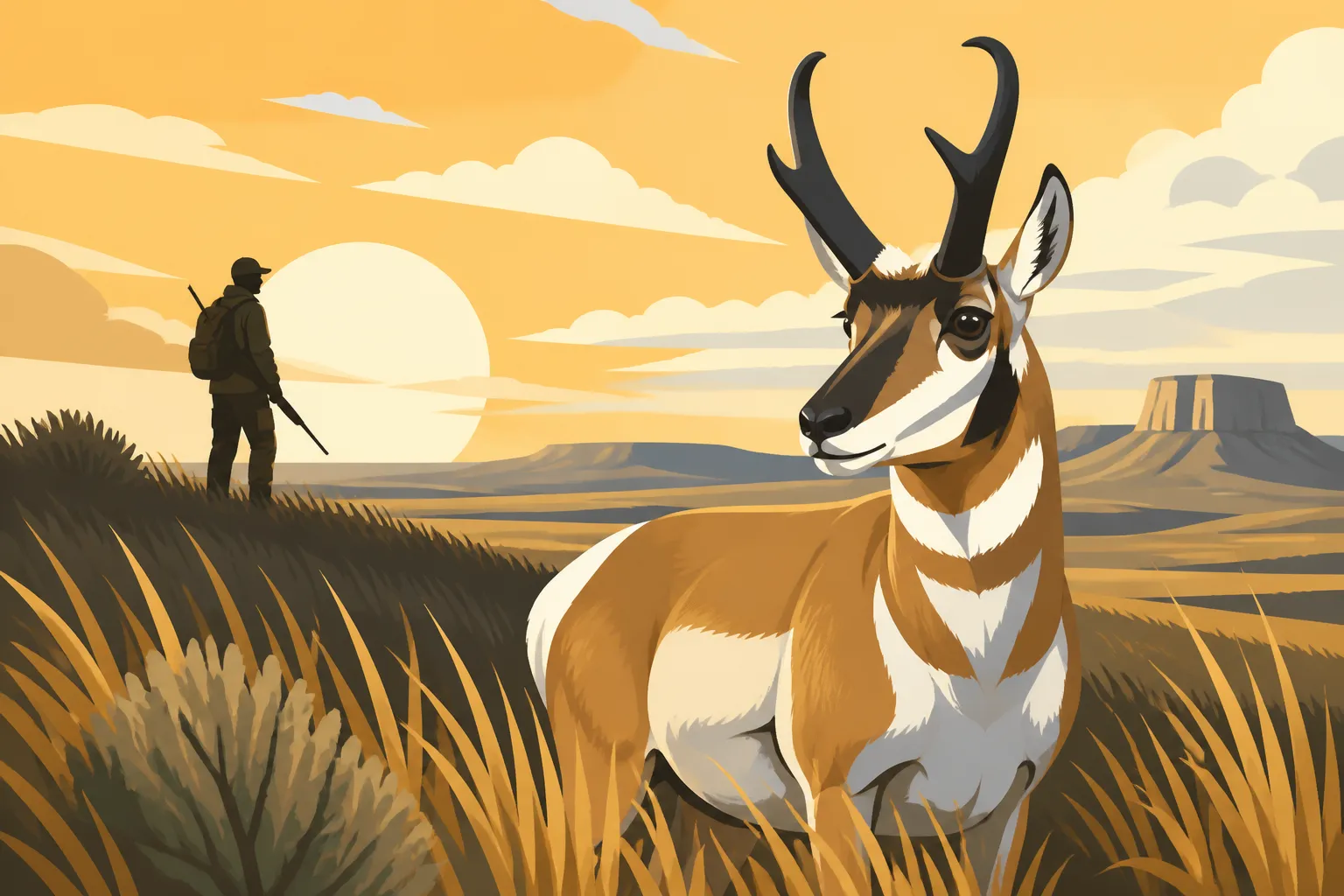
Pronghorn on Alberta’s Southern Prairie
Trying to secure a pronghorn tag in Alberta can feel like drawing a winning lottery ticket, and once you have it, figuring out how to actually hunt these incredibly wary animals on our vast southern prairies is a whole other challenge. They’re fast, their eyesight is legendary, and the open country they call home offers little cover. This guide is going to walk you through everything you need to know to pursue Alberta's "speed goats," from understanding their unique habitat and navigating the draw system to effective hunting strategies and respectful land access.
Understanding Alberta's Pronghorn Population and Habitat
Pronghorn are truly magnificent creatures, perfectly adapted to the wide-open spaces of North America's prairies. In Alberta, they are primarily found in the southeastern corner of the province, where the landscape transitions from lush parkland into arid, shortgrass prairie. Their numbers here fluctuate with environmental conditions, particularly severe winters, but they generally represent a healthy and resilient population. Understanding their movements and preferred habitats is your first step to a successful hunt.
Where Alberta's Pronghorn Range Ends
Alberta’s pronghorn population is largely concentrated in the southeastern portion of the province, generally south of Highway 1 (the Trans-Canada Highway) and east of the Oldman River, extending down to the U.S. border. This region provides the ideal blend of shortgrass prairie, sagebrush flats, and rolling coulees that pronghorn thrive in. You’ll find them in Wildlife Management Units (WMUs) like 102, 104, 106, 110, 112, and 116, among others. These areas offer vast stretches of native grasslands where they can spot predators from miles away, using their incredible eyesight to their advantage. Trying to find them north or west of this traditional range is often a fruitless exercise, as the habitat changes too much, featuring more trees, deeper coulees, and less open visibility which they absolutely require.
While their primary stronghold is in this core area, you might occasionally hear reports of pronghorn sightings slightly outside their typical range, especially during periods of population expansion or if individuals wander. However, for hunting purposes, focusing on the established prairie WMUs is critical. These areas offer the highest concentration and the best chances of success. It’s a testament to their specialized adaptations that they stick so closely to this specific ecological niche, making them a true icon of the southern Alberta prairie.
How Pronghorn Survive a Prairie Winter
Alberta winters can be brutally harsh, and pronghorn face significant challenges when the snow begins to fly. Unlike deer or elk that might move into timbered areas for shelter and browse, pronghorn are tied to the open prairie. Their survival hinges on access to forage and their ability to move. When snow depths exceed 10-12 inches, pronghorn struggle to paw through it to reach the grasses and forbs they rely on. This is where fences can become a major obstacle, especially net-wire fences, as pronghorn prefer to crawl under fences rather than jump them, which can be impossible in deep snow.
Mild winters typically result in higher survival rates and stronger populations, while severe winters, particularly those with heavy, crusted snow, can lead to significant winter kill events. Conservation efforts often focus on improving winter range and mitigating fence issues to help these animals through the toughest months. For hunters, knowing this helps explain population fluctuations and why healthy herds often depend on a string of milder winters. It also highlights the importance of ethical harvest and respecting limits to ensure the long-term health of these iconic prairie residents.
Navigating Alberta's Pronghorn Draw System
Hunting pronghorn in Alberta is not a general over-the-counter affair. It's strictly a draw-only species, meaning you must apply for a special license through the province's draw system. This system can feel a bit like a maze, especially for first-time applicants or those new to Alberta's hunting regulations. Understanding how to apply, when to apply, and what your odds are is paramount to even getting a chance to hunt these incredible animals.
Understanding Alberta's Draw Application Process
Applying for an Alberta special license, including pronghorn, is done exclusively online through the AlbertaRELM system. You'll need an active Wildlife Identification Number (WIN) card, which is your unique hunter ID in Alberta. The draw process involves selecting a specific WMU and species/sex combination (e.g., Antlered Pronghorn) and submitting your application within the designated application period. For pronghorn, this usually opens in late May or early June and closes mid-June. It's crucial to mark these dates on your calendar, as missing the deadline means missing out on the opportunity for the entire season.
The system uses a priority point system, which means the more years you apply and don't get drawn, the more priority points you accumulate for that specific species. When you successfully draw a tag, your priority points for that species reset to zero. This system helps distribute tags over time, ensuring that even those with low points have a chance, but those who wait patiently will eventually draw. It can take several years of applying to accumulate enough points for a desirable pronghorn WMU, particularly for antlered tags, which are highly sought after. If you're looking for detailed information on how to maximize your chances, diving into guides like Alberta's Special Licence Draws can be incredibly helpful.
Alberta Pronghorn Draw Odds by WMU
The odds of drawing a pronghorn tag vary dramatically depending on the WMU you apply for and whether you're seeking an antlered or antlerless license. Antlered pronghorn tags are typically much harder to draw, often requiring several priority points, especially in WMUs known for producing larger bucks. Antlerless tags, on the other hand, are generally easier to secure and might even be drawn with zero or one priority point in some areas.
To truly understand your chances, you'll want to consult the previous year's draw summary reports, which are usually available on the Alberta Fish and Wildlife website. These reports show the minimum priority points required to draw in each WMU for each species. While they don't guarantee future results, they provide an excellent benchmark for strategizing your application. For example, some central prairie WMUs might require 4-6 points for an antlered tag, while peripheral areas might go for 2-3 points. Using resources like GoHunt, you can access detailed draw statistics and tools to help you analyze these odds, making a more informed decision about where to put in for your best shot. It’s all about balancing your desire for a specific area or animal with your accumulated priority points and your willingness to wait.
Scouting for Pronghorn on the Southern Prairie
Once you've beaten the odds and secured that coveted pronghorn tag, the real work begins: scouting. Pronghorn are not like whitetails that hide in the bush; they are out in the open, but finding a mature buck in a vast landscape requires a strategic approach. Pre-season scouting, leveraging modern technology, and understanding their daily routines are key components to a successful hunt.
Pre-Season Scouting and Glassing Techniques
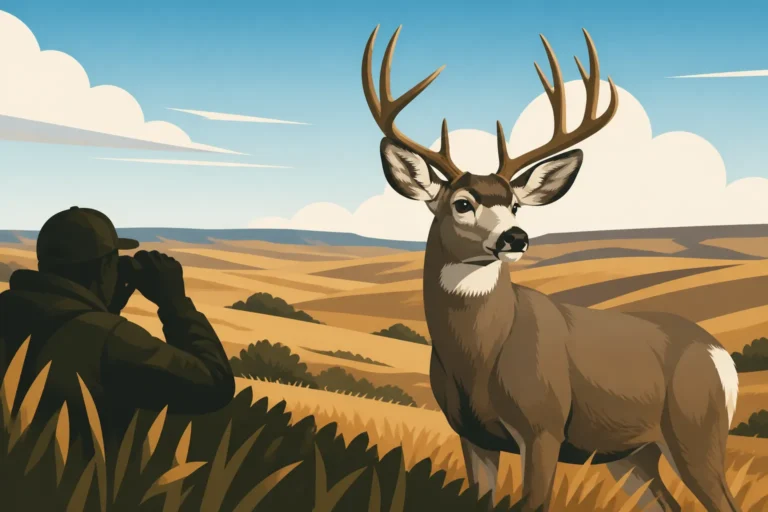
Pre-season scouting for pronghorn is absolutely essential. These animals live in wide-open country, making their movements somewhat predictable once you understand their patterns. Start by driving the backroads of your drawn WMU several weeks before the season opens. Your primary tool here will be high-quality optics – a good pair of 10x binoculars, and ideally, a spotting scope (20-60x or 15-45x) on a sturdy tripod. Pronghorn have incredible eyesight, so you'll need to glass from a distance, often miles away. Focus on elevated points, looking over vast stretches of prairie. Pay attention to areas with a mix of shortgrass and sagebrush, near water sources, and around breaks in the terrain like coulees, which can offer them a bit of shelter or a travel corridor.
Spend hours behind your glass, not just minutes. Look for groups of pronghorn, and once you spot them, try to identify bucks, does, and fawns. Take note of where they are feeding, watering, and bedding. Their beds are often just slight depressions in the grass. This information will help you narrow down hot spots for opening day. Remember that pronghorn are constantly on the move, but they often utilize the same general areas if feed and water are consistent. Patience with your optics is your greatest asset in this vast landscape.
Using Satellite Imagery and Digital Mapping Tools
In today’s world, technology has revolutionized scouting, and digital mapping tools are an absolute game-changer for pronghorn hunting. Platforms like GoHunt, OnX Hunt, or the provincial Recreational Access Mapping Tool allow you to study your WMU from the comfort of your home. You can identify potential hunting areas, locate public land, differentiate between crop types, and pinpoint access points. Look for subtle terrain features like draws, low ridges, or even larger fields that might offer a slight advantage for a stalk or hide an animal temporarily.
Satellite imagery helps you identify potential water sources, fence lines, and even areas of denser vegetation that might attract pronghorn. Many apps also feature public/private land ownership overlays, which are critical for respecting property boundaries and knowing where you can hunt legally. Before you even set foot in the field, you can develop a solid plan, marking potential glassing points, approach routes, and known bedding or feeding areas. This pre-planning will save you countless hours of aimless driving and ensure you’re focused on high-probability areas once you hit the ground.
Effective Hunting Tactics for Alberta Pronghorn
Hunting pronghorn is an exhilarating challenge. Their speed, vigilance, and the open terrain demand patience, strategic thinking, and often, a lot of crawling. Unlike hunting in dense timber, you’re almost always exposed, making close encounters a hard-earned victory.
The Art of the Spot-and-Stalk Hunt
The most common and often most effective method for hunting pronghorn on the Alberta prairie is the spot-and-stalk. This tactic requires patience, meticulous glassing, and an understanding of terrain and wind. Start by finding a good vantage point, usually an elevated ridge or hill, where you can see for miles. Glass methodically, covering every inch of ground. Once you spot a buck you want to pursue, the real challenge begins.
You’ll need to plan your approach carefully. Use any available cover – coulees, ditches, low ridges, even standing crops or clumps of sagebrush – to break up your silhouette. The wind is always a factor, so plan your stalk to keep the wind in your face or across you, as pronghorn have an excellent sense of smell. This can sometimes mean walking significantly out of your way to circle around. The final approach is often the hardest, requiring a low crawl to get within shooting range. Remember, pronghorn vision is exceptional; they can spot movement from a long distance, so move slowly and deliberately. For tips on navigating open country, you might find valuable insights in articles like Spot-and-Stalk Mule Deer in Alberta, as many principles apply.
Decoying and Ambush Strategies
While spot-and-stalk is primary, decoying can be a surprisingly effective tactic for pronghorn, especially during the rut (which usually coincides with Alberta's early seasons). Pronghorn are highly territorial, and a lone buck decoy can often trigger a response from a dominant buck. You'll need to set up in an area where you've observed buck activity, preferably near a prominent vantage point or scrape area. The hunter usually positions themselves behind the decoy, using it as cover, and waits for a curious or aggressive buck to approach.
Ambush strategies are also viable, particularly near water sources or along established travel corridors between feeding and bedding areas. Pronghorns need water, especially in the arid southern prairie. Setting up a blind (natural or pop-up) near a known waterhole can be productive, especially during warm weather. You’ll need to scout these locations thoroughly beforehand to ensure they are actively being used. Another ambush option is to intercept pronghorn as they move through a coulee system or along a fence line they frequently cross. This often involves predicting their movement patterns and patiently waiting. Success with these methods relies heavily on detailed scouting and understanding the daily routines of the specific animals you're pursuing.
Respecting Wind and Terrain in Open Country
When hunting pronghorn, paying attention to the wind and understanding the subtle nuances of the terrain are paramount. Wind direction is critical for two reasons: carrying your scent and aiding your stalk. Pronghorn have a keen sense of smell, so always try to keep the wind in your face or quartering. If the wind is swirling or unpredictable, it makes a stalk incredibly difficult, and you might be better off waiting for more stable conditions. A wind checker bottle is an invaluable tool to constantly monitor air currents.
As for terrain, the prairie might seem flat, but it's full of subtle undulations, coulees, and depressions that can be used for cover. A slight rise that looks insignificant from a distance can completely hide a hunter crawling on their hands and knees. Learn to "read" the ground: identify the high points for glassing, and the low points for creeping. Even shallow ditches or the low folds of a swathed grain field can offer concealment that allows you to close the distance. Overlooking these small features can be the difference between a successful stalk and being busted at a mile out. Effective use of these natural shields is what separates a successful pronghorn hunter from one who constantly spooks animals.
Equipment Essentials for a Successful Pronghorn Hunt
Hunting pronghorn in Alberta's open country demands specific gear that can withstand the elements and help you overcome the challenges presented by these sharp-eyed animals. From your rifle to your optics and clothing, every piece of equipment plays a crucial role in your success and comfort.
The Right Rifle and Optics for Long Shots
Given the open nature of pronghorn habitat, shots can often be long, requiring a rifle capable of accuracy at extended ranges and chambered in a cartridge with a flat trajectory. Calibers like .25-06 Remington, 6.5 Creedmoor, .270 Winchester, 7mm Remington Magnum, or .300 Winchester Magnum are popular choices. Ensure your rifle is zeroed precisely and that you are proficient with it out to 300-400 yards, as those distances are not uncommon. Good quality ammunition is also vital for consistent performance.
Equally important are your optics. A high-quality rifle scope with clear glass and good light-gathering capabilities is a must. Many hunters prefer scopes with BDC (Bullet Drop Compensator) reticles or turrets for dialing in shots at varying distances. Beyond the rifle scope, your handheld binoculars (10×42 or 12×50 are common) and a spotting scope (15-45×60 or 20-60×80) on a stable tripod are non-negotiable for effectively glassing the vast prairie. These tools are critical for locating pronghorn and evaluating bucks from a distance without spooking them. Consider looking into guides like Legal Firearms and Bows for Big Game to ensure your setup complies with provincial regulations.
Appropriate Clothing and Footwear for Prairie Conditions
Hunting the Alberta prairie means dealing with a wide range of weather conditions, sometimes all in one day. Early season hunts can be warm, even hot, requiring lightweight, breathable clothing. However, sudden cold fronts, strong winds, and even snow showers are not uncommon in late September or October. Layering is key: start with a moisture-wicking base layer, add insulating layers, and top it off with a windproof and waterproof outer shell. Blaze orange requirements for big game hunting in Alberta should also be adhered to, typically with an outer garment that provides visibility from all sides.
Footwear should be comfortable, supportive, and durable, capable of handling miles of walking over uneven prairie ground, stubble fields, and possibly through wet grass. Waterproof boots are highly recommended. You'll be doing a lot of glassing and potentially crawling, so knee pads can be a welcome addition to your kit. Don't forget a wide-brimmed hat for sun protection and quality gloves, especially if you anticipate colder temperatures or long periods behind optics.
Essential Gear for the Field
Beyond your primary weapon and optics, several other items are crucial for a successful and comfortable pronghorn hunt. A sturdy backpack capable of carrying extra layers, water, snacks, a first-aid kit, and your field dressing tools is essential. A rangefinder is indispensable for accurately determining shot distances, which is paramount for ethical long-range shooting. A small shovel or trowel can be useful for digging a shallow depression for cover during a stalk.
Navigation tools, whether a dedicated GPS unit or a smartphone app with offline maps (like GoHunt or OnX Hunt), are vital for keeping track of your location in vast, featureless terrain and for marking game. Remember extra batteries for all electronic devices. Don't forget items for field dressing: a sharp knife, gutting gloves, and game bags. Given the warm temperatures often encountered during pronghorn season, bringing plenty of water for yourself and for rinsing game, along with a cooler and ice, is highly recommended for proper meat care.
Meat Care and Trophy Preservation in the Field
After the shot, the work isn't over. Proper field care is critical, especially with pronghorn, as they are typically hunted in warmer early-season conditions. Ensuring the meat is cooled quickly and your trophy is preserved correctly will make all the difference back home.
Field Dressing and Cooling Pronghorn Meat
Pronghorn meat is lean and can be excellent, but it requires prompt and meticulous field dressing. Due to their relatively small size and the often warm temperatures of early season hunts, getting the animal field dressed and cooled immediately is paramount to prevent spoilage. As soon as the animal is down, orient it for field dressing. Remove the entrails as quickly and cleanly as possible. If allowed by regulations in your WMU, splitting the pelvis can aid in air circulation.
Once field dressed, the goal is to get the body cavity open and allow air to circulate. If you're on a long stalk and away from your vehicle, using game bags to protect the meat from flies and dirt is essential. Get the carcass back to your vehicle as soon as possible and, if temperatures are warm, hang it or lay it on a tarp in the shade with the cavity propped open. Many hunters bring a cooler full of ice for this very reason; quartering the animal and placing the quarters on ice (not submerged) can rapidly bring down the core temperature, preserving the quality of the meat. This rapid cooling is often the most critical step to ensure a tasty harvest.
Caping for a Shoulder Mount and CWD Testing
If you're planning a shoulder mount, proper caping in the field is crucial. This involves skinning the hide from the head and neck, ensuring enough cape length for the taxidermist. It’s always better to take too much hide than too little. Many hunters skin down to just behind the front shoulders, then cut the hide in a circle around the body, leaving the head attached to the cape. Be careful around the ears, eyes, and mouth, as these areas require delicate work. Once off, roll the cape flesh-side out and keep it cool and clean. Avoid dragging the cape on the ground.
Alberta also has mandatory Chronic Wasting Disease (CWD) testing requirements for certain species in specific WMUs. For pronghorn, this might involve submitting the head (or specific lymph nodes) for testing. Always check the current Alberta hunting regulations for the most up-to-date requirements for your specific WMU. If your WMU falls within a CWD surveillance zone, you'll need to know Which WMUs Require a Deer Head Submission and Where Alberta's CWD Freezers Are to drop off your sample. Proper identification of your animal is also required, so make sure your tag is filled out and attached correctly before transport.
Working with Landowners and Accessing Private Land
Alberta's southern prairie is predominantly private land, meaning gaining access to hunt pronghorn often hinges on building relationships with landowners. Respectful conduct and understanding the rules for access are non-negotiable for a successful and ethical hunt.
The Importance of Asking Permission to Hunt
In Alberta, it is a legal requirement to obtain permission from the landowner or leaseholder before hunting on private land. This isn't just a legal formality; it's a fundamental aspect of ethical hunting and maintaining positive hunter-landowner relations. Knocking on doors, introducing yourself, explaining your intentions, and asking politely are the cornerstones of gaining access. Be prepared to be told no, and accept it gracefully. A positive attitude, even in rejection, can sometimes lead to an opportunity with another landowner down the road.
Always ask specifically where you are permitted to hunt and what their boundaries are. Offer to share some of the meat or help with chores. Leaving gates as you found them (closed or open), driving slowly on their property, and being mindful of livestock are simple courtesies that go a long way. Building a reputation as a respectful and responsible hunter is the best way to secure future access. Remember, landowners are key stewards of wildlife habitat, and their cooperation is essential for hunting opportunities on the prairie.
Utilizing Mapping Tools for Access and Boundaries
Modern mapping applications are invaluable for identifying land ownership and navigating the mosaic of public and private land in Alberta's southern prairie. Tools like the Alberta Recreational Access Mapping Tool, GoHunt, or OnX Hunt provide detailed property lines and often display contact information for leaseholders or landowners. This allows you to pinpoint the exact parcels you want to access and approach the correct individuals for permission.
Before heading out, spend time studying these maps. Identify potential Crown land access points, public road allowances, and any provincial grazing reserves within your WMU. These maps can help you determine Finding Access on Alberta Crown Land or whether a quarter section is indeed private, allowing you to focus your efforts on areas where access is possible. While these tools are fantastic for planning, they are not a substitute for knocking on doors and having face-to-face conversations; rather, they serve as a powerful aid in making those conversations more targeted and efficient.
Conservation and Ethical Hunting Practices
Hunting pronghorn in Alberta isn't just about the chase; it's about being a responsible conservationist. Adhering to regulations, respecting the land and the animals, and understanding the role of hunting in wildlife management are all part of the experience.
Adhering to Alberta's Hunting Regulations
Alberta has a comprehensive set of hunting regulations designed to manage wildlife populations responsibly and ensure fair chase. For pronghorn, this includes specific season dates, bag limits, and legal methods of harvest. It is your responsibility as a hunter to thoroughly read and understand the current Alberta hunting regulations, which are updated annually. Ignorance of the law is never an excuse.
Key regulations include ensuring you have the correct tags and licenses, adhering to legal shooting hours, understanding restrictions on hunting from vehicles, and knowing the rules around blaze orange. You should also be familiar with carcass transportation rules, especially concerning CWD. Upholding these regulations protects the resource, ensures ethical hunting, and preserves the tradition for future generations. For a deep dive into specific legal aspects, consider reading Where to Read Alberta's Hunting Regulations.
The Role of Hunting in Pronghorn Management
Hunting plays a vital role in the conservation and management of Alberta's pronghorn population. Regulated hunting seasons allow wildlife managers to gather data on population health, age structure, and distribution. By setting harvest quotas through the special license draw, the province can ensure that pronghorn populations remain healthy and sustainable, preventing overharvest while also addressing potential conflicts with agricultural interests.
Hunters, through their license fees and contributions to organizations like the Alberta Conservation Association, provide significant funding for habitat preservation, research, and wildlife enforcement. This financial contribution is a cornerstone of modern wildlife management. Ethical hunters understand that they are not just consumers of a resource but active participants in its stewardship. This means aiming for clean, ethical kills, making every effort to recover harvested animals, and respecting the animals and their habitat. It is through this responsible engagement that the future of pronghorn hunting in Alberta is secured.
Disclaimer
Please be aware that hunting regulations, season dates, and access rules in Alberta can change. Always consult the official Alberta Hunting Regulations Guide and the AlbertaRELM website for the most current and accurate information before planning any hunting activity. This guide is for informational purposes only and does not supersede official provincial regulations.