What CWD Is Doing to Alberta Deer
It’s a topic that weighs heavily on the minds of hunters across Alberta, casting a long shadow over our beloved deer populations. The sinking feeling when you hear whispers of Chronic Wasting Disease (CWD) in a new area, or the confusion over testing requirements, is something many of us know all too well. This guide aims to pull back the curtain on CWD in Alberta, explaining what it is, how it affects our deer, and most importantly, what we, as hunters and conservationists, can do to understand and address this challenge head-on.
Understanding the Silent Threat of CWD
CWD isn't like the common cold, or even a typical bacterial infection that we can treat with antibiotics. It's a truly insidious disease, and wrapping our heads around its unique nature is the first step in understanding its impact.
What Exactly is Chronic Wasting Disease?
Chronic Wasting Disease is a progressive, fatal neurological disease affecting cervids – that's deer, elk, moose, and even caribou. It belongs to a family of diseases known as transmissible spongiform encephalopathies (TSEs), which you might recognize from its more famous cousin, Bovine Spongiform Encephalopathy, or "mad cow disease." What makes CWD so baffling and concerning is that it's caused by abnormal proteins called prions, not a virus or bacteria. These misfolded proteins accumulate in the brain and nervous system, slowly eroding the animal's ability to function. Imagine a sponge: that's what an infected brain tissue can start to resemble under a microscope, hence "spongiform." The disease essentially creates tiny holes in the brain, leading to a slow, irreversible decline. It's a heartbreaking reality for the animals afflicted, and a significant worry for anyone who cares about wildlife.
The insidious nature of CWD lies in its incubation period. An animal can be infected for months, or even years, without showing any outward signs. During this time, it's unknowingly shedding infectious prions into the environment through its saliva, urine, and feces. By the time visible symptoms appear, the disease is already well advanced, and the animal has likely been a vector for spread for a considerable duration. This long, silent phase makes early detection incredibly difficult in live animals and complicates efforts to contain its spread, adding to the frustration for wildlife managers and hunters alike who feel like they're fighting a ghost.
How CWD Spreads Through the Deer Herd
The spread of CWD is one of the most challenging aspects of managing this disease. It's not just direct animal-to-animal contact, although that certainly plays a role as deer interact, rub antlers, or share feeding grounds. A significant concern is environmental contamination. When an infected animal sheds prions, those prions can persist in the soil, plants, and water for incredibly long periods, possibly even for decades. This means that once CWD is established in an area, the environment itself becomes a reservoir of infection, making eradication exceptionally difficult, if not impossible. Think of a favorite whitetail bedding area or a well-used game trail; these spots can become hotbeds of infection even after an infected animal has moved on or died.
This environmental persistence means that deer can pick up the prions from contaminated forage, soil, or even water sources long after an infected animal has passed through. Carcass disposal is another critical vector. If an infected carcass, or parts of it like the brain and spinal cord, are left in the field, scavengers can move infected material, and the prions can leach into the soil. This is why proper carcass handling is so crucial, as we’ll discuss later. It’s truly a complex challenge because it’s not just about tracking individual animals, but managing an invisible threat that can linger in the very landscape we hunt. Knowing How CWD Spreads Through a Deer Herd is vital for all hunters.
The Visible and Invisible Impacts on Alberta's Deer
CWD is a slow burn, not a wildfire. Its impacts aren't always immediate or dramatic, which can make it easy to underestimate, but its long-term effects are profoundly concerning for Alberta’s cervid populations.
The Physical Decline of Infected Deer
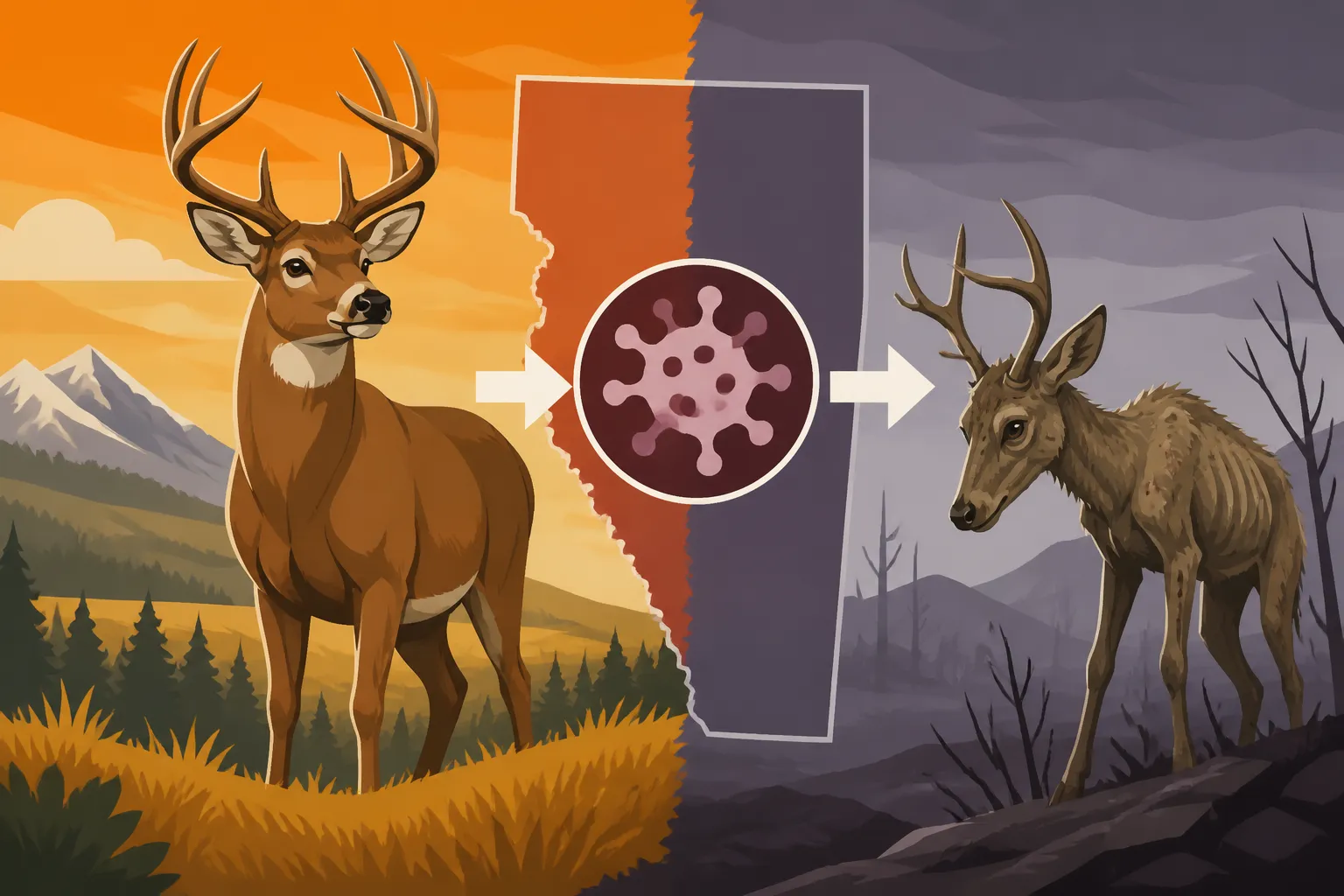
When CWD finally manifests, the symptoms are heartbreaking to witness. Initially, you might notice subtle behavioral changes – a deer acting a bit lethargic, perhaps less wary of humans than usual. As the disease progresses, the deer will start to lose weight dramatically, leading to severe emaciation, which is where the "wasting" in Chronic Wasting Disease comes from. Their coat might appear rough or dull, and they often carry their head and ears lowered. You'll often see excessive salivation or drooling, and an increased thirst, leading them to drink more often. Neurological signs become more apparent: they might stumble, walk in circles, or stand with a wide stance, indicating a loss of coordination.
This slow, agonizing decline leaves the animal incredibly vulnerable. They become easy targets for predators, fall victim to accidents, or simply succumb to malnutrition and dehydration. For hunters who value the health and vitality of the animals we pursue, seeing a deer in the advanced stages of CWD is a stark reminder of the disease's devastating toll. It's a truly sad end for what was once a majestic creature, and it reinforces the importance of our collective efforts to manage this disease.
Population Level Effects and Herd Health
While CWD is always fatal for the individual animal, its impact on overall deer populations is more nuanced and often plays out over a longer timeline. It's not like a sudden outbreak of a highly virulent disease that causes mass die-offs in a short period. Instead, CWD acts as a chronic, low-grade drain on the herd. In areas with high prevalence, it leads to a gradual decline in population numbers. This happens because infected animals are removed from the breeding population, either directly by the disease or indirectly through increased predation or other factors. Furthermore, infected does may have reduced reproductive success, further impacting herd growth.
The persistent presence of CWD can also skew the age structure of a herd, reducing the number of older, more mature animals. These older animals are often the most successful breeders and the most attractive to hunters, so their decline has a ripple effect on both the ecological balance and the hunting experience. Wildlife managers are constantly monitoring Alberta's Deer Herd Trend Over Ten Years to understand these long-term shifts, but it’s a difficult puzzle. The fear is that if CWD prevalence continues to rise unchecked in certain regions, it could fundamentally alter the health and viability of our deer populations, impacting everything from genetic diversity to overall numbers.
The Ethical Dilemma for Hunters
The discovery of CWD in a region presents a unique ethical challenge for hunters. We are, by our nature, conservationists who deeply respect the game we pursue. The idea of harvesting an animal that is clearly sick, or worse, unknowingly taking an animal that is infected but not yet showing symptoms, raises legitimate concerns. Hunters often wonder: "If I shoot a deer, how do I know it's healthy?" This question is at the heart of the hunter's ethical dilemma. The primary concern is, of course, public health, though there’s currently no scientific evidence that CWD can spread to humans. However, public health agencies universally advise against consuming meat from CWD-positive animals.
Beyond the public health aspect, there's the ethical responsibility to our wildlife. By participating in testing, adhering to carcass disposal guidelines, and staying informed, hunters become a critical line of defense. The decision to hunt in an affected area, or what to do if you suspect an animal is sick, becomes more complex. It requires a commitment to responsible hunting practices, leaning into the science, and understanding that our actions directly contribute to the health of the broader herd. It means sometimes making tough choices for the long-term benefit of the wildlife we cherish. For many, this is where resources like GoHunt become invaluable for staying current on the latest information and regional specificities.
Alberta's Response and Hunter's Role
Alberta has been proactive in addressing CWD, recognizing the long-term threat it poses to our wildlife. Hunters are not just observers in this fight; we are crucial partners in monitoring and mitigating its spread.
Mandatory CWD Submission Zones
To effectively track and understand the spread of CWD, Alberta Fish and Wildlife has designated certain Wildlife Management Units (WMUs) as mandatory CWD submission zones. If you harvest a deer, moose, or elk in one of these areas during specific seasons, you are required by law to submit the head for testing. This isn't just a bureaucratic hurdle; it's a critical surveillance tool. By collecting a large sample of heads from these high-risk or affected areas, wildlife biologists can determine the prevalence of the disease, track its geographical spread, and identify trends over time. This data is invaluable for shaping management strategies and allocating resources where they are most needed.
Hunters need to be fully aware of Alberta's Mandatory CWD Submission WMUs before heading out. Ignorance of the rules is no excuse. Usually, there are specific instructions for removing the head and placing it in designated freezers located throughout the province. These freezers are typically well-marked and accessible, making the submission process as straightforward as possible for hunters. It's a small inconvenience for a huge collective benefit, ensuring that we all contribute to a clearer picture of CWD's footprint in Alberta. Knowing Which WMUs Require a Deer Head Submission is a fundamental responsibility for anyone hunting these animals.
Hunter Sampling and What it Means for You
Beyond the mandatory zones, voluntary CWD testing is highly encouraged, especially for deer harvested in areas adjacent to known CWD zones or any time you have concerns. This voluntary sampling expands the surveillance network and helps identify new areas of concern before the disease becomes widespread. The process for voluntary submission is similar: properly remove the head and drop it off at a designated CWD freezer location. It’s always a good idea to check the specific requirements for head preparation, but generally, the brainstem and lymph nodes are the key tissues needed for testing. You can find detailed information and freezer locations on the provincial wildlife website or through helpful platforms like GoHunt, which often compile this information for easy access.
Once you submit a head, you'll typically receive a tracking number. It’s important to remember that CWD testing isn't instantaneous. The samples need to be processed in a lab, which can take some time, particularly during peak hunting season. Understanding How Long CWD Results Take is important because until you receive a negative result, the recommendation is to hold off on consuming the meat. If your animal tests positive, you will be contacted directly, and there are clear guidelines on What Alberta Does With a Positive CWD Result and how to handle the carcass responsibly. This system ensures that hunters can make informed decisions about their harvest and contribute to overall disease management.
Safe Carcass Handling and Disposal
One of the most effective ways hunters can help prevent the further spread of CWD is through proper carcass handling and disposal. As prions can persist in the environment, simply leaving infected parts in the field, particularly high-risk tissues, can contaminate the area for years to come. The recommended practice is to debone your animal in the field, leaving the spinal column, brain, skull, and any other high-risk tissues at the kill site, especially if you’re in a CWD-positive area. This prevents the spread of these infectious materials to new locations. If you must transport the entire carcass, it’s critical to understand the rules around Moving a Carcass Out of a CWD Zone.
When disposing of high-risk parts, the safest method is to bag them securely and dispose of them in a lined landfill that incinerates waste, or specifically accepts game animal waste. Some regions might have designated drop-off points for these tissues. The key is to avoid spreading potentially infected material to new areas, especially places where other deer might congregate. This diligent approach might seem like an extra step, but it's a vital part of being a responsible hunter and helps protect the health of future deer populations. Every hunter’s participation in these practices makes a difference.
Looking to the Future: Management and Research
The fight against CWD is ongoing, and it requires a multi-faceted approach involving wildlife agencies, researchers, and, crucially, hunters. The future of Alberta's deer populations in the face of CWD depends on our collective actions and willingness to adapt.
Strategies to Mitigate CWD Spread
Wildlife management agencies in Alberta are constantly evaluating and implementing strategies to mitigate CWD spread. These efforts often involve a combination of surveillance (through hunter submissions), public education, and, in some cases, targeted removal of animals in areas with high CWD prevalence. While controversial, culling efforts in specific, contained outbreaks aim to reduce deer densities and thereby slow down transmission rates. Researchers are also exploring various options, from developing more rapid field tests to understanding the genetic susceptibility of deer to CWD. The goal is to find effective, long-term solutions that protect our cervid herds.
It’s a complex dance between science, public acceptance, and practical implementation. There’s no silver bullet for CWD; it’s a marathon, not a sprint. This requires ongoing collaboration between the provincial government, organizations like the Alberta Conservation Association, and the hunting community. We need to stay informed about changes in regulations and contribute our observations from the field. It also means recognizing that some of these strategies, while difficult, are necessary steps in protecting our wildlife heritage for generations to come.
The Importance of Hunter Participation and Education
Hunters are undeniably on the front lines of CWD detection and management. We are out in the field, observing deer behavior, and often the first to notice anything unusual. Your active participation in CWD surveillance, whether through mandatory submissions or voluntary testing, provides invaluable data that would be impossible for wildlife agencies to collect alone. Beyond testing, simply being aware of the symptoms of CWD and reporting any visibly sick animals to Fish and Wildlife is a critical contribution. Think of yourself as an extra set of eyes and ears for wildlife health.
Staying educated is also paramount. Understanding the latest CWD updates, changes in regulations, and best practices for carcass handling ensures you're a responsible and informed participant. Resources like GoHunt often provide easy-to-digest summaries of these complex issues, complementing the official government publications. Taking courses like the Alberta Hunter Education and Conservation Course also reinforces many of these principles. By actively engaging with CWD information and participating in detection efforts, hunters embody the true spirit of conservation, becoming essential partners in the long-term health of Alberta's wildlife.
Adapting Hunting Practices in Affected Areas
The presence of CWD might necessitate some adjustments to our hunting practices, especially in areas with known prevalence. For instance, some hunters might choose to focus their efforts on younger animals, which are statistically less likely to have had the disease long enough to develop a high prion load. Others might prioritize hunting in areas where CWD prevalence is lower, if that information is available. It’s also crucial to really scout your areas and be extra vigilant for any signs of disease in the deer you’re observing.
This adaptation isn't about giving up on hunting; it's about hunting smarter and more responsibly in a changing landscape. It involves a commitment to thorough field dressing, careful consideration of where you take your harvest, and meticulous attention to all provincial regulations. While it might add an extra layer of thought to your hunt, these adaptations are ultimately about ensuring the health of the herd and the sustainability of our hunting traditions. Being flexible and informed is key to continuing to enjoy the rich hunting opportunities that Alberta offers, even in the face of ongoing challenges like CWD.
CWD Symptoms: Recognizing the Signs
Here's a quick reference to help distinguish a potentially CWD-infected deer from a healthy one. Remember, CWD symptoms are often subtle in early stages and can mimic other diseases. When in doubt, always report to Fish and Wildlife.
| Symptom Category | Healthy Deer | Potentially CWD-Infected Deer |
|---|---|---|
| Appearance | Alert, bright eyes, full body condition, sleek coat | Emaciated (severely thin), dull/rough coat, head and ears often lowered, vacant stare |
| Behavior | Alert, wary, moves purposefully, grazes normally, interacts with herd | Lethargic, listless, unusually tame, stands apart from herd, reduced coordination (stumbling, wide stance) |
| Eating/Drinking | Normal grazing, no excessive drooling | Excessive salivation/drooling, increased thirst (frequent drinking), difficulty swallowing, poor appetite despite increased thirst |
| Neurological | Coordinated movement, responsive | Repetitive walking patterns, head tremors, poor balance, uncoordinated movements |
| Overall Health | Robust, active, strong flight response | Progressively weaker, vulnerable to predators/accidents, eventual death |
Disclaimer
This article is for general informational purposes only and does not constitute professional advice. Laws, prices and regulations vary by location and change over time. Consult a qualified professional for guidance on your specific situation.