When Bears Come Out of the Den
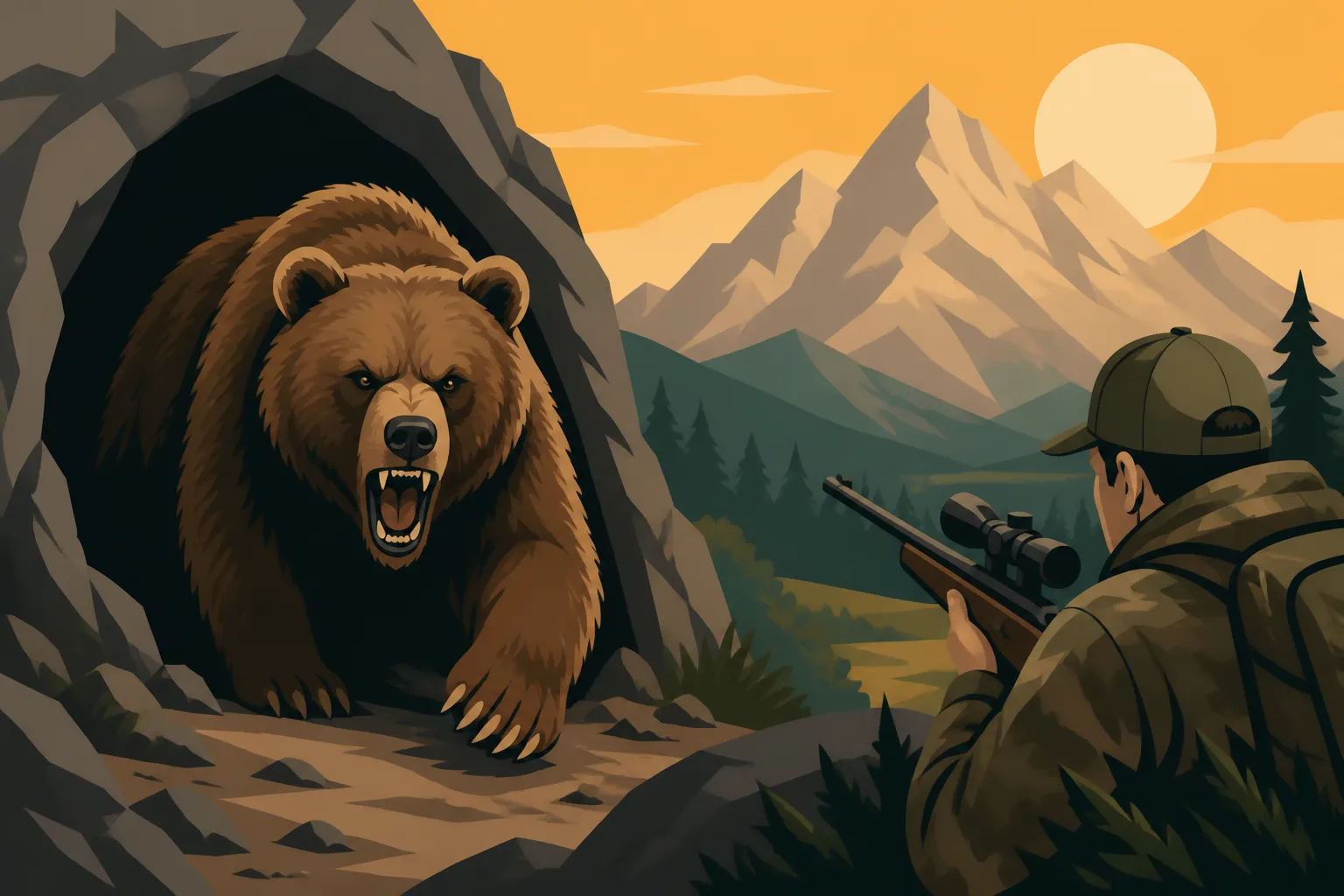
For many of us, the end of winter triggers an undeniable itch—the longing for spring and the start of bear season. But when exactly do those big Alberta bruins finally emerge from their long winter's nap? It's a question that can gnaw at a hunter, because while the calendar gives us season dates, the bears themselves are on their own schedule, a schedule dictated by nature, not a regulation book. This guide is all about demystifying that crucial time, helping you understand when and why bears leave their dens, and what to look for when they do.
The Great Awakening: Understanding Spring Emergence Timelines
It's a common spring dilemma for any hunter in Alberta: you’ve bought your tag, checked the Alberta Spring Bear Season Dates for your WMU, and yet the woods still feel stubbornly quiet. The truth is, there's no single "wake-up call" for every bear across our vast province. Den emergence is a gradual process, influenced by a complex ballet of environmental cues and individual bear biology. Expecting every bear to pop out on a specific calendar day is setting yourself up for disappointment; it's far more nuanced than that.
General Timeline in Alberta
Generally speaking, you can anticipate Alberta's black bears starting to stir and emerge from their dens anywhere from mid-April through late May. However, this is a broad window, and the exact timing can vary significantly. In the southern foothills and parkland regions, where spring arrives a bit earlier and snow melts faster, you might see bears out and about by the third week of April. As you move further north into the dense boreal forest or higher into the mountains, spring clings on longer, pushing den emergence into early or even mid-May.
Think of it like a ripple effect. The earliest, warmest areas green up first, offering the initial bursts of new forage that lure bears out. Then, that wave of emergence slowly creeps north and into higher elevations. Experienced hunters know to pay close attention to local conditions rather than just the calendar, because a mild winter followed by an early, warm spring can pull bears out weeks ahead of what a typical year might suggest. Conversely, a prolonged cold snap or heavy late-season snow can keep them tucked away much longer.
The First Few Weeks Post-Emergence
When bears first emerge from their dens, they're not exactly bursting with energy, ready to chase down a deer. Their bodies have been in a state of torpor for months, and they've lost a significant amount of weight. Their initial movements are often tentative, and they tend to stick close to their dens for the first few days, sometimes even retreating back inside if a sudden cold snap hits. This initial period is critical for them to re-acclimate to the outside world and start searching for easily digestible food.
Their focus during these first weeks is primarily on regaining strength and finding that essential first green browse. They'll be moving slowly, often on south-facing slopes where the snow has melted earliest and the first shoots of grass and forbs are pushing through the thawed ground. You'll rarely find them far from cover or too deep in areas that haven't shown significant green-up. Their metabolism is still relatively slow, and their systems are adjusting to processing food again. This means they're prioritizing nutrient-rich, easy-to-digest forage over high-energy pursuits.
Factors Influencing Den Emergence
Predicting the exact moment a bear will emerge is a bit like predicting the lottery—you can make an educated guess, but there are always variables. For black bears in Alberta, these variables are primarily weather patterns, the availability of food, and their own individual biological needs. Ignoring these factors means you're leaving a lot to chance when planning your early season hunts.
Weather Patterns and Snowmelt
The most significant driver of den emergence is undoubtedly the weather. A prolonged cold winter with heavy snowfall means bears often stay in their dens longer, simply because the outside world isn't yet hospitable. Deep snow not only covers potential food sources but also makes travel difficult and expends valuable energy. Conversely, a mild winter with less snow and an early spring warm-up can see bears emerging ahead of schedule.
As temperatures rise consistently above freezing, snow begins to melt, first on those sun-drenched, south-facing slopes and open areas. This rapid snowmelt is crucial. It uncovers last year's leftover berries and mast, and, more importantly, it allows the new spring growth to begin. Bears are highly attuned to these changes. They're not just waiting for the snow to melt; they're waiting for the green-up to begin, which is directly tied to snowmelt and ground temperature. A late April blizzard can send many bears back into a semi-denning state for a few more days or even a week, showcasing just how responsive they are to immediate conditions. When you're Hunting Alberta Winter Weather Safely you get a sense of how resilient these animals are, but even they have their limits for comfort.
Food Availability: The Crucial Link to Green-Up
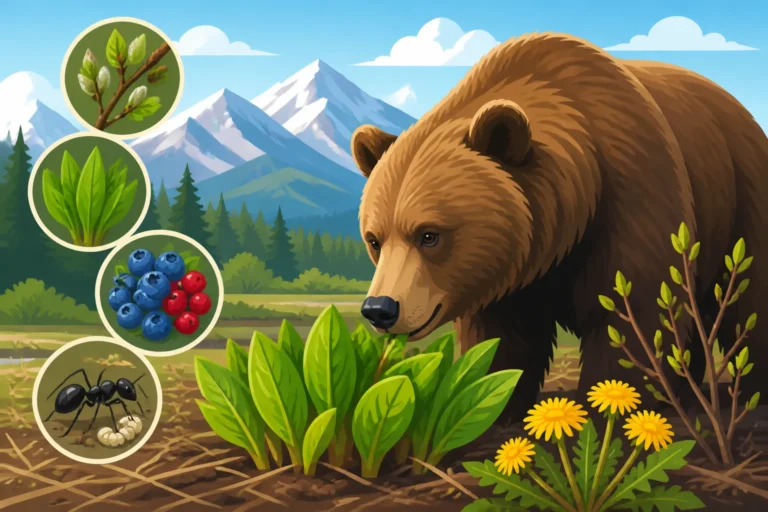
Once out of the den, a bear's number one priority is food. After months of fasting, their stomachs are empty, and their energy reserves are low. This makes the timing of the spring "green-up" absolutely critical. Bears aren't typically carnivores in the early spring; they're looking for that first flush of vegetation—tender grasses, sedges, dandelions, and emerging clover. These early greens, though not high in calories, are rich in water and essential nutrients, helping to kickstart their digestive systems.
South-facing slopes, logged areas (especially those a year or two post-cut where new growth is prolific), and clearings often green up first. These are the prime locations where you'll find bears browsing in the immediate aftermath of denning. As the season progresses, and more varied food sources become available, their diet will diversify to include insects, grubs, and eventually, if opportunities arise, carrion or even young-of-the-year ungulates. Understanding What Bears Eat in Spring is key to knowing where to focus your efforts. This hunger-driven movement is what makes early season scouting so effective.
Bear Demographics: Boars, Sows, and Cubs
Not all bears emerge at the same time, and this is an important distinction for hunters to grasp. Generally, mature boars (male bears) are the first to emerge from their dens. They've got no family responsibilities, are often in better physical condition coming out of winter, and are driven by the urge to establish territories and potentially seek out sows for breeding. Their movements are typically more widespread and less cautious immediately after emergence.
Sows with cubs, on the other hand, are usually the last to emerge. Their primary concern is the safety and well-being of their vulnerable offspring. They'll often wait for warmer, more stable weather, and a more abundant food supply, before bringing their cubs out. When they do emerge, their movements are much more deliberate, staying closer to dense cover and avoiding open areas. Yearling bears, or those that didn't breed the previous year, usually fall somewhere in between, emerging after the dominant boars but before the family units. Always be extremely cautious and vigilant for cubs if you're out hunting, and know how to recognize Judging a Boar From a Sow With Cubs.
Early Season Scouting and Strategy
So, you know the general timelines and what influences a bear’s decision to leave the den. Now, how do you translate that knowledge into actually finding bears in Alberta's diverse landscape? Early season scouting isn't just about throwing on your boots and wandering; it's about being strategic and understanding what newly emerged bears are looking for.
Finding Prime Post-Denning Habitat
The key to early season success lies in focusing on areas that offer the earliest and most accessible food sources. As mentioned, south-facing slopes are gold. These sun-drenched aspects shed snow first and warm up quickest, leading to the earliest green-up. Look for these areas within larger forested blocks, often near the edges of clearings or along old logging roads.
River valleys and creek bottoms can also be excellent choices. The moist soil along waterways often fosters early vegetation growth, and these corridors naturally draw wildlife. Old cutblocks, especially those that are one or two years old, become vibrant feeding grounds. The disturbed soil and increased sunlight encourage a flush of new growth, providing a smorgasbord for hungry bears. Understanding how to hunt these areas, like Spring Bear Hunting Alberta's Cutblocks, can really improve your odds. Sometimes a well-placed bait site, as detailed in Setting a Bear Bait Site in Alberta, can also be effective once bears are consistently out and moving.
Scouting for Sign
Once you're in promising habitat, it's time to become a detective. Bears leave plenty of clues if you know what to look for. The most obvious sign is tracks. In the soft mud of thawed trails or near meltwater, you'll often find fresh bear tracks. Pay attention to their size and the direction of travel. Scat is another key indicator; look for piles of dark, mushy droppings, especially those containing undigested plant matter, which confirms they've been feeding on early spring greens.
Rub trees, often conifer trees, where bears scratch their backs and leave hair, can indicate a frequented area. Disturbed ground, where bears have been digging for roots or grubs, is another clear sign of activity. Even overturned rocks or torn-apart rotten logs can point to a bear's recent meal. Using mapping tools can significantly aid your scouting efforts. A platform like GoHunt, for example, allows you to identify south-facing slopes and old cutlines from satellite imagery, giving you a head start before you even hit the dirt. These tools are invaluable for narrowing down your search area, especially in vast regions covered in Black Bears in Alberta's Forests and Foothills.
Using Technology for Early Season Success
In today's hunting world, technology isn't just a convenience; it's a powerful scouting tool, especially when trying to pinpoint early season bear movements. Mobile mapping applications are an absolute game-changer. Using a service like GoHunt, you can analyze topographical maps to identify those crucial south-facing slopes, areas with denser cover, and proximity to water sources. These apps often allow you to overlay different land types, like old logging roads or clearcuts, which are prime bear habitat in spring.
Beyond just identifying terrain features, you can use satellite imagery to track the green-up process. While not real-time, comparing images from previous springs can give you a historical understanding of which areas tend to green up first in a given WMU. This kind of predictive analysis, combined with current weather patterns, allows you to make incredibly informed decisions about where to spend your valuable hunting time. For instance, if you're looking at Hunting an Old Logging Road in the Foothills, GoHunt can show you where those roads intersect with south-facing slopes that might hold early vegetation. Scouting With Satellite Imagery in Alberta is truly one of the most effective modern tools a hunter has.
Safety and Preparation for Spring Bear Hunts
Spring bear hunting, especially right after den emergence, comes with its own unique set of considerations. Bears are wild animals, and their behavior can be unpredictable. Proper preparation and a strong emphasis on safety are paramount to having a successful and, most importantly, safe experience in Alberta's bear country.
Understanding Bear Behavior
When bears first emerge, they are primarily driven by hunger, but they can also be cautious and somewhat wary. They're trying to conserve energy while searching for food. However, as the rut approaches later in the spring, typically from late May through June, boars become much more mobile and focused on breeding. This is when they might cover vast distances, increasing the chances of unexpected encounters. Always assume a bear is alert and capable of incredible speed and power.
It's also crucial to be aware of the presence of cubs. Sows with cubs are often more defensive, and you should never approach or pursue a bear if you suspect or see cubs. Understand the basic differences between a Colour Phase Black Bears in Alberta and a grizzly, and always carry bear spray, knowing how to use it effectively. A black bear, even a large one like What a Big Black Bear Weighs, will generally avoid conflict, but a surprise encounter or a sow protecting her young can quickly turn dangerous.
Essential Gear for Spring Hunts
Spring weather in Alberta is notoriously fickle. You can have brilliant sunshine and warm temperatures one day, followed by snow and freezing rain the next. Layering is not just recommended; it's essential. Start with a moisture-wicking base layer, add insulating mid-layers like fleece or down, and top it off with a waterproof and windproof outer shell. Good quality, waterproof boots are also non-negotiable, as you'll likely be traversing wet, muddy, or snowy terrain.
Optics are your best friend in the early season. High-quality binoculars and a spotting scope will allow you to glass those open slopes and clearings from a distance, minimizing disturbance and increasing your chances of spotting a bear before it spots you. A reliable rangefinder is also crucial for ethical shot placement. Don't forget your bear spray, a first-aid kit, a headlamp, and navigation tools (like your GoHunt app loaded on your phone with downloaded maps, plus a physical map and compass as a backup).
Post-Harvest Considerations in Variable Spring Temperatures
You’ve put in the hard work, found your bear, and made a clean shot. Now, the real work begins, and in spring, temperatures can be your biggest challenge. A warm sunny day can quickly spoil meat if not handled properly and promptly. The general rule is to get the hide off, gut the animal, and cool the meat as quickly as possible. This means having a plan for processing in the field.
Carry sufficient game bags to protect the meat from dirt and insects. If temperatures are warm, even a quick trip back to the truck might not be enough. Consider bringing a cooler with ice to get the quarters cooled down immediately. If you're backpacking, you might need to find a shady, cool spot to hang the meat overnight if a sudden heatwave hits. Being prepared for varying temperatures, as you would when Meat Care in Alberta's Cold and Warm Swings, ensures your hard-earned harvest doesn't go to waste. Always ensure you understand the tag attachment and reporting rules for Alberta Hunting Licences and What They Cost.
Conclusion
Understanding when bears come out of the den in Alberta is less about a fixed date and more about observing and interpreting the signs that nature provides. It’s a dynamic process, heavily influenced by the capriciousness of spring weather, the first flush of green vegetation, and the individual biology of each bear. By paying attention to these cues, focusing your scouting efforts on prime early season habitat, and being prepared for anything Alberta’s spring weather can throw at you, you'll significantly increase your chances of a successful and rewarding bear hunt. Patience, keen observation, and proper preparation are your best allies when the bears finally decide it’s time to shake off winter's slumber.
| Factor | Impact on Bear Emergence Timing | Typical Timing Implications |
|---|---|---|
| Spring Warmth/Snowmelt | Faster melt leads to earlier emergence; lingering snow delays it. | Early April (South/West) to Mid-May (North/High Elevation) for initial emergence |
| Green-Up Progression | Bears follow the earliest vegetation growth. | South-facing slopes & river bottoms first, then general forest understory |
| Bear Sex/Age | Mature boars emerge first, then younger bears, then sows with cubs. | Boars: Mid-April to Early May; Sows with cubs: Late April to Mid-May |
| Overall Winter Severity | Harsh, long winters delay emergence; mild winters expedite it. | Year-to-year variation can shift timelines by 1-2 weeks in either direction |
Disclaimer
This article is for general informational purposes only and does not constitute professional advice. Laws, prices and regulations vary by location and change over time. Consult a qualified professional for guidance on your specific situation.