Why Bear Numbers Are High in the Boreal
If you've spent any time exploring Alberta's vast wilderness, particularly in the northern reaches, you've probably noticed that talk of black bears seems to be a constant companion, whether you're a seasoned hunter or just an outdoor enthusiast. It's not just folklore; there's a very real and compelling ecological reason why bear numbers appear so robust in Alberta's sprawling boreal forest. This guide will delve into the intricate relationship between the boreal ecosystem and its black bear residents, explaining why this region is such a haven for these incredible animals, and what that means for anyone venturing into their domain.
Understanding Alberta's Boreal Forest Ecosystem
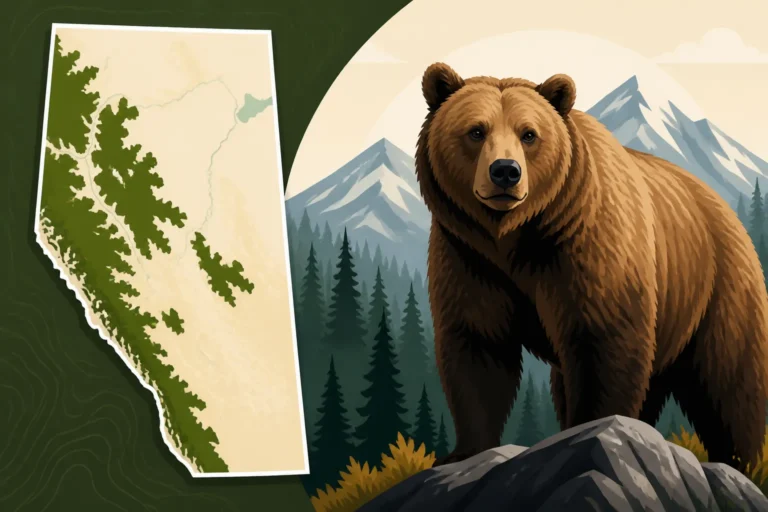
The boreal forest in Alberta isn't just a collection of trees; it's a dynamic, interconnected ecosystem, a vast blanket of greens and browns that stretches across the northern part of the province. This immense landscape provides everything a black bear could ever want or need to thrive, from endless cover to an incredible diversity of food sources. When you consider the sheer scale and biological richness of this area, it starts to become clear why Black Bears in Alberta's Forests and Foothills are so successful here.
The Landscape and Its Abundance
Imagine a mosaic of dense spruce and pine stands, interspersed with trembling aspen and balsam poplar groves. Picture wetlands, bogs, and meandering rivers carving their paths through the wilderness. This isn't just pretty scenery; it's prime bear real estate. The diverse tree species provide not only shelter but also a direct source of food, like the tender inner bark of certain trees, especially during leaner times. More importantly, this varied terrain creates microclimates and successional stages that support a huge variety of understory plants and insect life. From thick bush that offers perfect denning sites and escape cover, to open areas along rivers and lakeshores, the boreal forest provides an unbroken habitat for bears to roam, forage, and raise their young without constant human disturbance. It's a wilderness that can swallow you whole, and bears love it for that very reason.
Food Sources Galore
Black bears are opportunistic omnivores, meaning they'll eat just about anything they can get their paws on, and the boreal forest is a veritable buffet. Their diet shifts dramatically with the seasons, but the boreal consistently delivers. In spring, when bears emerge from their dens, they're often seeking out fresh green growth like sedges, grasses, and newly sprouted forbs that are rich in protein and easily digestible. As summer progresses, berries become the primary caloric powerhouse. Think saskatoons, raspberries, blueberries, cranberries, and chokecherries – they grow in profusion in clearings, along edges, and throughout the understory. These high-energy fruits are crucial for bears to put on the fat reserves they'll need for hibernation. Beyond plants, the forest teems with insects; ant hills are like protein shakes, and overturned logs can yield a treasure trove of grubs. Even small mammals and carrion are on the menu, ensuring that bears can find sustenance throughout their active months. This reliable and varied food supply is a cornerstone of why What Bears Eat in Spring and throughout the year allows them to maintain healthy populations.
Factors Contributing to High Bear Densities
It’s one thing to have a suitable habitat and food, but to truly understand high bear numbers, we need to look at the factors that allow them to not just survive but to thrive and reproduce effectively. The vastness of the boreal, combined with its relative isolation from high human population centers, plays a significant role in this success story.
Habitat Connectivity and Low Human Pressure
One of the most critical elements in maintaining robust bear populations in the boreal is the sheer expanse of uninterrupted habitat. Unlike fragmented landscapes closer to agricultural zones or urban areas, the boreal offers vast tracts of contiguous forest. This allows bears to move freely, establishing large home ranges and accessing diverse foraging grounds without constantly encountering human infrastructure like busy roads or dense housing developments. Such connectivity is vital for genetic diversity and reduces stress on individual animals. Furthermore, large sections of Alberta's boreal are simply less populated by humans. While logging, oil and gas, and recreational activities certainly occur, the overall human footprint per square kilometer is significantly lower than in the White Area (settled regions). This translates to less direct human-bear conflict, fewer road mortalities, and generally lower pressure on bear populations, allowing them to go about their lives relatively undisturbed, which is a huge advantage for any wild species.
Reproduction and Survival Rates
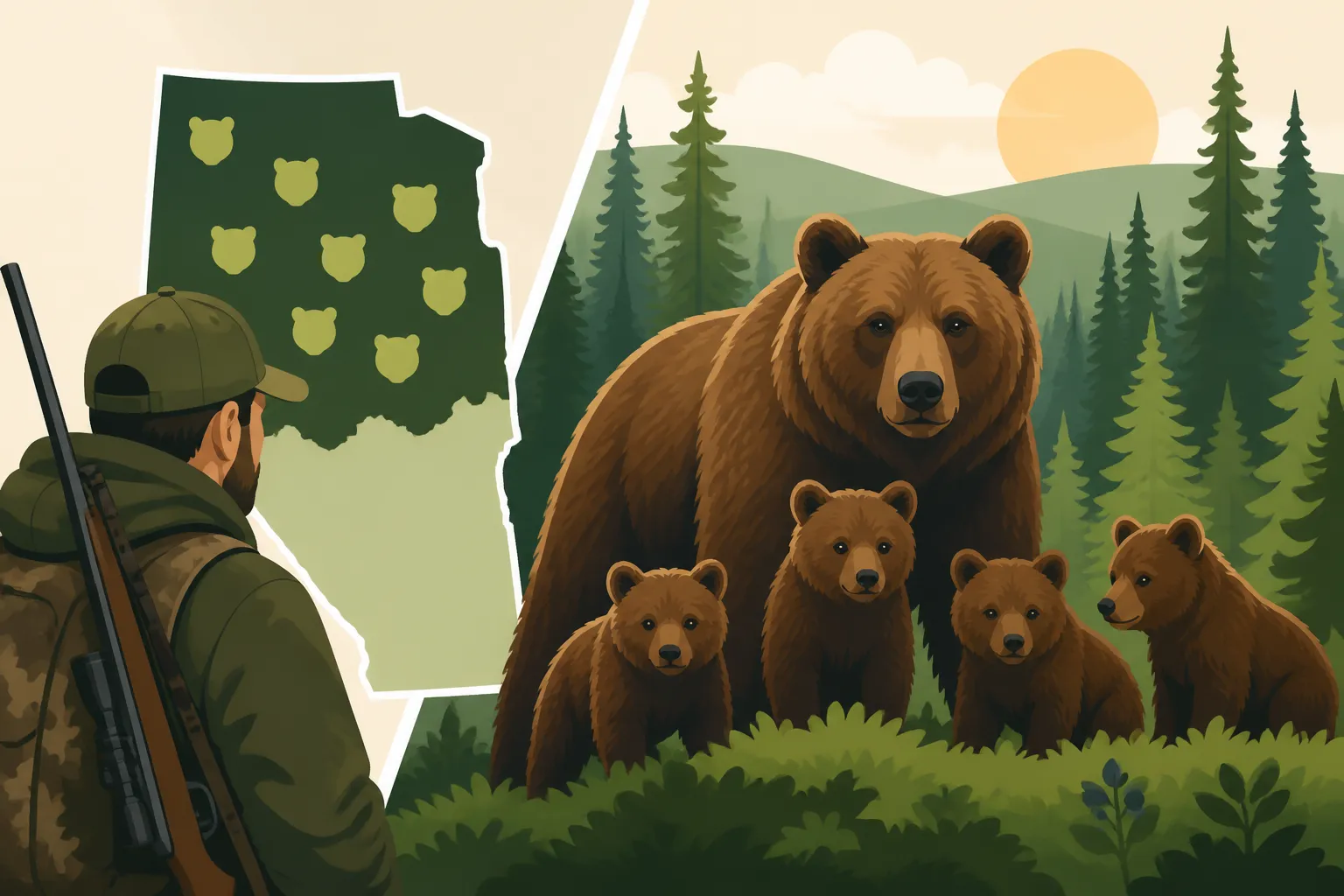
When bears have ample food and minimal stress, their reproductive success skyrockets. Female black bears in healthy boreal environments tend to reach reproductive maturity earlier, have larger litter sizes, and reproduce more frequently. A well-fed sow is a healthy sow, and healthy sows produce more cubs. Once born, these cubs have a higher chance of survival due to the abundant food resources and the extensive cover available to protect them from predators or other environmental threats. With fewer human-caused mortalities, a greater proportion of these cubs survive to adulthood, contributing to a self-sustaining and growing population. The cycle of abundance truly fosters an environment where bears can raise their young with a high degree of success. Understanding Alberta's Black Bear Numbers by Region clearly shows this correlation between prime habitat and population density.
The Role of Human Activity and Management
It might seem counterintuitive, but even human activities, when managed responsibly, contribute to the unique dynamic of bear populations in the boreal. While we certainly impact the landscape, the combination of specific hunting regulations and the nature of industrial development creates a complex interplay that can sometimes benefit bears in unexpected ways.
Hunting Regulations and Bear Management Zones
Alberta has a well-established system for managing black bear populations, which includes specific hunting regulations designed to ensure sustainable numbers. The province's hunting seasons for black bears are structured to allow for harvest while protecting reproductive females. Hunters seeking to pursue a bear in the spring or fall must adhere to specific bag limits and other regulations, which are meticulously outlined in the Alberta Hunting Regulations. These regulations are not arbitrary; they're based on scientific data and population assessments. The intent is to manage the population, not to decimate it. In fact, regulated hunting can sometimes help in dispersing bear populations, reducing density in certain areas, and thus potentially minimizing human-bear conflicts in other more accessible zones. For those interested in participating, understanding Setting a Bear Bait Site in Alberta and other legal methods is crucial. Many hunters utilize mapping platforms like GoHunt to scout and understand the specific management unit regulations and terrain before venturing out, helping them adhere to these rules responsibly.
Industrial Footprint and Bear Movement
It's easy to view industrial development, like logging or oil and gas exploration, as purely negative for wildlife. And in many cases, there are undeniable challenges. However, in the boreal, the impact is often more nuanced, and sometimes, surprisingly, creates conditions that bears can exploit. For example, forestry operations create clear-cuts, which, after a few years, become dense with berry-producing shrubs and young aspen – prime bear food. These areas essentially become vast feeding grounds, concentrating bears during certain seasons. Similarly, seismic lines and pipeline rights-of-way, while linear disturbances, create open corridors that bears use for travel. They act like highways through dense bush, making it easier for bears to move between different foraging areas, access new food sources, and find suitable denning sites. While the long-term ecological consequences of extensive linear developments are complex, in the short to medium term, bears often adapt and even benefit from these altered landscapes by using them to their advantage, as anyone who has been Hunting a Pipeline Right-of-Way can attest. Using aerial imagery and tools from GoHunt can help hunters identify these features and understand how bears might be using them.
Implications for Hunters and Wildlife Enthusiasts
The high density of black bears in Alberta's boreal forest presents both exciting opportunities and critical responsibilities for anyone spending time in their domain. Whether you're planning a hunt or simply enjoying the wilderness, being prepared and knowledgeable is paramount.
Increased Opportunities and Challenges
For hunters, these healthy bear populations mean more opportunities to pursue black bears, whether through traditional spot-and-stalk methods or by establishing bait sites. The potential for encountering bears is simply higher, which is a major draw for many. However, this also means increased challenges. Successfully hunting black bears requires a deep understanding of their behaviour, habitat preferences, and seasonal movements. It's not just about seeing a bear, but seeing the right bear and making an ethical harvest. This demands extensive scouting, patience, and often, considerable physical effort to navigate the thick boreal terrain. Hunters might also face the challenge of dealing with multiple bears in an area, necessitating careful observation to identify the target animal and ensure a safe shot. Many use GoHunt to study topographical maps and identify optimal travel corridors and feeding areas, improving their chances of a successful and ethical hunt.
Safety and Ethical Considerations
With a high number of bears, safety becomes an even more critical concern for everyone. Whether you're hunting, camping, hiking, or just working in the boreal, understanding Wildlife Safety in Alberta Bear Country is non-negotiable. This includes proper food storage, carrying bear spray and knowing how to use it, making noise on trails, and being constantly aware of your surroundings. Hunters also carry the additional responsibility of ethical hunting practices. This means knowing legal shooting hours, positive identification of your target, clean kills, and efficient meat retrieval. The presence of numerous bears also requires careful consideration of potential interactions with other wildlife and human users. Adhering to regulations, respecting wildlife, and leaving no trace are fundamental principles that ensure a positive experience for all and contribute to the continued health of this remarkable ecosystem. When you're out there, remember you're a visitor in their home, and acting accordingly ensures both your safety and their well-being.
| Season | Typical Boreal Bear Diet | Location Preference | Importance to Bear |
|---|---|---|---|
| Spring | Fresh green vegetation (grasses, sedges, forbs), roots, emerging insects, carrion (if available) | South-facing slopes, open clearings, river banks, burned areas (for new growth) | Replenishing nutrients after hibernation, regaining strength |
| Early Summer | Roots, grubs, ants, dandelions, early berries (saskatoons, raspberries) | Logged areas, forest edges, wetlands, understory of aspen stands | Building initial fat reserves, protein intake |
| Late Summer | Abundant berries (blueberries, cranberries, chokecherries), hazelnuts, rosehips, insects, small mammals | Clear-cuts, regenerating forest, wetlands, riparian areas, dense shrub patches | Critical for maximum fat gain, preparing for hibernation |
| Fall | Any remaining berries, acorns (if available), white spruce cones, ungulate carrion, roots, last-minute insects | Wherever food is still available, often concentrating near productive berry patches or old burns | Final push to build fat reserves for hibernation, often feeding intensely |
Disclaimer
This article is for general informational purposes only and does not constitute professional advice. Laws, prices and regulations vary by location and change over time. Consult a qualified professional for guidance on your specific situation.