Why Sharptail Numbers Rise and Fall
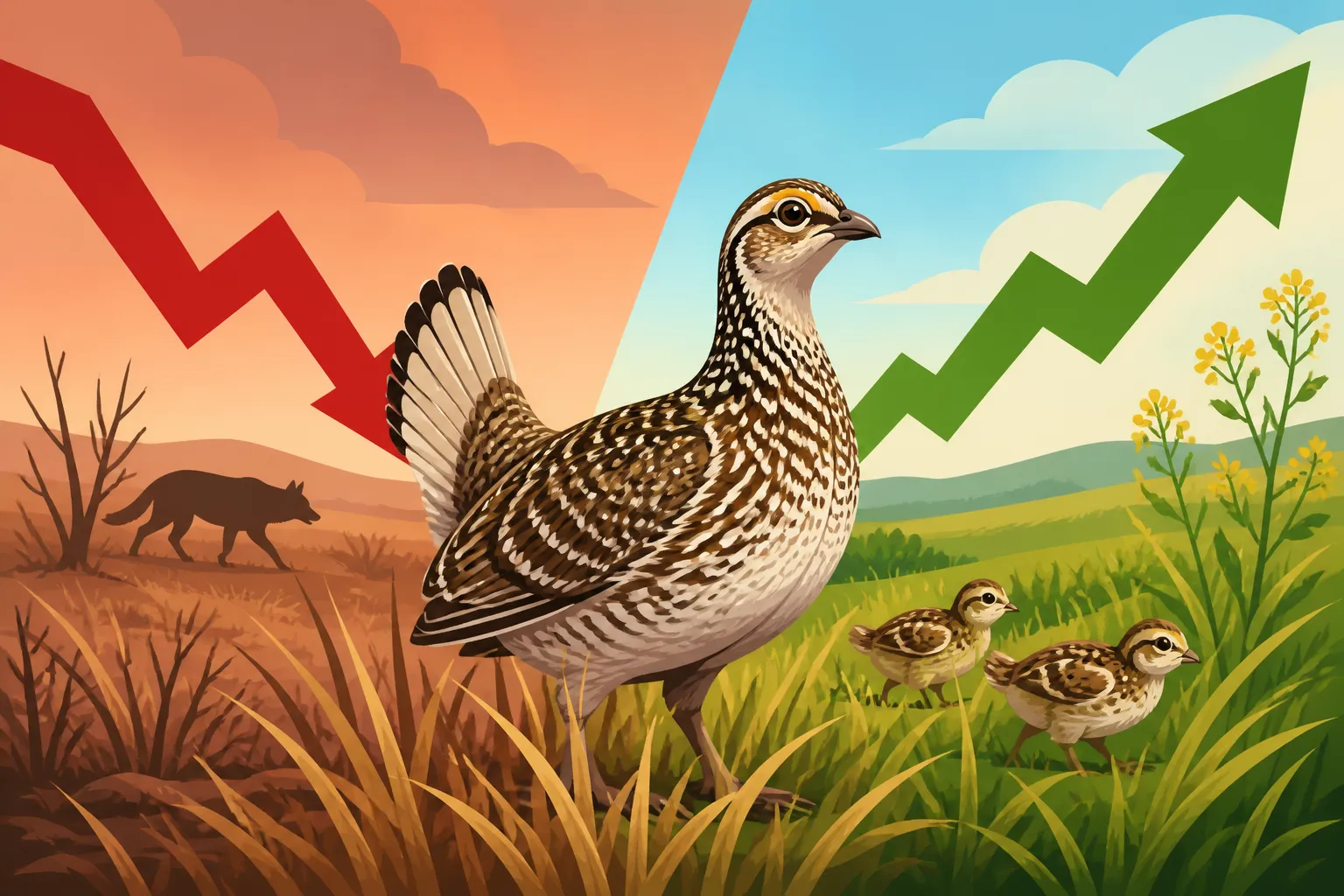
It can be incredibly frustrating to head out to your favourite hunting spot, the one where you've always found sharp-tailed grouse in abundance, only to find the fields eerily quiet. One year you're practically tripping over birds, and the next, it feels like they've vanished into thin air. This boom-and-bust cycle is a common, often perplexing, reality for upland bird hunters in Alberta, and it leaves many of us scratching our heads. This guide will dive deep into the fascinating and complex reasons why sharptail numbers in our province fluctuate so dramatically, giving you a better understanding of what's really happening out on the prairie and in the parkland.
The Intricate World of Sharp-Tailed Grouse Ecology
To truly grasp why sharp-tailed grouse populations ebb and flow, we first need to appreciate the delicate balance of their ecological needs. Sharptails aren't just any bird; they are creatures perfectly adapted to specific environments, and when those environments shift, so too do their numbers. They thrive in a particular mosaic of native grassland, brush, and scattered aspen bluffs, relying on each component for different aspects of their life cycle.
Habitat: The Foundation of Survival
Sharptails are, at their core, grassland birds. They depend heavily on large, unbroken tracts of native prairie and parkland for everything from nesting and brood-rearing to winter cover. Imagine a sprawling patch of mixed grasses, perhaps with some taller forbs, that provides dense cover for hens to lay their eggs safely away from predators. This same cover is also critical for young chicks, offering a buffet of insects and protection from aerial threats as they grow. When we talk about Where Sharp-Tailed Grouse Dance in Spring, we're talking about their lekking grounds—open, slightly elevated spots where males perform elaborate courtship rituals. These leks are often surrounded by quality nesting cover, emphasizing the importance of contiguous habitat.
However, it's not just about the grass. Sharptails also need woody cover, like willow thickets or small aspen stands, especially as winter approaches. These pockets of brush offer crucial thermal protection from biting winds and heavy snow, providing refuge and allowing them to conserve energy. This makes hunting areas that include a Hunting a Native Grassland Pasture or Hunting a Shelterbelt Between Two Fields particularly productive, as these zones offer the necessary mix of cover and food. The fragmentation of these diverse habitat types is one of the most significant long-term threats to stable sharptail populations.
Diet and Reproduction: Fueling the Next Generation
A healthy diet is non-negotiable for sharptail survival and successful reproduction. Their diet changes throughout the year, from protein-rich insects in the spring and summer—essential for growing chicks—to seeds, berries, and buds in the fall and winter. Think of a bumper crop of Saskatoon berries or rose hips; these can be lifesavers for grouse heading into a harsh winter. The availability of these food sources is directly tied to environmental conditions. A dry spring might mean fewer insects, impacting chick survival, while a poor berry crop can spell trouble for overwintering adults.
Reproduction is another sensitive area. Hens typically lay a clutch of 8-15 eggs, and their success rate is heavily influenced by nest predation and weather events. A late spring snowstorm or a prolonged cold snap can decimate early nests, forcing hens to re-nest, which often results in smaller, less viable clutches. This means that even if a hen successfully hatches a brood, the number of chicks that survive to adulthood, often called recruitment, can vary wildly year to year, directly impacting the following season's population.
Major Factors Driving Sharp-Tailed Grouse Population Fluctuations
So, what are the big levers that cause these populations to surge and then seemingly crash? It's rarely one single thing, but rather a complex interplay of environmental conditions, predator dynamics, and disease.
The Impact of Weather Extremes
Alberta's weather is notoriously unpredictable, and these swings play a massive role in sharptail fortunes.
- Droughts: Prolonged dry spells can be devastating. They reduce insect populations, which are vital food for chicks. They also degrade nesting and escape cover, leaving hens and broods more vulnerable to predators. A lack of moisture means fewer berries and seeds, impacting winter survival. When we talk about What Drought Does to Alberta Game, sharptails are often among the first to feel the pinch.
- Harsh Winters: Extremely cold temperatures combined with deep, persistent snow can be lethal. While sharptails are adapted to burrow into snow drifts for warmth, prolonged periods of extreme cold can deplete their energy reserves, especially if food sources are scarce. Heavy snow can also make accessing buds and residual seeds much harder, leading to starvation. Hunting Alberta Winter Weather Safely highlights the challenges for hunters, but imagine the daily struggle for the birds.
- Wet, Cold Springs: As mentioned earlier, a cold, wet spring can be disastrous for nesting hens and vulnerable chicks. Young grouse are highly susceptible to hypothermia, and wet conditions make it harder for them to dry out and regulate their body temperature. This can lead to significant mortality rates among the youngest birds, meaning fewer adults for the next breeding season.
Predation Pressure
Predators are a natural and essential part of the ecosystem, but their numbers can also contribute to the rise and fall of sharptail populations.
- Coyotes and Foxes: These can be major nest predators, especially when habitat cover is sparse due to drought or agricultural practices. They also prey on adult birds, particularly during winter when grouse are concentrated in limited cover. A booming coyote population, perhaps due to a good rodent year, can put extra pressure on grouse. Coyote Hunting Alberta Farm Country is a common practice, and understanding these predator-prey dynamics is key.
- Raptors: Hawks, owls, and eagles are efficient predators of sharptails. While they typically have less impact on overall population cycles compared to ground predators or weather, a high concentration of raptors in an area with poor cover can certainly take its toll on local populations.
Disease and Parasites
Disease outbreaks can sometimes contribute to localized population declines, although they are less commonly cited as a primary driver of province-wide fluctuations compared to weather or habitat loss. Parasites, like certain types of mites, can also weaken birds, making them more susceptible to other stressors. Chronic Wasting Disease (CWD) is a major concern for deer, but other diseases can impact game birds. While less studied for sharptails, outbreaks in other grouse species have shown how quickly populations can be affected.
Human Impact: Habitat Loss and Land Use Changes
Beyond natural factors, human activities have undeniably shaped, and often diminished, sharptail habitat in Alberta. The story of sharptails is, in many ways, a story of evolving land use.
Agricultural Practices
Alberta is a vast agricultural province, and the way we farm has a profound effect on grassland birds.
- Native Grassland Conversion: Historically, the biggest impact has been the conversion of native prairie to cultivated cropland. Monoculture farming, where vast fields are dedicated to a single crop, destroys the diverse mosaic habitat that sharptails need. This leaves fewer places to nest, feed, or hide.
- Intensified Farming: Even where native grasslands remain, practices like heavy grazing or early haying can disturb nests or remove critical cover during the breeding season. Modern farming often leaves less edge habitat or "waste areas" that once provided refugia for wildlife.
- Pesticide Use: While not always a direct killer of adult birds, widespread pesticide use can severely reduce insect populations, starving chicks during their crucial early growth period.
Urban and Industrial Development
As Alberta grows, so does the footprint of urban centres and industrial development (oil and gas, forestry). This development directly fragments and destroys habitat. Roads, pipelines, well sites, and subdivisions all chip away at the continuous tracts of grassland and parkland that sharptails need. This fragmentation creates "edge effects" where predators can more easily access nests, and reduces the overall carrying capacity of the land.
Climate Change and Shifting Habitats
While a broader, long-term factor, climate change is already having an impact. More frequent and intense droughts, changes in precipitation patterns, and shifts in temperature can alter vegetation, impact insect cycles, and potentially push sharptail range northward or into higher elevations. This means that what was once prime sharptail country might become less hospitable over decades, further contributing to population shifts. Understanding these broad trends is part of the work that tools like GoHunt try to help us visualize on a landscape level, identifying areas that might be more resilient to these changes.
Here's a quick look at some of the factors at play:
| Factor | Primary Impact on Sharptail Numbers | Hunter Observation |
|---|---|---|
| Drought | Reduced insect populations (chick food), degraded cover, fewer berries/seeds (winter food). | Sparse vegetation, dry sloughs, fewer insects in the air, birds concentrated near remaining water/green areas. |
| Harsh Winter | Starvation, hypothermia, reduced access to food. | Birds appear thin, seek dense thermal cover, fewer tracks/sign in open areas. |
| Wet/Cold Spring | Nest failure, high chick mortality due to hypothermia/drowning. | Fewer young birds seen in late summer, smaller average brood sizes. |
| Predation | Direct mortality of eggs, chicks, and adults. | Increased predator sign (coyote scat, raptor perches), birds exhibiting more evasive behaviour. |
| Habitat Loss | Reduced nesting/brood-rearing cover, fragmented landscape, limited winter refuge. | Fewer birds in traditional spots, increased distance between bird groups, concentration in remaining good cover. |
| Food Scarcity | Reduced energy reserves, poor breeding condition, increased vulnerability to disease/cold. | Birds are wary, less active feeding, seeking out specific remaining food sources. |
Reading the Signs and Adapting Your Hunt
As hunters, understanding these dynamics isn't just academic; it can directly inform our strategies and expectations for the season. You can't control the weather, but you can certainly become a more informed and adaptable hunter.
Becoming a Local Expert: Observing Your Hunting Grounds
Successful sharptail hunters are often the ones who are keenly observant of their local environment.
- Pay attention to spring weather: Was it a mild spring with good moisture and warm temperatures, or was it cold, wet, or late? This gives you an early clue about potential nesting success and chick survival.
- Monitor habitat conditions: Drive or walk your hunting areas in late summer. Is the grass dense and tall, offering good cover? Are there plenty of berries and seeds? Are water sources holding up, or are they drying out? Look for Reading Alberta's Crown Land Layers on onX or similar mapping tools that can help you understand historical habitat and current conditions.
- Look for insect life: A buzzing abundance of grasshoppers and other insects in July and August is a good sign for grouse broods. Conversely, a quiet, insect-free field can indicate a tough year for young birds.
- Observe predator sign: While you can't eliminate predators, an increase in coyote tracks or scat might suggest more pressure on your local grouse population.
Adjusting Your Hunting Strategy
Once you have a sense of the local conditions, you can adjust your approach.
- Focus on resilient areas: If populations are down generally, concentrate your efforts on areas with the most diverse and robust habitat. Look for those perfect mixes of dense grass, woody cover, and accessible food sources. These areas often serve as refuges in tough years.
- Adapt your timing: In years with poor early nesting success, birds might be younger and smaller, or re-nesting might mean later hatches. You might find better success later in the season once birds are more mature and concentrated.
- Cover more ground: In lean years, birds are often more spread out, and you'll need to put in more miles (or rely on a good dog) to find them. This is where Walking Up Sharptails on Alberta Grassland becomes a true test of endurance and persistence.
- Utilize a good bird dog: A well-trained pointing or flushing dog becomes an even greater asset in years of lower bird numbers, helping you locate the scattered birds you might otherwise walk past. Using a Pointing Dog on Alberta Prairie is an art form that truly shines when birds are hard to come by.
- Consider new areas: Don't be afraid to scout new WMUs or sections that might have different microclimates or land use patterns that could offer better conditions for sharptails. The province is vast, and good numbers might be found just a few hours from your usual spot. Looking at Alberta's Upland Birds by Region can give you ideas for exploring different parts of the province.
While the fluctuations in sharp-tailed grouse numbers can be disheartening at times, they are a natural part of living with wild populations. By understanding the intricate balance of their ecology and the factors that influence their success, we can become more effective hunters and more appreciative conservationists of these incredible prairie birds. Every year is a new puzzle, and the challenge and reward of figuring it out are what keep us coming back.
Disclaimer
This article is for general informational purposes only and does not constitute professional advice. Laws, prices and regulations vary by location and change over time. Consult a qualified professional for guidance on your specific situation.