Alberta’s Bighorn Backcountry and Its Access Rules
The allure of Alberta's Bighorn Backcountry is undeniable, drawing hunters with its rugged beauty and the promise of a true wilderness experience. However, stepping into this majestic landscape unprepared for its unique access rules and challenging terrain can quickly turn an exciting adventure into a frustrating ordeal. This comprehensive guide will meticulously break down the intricacies of hunting in Alberta's Bighorn Backcountry, from understanding its wild character to navigating its specific regulations, ensuring you're equipped with the knowledge to plan a successful and responsible hunt.
Understanding Alberta's Bighorn Backcountry
The Bighorn Backcountry isn't just a location; it's a feeling, a vast expanse of untamed wilderness that truly tests a hunter's mettle. It represents some of the most remote and physically demanding hunting opportunities in Alberta, and with that comes a responsibility to understand and respect its unique character.
Geographical Overview and Habitat
Imagine soaring peaks, deep river valleys carved by millennia of water flow, and ancient forests clinging to steep slopes. That's the Bighorn Backcountry. This region generally encompasses the eastern slopes of the Rocky Mountains, often bordering or intertwining with provincial parks and wilderness areas where hunting is prohibited. The terrain varies dramatically, from dense coniferous forests in the lower elevations to sprawling alpine meadows and barren, rocky scree slopes above the treeline. This diverse habitat is what makes it so special, supporting a variety of big game animals, though it's most renowned for its namesake, the bighorn sheep. You'll find pockets of moose in willow bottoms, elk in timbered draws and along the fringes of alpine meadows, and mule deer on the broken hillsides. Of course, the predators like black bears, grizzlies, and wolves also roam these wild expanses, adding another layer of challenge and excitement.
Key Wildlife Management Units (WMUs)
When we talk about the Bighorn Backcountry, we're largely looking at specific WMUs in the mountain and foothills series. These aren't just arbitrary numbers on a map; they define the specific regulations, draw odds, and species availability for your hunt. While I won't list every single one here, generally, you'll be looking at WMUs in the 400 series, particularly those nestled right against the Provincial Parks like Banff and Jasper, or areas further north that retain that rugged, mountainous character. These WMUs are where the bighorn sheep calls home, where class 1 (trophy) sheep licences are purchased by residents, while class 2 (non-trophy) sheep and the special WMU class 1 sheep draws are allocated through draws due to the limited quota and high demand for these magnificent animals. Understanding the exact boundaries of your chosen WMU, and its proximity to non-hunting zones, is absolutely critical. You might be hunting legally in one spot, only to cross an invisible boundary into a protected area a few hundred yards later. This is where meticulous map study becomes your best friend, long before you ever set foot on the ground.
The Allure and the Challenge
Why do hunters brave the extreme conditions, the physical exertion, and the stringent regulations to hunt the Bighorn Backcountry? It’s simple: the reward. There’s an unparalleled sense of accomplishment that comes from successfully navigating such wild terrain and pursuing game on its own terms. The opportunity to harvest a mature bighorn ram, a symbol of the mountains, is often a lifelong dream. Beyond sheep, the sheer wilderness experience, the solitude, and the raw beauty of the landscape are draws in themselves. You’re not just hunting; you’re immersing yourself in an ecosystem where nature still reigns supreme.
However, the challenges are equally immense. This is not a hunt for the faint of heart or the unprepared. The weather can turn on a dime, going from sunny skies to a blizzard in hours. The terrain is brutal, with steep ascents, treacherous footing, and dense bush. Access points can be few and far between, requiring significant hiking or horseback travel to get deep into the prime areas. Add to that the presence of large predators and the need for self-sufficiency, and you quickly understand why these hunts demand peak physical condition, extensive backcountry experience, and a robust mental fortitude. It’s a place that asks everything of you, but for many, it gives back so much more. Backpacking Into Alberta Sheep Country is a great resource if you're considering this demanding style of hunting.
Navigating Access Rules in the Bighorn Backcountry
Access to Alberta's Bighorn Backcountry isn't always as simple as rolling out of your truck and heading into the hills. This region is home to some of the most carefully managed public lands, and understanding the specific rules for entry and travel is paramount to a lawful and successful hunt. Forget what you might know about open-access Crown land in other areas; the mountains have their own set of directives.
Public Land Use Zones (PLUZs) and Their Regulations
Much of the Bighorn Backcountry falls within designated Public Land Use Zones, or PLUZs. These are specific areas of Crown land managed under a distinct set of rules to balance various recreational activities, resource development, and conservation. Unlike general Crown land, PLUZs often have very specific regulations regarding motorized vehicle use, camping, and even fire restrictions. For instance, some PLUZs might allow quads on designated trails, while others might be entirely non-motorized except for authorized administrative use. Understanding these nuances before you go is critical. A misstep can lead to hefty fines, or worse, impacting sensitive ecosystems. It's not enough to simply know you're on Crown land; you need to know which PLUZ you're in and what its specific rules are. The provincial government's website is the authoritative source for detailed PLUZ maps and regulations, which can change. Reviewing these regularly is part of responsible trip planning. Alberta's Public Land Use Zones Explained provides a great overview of these areas.
Motorized Vehicle Restrictions
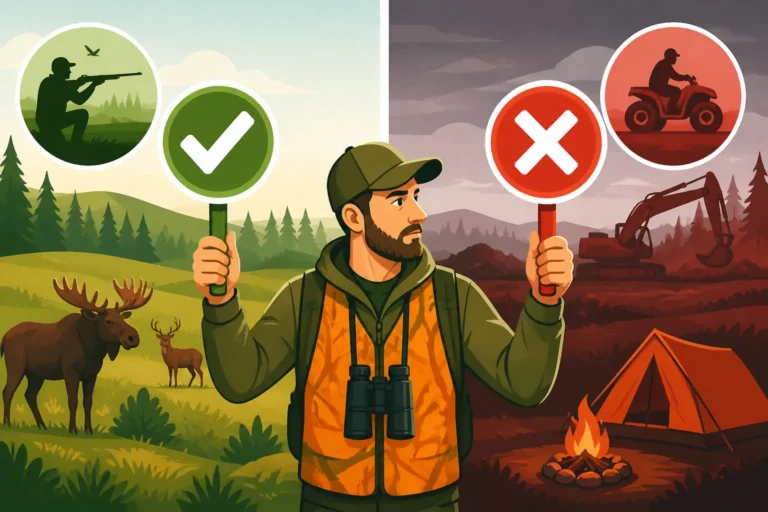
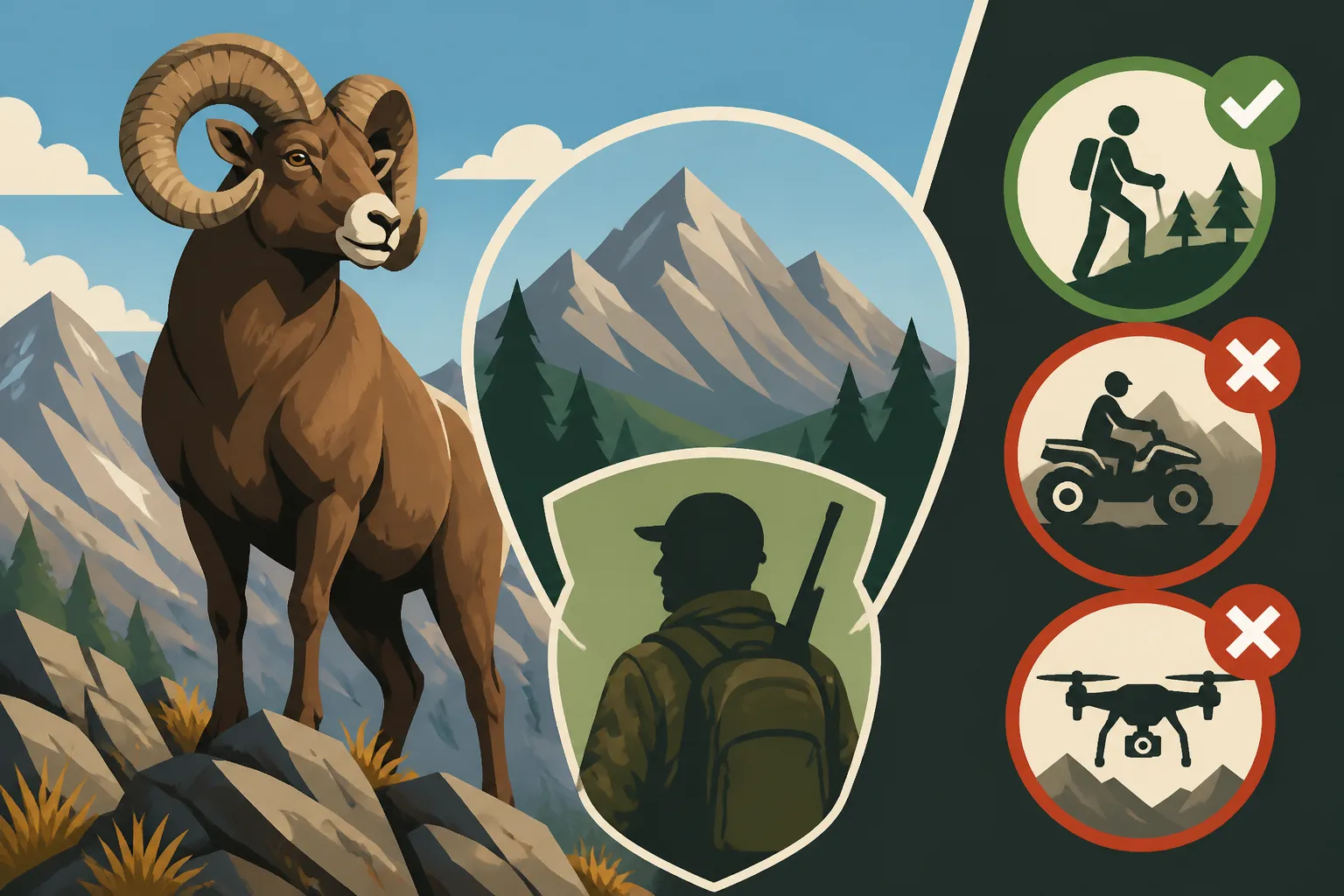
This is perhaps one of the biggest points of confusion and contention for many hunters in the Bighorn Backcountry. Many areas, particularly those deeper in the mountains, are completely closed to motorized vehicles, including ATVs, UTVs, and even mountain bikes on certain trails. These restrictions are put in place to protect sensitive alpine environments, minimize wildlife disturbance, and preserve the wilderness experience. What might appear to be an old logging road or seismic line on a map might actually be designated as a non-motorized trail.
For example, a main access road might allow trucks, but side trails leading off it quickly transition to foot or horseback access only. There are often clear signs, but not always, and it's easy to get turned around in new country. Before you even pack your bags, you need to pore over current PLUZ maps, often available online, which detail these restrictions. Relying on outdated maps or local hearsay can lead to significant problems. If you plan to use an Off-Highway Vehicle (OHV), ensure you know exactly where it's permitted, both for travel and parking, to avoid penalties and land closure.
Understanding Recreational Access
Beyond just motorized access, there are broader considerations for recreational access in the Bighorn Backcountry. Some areas might have seasonal closures to protect wintering wildlife or during periods of high fire risk. Others might be designated as wilderness areas where even non-mechanized travel is tightly regulated to minimize human impact. It’s not just about what you can drive, but also where you can walk or ride a horse.
Tools like onX Hunt have become indispensable for many hunters. These mapping applications often integrate land ownership, PLUZ boundaries, and even trail designations, making it much easier to visualize where you can and cannot go. While these tools are excellent, they should always be cross-referenced with official government regulations, as mapping updates can sometimes lag behind policy changes. Think of it as having a detailed, visual representation that still needs the official rulebook as its foundation. Using Alberta's Recreational Access Mapping Tool can be a valuable complement to your planning.
A quick summary of typical vehicle rules:
| Vehicle Type | Typical Backcountry Access (General) | Specific PLUZ/Trail Regulations (Vary) |
|---|---|---|
| Highway Vehicles | Allowed on public roads/main FSRs | May be restricted on smaller resource roads or require high clearance |
| OHVs (Quads/UTVs) | Restricted to designated OHV trails/areas | Many PLUZs have strict no-OHV rules or specific permitted trail networks |
| Mountain Bikes | Allowed on designated trails or non-motorized FSRs | Some areas restrict all wheeled vehicles for wilderness preservation |
| Horses | Generally allowed on trails and open country | May have specific staging areas or designated equestrian trails |
| Foot Traffic | Universally allowed where legal to hunt | May be subject to temporary closures (e.g., wildfire, wildlife management) |
Remember, this table provides general guidance. Always check the specific PLUZ regulations for your target area before heading out.
Planning Your Hunt: Essential Considerations
Hunting in Alberta’s Bighorn Backcountry isn’t just another trip; it’s an expedition. Success isn’t solely measured by a harvested animal, but by the safe return and the experience gained. This level of hunting demands meticulous planning and a deep understanding of what you’re up against, both from the environment and from yourself.
Physical Demands and Preparation
Let's be blunt: hunting bighorn sheep or even elk and mule deer in this country is an athletic endeavor. You'll be climbing steep grades, often with a heavy pack, at high altitudes. The air is thinner, the footing is uneven, and a single day can involve thousands of feet of elevation gain and loss. If you're not physically prepared, you're not only risking your hunt, but your safety. This isn't the time to rely on your "summer shape."
Your training should include significant cardiovascular work – think hiking with a weighted pack, stair climbing, and long-distance walks on varied terrain. Strength training, particularly for your legs, core, and back, is also critical. Beyond raw strength and endurance, mobility and balance are key for navigating rocky slopes and stream crossings. Start your preparation months in advance, gradually increasing intensity. It's also wise to test out all your gear – boots, pack, clothing – on strenuous training hikes to identify any issues before you’re miles deep in the backcountry. Dehydration and muscle cramps can hit hard in this terrain, so practice your nutrition and hydration strategies during training as well.
Permitting and Licences
Before you even think about packing a hunting rifle, you need to understand the licence requirements. For bighorn sheep, Alberta residents buy class 1 (trophy) licences without entering a draw, while resident class 2 (non-trophy) sheep (draw 29), the special WMU class 1 sheep draws (410, 437, 444/446, 408 and 438) and the non-resident Canadian class 1 sheep draw (draw 31) are all draws. The special WMU draws can be competitive, and a ‘priority only’ option exists in some of them (410, 437, 444/446 and 408). Alberta's Draw Priority Point System details how this system works. For other species like moose, elk, or mule deer in these mountain WMUs, general tags might be available, or they too might be subject to draws, depending on the specific WMU and season.
Beyond the specific animal tag, you'll need an Alberta Wildlife Identification Number (WIN) Card and a valid Wildlife Certificate. These are your fundamental documents for hunting in the province. Always confirm the specific regulations for your chosen WMU and target species each year, as season dates, bag limits, and legal weapons can change. Many hunters use resources like GoHunt to stay on top of draw odds and regulation changes across various jurisdictions. They compile and analyze data that can be incredibly helpful for planning, especially when looking at the historical success rates for specific mountain draws. Ensure all your paperwork is in order well in advance of your hunt, as you don’t want a bureaucratic hiccup to derail a long-planned trip. You can find more information on costs and requirements in Alberta Hunting Licences and What They Cost.
Horseback vs. Backpack Hunting
Deciding between horseback and backpack hunting is a fundamental choice that impacts almost every aspect of your Bighorn Backcountry adventure.
- Backpack Hunting: This is the purest form of self-supported mountain hunting. You carry everything you need on your back, relying on your own two feet to cover ground.
- Pros: Ultimate freedom and flexibility in terms of where you can go (as long as it’s open to foot traffic), deep penetration into roadless areas, less logistical complexity than horses (no feed, shoeing, vet care). It’s also generally less expensive.
- Cons: Extremely physically demanding, limits the amount of gear and food you can carry, packing out a large animal becomes a monumental multi-trip effort. Backpacking Into Alberta Sheep Country dives into the specifics.
- Horseback Hunting: Utilizing horses allows you to cover more ground with less physical exertion for yourself, and crucially, carry significantly more gear, food, and water. They are also invaluable for packing out heavy game.
- Pros: Increased range and speed, ability to carry more supplies for longer hunts, vastly simplifies game retrieval, allows access to areas inaccessible by vehicle or foot (for some people).
- Cons: High logistical overhead (feed, care, corralling, transportation), significant cost if you own or lease horses, requires horsemanship skills, trails can be difficult for horses, and horses require proper management to minimize impact. Some areas may have specific rules regarding horse use, including certified weed-free feed requirements.
Your choice often comes down to budget, experience, physical condition, and the specific WMU you're targeting. Some areas are simply too rugged for horses, while others lend themselves perfectly to equine support.
Practical Strategies for Bighorn Hunting in the Backcountry
Once you've done the initial planning and physical preparation, it's time to refine your strategy for the actual hunt. Success in the Bighorn Backcountry often boils down to intelligent scouting, ethical camping, and keen situational awareness.
Scouting and E-Scouting
In this challenging terrain, blindly wandering around is a recipe for exhaustion and disappointment. Effective scouting, both from your couch and on the ground, is critical.
-
E-Scouting: Before you even leave home, spend countless hours on satellite imagery and topographical maps. Use platforms like onX Hunt or Google Earth to identify potential bedding areas, feeding zones, water sources, and most importantly, access routes and escape cover. Look for distinct terrain features that could funnel animals, hidden benches where sheep might feed, or dark timber for elk. Pay attention to elevation changes, the density of timber, and the aspect of slopes – south-facing slopes often green up earlier and hold animals longer in the fall. Identify potential camp locations and water sources, and map out several different approaches and egress routes. This digital reconnaissance can save you days of wasted effort in the field. GoHunt's data can also be very helpful here, offering insights into harvest trends and animal movements within specific WMUs. Scouting With Satellite Imagery in Alberta is a must-read for this modern approach.
-
On-the-Ground Scouting: If at all possible, make a pre-season trip (even a short one) to familiarize yourself with the terrain. Hike into potential areas, check trail conditions, confirm water sources, and look for fresh sign. Even if you can't reach your exact hunting spot, understanding the general character of the access, the bush density, and the typical weather patterns will be invaluable. Look for sheep rubs on trees or rocks, old beds, and fresh droppings. Get a feel for the wind currents in the valleys and how they shift throughout the day.
Camp Selection and Backcountry Ethics
Your camp is your sanctuary in the backcountry, but its location and your practices are vital for both your safety and the preservation of the wilderness.
-
Camp Selection: Choose a site that offers protection from the elements – ideally not directly in a valley bottom (which can be cold and damp) nor on an exposed ridge (windy). Look for a relatively flat, dry spot with good drainage. Proximity to a reliable water source is paramount, but make sure it’s a safe distance from animal trails to avoid disturbing game and contaminating the water. Consider access to firewood if you're planning a small fire (check fire bans!). Most importantly, select a camp that is well-hidden and minimally intrusive. In grizzly country, ensure your camp is clean, food is properly stored (bear-resistant containers or hung from a tree), and cooking is done away from sleeping areas.
-
Backcountry Ethics (Leave No Trace): The Bighorn Backcountry is a fragile ecosystem. Practice strict Leave No Trace principles:
- Pack it in, pack it out: This includes all garbage, food scraps, and even human waste (dig cat holes well away from water, or pack it out if required).
- Minimize impact: Stay on existing trails, avoid cutting live trees, and don't build elaborate structures.
- Respect wildlife: Never approach, feed, or harass animals. Keep your distance.
- Fire safety: If fires are permitted, keep them small, use only dead and downed wood, and ensure they are completely extinguished before leaving.
- Minimize noise: Preserve the solitude for yourself and others.
Adhering to these principles ensures that the wilderness remains pristine for future generations of hunters and outdoor enthusiasts. Camping Rules on Alberta Crown Land offers more specific guidance.
Navigating Terrain and Weather
The mountains are inherently unforgiving, and underestimating their power is a grave mistake.
-
Navigating Terrain: Expect steep climbs, treacherous scree slopes, and dense bush. Good quality hiking boots with excellent ankle support are non-negotiable. Walking poles are highly recommended for stability, especially on descents and river crossings. Always watch your footing, and be aware of loose rocks that can start slides. Learn to read contour lines on your map and understand how to navigate without a trail. Knowing how to use a compass and GPS is not optional; it’s essential. Travel at a pace you can sustain, and take frequent breaks. Don't be afraid to turn back if a route looks too dangerous or beyond your comfort level.
-
Weather: Mountain weather is notoriously unpredictable. A bluebird morning can quickly turn into a raging snowstorm or torrential rain. Always pack for all four seasons, even in late summer. Layers are key: a good base layer, insulating mid-layers, and a waterproof/windproof outer shell. A warm hat, gloves, and an emergency bivy sack are essential, even on day hunts. Check the forecast before you go, but understand that mountain forecasts are often generalized and can change rapidly. If you hear thunder, get off exposed ridges immediately. High winds can make travel difficult and dangerous. Being prepared for sudden temperature drops and prolonged periods of wet, cold weather is paramount for survival. Hunting Alberta Winter Weather Safely emphasizes the importance of cold weather preparedness.
Dealing with Specific Challenges
The Bighorn Backcountry offers unparalleled rewards, but it also presents challenges that demand respect, preparation, and sometimes, a little grit. Addressing these head-on is crucial for a safe and successful hunt.
Grizzly Bear Encounters
Alberta’s Bighorn Backcountry is prime grizzly habitat, and encounters are a real possibility. While grizzlies are generally shy and prefer to avoid humans, unexpected meetings can be dangerous.
- Prevention is Key:
- Make noise: Especially in dense vegetation or when visibility is low. Announce your presence by calling out, clapping, or using a bear bell.
- Travel in groups: Bears are less likely to approach a group of people.
- Be aware of your surroundings: Look for fresh bear sign (tracks, scat, overturned rocks, digs) and avoid areas with strong smells of carrion.
- Secure food: Store all food, cooking gear, and scented items in bear-resistant containers, hung from a tree, or in a bear locker away from your sleeping area. Never cook or eat where you sleep.
- Carry bear spray: Always have bear spray readily accessible and know how to use it.
- If an Encounter Occurs:
- Stay calm: Most bears want to avoid you.
- Identify yourself: Speak in a calm, firm voice. Wave your arms slowly.
- Back away slowly: Avoid direct eye contact. Do not run.
- If a charge occurs: For a defensive charge, use your bear spray when the bear is within 10-20 feet. If the bear makes contact, play dead (lie on your stomach, protect your neck and head with your arms). For a predatory attack (rare), fight back. Knowing the difference is critical, but often difficult in the moment.
Remember, hunting in bear country means accepting this risk and taking all reasonable precautions.
Weather Extremes and Emergency Preparedness
The dynamic mountain environment can throw everything at you, from sudden blizzards to intense thunderstorms. Being prepared for the worst can save your life.
- Hypothermia and Frostbite: Even in shoulder seasons, a combination of cold temperatures, wind, and moisture can lead to hypothermia. Always dress in layers of wool or synthetic materials (never cotton!). Carry extra warm clothing, a hat, and gloves. Know the signs of hypothermia (shivering, confusion, clumsiness) and how to treat it (warm, dry clothing, warm drinks, shelter, body heat).
- Avalanches: In late fall or early winter, snow-covered slopes can present avalanche hazards. If you are hunting when snow is present, especially on steep slopes, understand avalanche terrain, carry appropriate safety gear (transceiver, probe, shovel), and know how to use it. If you're not trained, avoid avalanche-prone areas.
- Emergency Kit: Your pack should always include:
- First-aid kit (comprehensive for backcountry use)
- Emergency shelter (bivy sack or lightweight tarp)
- Fire starter (waterproof matches, lighter, fire starter cubes)
- Navigation tools (map, compass, GPS, satellite messenger like a Garmin inReach or Zoleo)
- Headlamp with extra batteries
- High-energy emergency food
- Water purification tablets or filter
- Whistle
Communication is vital. Cell service is virtually non-existent in much of the Bighorn Backcountry. A satellite messenger or satellite phone is your lifeline to the outside world in an emergency. Ensure someone knows your detailed itinerary and check-in plan. Emergency Plans in Alberta's Backcountry is an excellent resource for deeper insights into preparedness.
Packing Out Your Harvest
Successfully harvesting an animal in the Bighorn Backcountry is only half the battle; getting it out is often the greater physical challenge. The remoteness means you'll likely be quartering and packing out the animal yourself, possibly over multiple trips.
- Field Dressing and Quartering: Learn how to efficiently field dress and quarter a large animal in the field. This means carrying a sharp knife, a game bag, and a small saw or hatchet. Work quickly to cool the meat, especially if temperatures are mild. Removing bones (boning out) will significantly reduce weight for the pack-out, though some regulations may require certain bones to be left in for proof of sex or species.
- Packing Strategy: You’ll likely need a sturdy pack frame. For a bighorn sheep, you might be able to get it out in one heavy load. For an elk or moose, plan on multiple trips, potentially over several days. Each load should be manageable for your physical condition and the terrain. Utilize game bags to keep the meat clean and protect it from flies.
- Meat Care: Protecting your hard-earned meat from spoilage is paramount. In cooler mountain temperatures, properly aired meat can hang for a while, but always monitor it. If you have a long way to go, consider packing some ice packs if feasible, or plan to get the meat to a cooler or processor as quickly as possible. Meat Care in Alberta's Cold and Warm Swings provides valuable advice on this crucial aspect. Packing Out of Alberta's Mountain WMUs goes into more detail on the logistics and techniques for this arduous but rewarding task.
Disclaimer
This article is for general informational purposes only and does not constitute professional advice. Laws, prices and regulations vary by location and change over time. Consult a qualified professional for guidance on your specific situation.