Why Mule Deer Prefer Broken Country
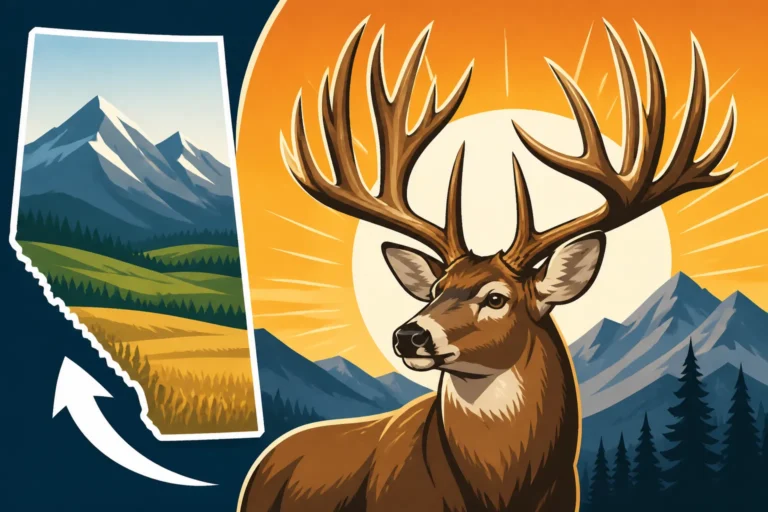
Alberta mule deer prefer broken country terrain for security, using coulees and ridges to quickly vanish from predators.
Know what you’re after.
Big game, small game, upland birds, and waterfowl — identification, behavior, rut and migration timing, and how each species moves through the season.
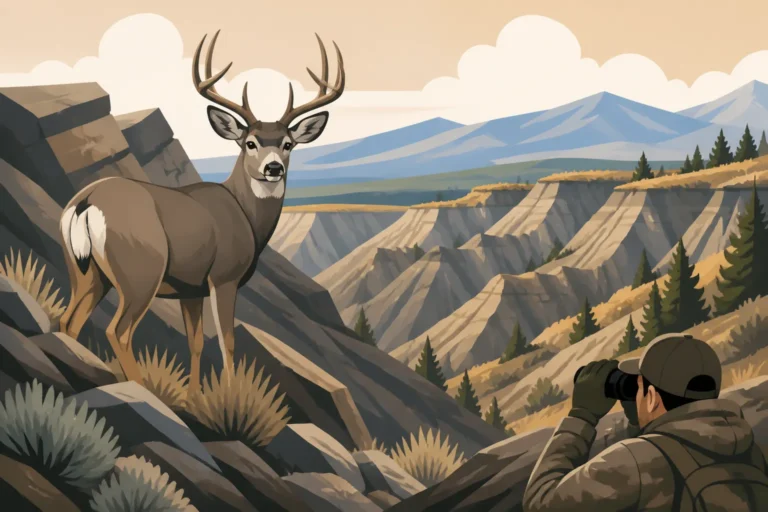
Alberta mule deer prefer broken country terrain for security, using coulees and ridges to quickly vanish from predators.
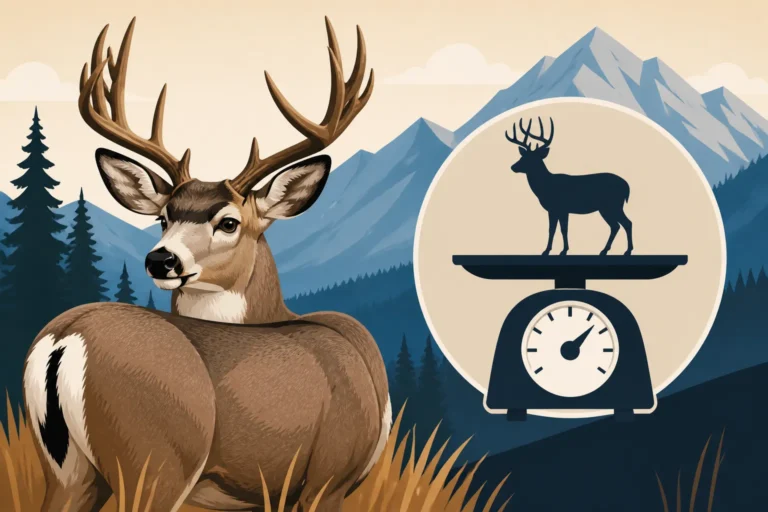
Mature Alberta mule deer weigh between two hundred and three hundred pounds, varying by age, habitat quality, and seasonal timing.
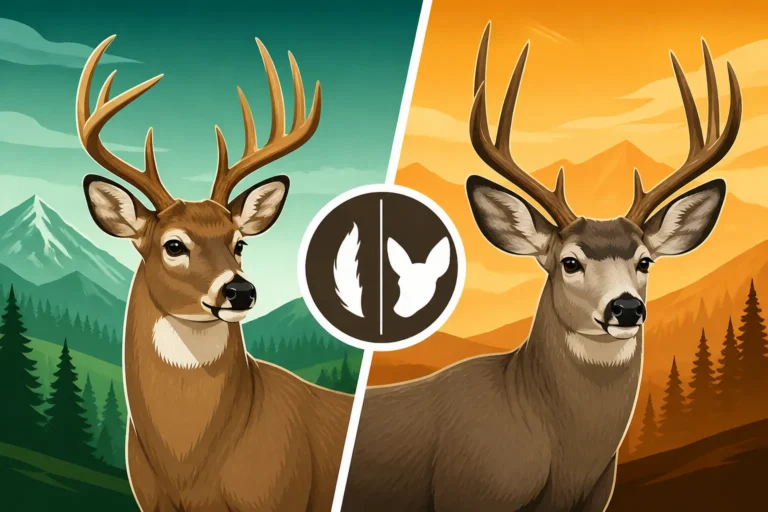
Whitetail and mule deer physical differences, including tail traits and ear sizes, help hunters correctly identify species.
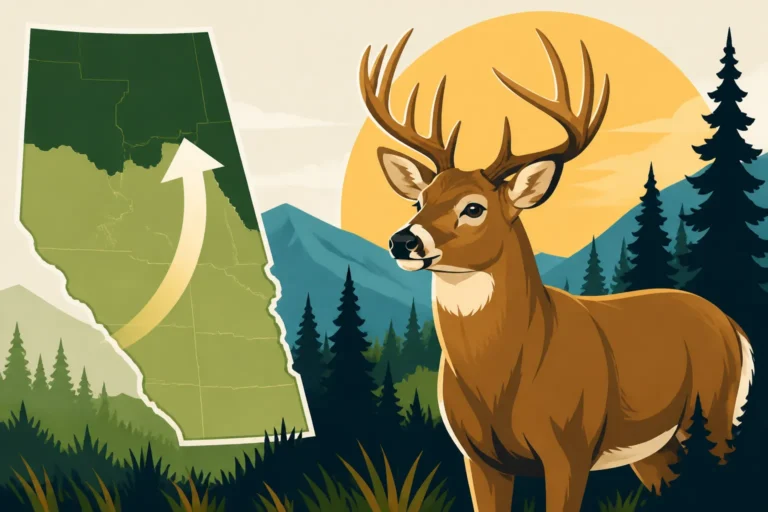
Whitetail deer expanding into northern Alberta due to logging, agriculture, and milder winters that aid winter survival.
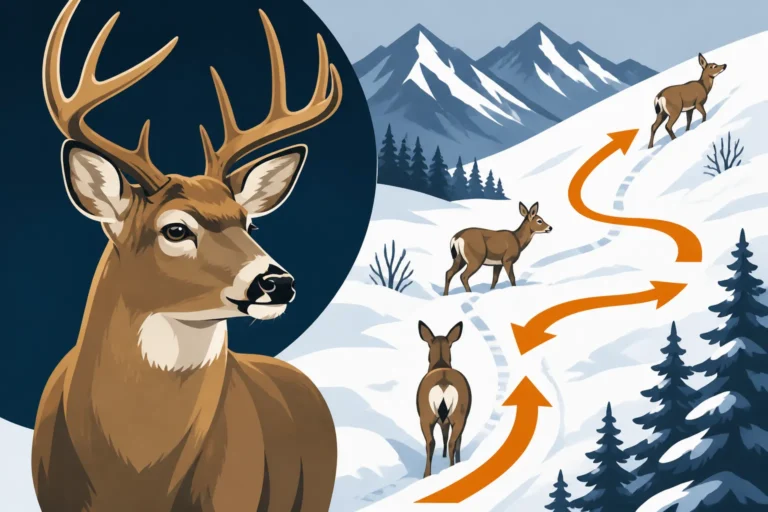
Deep snow forces Alberta deer to restrict travel, alter foraging patterns, and congregate in dense thermal cover.
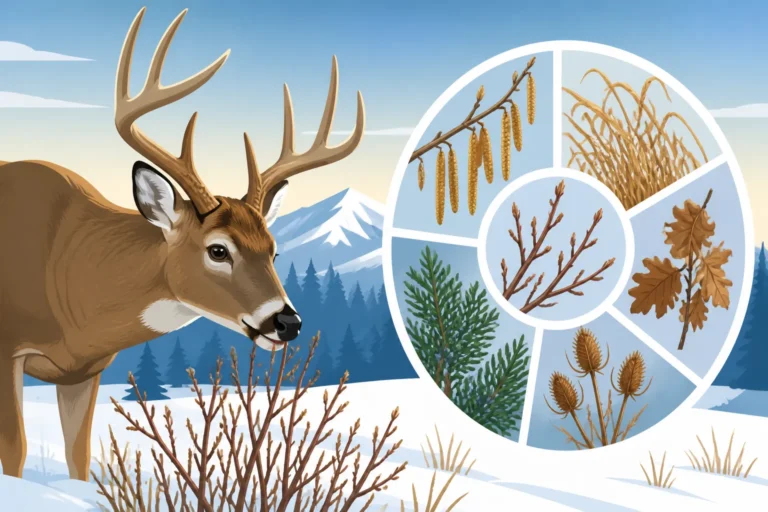
Alberta whitetail deer consume woody browse like aspen saplings, willow twigs, and buds to survive the bitter winter snow and deep drifts.
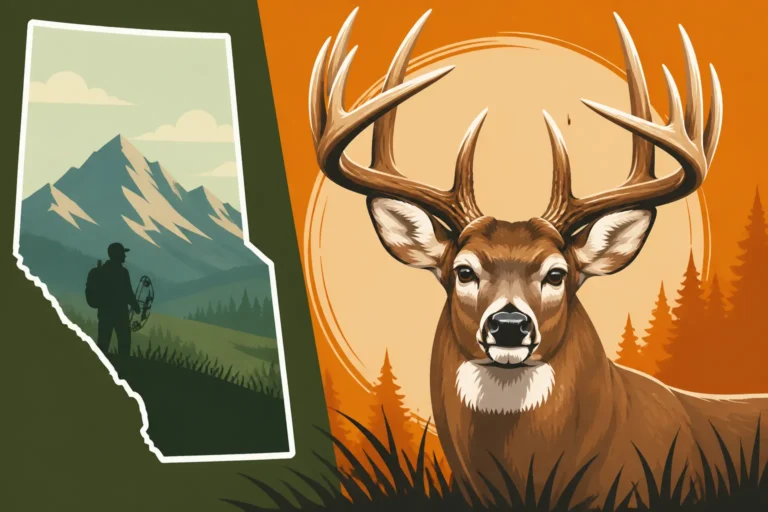
Alberta white-tailed deer record history and habitat factors explain why this province produces world-class giant bucks with massive antlers.
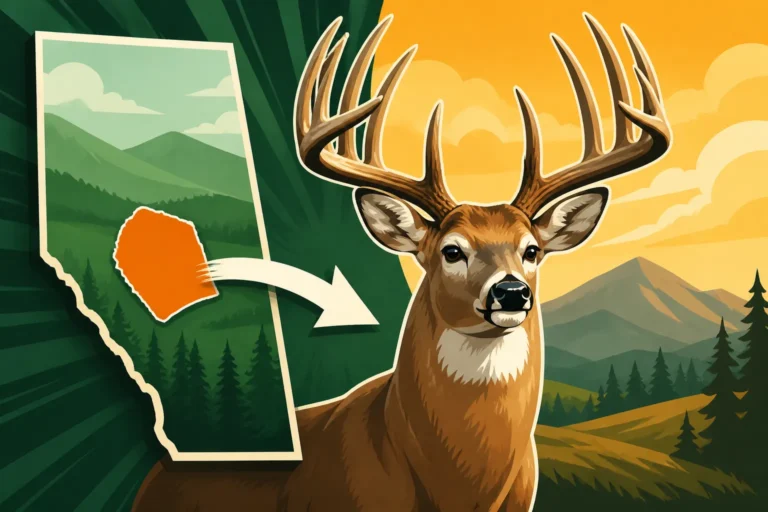
Alberta record whitetail bucks require top tier genetics, abundant nutrition from crops, and older age classes to mature.
Alberta deer and moose grow heavy antlers because diverse forage, clean water, and rich soils provide abundant calcium and phosphorus.
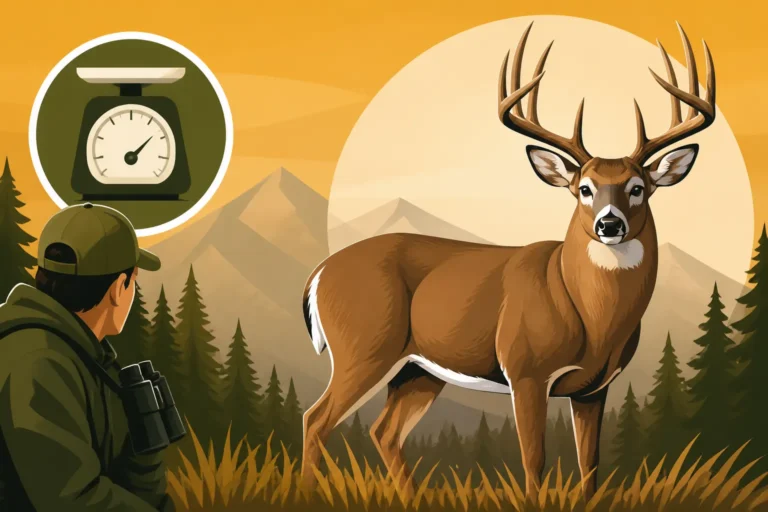
Adult Alberta whitetail buck body weights range from 200 to 250 pounds, with exceptional older animals exceeding 300 pounds.