Hungarian Partridge and Pheasants in Alberta
Hungarian partridge hunting in Alberta involves finding birds in agricultural areas, understanding covey behavior, and securing private land permission.
Know what you’re after.
Big game, small game, upland birds, and waterfowl — identification, behavior, rut and migration timing, and how each species moves through the season.
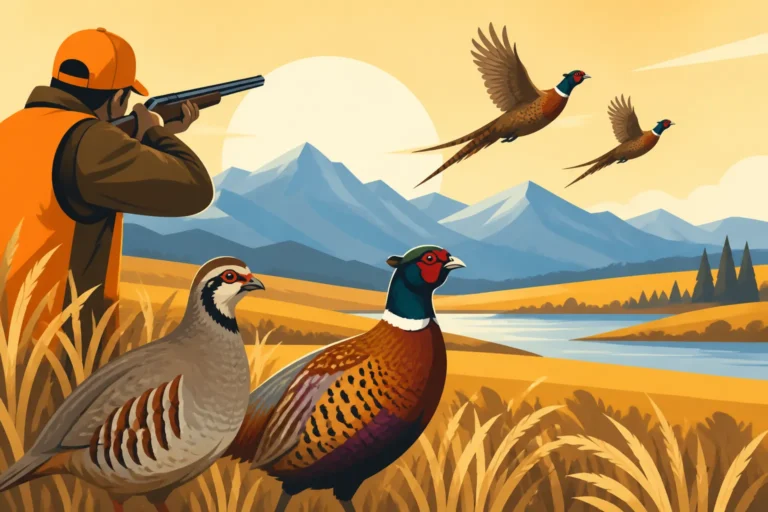
Hungarian partridge hunting in Alberta involves finding birds in agricultural areas, understanding covey behavior, and securing private land permission.
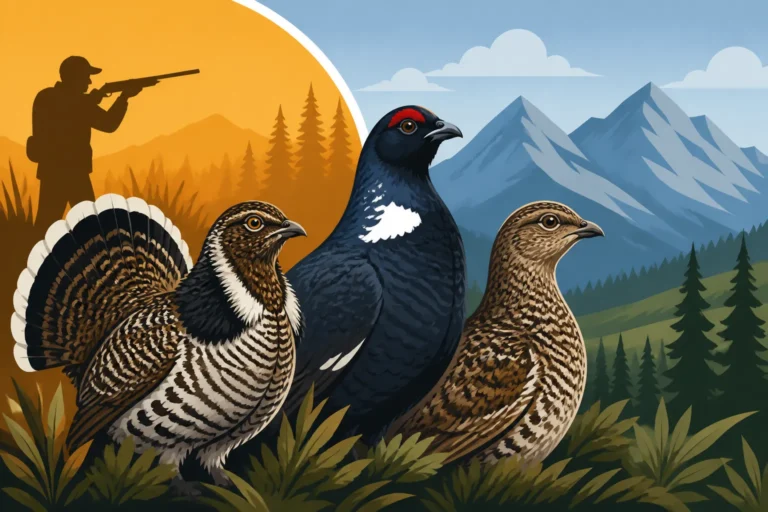
Alberta ruffed grouse populations, their preferred forest habitats, and identification traits help hunters locate upland birds successfully.
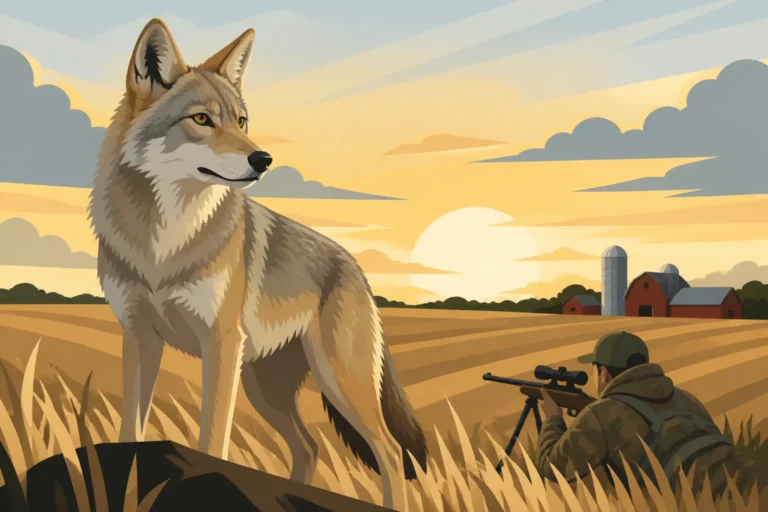
Coyotes in Alberta farm country thrive on agricultural land through adaptable habits, diverse diets, and high intelligence.
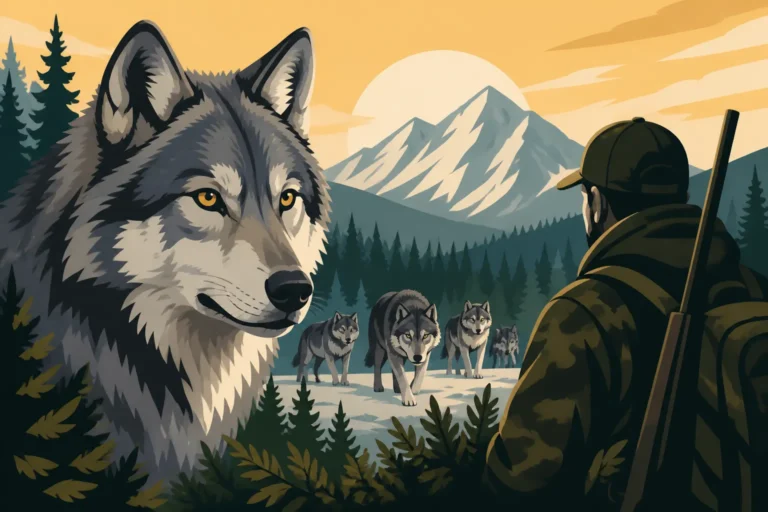
Alberta boreal forest wolves are apex predators that shape local ecosystems and influence the northern hunting landscape.
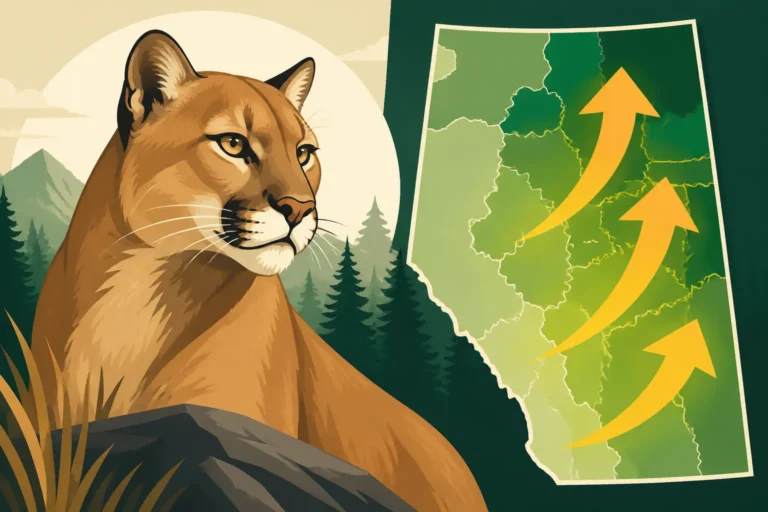
Alberta cougar population growth and territorial expansion, driven by rising deer numbers and reduced human persecution.
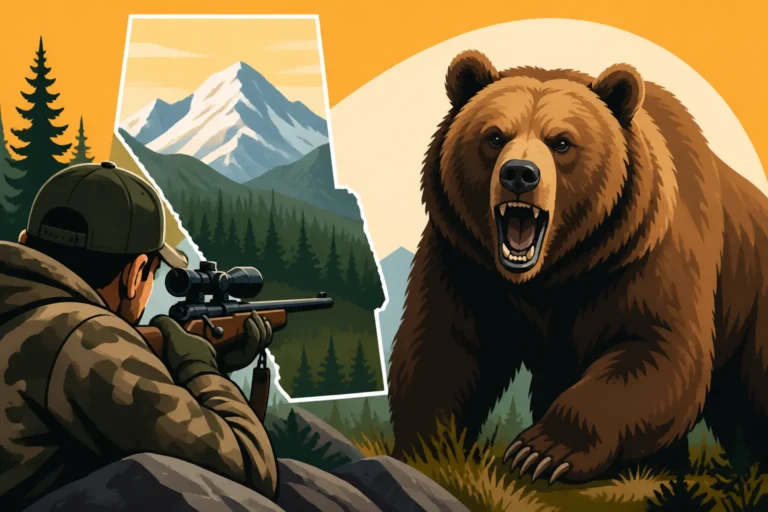
Alberta grizzly bear population recovery, DNA tracking methods, and Rocky Mountain habitats are explained with current conservation data.

Color phases in Alberta black bears, including cinnamon and blonde fur, explained through genetics and identification tips.
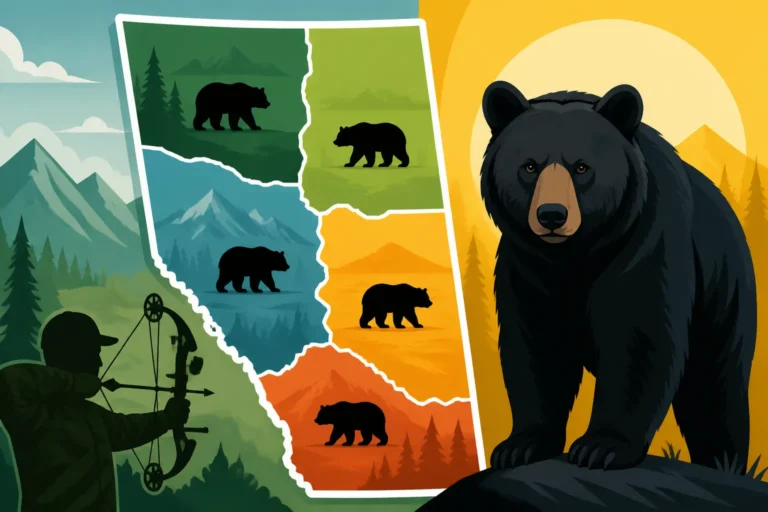
Alberta black bear populations, estimated at 30,000 to 40,000 animals, vary significantly across regions based on habitat and food availability.
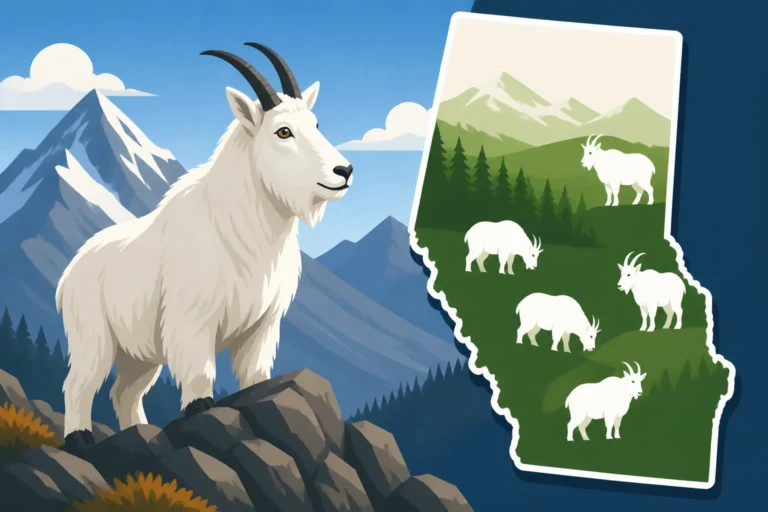
Alberta mountain goat populations and their harsh alpine habitats are explained through aerial surveys and survival factors.
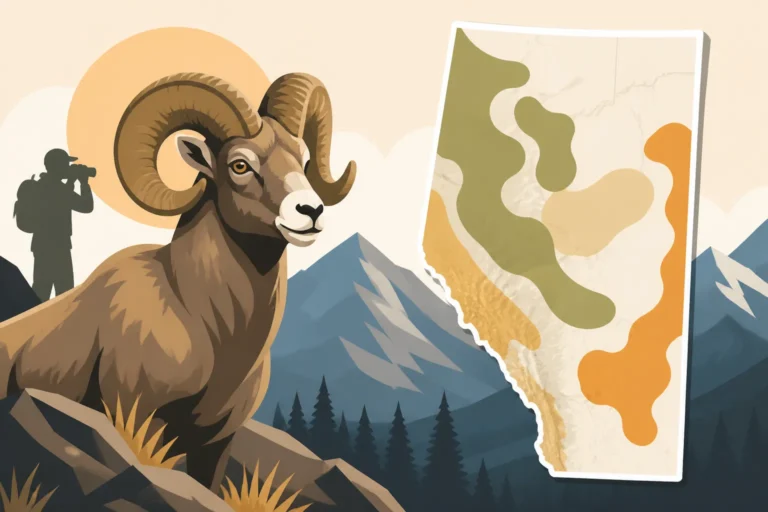
Alberta bighorn sheep herds inhabit rocky mountain slopes and alpine meadows above six thousand feet, relying on steep cliffs for survival.