Ticks and Parasites in Big Game
It’s a moment every hunter faces: you’ve worked hard, made a clean shot, and now you’re field dressing your animal. As you start the process, your eyes catch something unsettling – a cluster of engorged ticks, or perhaps some odd-looking cysts in the organs. Instantly, your mind races with questions about the health of the animal, the quality of the meat, and most importantly, whether it's safe for your family to eat. This guide is here to walk you through the common ticks and parasites you might encounter in Alberta’s big game, how to identify them, what they mean, and crucial steps for safe handling and consumption.
Common Ticks and Parasites in Alberta's Big Game
When you harvest a big game animal in Alberta, it's not uncommon to find evidence of various parasites. These are a natural part of the ecosystem, and most pose little to no threat to humans, especially with proper handling and cooking. However, understanding what you’re looking at can alleviate concerns and ensure you make informed decisions.
Winter Ticks (Moose Ticks)
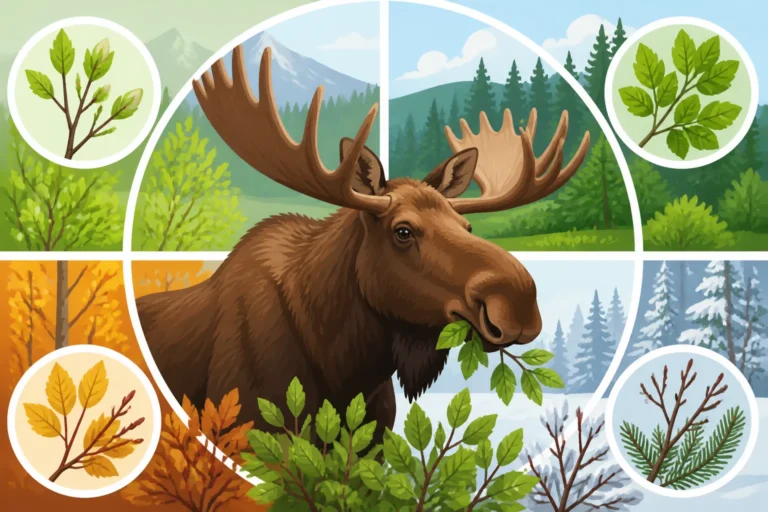
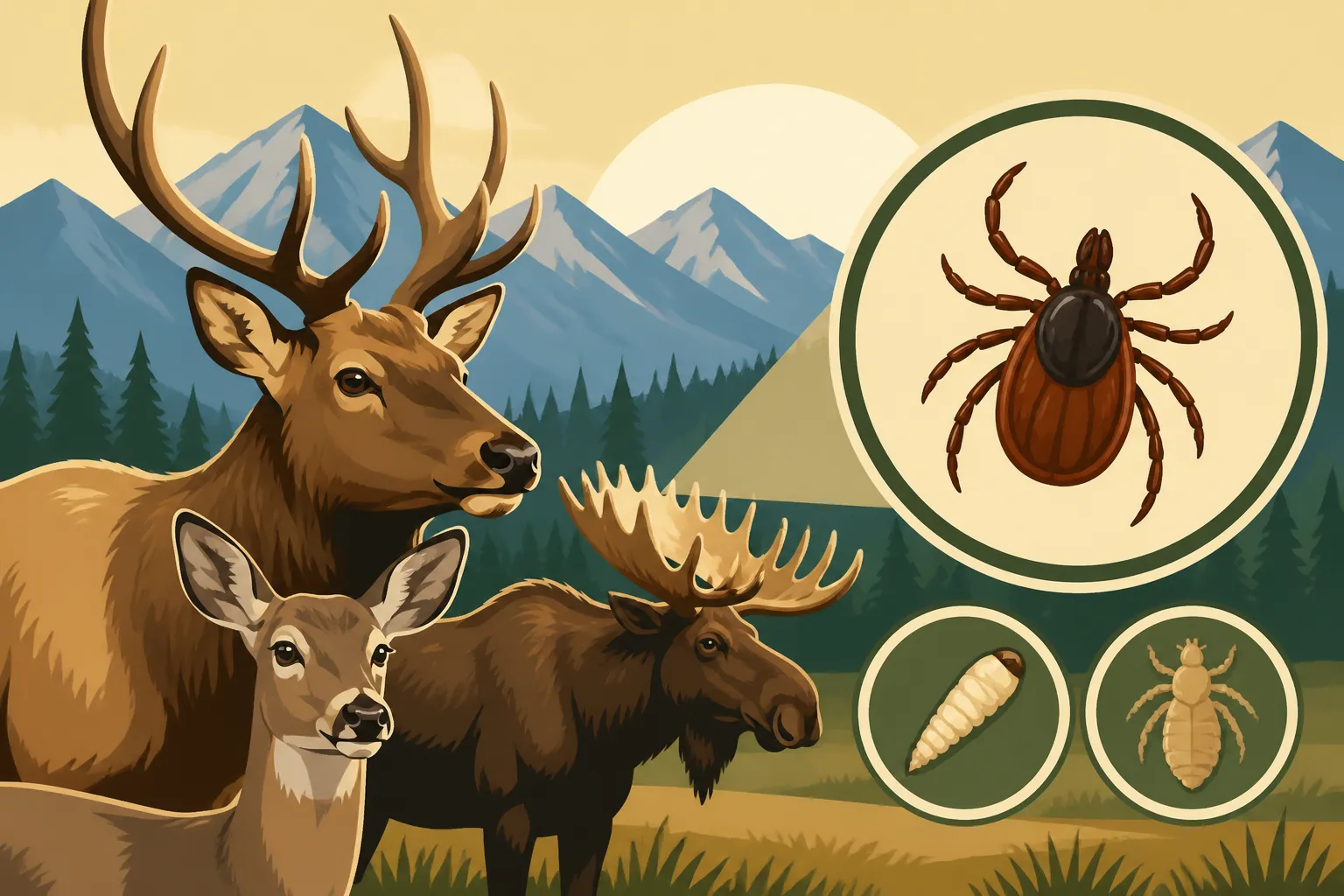
One of the most visually striking and concerning parasites, especially on moose, are winter ticks, often called moose ticks. These tiny creatures begin their life cycle in the fall, latching onto a host and feeding throughout the winter. By late winter and early spring, they can number in the tens of thousands on a single animal, causing significant hair loss, particularly along the neck and shoulders. This extensive hair loss, often called "ghost moose" syndrome due to the pale, patchy appearance, can lead to hypothermia and severe stress, weakening the animal considerably. While unsightly, winter ticks do not typically affect the meat quality itself, as they reside on the hide. Hunters often report seeing these ticks after a particularly harsh winter or in areas with high moose densities. If you're using a resource like GoHunt to research potential hunting areas, pay attention to any reports or observations about game health in those specific WMUs, as tick loads can sometimes be higher in certain regions.
Deer Keds (Louse Flies)
These aren't technically ticks, but they are often mistaken for them. Deer keds, or louse flies, are small, flattened, reddish-brown flies that are often found burrowed in the fur of deer, moose, and elk. Unlike regular flies, they are mostly wingless (or shed their wings shortly after finding a host) and are incredibly hardy, often surviving even after the animal has been harvested. They can be quite unsettling to find crawling on the hide during field dressing. While they are a nuisance and can cause skin irritation to the animal, they are not known to transmit diseases to humans and do not affect the meat. Their presence is simply a sign of a normal outdoor existence for the animal.
Internal Parasites: Lungworms and Liver Flukes
Moving inside the animal, you might encounter parasites in the organs. Lungworms are common in deer and can be found in the lungs, appearing as small, thread-like worms or lesions. Severely infected animals might show signs of respiratory distress, but for most, the infection is mild. Liver flukes, on the other hand, are flat, leaf-shaped worms that infest the liver. If present, you'll see tunnels or cysts in the liver tissue. While both lungworms and liver flukes can indicate an animal under some parasitic load, they generally do not affect the safety or quality of the muscle meat. However, if the liver is heavily infested with flukes, it is typically deemed unfit for human consumption. Meat Care in Alberta's Cold and Warm Swings stresses the importance of proper organ inspection and prompt cooling.
Identifying Ticks and Parasites in the Field
Knowing what to look for and where can make the field dressing process much smoother and less stressful. It's about being observant and understanding the signs of common parasites.
External Examination
As soon as you approach a downed animal, before you even begin processing, take a moment for an external visual check. Look for patches of hair loss, especially on the neck, shoulders, and flanks, which can indicate a heavy winter tick load. Run your hand through the fur – you might feel the engorged ticks, which feel like small bumps, or see deer keds scurrying. Sometimes, an animal might have large, firm lumps under the skin, especially along the back or sides. These are often warbles, the larvae of botflies. They're typically harmless, though a bit off-putting. These external parasites, while unappealing, are usually confined to the hide and do not affect the muscle meat.
Internal Organ Inspection
During field dressing, pay close attention to the internal organs. This is where you'll find most of the internal parasites.
- Lungs: Look for any abnormal lesions, nodules, or small, coiled worms, particularly in the bronchial tubes. These could be lungworms.
- Liver: This is a common spot for liver flukes. Inspect the surface for tracks or tunnels (fibrotic tracts) and slice into the liver to check for the flukes themselves or any cysts. A healthy liver should be a uniform, deep reddish-brown color.
- Heart: While less common, some parasites can be found in the heart muscle. Check for cysts or abnormalities.
- Gastrointestinal Tract: While you typically remove and discard the gut pile, a quick glance at the stomach lining or intestines can sometimes reveal worms, though these are rarely a concern for human consumption of muscle meat.
A thorough inspection helps you assess the animal's overall health and decide which parts are suitable for the table. When you’re processing an animal in cooler conditions, like those described in Hunting Alberta Winter Weather Safely, remember that prompt cooling of the carcass is vital regardless of parasite presence to ensure optimal meat quality.
| Parasite Type | Common Location(s) | Appearance | Impact on Animal | Impact on Meat/Humans (with proper handling) | Organ Status (if found) |
|---|---|---|---|---|---|
| Winter Ticks | Hide (neck, shoulders, flanks) | Small, engorged, dark brown to black specks | Hair loss, anemia, stress, vulnerability to cold | None (external, not in meat) | N/A (external) |
| Deer Keds | Fur (anywhere on body) | Flat, reddish-brown, tick-like flies | Skin irritation | None (external, not in meat) | N/A (external) |
| Warbles (Botfly larvae) | Under skin (especially back) | Large, firm lumps with breathing holes | Mild irritation, cosmetic damage to hide | None (removed with hide) | N/A (external) |
| Lungworms | Lungs, bronchial tubes | Small, white, thread-like worms or nodules | Respiratory issues (mild to severe) | None (muscle meat safe) | Discard affected lung tissue |
| Liver Flukes | Liver | Flat, leaf-shaped worms; tunnels/cysts in liver | Impaired liver function, weight loss | None (muscle meat safe) | Discard affected liver (or entire liver if heavily infested) |
| Cysticercosis (Tapeworm cysts) | Muscle tissue (often heart, diaphragm) | Small, clear fluid-filled cysts | Usually none, can impact heart function in severe cases | Harmless if cooked thoroughly, often trimmed out | Trim out affected muscle |
Note: This table is a general guide. Always consult current regulations and professional advice if you have specific concerns about your harvest.
Impact on Big Game Health and Meat Quality
Understanding the presence of ticks and parasites goes beyond simple identification; it helps you grasp the overall health of the herd and the specific animal you’ve harvested. Sometimes, a severe parasitic load can be a red flag.
Animal Health and Condition
Animals with a heavy parasitic burden, especially from winter ticks or a severe internal infection, can be noticeably weaker. This might manifest as poor body condition, a dull coat, or lethargy. For instance, a moose heavily infested with winter ticks may have significant hair loss, which puts it at risk of hypothermia in late winter and early spring. These animals might struggle to forage effectively, leading to weight loss and a generally poorer physiological state. While this might not directly affect the edibility of the muscle meat, it certainly speaks to the animal's quality of life and resilience. Healthy animals, which are often the goal of hunters, tend to show fewer signs of severe parasitic infection. Regular scouting using tools like GoHunt can help you identify areas known for healthy game populations.
Implications for Meat Quality and Safety
The good news for hunters is that most common ticks and parasites found in Alberta's big game do not directly affect the safety or taste of the muscle meat, provided proper field dressing and cooking practices are followed. External parasites like ticks and keds are confined to the hide and are removed during skinning. Internal parasites, like lungworms or liver flukes, are typically found in organs that are often discarded or thoroughly inspected. If an organ like the liver is heavily infested, it's best to discard it.
A notable exception to parasites but an important health consideration for hunters is Chronic Wasting Disease (CWD). While not a parasite, CWD is a neurological disease that affects cervids (deer, elk, moose) and can have devastating impacts. It is critical to differentiate between CWD and parasitic infections. CWD is always fatal and can lead to a drastic decline in animal health. Alberta has mandatory Alberta's CWD Testing Requirements in certain WMUs, and understanding these rules is vital. While CWD is a disease, not a parasite, the concern about meat safety often lumps these discussions together for hunters. Ensuring proper handling of your harvest, as outlined in Meat Care in Alberta's Cold and Warm Swings, is crucial regardless of what you find.
Mitigating Risks and Safe Handling Practices
Your primary goal after harvesting an animal is to ensure the meat is safe and delicious for consumption. Knowing how to handle your game, even when parasites are present, is key.
Field Dressing and Carcass Care
The moment an animal is down, proper field dressing becomes paramount. Remove the internal organs as quickly and cleanly as possible. This rapid cooling helps inhibit bacterial growth and also allows for immediate inspection of the organs. If you find any heavily infected organs (like a liver riddled with flukes), it’s always best to discard them. For external parasites, skinning the animal promptly helps remove the hide and any attached ticks or keds. Ensure you keep the meat clean and free from contact with the hide after skinning. Field Dressing in Alberta's Deep Cold emphasizes that regardless of external temperature, cleanliness is always critical.
Cooking and Preparation
Thorough cooking is your best defense against any potential pathogens, including those associated with parasites. Always cook game meat to an internal temperature of at least 160°F (71°C) to kill bacteria, viruses, and any potential parasite larvae that might theoretically be present in muscle tissue (though this is rare with most Alberta big game parasites). This means no rare game burgers or undercooked roasts. Freezing meat for an extended period (weeks to months) can also kill many types of parasite larvae, adding another layer of safety. When preparing the meat, trim away any areas that look questionable, discolored, or have small cysts, even if they are likely benign. This is often more for peace of mind than actual necessity, but it’s a good practice.
Personal Hygiene and Waste Disposal
After handling game, especially during field dressing, rigorous personal hygiene is a must. Wash your hands thoroughly with soap and water, and clean all knives, saws, and cutting surfaces with hot, soapy water and a disinfectant solution. When disposing of carcasses and organs, especially from areas with known CWD or significant parasite loads, follow local regulations. Often, burying deep or taking them to designated disposal sites is recommended to prevent the spread of disease or parasites to other wildlife. Understanding Rules on Wasting Game Meat also ties into proper disposal, ensuring you're not leaving a mess or potentially harmful material in the field. Tools like GoHunt can sometimes offer insights into disease prevalence in specific WMUs, which can influence your disposal practices.
When to Seek Expert Advice
While most parasitic findings are benign, there are times when you might need to seek further advice. If you encounter something truly unusual, highly abnormal, or if the animal itself appears severely diseased and emaciated beyond what would be explained by a mild parasite load, it’s always wise to contact Alberta Fish and Wildlife. They can provide guidance, and in some cases, may want to examine samples to monitor wildlife health trends. It's a collective responsibility to help manage and understand the health of Alberta's game species, and reporting unusual findings contributes to that knowledge base, helping inform discussions about Diseases Alberta Game Managers Watch.
This article is for general informational purposes only and does not constitute professional advice. Laws, prices and regulations vary by location and change over time. Consult a qualified professional for guidance on your specific situation.