Why Alberta Whitetails Score So Well
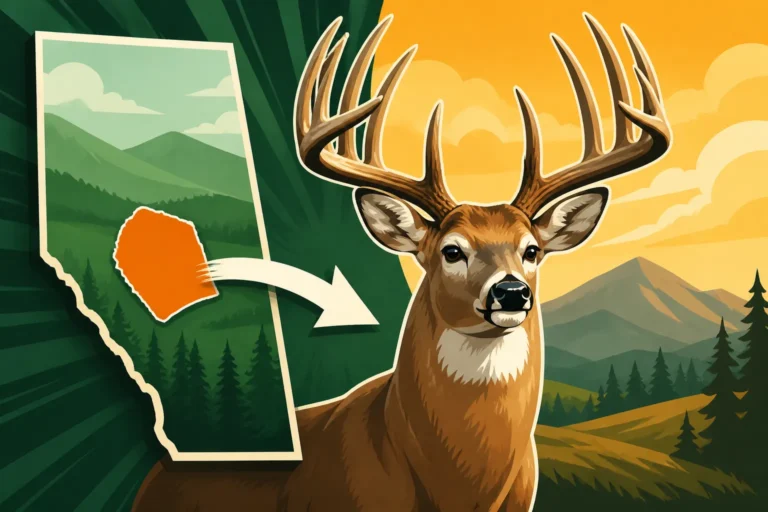
It’s a question that echoes through hunting camps and online forums across the continent: why do Alberta whitetails consistently produce such incredible antlers? If you've ever seen photos of the giants that come out of this province, you know the frustration of wondering just what magical combination of factors leads to those heavy, wide, and often non-typical racks. This guide will peel back the layers and reveal the unique elements that make Alberta a true whitetail paradise, fostering the conditions for impressive antler growth year after year.
The Abundance of Nutrient-Rich Forage
One of the most significant contributors to Alberta whitetails scoring so well is the sheer abundance and quality of the food sources available to them. Antler growth isn't just about genetics; it's a direct reflection of a buck's nutritional intake, especially during the critical antler-growing months.
Prime Agricultural Lands
Alberta, particularly its central and northern "parkland" and "white area" regions, is a powerhouse of agriculture. We're talking about vast expanses of highly productive farmland. Deer here aren't just surviving; they're absolutely thriving on a diet rich in carbohydrates, proteins, and essential minerals.
Imagine a buck living on the edge of a huge canola field. As the plant matures, the seeds are packed with protein and fat. Later in the season, after harvest, those spilled seeds become an absolute magnet for deer, providing an easily accessible, high-energy food source right through the late fall and into winter. Wheat, barley, oats, and peas are also widely grown, offering different nutritional profiles but all contributing to a deer's ability to pack on weight and grow strong antlers. This kind of consistent, high-quality nutrition means bucks have all the building blocks they need. Instead of scrounging for meager browse, they're feasting on nature's equivalent of performance-enhancing supplements, directly fueling that incredible antler mass and spread we all admire. This agricultural bounty is a major reason why Whitetail Hunting in Alberta is so popular and successful.
Diverse Native Habitats
While agriculture plays a massive role, it’s not the whole story. Alberta also boasts incredibly diverse native habitats that provide crucial supplementary nutrition and cover, ensuring a well-rounded diet that supports optimal health and, by extension, antler development.
Think about the sprawling aspen parkland zones, for instance. These areas, like those described in Alberta's Aspen Parkland Bluffs, are mosaics of aspen bluffs, willow thickets, and rich river bottomlands. Here, whitetails browse on woody plants such as saskatoon, chokecherry, and various willow species, all of which offer a different array of vitamins, minerals, and roughage. These native plants provide crucial minerals that might be less prevalent in monoculture crop fields. During the spring and summer, the tender shoots and leaves of these plants are highly digestible and nutrient-dense, perfectly timed for peak antler growth. The blend of high-energy agricultural forage and diverse native browse creates a nutritional superhighway for Alberta's whitetails, allowing them to truly maximize their genetic potential. We often talk about Reading Whitetail Sign in Alberta Aspen Bluffs because these areas are so vital to their well-being.
Genetics and Age Structure
Nutrition is king, but even the best fed deer won't grow a record book rack if it doesn't have the right genes or isn't given enough time to mature. Alberta excels in providing a favorable combination of both.
Inherited Potential
Generations of successful, robust whitetail deer have established a strong genetic lineage in Alberta. This isn't to say every deer has "trophy genes," but the overall population benefits from a significant proportion of animals carrying the traits for impressive antler growth. When healthy, mature bucks with superior racks breed, they pass on those genetic predispositions to their offspring. This natural selection, coupled with environmental factors, means that the inherent capacity to grow big antlers is widespread within the Alberta whitetail population. It’s a bit like a well-bred livestock herd – consistent quality comes from good genes being nurtured.
It's a common misconception that genetics are everything. While a deer needs the genetic blueprint for large antlers, that blueprint can only be fully realized if the deer receives adequate nutrition and reaches an older age class. Without these other factors, even a genetically superior buck won't reach its full potential. The combination is what makes the difference.
Age Class and Management Philosophy
One of the most critical, yet often overlooked, factors in growing large antlers is age. A buck typically doesn't reach its peak antler potential until it's 4.5, 5.5, or even 6.5 years old. Alberta's hunting regulations, combined with a strong culture of ethical hunting, often allow bucks to reach these older age classes.
Alberta employs a combination of general hunting seasons and special draw opportunities. While general licences allow for a healthy harvest, many hunters, particularly those targeting mature bucks, will hold out for specific opportunities or pass on younger animals. Our system, including things like Alberta Whitetail General Season Dates, is designed to manage populations effectively while also providing opportunities for quality hunts. Moreover, the priority point system for special licences, detailed in Alberta's Draw Priority Point System, sometimes creates situations where hunters wait for years for a specific tag, leading to less pressure on the general deer population in some zones. This means that a significant number of bucks make it through their younger years, eventually developing the large, mature racks that Alberta is famous for. This is particularly true on private land where landowners might manage for older age-class bucks, or in less accessible public land where consistent pressure is lower.
Environmental Factors and Climate Resilience
Beyond food and genetics, the broader environmental conditions in Alberta play a crucial role in fostering exceptional whitetail growth. The climate and the deer's adaptability to it are key components.
Favorable Climate Patterns
Alberta experiences a continental climate with distinct seasons. While winters can be undeniably harsh, the critical antler-growing period, from spring green-up through late summer, often features a long, warm growing season. This extended period of mild weather allows for robust plant growth – both agricultural and native – maximizing the availability of high-quality forage when bucks need it most for antler development.
The timing of snowfall and thaw cycles also matters. A milder winter can mean less stress on deer, allowing them to recover quickly and put more energy into antler growth come spring. Conversely, sometimes early snows in the fall can concentrate deer into specific areas, making them more visible and accessible for hunters, but often they've already had a full season of excellent nutrition. While hunters must be prepared for Hunting Alberta Winter Weather Safely, the periods preceding winter are often very beneficial for deer. This resilience against the elements, combined with plentiful food, means that even after a tough winter, the population often rebounds strongly. Deer are incredibly tough, and their ability to cope with fluctuating conditions is a testament to their strength in this region. We often see How Deep Snow Moves Deer Around, which influences their feeding patterns but doesn't necessarily diminish their overall health if food is available.
Adaptability and Population Health
Alberta's whitetail deer are incredibly adaptable, thriving across a vast range of habitats, from dense boreal forests to open prairie edges and river valleys. This adaptability allows them to exploit diverse food sources and find refuge from predators and hunting pressure.
The overall health of the whitetail population in Alberta is generally quite good. While challenges like Chronic Wasting Disease (CWD) exist, and hunters are encouraged to be aware of What CWD Is Doing to Alberta Deer, the disease is actively monitored, and its impact is geographically varied. The robust nature of Alberta's whitetail herds, coupled with consistent access to quality forage and the opportunity to mature, leads to a healthier population overall. Healthy deer are strong deer, and strong deer are more capable of putting energy into growing impressive antlers. This general vigor allows a higher percentage of the population to express their full genetic potential for antler growth.
Low Hunting Pressure in Key Areas (Relatively)
This point might sound counter-intuitive given Alberta's reputation, but relative to the vastness of the landscape and the number of deer, many areas experience what could be considered lower pressure or simply present challenges that naturally limit hunter access.
Vast Landscapes and Access Challenges
Alberta is a massive province. Even with its popularity, there are still enormous tracts of land, both public and private, where deer can live out their lives with minimal human disturbance. Public land areas, particularly in the northern White Area or along certain river corridors, can be difficult to access without specialized equipment, extensive scouting, or a willingness to walk significant distances. This naturally creates sanctuaries where mature bucks can avoid constant harassment.
Private land also plays a role here. While securing Getting Private Land Permission in Alberta can be a challenge, many landowners manage their properties with wildlife in mind, either intentionally or through benign neglect, allowing deer to thrive. Even seemingly small pockets of Crown land, often surrounded by private holdings, can act as refuges if hunters don't actively seek them out. Hunters using tools like GoHunt to analyze satellite imagery and understand land designations can often pinpoint these less-pressured zones, which might not be obvious to the casual observer. For those willing to put in the effort, Finding Access on Alberta Crown Land can lead to some truly remarkable hunting experiences with mature deer.
Hunter Density and Opportunity
Compared to some heavily populated regions in North America, Alberta's hunter density, especially in the prime whitetail zones, can often feel manageable. While opening day on popular public land spots will certainly draw a crowd, the sheer amount of habitat available often disperses hunters more effectively than in smaller, more fragmented landscapes.
Furthermore, the general season structure, combined with specific draw opportunities for different species, helps to distribute hunting pressure throughout the fall. This means that bucks aren't constantly being pushed and harried from September through December. They have periods of relative calm where they can follow their natural patterns, feed unmolested, and reach physical maturity. When hunters respect these animals and allow them to grow, the rewards, in terms of impressive antlers, are clear. It's a testament to the combination of plentiful resources, effective management, and an ethical hunting community that Alberta produces so many high-scoring whitetails, including many that make the record books as outlined in Alberta's Boone and Crockett Whitetail Record.
| Factor | Impact on Antler Growth | Key Alberta Contributions |
|---|---|---|
| Nutrition | Provides building blocks (protein, minerals) for bone growth. | Vast agricultural lands (canola, grain), diverse native browse (aspen parkland, river bottoms). |
| Genetics | Inherited predisposition for antler size, mass, and configuration. | Strong genetic lineage in the population, passed down from successful, healthy bucks. |
| Age Structure | Older bucks have more time to grow larger, more complex antlers. | Combination of regulations (general seasons, draw system) and hunter ethics allows bucks to mature. |
| Environmental Climate | Favorable growing seasons, milder winters reduce stress. | Long, warm summers for plant growth, deer resilience to winter, less energy spent on survival. |
| Hunting Pressure | Less pressure allows bucks to live longer and follow natural patterns. | Large tracts of public land (some with access challenges), private land management, dispersed hunter density in many zones. |
It's truly a perfect storm of elements that converge in Alberta to create a whitetail hunting experience that's hard to match. From the endless fields of high-energy crops to the genetic potential running through the herds, and the opportunities for bucks to mature, it’s a recipe for impressive antlers. The next time you see a picture of an Alberta giant, you'll know it's not just luck, but a finely tuned ecosystem that allows these incredible animals to reach their full potential, often weighing What a Big Alberta Whitetail Weighs in addition to carrying massive headgear.
Disclaimer
This article is for general informational purposes only and does not constitute professional advice. Laws, prices and regulations vary by location and change over time. Consult a qualified professional for guidance on your specific situation.