Why Some Alberta Bucks Grow Nontypical
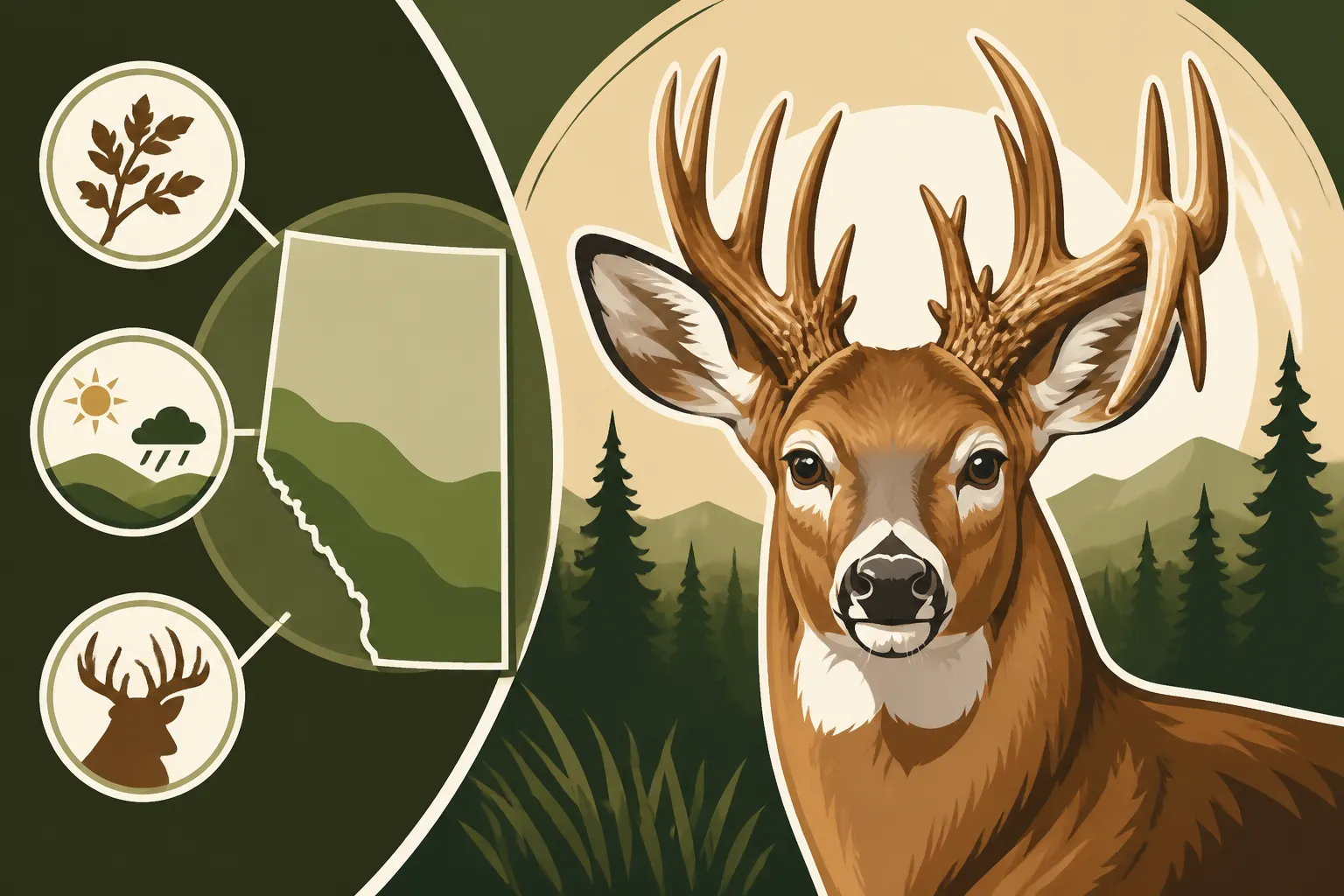
Hunting in Alberta, we’ve all seen those incredible bucks that just don't fit the mold – antlers twisting in unexpected directions, extra points jutting out, or even one side looking completely different from the other. It's a fascinating anomaly that often sparks questions and a healthy dose of wonder. This guide will dive into the various reasons behind these unique "nontypical" antler growths, helping you understand the forces at play in the wild.
The Mystery of Nontypical Antler Growth
When we talk about a "nontypical" buck, we're referring to a deer whose antlers deviate significantly from the symmetrical, uniform growth we usually see. Instead of mirroring each other, one side might have extra stickers, drop tines, or unusual palmation. It's not just a few small deviations; true nontypical antlers are often dramatically different, making each buck a unique trophy. Many hunters, myself included, are absolutely captivated by these unique racks, often valuing them even more than a perfectly symmetrical typical rack. It adds a layer of intrigue to the hunt and a story to every shed or harvested animal.
These unusual racks aren't just random occurrences; they're often the result of a complex interplay of factors, from the buck's genetic makeup to its environment and even the bumps and bruises it collects throughout its life. Understanding these factors can give us a deeper appreciation for the animals we pursue and the dynamic lives they lead in the Alberta wilderness. It’s a bit like a detective story, piecing together the clues that led to such a distinctive set of headgear.
What Defines a Nontypical Rack?
A typical rack generally refers to antlers that are symmetrical, with points (tines) originating from the main beam and generally pairing up on each side. We’re talking about those classic frames with matching G2s and G3s. A nontypical rack, on the other hand, is anything that deviates significantly from this conventional structure. This can include drop tines (points hanging downwards from the main beam), abnormal points originating from places other than the typical locations, unique palmation (flattening of the antler), or even main beams that grow in bizarre, twisted shapes.
The scoring systems, like Boone and Crockett or Pope and Young, have specific rules for distinguishing between typical and nontypical. Basically, if points aren't symmetrical or sprout from odd places, they're often classified as "nontypical inches" and factored into a separate score. These extra inches are what often make a nontypical buck so impressive, even if its main frame might not be as wide or tall as a high-scoring typical. For us hunters, it’s often about the character, not just the score sheet. These unique racks are a testament to the buck's individuality and journey.
Genetics: The Blueprint for Antlers
Just like a family trait passed down through generations, genetics play a foundational role in antler development. Some bucks are simply predisposed to growing nontypical antlers due to the genetic lottery they've won – or lost, depending on your perspective on symmetry. It's not always a clear-cut "nontypical gene," but rather a complex combination of genetic markers that can influence everything from antler shape and size to the propensity for abnormal points.
This genetic influence can sometimes be observed in certain bloodlines within a local herd. You might notice a particular area consistently producing bucks with unique characteristics, like regular drop tines or recurring forked G2s that aren't quite symmetrical. This doesn't mean every buck in that lineage will be a monster nontypical, but it increases the likelihood of seeing those unique traits emerge.
Inherited Traits vs. Random Chance
While a buck's genetics certainly set the stage for its potential antler growth, it's rarely a straightforward "if the dad was nontypical, the son will be too" scenario. Antler growth is polygenic, meaning multiple genes influence it, not just one. A buck might inherit a predisposition for wider spreads, taller tines, or even a tendency for extra points. However, whether these nontypical traits actually manifest can still be influenced by other factors throughout the buck's life. Think of it like being genetically predisposed to being tall – you still need good nutrition to reach your full height.
It's also important to remember that some nontypical traits might be inherited but only show up under certain conditions, like extreme age or specific environmental stressors. This makes studying genetic influence in wild deer herds quite challenging, but it's a huge focus for herd managers. For hunters, observing these patterns over years in a particular Hunting Alberta's Aspen Parkland Bluffs or Hunting a Foothills Bench Above a Creek can give you an informal understanding of local genetics. Using tools like GoHunt can help you track harvest data in specific WMUs, which over time, might reveal tendencies in antler growth patterns within those areas.
Management Implications for Genetic Nontypicals
From a herd management perspective, the role of genetics in nontypical antler growth is a hot topic. If a significant percentage of bucks in a specific area consistently show nontypical traits, and these traits are deemed undesirable by some management goals (e.g., aiming for a higher proportion of typical trophy bucks), then there might be discussions about selective harvesting. However, this is a complex issue, as "nontypical" doesn't necessarily mean "unhealthy" or "inferior." Often, these unique antlers are celebrated by hunters and add character to the herd.
Most often, the focus is on maintaining a healthy, balanced herd, and the occasional genetically-driven nontypical buck is just part of that natural diversity. Unless a nontypical trait is linked to a health issue or significantly impacts survival, it's generally seen as a fascinating aspect of deer biology. For individual hunters, encountering a genetically unique nontypical buck is a once-in-a-lifetime experience. It reminds us that every animal is distinct, and part of the thrill of White-Tailed Deer, Alberta's Most Hunted Big Game is never knowing exactly what you'll find around the next bend.
Injury: The Most Common Cause of Odd Antlers
While genetics can lay the groundwork, injury is by far the most common reason you'll see a buck sporting a truly bizarre, lopsided, or highly nontypical rack. Deer are active, sometimes reckless, animals, and the growing antlers, particularly when in velvet, are surprisingly delicate and susceptible to damage. Even minor trauma can have profound effects on the final antler structure.
Think about a young buck sparring aggressively during the summer, or perhaps a mature buck getting tangled in a fence or taking a tumble down a steep bank. These incidents, especially if they occur while the antlers are actively growing and full of blood vessels and nerves in the velvet stage, can alter the growth pattern for that year, and sometimes for subsequent years too.
Pedicle Injury: The Root of the Problem
The pedicle is the bony base on the buck's skull from which the antler grows. It’s like the foundation of a building. If this pedicle suffers damage – a hard blow, a fracture, or even a deep cut – it can severely disrupt the normal antler growth process. This kind of injury is particularly impactful because it affects the growth center itself. Imagine trying to grow a straight tree branch from a damaged knot on the trunk; it's just not going to happen perfectly.
A common scenario might involve a buck getting into a serious fight with another buck, not necessarily during the rut, but perhaps in late summer when antlers are still soft and developing. A well-placed kick or headbutt to the pedicle can cause internal damage. Another frequent culprit is entanglement in fences, where a buck struggles to free itself, twisting and wrenching the base of the antler. The resulting nontypical growth is often localized to the injured side, leading to a lopsided appearance where one antler is perfectly normal, and the other is a chaotic mess of points and twists. This immediate impact can even be seen when Reading Antler Growth in a Wet Year if the injury happened during a period of otherwise optimal growth.
Body Injury and Contralateral Antler Growth
Perhaps one of the most intriguing aspects of injury-induced nontypical growth is the "contralateral effect." This is where an injury to one side of the buck's body (like a broken leg, shoulder, or even a severe injury to its flank) can result in abnormal antler growth on the opposite side of its head. It sounds counterintuitive, but it's a well-documented phenomenon.
The theory behind this is that severe trauma to a limb or body part can disrupt nerve pathways or blood flow, or trigger a systemic stress response that affects the antler-growing process on the opposite side. The body dedicates resources to healing the severe injury, and this physiological stress can divert calcium and other nutrients, or simply alter hormonal balances that are crucial for symmetrical antler development. I've personally seen bucks in Alberta's farm country with a noticeably deformed hind leg that consistently threw a funky nontypical point or a weak main beam on the other side of their head year after year. It's a testament to the incredible, intricate connections within a deer's body.
Age and Nutrition: Shaping the Rack
Beyond genetics and injury, a buck's age and the quality of its diet play significant, albeit more subtle, roles in how its antlers develop, sometimes leading to nontypical formations. Think of a deer's life as a journey; at different stages, its body prioritizes different things, and antler growth is intimately tied to its overall health and vitality.
A buck doesn't just grow bigger antlers every single year until it dies. There's a peak, a prime, and then often a decline. Similarly, the richness of its habitat, whether it's the lush fields of the parkland or the sparse browse of a harsh winter range, directly impacts the raw materials available for antler construction.
The Influence of a Buck's Age
For many bucks, their "prime" for antler growth occurs between 4.5 and 7.5 years old. During these years, they often exhibit their most impressive and typical racks. However, as bucks get older, sometimes they start to "go backward" or develop unique characteristics. An old monarch of the forest might not have the same perfect symmetry it once did. Its body is diverting resources to simply surviving and maintaining its body condition, and less on producing a flawless set of antlers. This can manifest as shorter tines, weaker beams, or the appearance of a few odd, nontypical points as the buck enters its declining years.
This is a natural part of the aging process. It's not necessarily a sign of ill health, but rather a reflection of a body that's past its physical peak. When you're trying to figure out Aging a Deer by Its Teeth after a harvest, sometimes those nontypical characteristics can also be subtle clues to an older buck. A very old buck, even a healthy one, might just throw a random drop tine or a small clubby point on one side simply because its physiological systems aren't quite as perfectly tuned as they once were. These old, gnarly bucks are often the most revered by hunters, precisely because of their unique, battle-hardened appearance.
Nutritional Factors and Resource Allocation
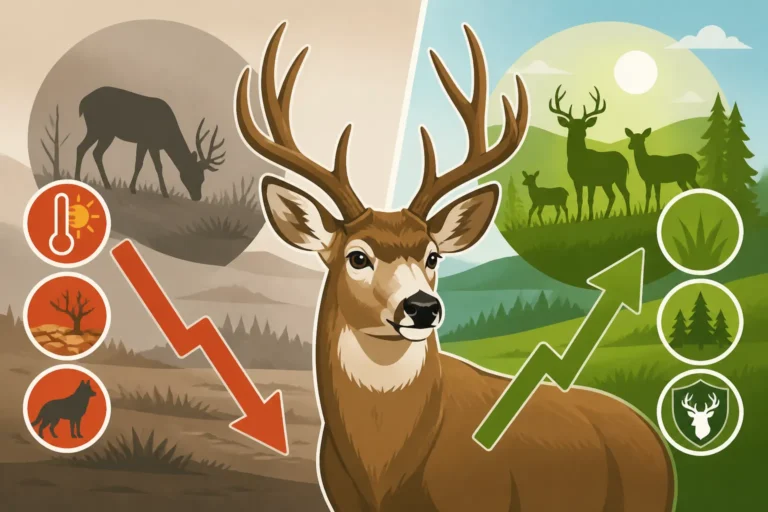
Antler growth is an incredibly energy-intensive process, demanding significant amounts of protein, calcium, phosphorus, and other minerals. If a buck lives in an area with poor forage quality, experiences a prolonged drought, or has to endure a particularly harsh winter, its body might struggle to provide the necessary resources for optimal antler development. In such situations, the body prioritizes survival over growing a perfect set of antlers.
A lack of crucial nutrients can lead to stunted growth, thin beams, and sometimes, even nontypical deformities. Imagine a plant trying to grow in poor soil; it might not grow symmetrically or as robustly. Similarly, a buck on a deficient diet might grow weaker, asymmetrical antlers with odd points, simply because its body can't spare the resources for perfect symmetry. This is particularly noticeable after a severe Alberta's Winter Kill and Game Numbers event or a period of What Drought Does to Alberta Game. The following antler growth cycles can reflect the toll these environmental stressors took on the deer. Conversely, even excellent nutrition can sometimes lead to an excess of resources, occasionally resulting in a small, extra point or a minor deviation on an otherwise typical rack. It just goes to show how complex antler growth really is.
Hormonal Influences and Disease: Less Common, but Significant
While less frequent than injury or genetic predisposition, a buck's internal chemistry, particularly its hormonal balance, and the presence of certain diseases can also lead to the development of nontypical antlers. These factors often represent a deeper, systemic issue within the buck’s physiology, making the resulting antler growth profoundly unusual.
Understanding these underlying causes sometimes requires a closer look at the buck's overall health and behaviour, offering insights beyond just a cool rack. It's a reminder that antlers are a direct reflection of a buck's internal state.
Aberrant Hormonal Levels
Testosterone is the primary hormone driving antler growth, mineralization, and the eventual shedding of velvet. Any significant disruption to a buck's testosterone levels can lead to highly abnormal antler development. For instance, a buck with unusually low testosterone might fail to shed its velvet completely, resulting in "cactus antlers" – a continuous, fuzzy, and often highly deformed growth that never hardens or sheds. These bucks, often referred to as "cactus bucks," are usually infertile or have significantly reduced reproductive capabilities due to the underlying hormonal imbalance.
Conversely, a sudden, drastic drop in testosterone due to injury (e.g., castration, accidental or otherwise) can also lead to bizarre antler growth patterns that may never harden or shed properly. These bucks are rare, but when encountered, their antlers are unmistakably unique, often soft, misshapen, and perpetually in velvet. These are extreme cases, but they highlight the critical role of hormones in the entire antler cycle.
Disease and Parasites
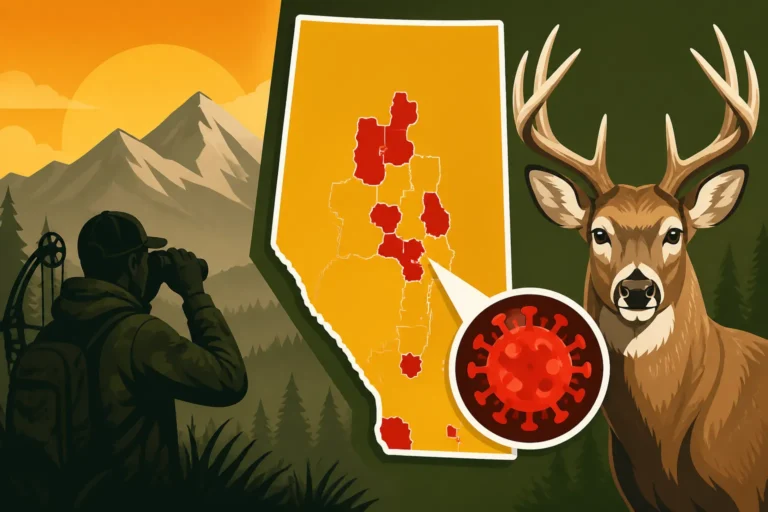
Serious diseases can take a massive toll on a buck's overall health, diverting critical energy and resources away from antler growth. Chronic Wasting Disease (CWD), for example, is a neurological disease that slowly degrades a deer's body condition. Bucks in advanced stages of CWD often exhibit severely malformed, stunted, or otherwise nontypical antlers, even if they were genetically predisposed to growing large, typical racks. The body simply cannot sustain normal growth when fighting such a debilitating illness. Alberta has specific requirements for Which WMUs Require a Deer Head Submission for CWD testing, which helps monitor the spread of this disease and its impact on herd health and antler development. For more information, you can always refer to Alberta's CWD Testing Requirements.
Heavy parasite loads, such as a severe infestation of internal worms or external ticks, can also drain a buck's vitality. While not as dramatic as a severe disease, chronic parasitic stress can subtly impact antler quality, sometimes leading to weaker points, reduced mass, or even minor asymmetries that could be classified as nontypical deviations. In essence, anything that compromises a buck's health and ability to thrive can potentially manifest in its antlers, making them a visible indicator of its life story and struggles.
Comparing Antler Types
To help visualize the differences we've discussed, here's a quick comparison of typical and nontypical antler characteristics:
| Characteristic | Typical Antlers | Nontypical Antlers |
|---|---|---|
| Symmetry | Generally symmetrical, matching points on each side. | Often asymmetrical, with significant differences. |
| Point Location | Points originate from the main beam, usually paired. | Points can originate from anywhere, including drop tines or basal points. |
| Beam Shape | Generally smooth, curving beams. | Beams can be twisted, flattened (palmate), or unusually shaped. |
| Growth Factors | Primarily genetics, age, and good nutrition. | Often caused by injury (pedicle or body), disease, hormonal imbalance, or extreme age. |
| Scoring | Measured for main frame points and spread. | Additional measurements for abnormal points, often adding to a separate score. |
| Commonality | More common than significant nontypical racks. | Less common, often making them highly sought after by hunters. |
This table illustrates that while typical antlers follow a more predictable pattern, nontypical antlers are a canvas for nature's variations, each telling a unique tale of the buck's journey through the Alberta wilderness.
What a Nontypical Buck Means for Hunters
For many hunters, encountering a nontypical buck is an unforgettable experience. These animals represent something truly unique, a deviation from the norm that makes them stand out in the landscape. Whether it's a massive monarch with a crown of drop tines or a character buck with a broken beam and a wild array of stickers, these deer tell a story.
When I’m out scouting, sometimes with a tool like GoHunt to analyze land features, I’m not just looking for big deer; I'm looking for interesting deer. A nontypical rack is inherently interesting. It might signal an older buck that has survived many seasons, a resilient animal that overcame an injury, or simply a genetic marvel. They become legendary within local hunting circles, the "ghost buck" with the unforgettable rack.
The allure of a nontypical isn't always about the score; it's about the character. It’s about the uniqueness and the story behind it. Harvesting such a buck is a special privilege, and even just observing one in the wild is a memory that sticks with you. It serves as a reminder that every animal is an individual, and the wilds of Alberta are full of surprises. While some might prioritize a perfectly symmetrical typical rack for a score, others, like me, find immense satisfaction in the character and individuality that a nontypical rack represents. These bucks add a special kind of magic to the woods and fields we hunt.
Disclaimer
This article is for general informational purposes only and does not constitute professional advice. Laws, prices and regulations vary by location and change over time. Consult a qualified professional for guidance on your specific situation.