Alberta’s Mountain WMUs and Their Access
For many hunters, the very thought of Alberta's mountain Wildlife Management Units (WMUs) conjures images of breathtaking vistas and truly challenging hunts, but it also brings questions about where these areas even are, what species roam there, and perhaps most importantly, how in the world you actually get to them. It's a daunting prospect for anyone used to farm fields or accessible bush, and the sheer scale can be overwhelming. This guide will walk you through everything you need to know about Alberta's mountain WMUs, from understanding their unique landscape and the species they hold, to navigating access challenges and preparing for a hunt that will test your limits and reward you like no other.
Deciphering Alberta's Mountain WMUs: Where the Wild Things Are
Alberta is a land of incredible diversity, and nowhere is that more apparent than in its transition from the rolling prairies to the majestic Rockies. Our mountain WMUs aren't just a geographical designation; they represent a distinct ecosystem and a different kind of hunting experience altogether. These are the areas where the elevations soar, the timber thins to alpine, and the air bites with a crispness that defines true wilderness. Understanding where these units are, and what makes them tick, is your first step towards a successful mountain adventure.
Identifying the True Mountain WMUs
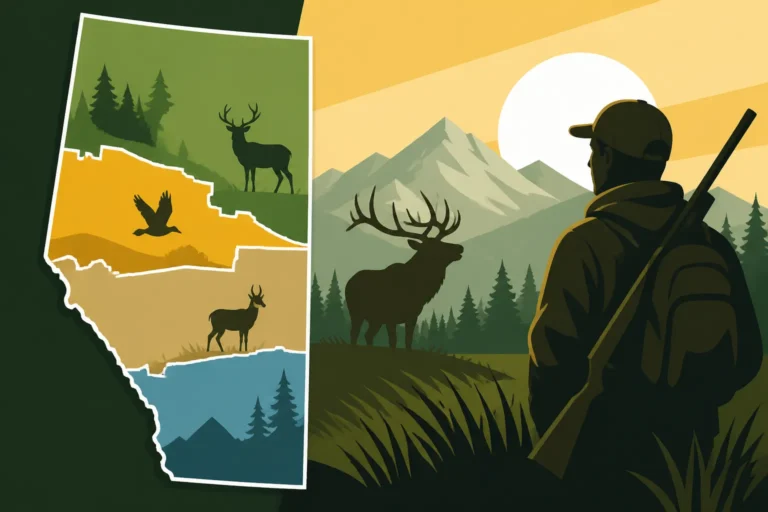
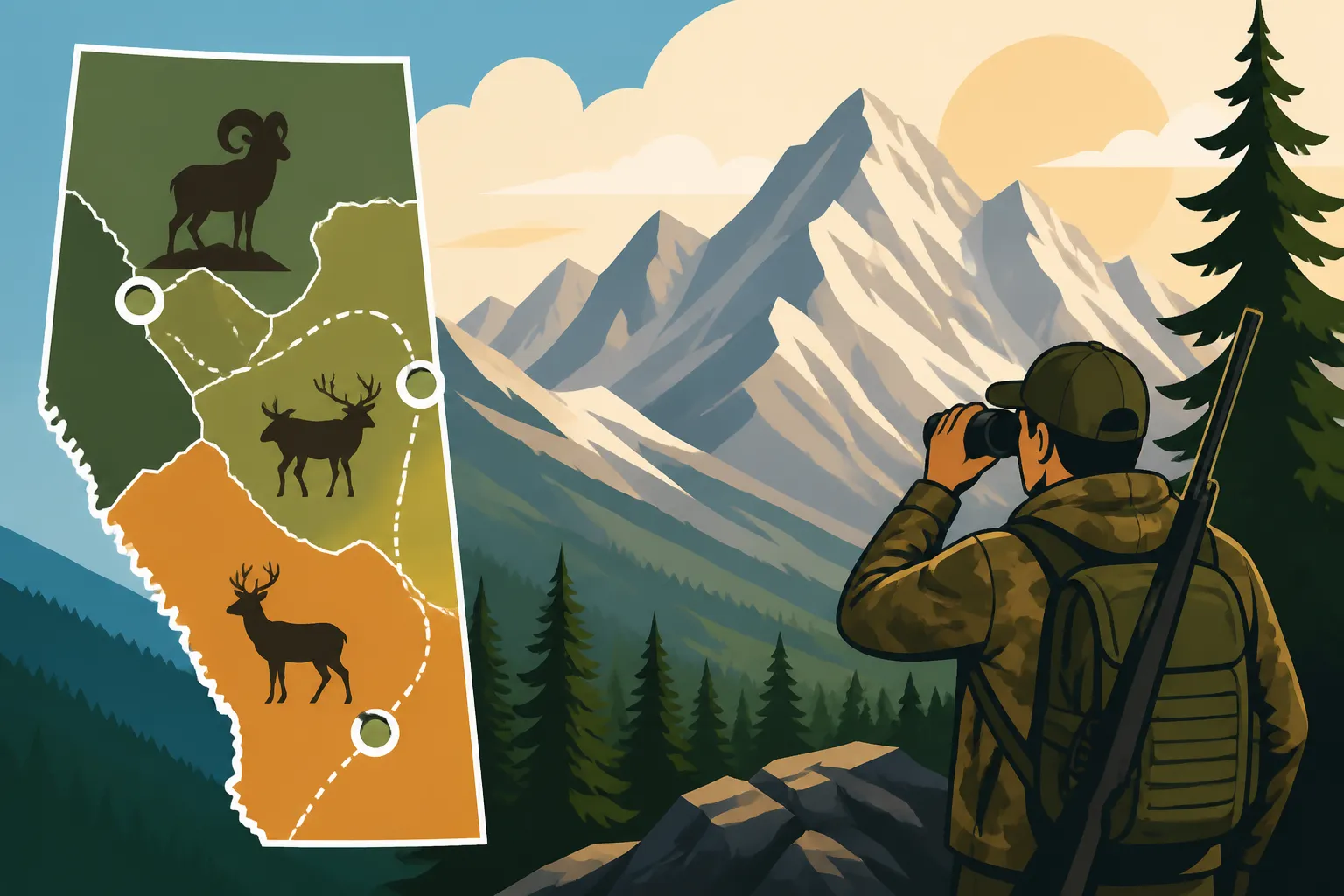
When you look at a map of Alberta's WMUs, you'll notice a distinct band running down the western edge of the province, right against the British Columbia border. These are predominantly our true mountain and foothills WMUs. We're talking about units like those in the 400 series, specifically the ones nestled high in the Front Ranges and beyond. While some foothills WMUs share characteristics, the "mountain" units are where you find the most rugged, high-elevation terrain, the steepest climbs, and the iconic species adapted to these demanding conditions. They often encompass provincial parks, wildland provincial parks, and vast tracts of Crown land, making public access a core component of hunting them, but also adding layers of complexity to how and where you can go. It’s crucial to realize that not all "western" WMUs are created equal; some are more foothills, offering a blend of timber and high ridges, while others are truly vertical and unforgiving.
For example, WMUs like 430 (Ghost), 432 (Kananaskis), 434 (Highwood), 436 (Livingstone), and the famed 444 (Willmore Wilderness Park) are prime examples. These aren't places you drive a truck through without a plan; they demand careful scouting and often multi-day excursions. The boundaries often follow natural features like major river drainages, mountain ranges, or prominent ridges, which can be a double-edged sword: natural landmarks are great for navigation, but they also mean that a single WMU can encompass an enormous variety of terrain, from valley bottoms to exposed peaks.
Understanding the Unique Mountain Ecosystem
The mountain ecosystem is a world apart from the agricultural lands or even the boreal forests. Here, life is dictated by elevation, aspect, and the relentless forces of weather. You'll find distinct vegetation zones: dense mixedwood forests at lower elevations, transitioning to coniferous forests, then subalpine parks, and finally the barren, windswept alpine above the treeline. This stratification directly impacts where you'll find different game species at various times of the year.
For instance, bighorn sheep and mountain goats are creatures of the high country, spending much of their lives in the exposed, rocky terrain above treeline or in steep, broken cliffs. Elk, while present in the high country during summer, often descend to lower elevations, particularly south-facing slopes, once the snows deepen, seeking critical winter range. Moose, surprisingly, can be found in the lower reaches of some mountain WMUs, often favoring willow bottoms along creeks and rivers where feed is abundant and shelter from heavy snow is available. Hunting Moose Around Alberta Beaver Ponds can even be a strategy in these lower mountain fringes. This diverse habitat supports a vibrant, albeit challenging, hunting experience, but it also means hunters need to be incredibly adaptable and knowledgeable about seasonal game movements. The rapid shifts in weather, the scarcity of water in some high-altitude areas, and the sheer physical demands of traversing this terrain are all part of the unique mountain equation.
The Unique Challenges of Hunting Alberta's Mountains
Let's be real: mountain hunting isn't for the faint of heart. It's a physical, mental, and logistical grind that will push you to your limits. If you've spent your hunting career cruising grid roads or setting up treestands in the bush, the mountains will be a rude awakening. But for those who embrace the challenge, the rewards are often unmatched, leading to truly unforgettable experiences.
Navigating Rugged Terrain and Vertical Ascent
The most obvious challenge in Alberta's mountain WMUs is the terrain itself. It's not just "hilly"; it's relentlessly steep, rocky, and often unforgiving. You'll encounter scree slopes that slip beneath your feet, dense timber so thick you can barely push through, and open alpine basins that offer no cover from the elements or the eyes of game animals. Every step is an effort, especially when carrying a heavy pack. A mile in the mountains can feel like five on flat ground, and gaining a thousand feet of elevation is a serious workout, even for the fittest individuals. This vertical world dictates your pace, your route choices, and your energy expenditure.
Think about scouting. In the prairies, you might drive a quarter section and glass from your truck. In the mountains, scouting means hours, often days, on foot, gaining elevation to see into basins, glassing distant ridges, and looking for subtle changes in aspect or vegetation that might hold game. You need to be able to read contours, understand avalanche paths (especially in late season or early spring), and assess water sources. Foot placement is critical, not just for stealth but for safety, as a twisted ankle miles from the nearest road can turn a challenging hunt into a life-threatening emergency. This is where meticulous planning and a solid understanding of topography become paramount.
Dealing with Unpredictable Mountain Weather
If you've ever heard the phrase "if you don't like the weather, wait five minutes," it was probably coined in the mountains. Mountain weather is notoriously fickle and can change from bright sunshine to a whiteout blizzard in a matter of hours, regardless of the season. A warm September morning can quickly give way to freezing rain or a foot of snow by afternoon. This unpredictability doesn't just make for uncomfortable hunting; it can be dangerous. Hypothermia is a real threat, even in what seems like mild conditions, if you get wet and the temperature drops.
Hunters need to be prepared for anything. This means carrying redundant layers of clothing – including waterproof and windproof outerwear – extra food, emergency shelter, and a reliable navigation system. Fog can roll in fast, obscuring landmarks and making it easy to get disoriented. High winds above treeline can sap your energy and make shooting impossible. Snow can quickly cover trails, obscure game tracks, and make travel treacherous. You might plan for an early archery hunt in crisp fall air, only to find yourself Hunting Alberta Winter Weather Safely as an early season snowstorm descends. Always have a contingency plan, know your escape routes, and be willing to turn back if conditions become too hazardous. The mountains will always be there for another day.
Accessing Alberta's Mountain WMUs: Getting Off the Beaten Path
The dream of hunting big game in the mountains often comes with the practical question: how do you actually get there? Unlike the vast network of roads in many other WMUs, mountain access is often limited, challenging, and requires specific strategies and equipment. This is where true wilderness hunting begins, far from the nearest paved road.
Understanding Road and Trail Networks
While some of the larger mountain WMUs have a limited number of main forestry roads or designated Public Land Use Zone (PLUZ) roads that allow vehicle access, these are often just the jumping-off points. These roads can be rough, requiring a high-clearance 4×4, and are often subject to seasonal closures due to snow, mud, or fire restrictions. Many of the best hunting areas are miles beyond these main arteries, requiring significant foot travel. The key is to know which roads are open, what condition they're in, and how far they actually take you into suitable hunting country.
Beyond vehicle access, designated trails become your highway into the backcountry. These are often old pack trails, hiking trails, or even reclaimed seismic lines. While they provide a clear route, they can still be steep, overgrown, or require river crossings. It's crucial to differentiate between trails that are legally open to motorized vehicles (ATVs, dirt bikes) and those that are foot or horseback traffic only. Respecting these rules is paramount, not just for legality but for minimizing impact and preserving the wild character of these areas. Using tools like onX Hunt can be invaluable for identifying these trail networks, understanding land designations, and knowing where vehicle access is permitted versus restricted.
The Role of Horseback and Foot Travel
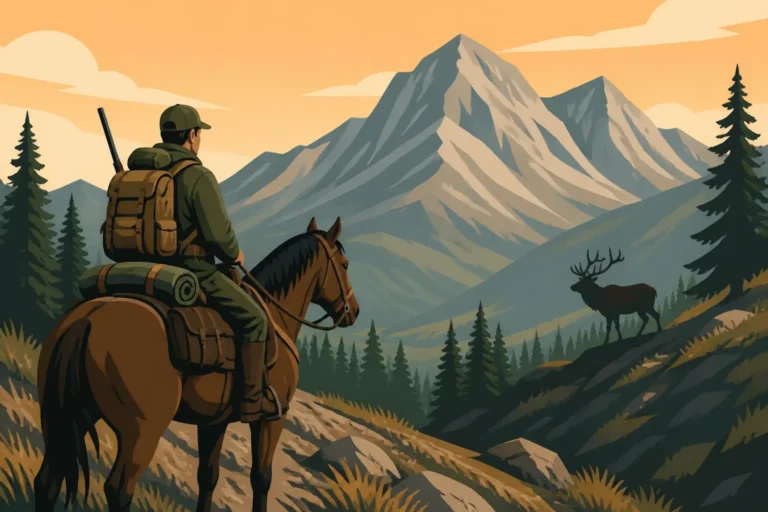
For many of Alberta's mountain WMUs, especially the more remote regions or those with limited road access, horseback is the traditional and often most effective way to reach prime hunting grounds. Horses allow you to cover significant distances with heavy loads, pack in camp supplies, and pack out game with less physical strain than backpacking alone. Outfitters in these areas almost exclusively rely on horses to get their clients into remote camps. If you don't own horses, hiring a packer or an outfitter with a pack string is a common approach.
However, even with horses, much of the actual hunting will still be done on foot. Horses can get you to a base camp, but stalking a bighorn ram or still-hunting an elk in dense timber requires stealth and precision that only comes from being on your own two feet. Backpacking Into Alberta Sheep Country is a common tactic for those seeking a self-guided adventure, carrying everything they need on their back for several days. This style of hunting demands exceptional physical fitness and a minimalist approach to gear, as every ounce counts. Whether you're riding in or walking, the ultimate success of your hunt often boils down to your willingness and ability to put in the miles on your own two feet, ascending and descending the rugged terrain.
Considerations for Remote Access and Fly-in Options
For the most remote and truly wild mountain WMUs, particularly in regions like Willmore Wilderness Park (WMU 444) or the northern reaches of the mountains, fly-in access might be an option, though it's typically far more expensive and tightly regulated. Flying in usually involves chartering a bush plane to land on a designated airstrip or a suitable lake if equipped with floats. This can cut days off your travel time and put you deep into untouched areas. However, these operations require specific permits, and there are strict limitations on what you can bring in and, crucially, what you can fly out.
Think about the logistics: if you fly in and harvest an animal, you still need to quarter it and get it to the plane's pick-up point, often making multiple trips. Weight limits are critical, so you can't bring out an entire moose carcass in one go. The cost and planning involved often mean this is a strategy primarily used by guided hunters or very experienced, well-funded groups. For most resident hunters, the primary remote access will still be via extended horseback trips or multi-day backpacking treks, embracing the challenge of traditional wilderness travel and making every mile earned count.
Key Species and Seasons in Alberta's Mountain WMUs
Hunting in Alberta's mountain WMUs isn't just about the scenery; it's about the incredible big game species that call this challenging environment home. Each species presents its own unique hunting experience, requiring different strategies, seasons, and often, draw success.
Bighorn Sheep: The Icons of the High Country
For many, the bighorn sheep is the quintessential mountain hunting trophy. These magnificent animals thrive in the exposed, rocky ridges and alpine basins above treeline, making them incredibly difficult to hunt. Class 1 (trophy) bighorn sheep licences are highly coveted, and while Alberta residents can simply buy them, some special WMU draws are competitive. The seasons are typically short, usually opening in late August or early September and running through the fall, focusing on mature rams. These early seasons are ideal for glassing high basins before heavy snow pushes the sheep down.
Hunting bighorns demands exceptional physical fitness, keen eyesight, and patience. You'll spend countless hours behind binoculars and spotting scopes, picking apart distant slopes, looking for the tell-tale curl of a ram. Once spotted, a stalk can take hours, involving arduous climbs, navigating treacherous terrain, and often requiring multiple attempts as the sheep move. Judging a Full-Curl Bighorn Ram is a critical skill, as regulations are strict about what constitutes a legal ram. Success is often measured not just by a filled tag, but by the sheer challenge and immersion in their vertical world. For those lucky enough to hold a licence, it's often a once-in-a-lifetime hunt.
Mountain Goats: Masters of the Cliffs
Another apex species of Alberta's true mountain WMUs is the mountain goat. Even more so than bighorn sheep, goats prefer the steepest, most broken cliffs and jagged peaks, seemingly defying gravity as they navigate terrain that would be impassable for other ungulates. Like bighorn, mountain goat tags are highly prized and acquired only through a difficult draw system. The seasons generally align with bighorn, opening in late summer and continuing into the fall, aiming for billy goats.
Hunting mountain goats is a test of sheer will and extreme physical capability. Spotting them amidst the white rock faces can be incredibly challenging, and getting within shooting range often involves climbing through truly dangerous terrain. Hunting Mountain Goat in Broken Cliffs highlights the extreme nature of these pursuits. Recovery of a harvested goat can be even more perilous, often requiring specialized rope work or careful planning to prevent a valuable animal from tumbling down a cliff face. Similar to sheep, the extreme physical demands mean this hunt is a rare opportunity for even the most dedicated mountain hunters.
Elk and Moose: Valley Bottoms and Timberline Edges
While bighorn and mountain goats dominate the high alpine, elk and moose are also found in many mountain WMUs, particularly in the lower elevations, river valleys, and along the timberline. Elk, known for their bugling during the fall rut, frequent the subalpine parks and timbered slopes. Bugling Elk in Alberta's Foothills is a popular and effective method in these areas, particularly during September. General elk tags are available in some mountain WMUs, while others require specific draws for antlered or antlerless animals, so always check the regulations carefully.
Moose, while more typically associated with the boreal forest, inhabit the willow-choked creek bottoms and marshy areas within many mountain and foothills WMUs. They seek out the lush browse and shelter offered by these riparian zones. Hunting moose in the mountains often means focusing on these valley bottoms, river flats, and along cutlines or old logging roads that penetrate deeper into the timber. Their sheer size makes packing one out of steep country an immense undertaking, making a successful Getting a Moose Out With a Quad or using horses a distinct advantage. Seasons for both elk and moose vary significantly by WMU and specific licence types (general vs. draw), so consulting the Alberta Big Game Season Dates is essential for planning.
Navigating Regulations and Specific Rules for Mountain WMUs
Hunting in Alberta's mountain WMUs isn't just about physical prowess; it's also about meticulous adherence to a complex web of regulations. These areas, often encompassing sensitive ecosystems and draw-only species, have specific rules designed to manage wildlife populations and preserve the wilderness experience. Failing to understand these can lead to serious legal trouble and a spoiled hunt.
The Special Licence Draw System
For the most sought-after mountain species, like mountain goats and some bighorn sheep hunts, Alberta uses Special Licence Draws. Alberta residents do not have to enter a draw for class 1 (trophy) sheep licences; they buy them, though class 2 (non-trophy) sheep are drawn (draw 29) and five resident WMU-special class 1 sheep draws (410, 437, 444/446, 408, 438) exist. Non-resident Canadians draw for class 1 sheep (draw 31). In the special WMU draws that use priority, such as 410, 437, 444/446 and 408, the odds can be low, especially for prime WMUs. Alberta's Draw Priority Point System explains this in detail, but suffice it to say, patience is key.
Understanding the application process, deadlines, and how to maximize your draw odds is critical. Some WMUs might have slightly better odds due to remoteness or difficulty, but generally, mountain goat draws and the special WMU sheep draws are fiercely competitive. Hunters often plan their entire hunting careers around the goal of landing one of these tags. For other species like elk or moose, specific mountain WMUs might also have draw-only seasons or antler point restrictions to manage local populations. Always double-check the current regulations for the specific WMU and species you intend to hunt.
Quotas, Harvest Limits, and Reporting Requirements
Beyond the draw system, many mountain WMUs have strict quotas or harvest limits for certain species, especially for less common animals or those managed for trophy quality. For example, some WMUs might have a limited number of bighorn sheep tags allocated, or they might stipulate that only rams with a specific curl size are legal. Mountain goats often have similar restrictions. These limits are in place to ensure sustainable populations and prevent overharvesting.
It's also crucial to understand and adhere to all reporting requirements. If you're successful in harvesting an animal on a special licence, you'll almost certainly need to report your harvest within a specific timeframe and often submit samples (like the lower jaw for aging, or tissue for CWD testing, as covered in Alberta's CWD Testing Requirements) to wildlife officials. This data is vital for wildlife management. Failing to report, or incorrect reporting, can result in fines or loss of future hunting privileges. These aren't just bureaucratic hurdles; they are essential components of responsible resource management in fragile mountain environments.
Land Use Zones and Vehicle Restrictions
Many of Alberta's mountain WMUs fall within designated Public Land Use Zones (PLUZs), which have their own set of rules regarding recreational activities, including hunting. These rules can dictate where you can camp, where you can have fires, and, most importantly, where and what type of vehicles are allowed. Some areas are entirely non-motorized, meaning only foot or horseback travel is permitted. Others may allow ATVs on designated trails only, with strict prohibitions against off-trail travel to protect sensitive ecosystems.
Understanding these PLUZ regulations is non-negotiable. Illegally driving an ATV into a restricted area isn't just a ticketable offense; it causes significant environmental damage and degrades the wilderness experience for everyone. Always consult the specific PLUZ maps and regulations for your chosen WMU before heading out. Alberta's Public Land Use Zones Explained provides a good overview, but detailed, up-to-date maps are essential. The goal is to minimize your impact on these wild spaces, ensuring they remain pristine for future generations of hunters and outdoor enthusiasts.
Essential Gear and Preparation for a Mountain Hunt
A successful mountain hunt is rarely a matter of luck; it's the culmination of meticulous planning, physical conditioning, and having the right gear. The harshness of the environment demands gear that is both robust and lightweight, and preparation that addresses both the physical and mental demands.
Physical Conditioning: Building Mountain Stamina
This cannot be stressed enough: mountain hunting is an athletic endeavor. You will be climbing steep grades, traversing uneven terrain, and potentially carrying heavy loads (your gear, and hopefully, meat) at altitude. If you're not physically prepared, you'll be miserable, ineffective, and potentially put yourself and your hunting partners at risk. There's no shortcut here; you need to train specifically for the demands of the mountains.
Your training regimen should include a combination of cardiovascular endurance, strength training, and, most importantly, hiking with a weighted pack. Start months in advance, gradually increasing the weight in your pack and the duration and intensity of your hikes. Focus on exercises that strengthen your legs, core, and back. Practice climbing hills or stairs, as sustained uphill effort is a hallmark of mountain hunting. Don't forget flexibility and balance, crucial for navigating scree fields and rocky slopes. Many hunters even practice walking long distances in the specific boots they'll be wearing to ensure they're broken in and comfortable. A hunt in the mountains is not the place to "get in shape." You need to be in shape before you even step foot on the trail.
Layered Clothing and Quality Footwear
Because mountain weather is so unpredictable, a sophisticated layering system is absolutely essential. You need clothing that can handle everything from warm, sunny days to freezing rain, snow, and howling winds. This means a good wicking base layer to manage moisture, an insulating mid-layer (fleece or puffy jacket) for warmth, and a bombproof outer shell (waterproof and windproof) for protection from the elements. Avoid cotton at all costs; it holds moisture and loses its insulating properties when wet, leading to hypothermia. Pack extra layers, even if it feels like overkill.
Equally important are your boots. This is not the place for lightweight hikers. You need sturdy, waterproof, high-ankled boots that provide excellent ankle support, stiff soles for traversing rocky terrain, and aggressive traction. They need to be well broken-in before your hunt to prevent debilitating blisters. Many mountain hunters opt for a stiff mountaineering boot. Consider bringing multiple pairs of quality wool or synthetic socks. Your feet are your primary mode of transportation, and painful feet will ruin a hunt faster than anything else.
Essential Navigation and Safety Tools
Getting lost in the mountains is a serious, life-threatening situation. Reliable navigation tools are paramount. While a GPS unit or a smartphone with a robust mapping app like onX Hunt is indispensable, always carry a physical map and compass and know how to use them, even if your batteries die. Mark your route, key landmarks, and potential escape routes. A satellite messenger or personal locator beacon (PLB) is also highly recommended, allowing you to send emergency signals even without cell service, which is almost non-existent in much of Alberta's backcountry.
Beyond navigation, a comprehensive safety kit is critical. This includes a well-stocked first-aid kit (know how to use it!), fire-starting materials, a headlamp with extra batteries, an emergency shelter (like a lightweight tarp or bivvy bag), enough food and water for at least an extra day or two, and a knife. Bear spray is a non-negotiable item, as you are operating in prime grizzly and black bear country. Tell someone your detailed hunting plan, including your route, expected return time, and contingency plans. Emergency Plans in Alberta's Backcountry are not just good ideas; they are lifesavers.
Utilizing Mapping Tools for Mountain WMUs
In the vast, complex terrain of Alberta's mountain WMUs, traditional paper maps are a great starting point, but modern digital mapping tools have become indispensable. These technologies can literally be the difference between a frustrating, unproductive hunt and a successful, safe adventure. They allow for unparalleled planning, navigation, and real-time decision-making in the backcountry.
Planning with Satellite Imagery and Topographical Maps
Long before you even set foot in the mountains, digital mapping tools allow you to conduct extensive "e-scouting." Platforms like onX Hunt or GoHunt provide high-resolution satellite imagery that can reveal hidden basins, timber pockets, natural funnels, and potential game corridors that would be impossible to see from a ground perspective or even on a standard paper map. You can identify potential bedding areas, feeding zones, and water sources.
Overlaying this satellite imagery with detailed topographical maps is where the real magic happens. Topo lines show you elevation changes, revealing just how steep that ridge actually is, or where a climb might be manageable versus impossible. You can mark waypoints for potential glassing points, water caches, or emergency shelters. Understanding the terrain's contours, identifying saddles, draws, and benches that might hold animals, becomes far easier from the comfort of your home. This level of pre-hunt planning allows you to visualize potential routes, estimate travel times, and identify areas that might warrant closer inspection once you're on the ground.
Real-Time Navigation and Waypoint Management
Once you're actually in the field, these mapping tools truly shine. A GPS-enabled device (smartphone or dedicated GPS unit) running an app like onX Hunt allows for real-time navigation. You can see your exact position on the map, track your movements, and ensure you're staying on course or within WMU boundaries. This is especially critical in dense timber or during adverse weather conditions like fog or snow, where visibility is limited and landmarks disappear.
The ability to mark and save waypoints on the fly is another game-changer. Spotted fresh sign? Mark it. Found a promising glassing knob? Mark it. Harvested an animal? Mark the kill site so you can find it again, especially if darkness falls or weather moves in. You can also track your path, making it easier to retrace your steps back to camp or your vehicle. Many hunters use these apps to mark water sources, potential camp spots, or areas of high animal activity. This dynamic navigation capability greatly reduces the chances of getting lost and increases your efficiency in covering ground and finding game.
Sharing Information and Enhancing Safety
Digital mapping platforms aren't just for individual use; they can significantly enhance group communication and safety. If you're hunting with partners, you can often share your marked waypoints, routes, and real-time locations, allowing everyone in the group to stay informed of each other's whereabouts and discoveries. This is especially helpful if you split up to cover more ground or if someone needs assistance.
Furthermore, by having detailed maps and GPS coordinates readily available, you can more accurately communicate your location in an emergency situation. If you need to contact search and rescue via a satellite messenger, providing precise coordinates from your mapping app can drastically reduce response times. Knowing your exact location within a WMU can also prevent accidental trespass onto private land or into restricted areas, ensuring you stay compliant with all regulations. These tools transform how hunters interact with the vastness of Alberta's mountain wilderness, making the experience safer and more productive.
Responsible Hunting and Conservation in Alpine Environments
Hunting in Alberta's mountain WMUs carries with it a profound responsibility. These are fragile ecosystems, home to some of the province's most iconic and vulnerable species. True mountain hunters understand that being a steward of the land and its wildlife is just as important as the pursuit of game.
Minimizing Environmental Impact
The "Leave No Trace" principles are paramount in mountain hunting. This means packing out everything you pack in, including all trash, spent casings, and any non-organic waste. Avoid building large fires; instead, use a small, contained stove for cooking. If you must have a fire, choose established fire rings or create a small, temporary one that leaves no lasting impact. Avoid cutting live trees for firewood. When camping, select durable surfaces like established campsites or bare rock, and set up camp away from water sources.
Vehicle use and ATV travel should strictly adhere to designated trails and routes. Going off-trail, especially in wet conditions, can cause significant erosion and damage sensitive vegetation that takes decades to recover. Be mindful of fragile alpine meadows and wetlands. When field dressing an animal, scatter the entrails away from trails and water sources, allowing scavengers to do their work naturally. The goal is to leave the landscape exactly as you found it, or even better, to ensure future generations can experience the same pristine wilderness.
Ethical Hunting Practices and Fair Chase
Ethical hunting in the mountains extends beyond just following the letter of the law. It's about upholding the spirit of fair chase and respecting the animal you pursue. This means knowing your limits as a shooter and only taking shots you are confident in making cleanly. Long-range shooting can be incredibly challenging in the mountains due to wind, elevation changes, and difficult angles; practice extensively at various distances and inclines. Wounding an animal and losing it in steep, unforgiving terrain is a tragedy for the hunter and a waste of a precious resource.
Fair chase also means understanding and respecting the capabilities of mountain game. These animals are masters of their environment, and the hunter must earn their harvest through skill, perseverance, and knowledge. Avoid tactics that give you an unfair advantage, such as using motorized vehicles to pursue game or hunting from planes. It's about the challenge, the journey, and the respect for the wild. Packing Out of Alberta's Mountain WMUs is a testament to this, proving that a successful hunt isn't over until the meat is out, often requiring immense effort after the shot.
Contributing to Conservation Efforts
As a hunter in Alberta's mountain WMUs, you play a vital role in conservation. Beyond ethical practices, this includes supporting organizations dedicated to wildlife and habitat protection. Your licence fees directly contribute to wildlife management and research. Participating in voluntary programs, such as submitting CWD samples even when not mandatory, provides valuable data to wildlife biologists.
Advocate for responsible land use and habitat preservation. Speak up for policies that protect critical winter range for elk and moose, or maintain the integrity of bighorn and mountain goat habitat. Consider volunteering for trail maintenance projects or habitat improvement initiatives. The future of hunting in Alberta's mountains depends on the collective efforts of hunters to be proactive stewards of these incredible resources. By embracing these responsibilities, mountain hunters ensure that the wilderness experience and the opportunity to pursue these magnificent animals will endure.
Mountain Hunting Logistics: Planning Your Expedition
A mountain hunt is an expedition, not just a day trip. The logistics alone can be overwhelming, from how you'll get there and what you'll eat, to how you'll handle a successful harvest miles from the nearest road. Careful planning in these areas is crucial for success and safety.
Camp Setup and Resupply Strategies
Unlike roadside hunting, setting up camp in mountain WMUs requires careful thought. You might be establishing a base camp near vehicle access, or a spike camp deep in the backcountry, only reachable by foot or horseback. Base camps can be more elaborate, with wall tents, wood stoves, and more amenities. Spike camps, on the other hand, are minimalist affairs: lightweight tents, sleeping bags, and essential gear, designed for mobility and minimal impact.
Resupply becomes a major consideration for longer hunts. If you're backpacking for multiple days, every item of food and fuel must be planned. For horse-supported hunts, you might have the option of leaving caches of food or water along your route, or arranging for a mid-hunt resupply. Water sources in the mountains can be plentiful, but always filter or treat any water you collect to prevent giardia and other illnesses. Planning your food to be nutritious, lightweight, and easy to prepare is key to maintaining energy levels during arduous days.
Game Recovery and Meat Care in the Wild
The moment you harvest an animal in the mountains, the real work often begins. Getting a large animal, like an elk or moose, out of steep, rugged country can be an epic undertaking. Quartering the animal quickly and efficiently is essential, especially in warmer conditions. You'll need game bags to protect the meat from flies and dirt. Meat Care in Alberta's Cold and Warm Swings provides excellent advice, but in the mountains, cooling the meat rapidly is even more critical due to the physical exertion involved in packing it out.
Packing out often involves multiple trips over challenging terrain, carrying heavy loads. A sturdy frame pack is indispensable. For sheep or goats taken high up, special care needs to be taken to get the cape and horns down safely. Hunting Mountain Goat in Steep Rock and Hunting Mountain Goat in Broken Cliffs specifically touch on the recovery challenges of mountain goats. Consider the distance to your vehicle or pick-up point and estimate the number of trips required. This physical demand is why pre-hunt conditioning is so important; you need to be strong enough to not only hunt but to recover your hard-earned prize.
Communication and Emergency Preparedness
While digital maps aid navigation, communication in the mountains is often non-existent. Cell service is rare to non-existent in most mountain WMUs. This makes satellite communication devices, like Garmin InReach or Spot devices, incredibly valuable. These allow you to send pre-programmed messages to family or friends, update them on your location, and most critically, send an SOS signal in a true emergency.
Beyond communication, a comprehensive emergency plan is vital. This includes a robust first-aid kit, knowledge of basic wilderness first aid, and contingency plans for unexpected events like injuries, severe weather, or getting separated from your group. Always let someone responsible know your detailed itinerary, including your entry and exit points, intended route, and expected return date. This "trip plan" is the first thing authorities will look for if you don't return on time. Remember, you are a long way from help in these areas, and self-reliance is your best defense.
Table: Mountain WMU Species & Access Overview
To give you a quick glance at some of the common hunting considerations across Alberta's mountain WMUs, here's a helpful table. Keep in mind that specific rules and access points can vary greatly even within these broad categories, so always consult current regulations for your specific WMU.
| Species | Typical Habitat / Elevation | Common Access Method | Draw Type / General | Key Challenge |
|---|---|---|---|---|
| Bighorn Sheep | High alpine, rocky ridges | Foot / Horseback | Special Draw (High Pts) | Extreme terrain, low draw odds, long stalks |
| Mountain Goat | Steep cliffs, jagged peaks | Foot / Horseback | Special Draw (High Pts) | Dangerous terrain, recovery, low draw odds |
| Elk | Subalpine parks, timberline | Foot / Horseback / ATV (limited) | General / Special Draw | Physical demand, locating herds, packing out |
| Moose | Valley bottoms, willow thickets | Foot / ATV (limited) | General / Special Draw | Heavy cover, packing out large animals |
| Mule Deer | Timberline, open slopes | Foot / Horseback | General | Spotting in broken country, steep climbs |
| Black Bear | Timbered slopes, clearcuts | Foot / ATV (limited) | General | Locating, judging size, thick cover |
This table offers a snapshot of the varied experiences you can expect. Remember that "general" often means you still need to scout and put in the work. The "key challenges" listed are inherent to mountain hunting and underscore the need for thorough preparation.
Alberta's mountain WMUs offer an unparalleled hunting experience, a true test of skill, endurance, and spirit. They are not for the casual hunter, but for those willing to put in the immense effort, the rewards—in terms of majestic scenery, challenging pursuit, and the deep satisfaction of earning a hard-won trophy—are simply incredible. Embrace the challenge, plan meticulously, and always prioritize safety and conservation. The mountains are calling, and with the right preparation, you can answer.
Disclaimer
This article is for general informational purposes only and does not constitute professional advice. Laws, prices and regulations vary by location and change over time. Consult a qualified professional for guidance on your specific situation.