Hunting the Ghost Public Land Use Zone
Hunting the Ghost Public Land Use Zone can feel like trying to solve a complex puzzle, especially with its unique blend of accessible and remote terrain right on Calgary's doorstep. Many hunters find themselves overwhelmed by the sheer size and diverse regulations of this popular area, wondering how to even begin scouting, let alone finding game. This guide is designed to cut through that confusion, offering clear, actionable advice to help you navigate the Ghost PLUZ effectively and ethically, making your next hunt a success.
Understanding the Ghost Public Land Use Zone
The Ghost Public Land Use Zone (PLUZ) isn't just another patch of Crown land; it's a dynamic, multi-use landscape nestled in Alberta's stunning front-range foothills. For many, it represents a fantastic opportunity for public land hunting relatively close to major population centers, but that also comes with its own set of challenges and responsibilities. It’s a place where you can find solitude if you're willing to work for it, or encounter a bustling mix of outdoor enthusiasts on any given weekend.
What is the Ghost PLUZ?
The Ghost PLUZ stretches across a significant portion of the Eastern Slopes, specifically west of Cochrane and Canmore. It's a vast area, characterized by rolling foothills, deep river valleys carved by the Ghost River and its tributaries, and increasingly rugged terrain as you push west towards the mountains. This isn't flat prairie or dense boreal forest; it's a transitional zone that offers a rich mosaic of habitats. Think aspen and pine forests giving way to open meadows, interspersed with dramatic coulees and steep slopes. This diverse geography is precisely what makes it appealing for so many different species of wildlife, and consequently, so many different types of hunters. Understanding its designation as a Public Land Use Zone means recognizing that it's managed for multiple recreational activities, not just hunting, which means sharing the space and adhering to specific rules designed to minimize conflict and protect the environment.
Key Regulations and Access Rules
Navigating the Ghost PLUZ requires a keen understanding of its specific regulations, which can differ from general Crown land rules. The biggest differentiator often revolves around Off-Highway Vehicle (OHV) use. While certain main routes, like portions of the Forestry Trunk Road (Highway 940), are accessible, many side trails and areas within the PLUZ have restrictions or outright prohibitions on motorized access. Some areas are designated as "non-motorized" zones, meaning you'll need to rely on your own two feet, a mountain bike, or horseback to get deeper in.
It’s absolutely crucial to consult the most current Alberta Hunting Regulations and the Public Land Use Zone maps (often found on the Alberta Parks website or through apps like onX Hunt) before you head out. These resources will detail specific closures, seasonal restrictions, and camping rules. For instance, random camping is often permitted, but there might be restrictions on where you can set up camp, fire bans, or limits on the duration of your stay. Failing to understand these rules can lead to fines, frustrating encounters with other users, or even closures that impact everyone. Always remember that conditions can change rapidly, especially with wildfire risks or environmental sensitivities.
Relevant Wildlife Management Units (WMUs)
The Ghost PLUZ primarily encompasses parts of WMU 404, with adjacent areas potentially falling into WMUs like 406 or 408, depending on exactly where you are within its sprawling boundaries. Each WMU has its own distinct set of regulations regarding season dates, bag limits, and specific hunting opportunities for different species. This is where your planning really needs to get granular. For example, general tags might be available for whitetails in WMU 404, but antlered moose or elk could be draw-only in that same unit, or have different season lengths entirely.
Understanding the specific WMU you intend to hunt within the Ghost is non-negotiable. It dictates what you can hunt, when you can hunt it, and with what type of tag. Many hunters find success by studying the historical draw odds for these specific WMUs through resources like GoHunt, even if they're planning a general season hunt, as it provides insight into animal populations and hunting pressure. The varied terrain of the Ghost, transitioning from lower foothills to more mountainous zones, means that species distribution and hunting strategies can shift dramatically even within a single WMU. For a deeper dive into the broader region, check out our guide on Hunting Alberta's Foothills Country.
Navigating the Terrain and Finding Game
The Ghost PLUZ is a truly unique environment, a real gem for those willing to put in the effort. But because it's such a diverse landscape, finding game here isn't a "one size fits all" proposition. You'll need to adapt your strategy to the specific terrain and the habits of the animals that call it home. It's not uncommon to hike for miles and see little, only to stumble upon a honey hole just around the next bend.
Typical Game Species in the Ghost
The Ghost PLUZ is a fantastic place to pursue a variety of big game, making it a popular destination for many hunters. You'll primarily find healthy populations of elk, mule deer, and white-tailed deer here. Each species utilizes the varied habitat in slightly different ways, so understanding their preferences is key.
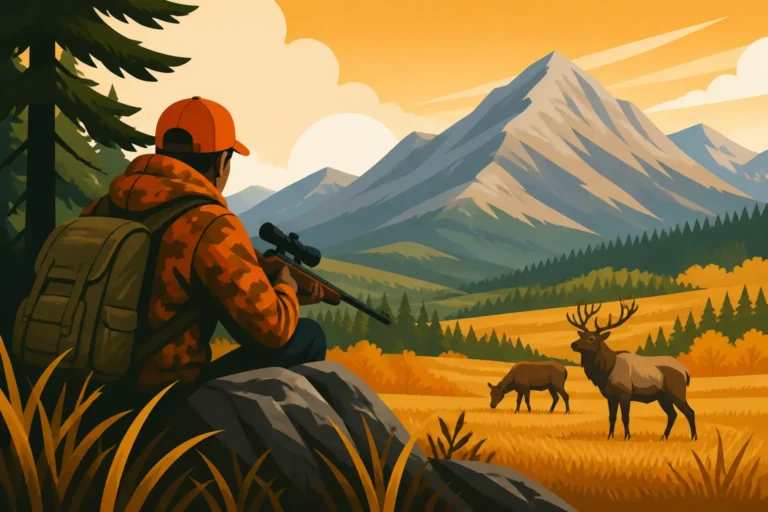
Elk often frequent the higher elevations and timbered slopes, especially during the archery season when they're bugling in the thicker cover. As rifle seasons progress, they might move into more secluded pockets or migrate to lower elevations as snow accumulates. They thrive in the mix of open meadows for grazing and dense forest for security. To learn more about these magnificent animals, take a look at our article on Elk in Alberta's Mountains and Farmland.
Mule deer are masters of the broken country. Look for them in the steep, timbered draws, along cutbanks, and in the sparse patches of timber on south-facing slopes, where they can soak up the sun. Their incredible eyesight makes spotting and stalking a challenge, but their habit of bedding in specific areas can make them predictable once you learn their patterns. Our guide on Mule Deer in Alberta's Open Country offers more insights into hunting these majestic animals.
White-tailed deer are also present, often preferring the lower, brushier creek bottoms and the edges of agricultural fields that sometimes border the eastern fringes of the PLUZ. They are more adaptable and can be found in surprising places, especially if there's good cover and a consistent food source. For general tips on hunting them, see White-Tailed Deer, Alberta's Most Hunted Big Game.
Black bears are common throughout the timbered areas, especially in spring when they emerge from dens, often seeking green-ups along south-facing slopes or in burn areas. While less common, the Ghost also falls within grizzly bear country, so constant bear awareness is paramount. For those holding a sheep licence, bighorn sheep can also be found in the most rugged, high-elevation parts of the PLUZ, typically far from any roads. Moose are present in some of the wetter, denser creek bottoms and lowlands, though usually in lower densities than elk or deer.
Access Points and Trail Systems
Accessing the Ghost PLUZ is predominantly done via the Forestry Trunk Road (Highway 940) which runs north-south through its western boundary. From this main arterial, a network of smaller, often unmaintained, roads and trails branch off, leading into various drainages and valleys. It's important to understand that not all "roads" are created equal here. Some are well-graded gravel that can handle a 2WD truck, while others quickly devolve into rough, rocky tracks or muddy quagmires requiring a 4×4 or OHV.
Many of the most productive hunting areas are found off the main routes, requiring you to utilize designated OHV trails or to park your vehicle and proceed on foot. Some areas are strictly non-motorized, providing a true backcountry experience. This is where tools like onX Hunt become invaluable. You can overlay different map layers, clearly seeing the difference between main roads, designated OHV trails, and non-motorized zones. This helps you plan your approach, understand your legal access, and avoid unknowingly trespassing or violating PLUZ rules. For those planning to use OHVs, it's vital to be familiar with Alberta's Quad and OHV Trail Rules to ensure you're compliant. Remember, the deeper you go, the fewer people you'll likely encounter, but the more self-sufficient you'll need to be.
Scouting and Strategy for the Ghost PLUZ
Scouting is paramount in an area as expansive and diverse as the Ghost PLUZ. Don't expect to just drive up, jump out, and find game. Successful hunting here starts long before opening day. Begin with remote scouting using satellite imagery. Programs like Google Earth or the satellite overlays in onX Hunt can reveal potential bedding areas, travel corridors, water sources, and natural funnels that might hold animals. Look for south-facing slopes that melt out first in spring or provide warmth in fall, dense timber blocks offering cover, and natural clearings or old burns that offer forage. Check out our guide on Scouting With Satellite Imagery in Alberta for more detailed tips.
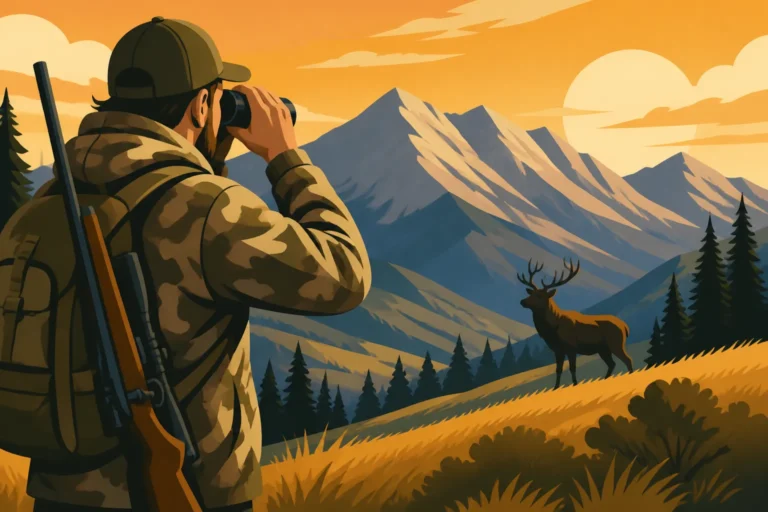
Once you have some potential areas identified, a boots-on-the-ground scouting trip is essential. Hike the drainages, glass the ridges, and look for fresh sign: tracks, scat, rubs, and active trails. Pay attention to prevailing winds and escape routes animals might use. Still-hunting through timbered areas, moving slowly and deliberately, can be very effective, especially on days with a bit of wind or light rain to muffle your sound. For elk and mule deer, glassing from a vantage point is often the most productive strategy, allowing you to cover vast amounts of terrain with your optics.
Consider the time of year you'll be hunting. Early archery season might see elk in different areas than the late rifle season when snow pushes them down. Understanding these seasonal movements, often tied to food availability and weather, will significantly increase your odds. Resources like GoHunt can provide species-specific information and historical data, helping you narrow down productive zones and understand herd health.
Essential Gear and Safety Considerations
Hunting in the Ghost PLUZ isn't like a quick morning hunt on private land near home; it often entails venturing into rugged, unpredictable backcountry. Being adequately prepared with the right gear and a solid understanding of safety protocols isn't just a good idea—it's absolutely critical for a successful and safe experience. The Ghost can be beautiful, but it can also be unforgiving.
Packing for a Ghost PLUZ Hunt
Given the variable terrain and weather in the foothills, a layered clothing system is non-negotiable. You could start the day with frost and end it in sunshine, or face an unexpected snow squall. Focus on moisture-wicking base layers, insulating mid-layers (fleece or down), and a waterproof, windproof outer shell. Good quality hiking boots that are broken in and offer ankle support are essential for traversing uneven and steep ground. Don't forget gaiters to keep snow and debris out of your boots.
Beyond clothing, a sturdy backpack capable of carrying your essentials for a day trip or even an overnight stay is a must. This should include plenty of water (or a filter/purifier), high-energy snacks, a reliable headlamp with extra batteries, a knife, and a basic first-aid kit. Bear spray, carried in an easily accessible holster, is mandatory, as both black and grizzly bears frequent the area. Depending on how far you plan to go, consider packing emergency shelter, a fire starter, and extra cordage. Even in mild weather, hypothermia can be a real threat if you get wet and the temperature drops. Our guide on Hunting Alberta Winter Weather Safely offers valuable insights for cooler conditions.
Navigation and Communication
Cell service in the Ghost PLUZ is spotty at best and often nonexistent once you get away from the main roads. Relying on your phone for navigation or emergencies is a recipe for trouble. A dedicated GPS unit or a smartphone with downloaded offline maps (like those offered by onX Hunt or Backroad Mapbooks) is absolutely essential. Always carry a physical map and compass as a backup and know how to use them. Mark your truck's location, critical junctions, and any game sign you find.
For communication, especially if you're venturing deeper into the backcountry, a satellite messenger or satellite phone can be a literal lifeline. Devices like a Garmin inReach or Zoleo allow you to send texts, track your location, and, most importantly, send an SOS signal if you find yourself in serious trouble, even without cell service. These aren't cheap, but the peace of mind they offer is priceless. For more on these critical tools, check out Satellite Messengers in the Backcountry. Always let someone know your detailed hunting plan, including your intended route and expected return time.
Bear Awareness and Backcountry Safety
Hunting in the Ghost means you are in bear country, both black bears and grizzlies. Practicing good bear safety is not just about carrying bear spray; it's about making smart choices to avoid encounters. Make noise while hiking, especially in dense brush, to avoid surprising a bear. Store food and scented items properly, ideally in bear-resistant containers or hung from a tree away from your camp. If you harvest an animal, field dress it quickly and cleanly, getting the meat cooled and off the ground as soon as possible. Be extra vigilant when approaching a fresh kill, as a bear might already be on it.
Beyond bears, the backcountry presents other inherent risks. Falls on steep or slippery terrain are common. Weather can change rapidly, leading to whiteout conditions or flash floods. Knowing your physical limits and not pushing too hard, especially when alone, is crucial. Carry a small signalling device (like a whistle or signal mirror) and be prepared for minor injuries like sprains or cuts. It’s always best to hunt with a partner, especially in such challenging terrain, but if you do go solo, ensure you have a robust emergency plan in place. For more general advice on staying safe, read Wildlife Safety in Alberta Bear Country.
Planning Your Hunt and Respecting the Land
Successfully hunting the Ghost PLUZ is as much about careful planning and respecting the environment as it is about hunting skill. It's a privilege to access these public lands, and ensuring their health and accessibility for future generations is a shared responsibility. Cutting corners on preparation or ignoring ethical practices not only diminishes your own experience but can also negatively impact the perception and rules for all hunters.
Trip Planning and Permits
Before you even pack your truck, your first step is ensuring all your paperwork is in order. This starts with an up-to-date Alberta WIN Card and a Wildlife Certificate. You'll then need the appropriate general or special licences for the species you intend to hunt within the specific WMU(s) that cover the Ghost PLUZ. Always double-check the current Alberta Hunting Regulations for season dates, bag limits, and any specific restrictions for your chosen WMU. These regulations can change year to year, so relying on old information is a common mistake.
If you're planning a multi-day trip, especially if you'll be setting up a backcountry camp, be aware of any specific camping regulations within the PLUZ. Some areas might have designated camping spots, while others allow random camping under certain conditions. It's also wise to check for fire bans, which are common in the dry fall months. Don't forget practical planning like fuel stops, water sources, and where you'll get meat processed after a successful harvest. A good starting point for understanding the costs involved is our article on Alberta Hunting Licences and What They Cost.
Minimizing Impact and Ethical Hunting
Hunting in a multi-use area like the Ghost PLUZ means you'll likely encounter other outdoor enthusiasts – hikers, mountain bikers, horseback riders, and casual campers. Always strive to be a good ambassador for hunters. Be courteous, share the trails, and keep a low profile. Your actions reflect on the entire hunting community.
The principles of "Leave No Trace" are paramount here. Pack out everything you pack in, including all trash, shell casings, and any remnants from your camp or kill site. If you field dress an animal, make an effort to move the guts away from trails and water sources, dispersing them to minimize impact and reduce attractants for bears near high-traffic areas. Remember that any signs of irresponsible behaviour, like littering or leaving behind camp debris, can lead to negative public perception and potentially tighter regulations on access. For private land etiquette, even though the Ghost is public, the spirit of respect for land and access applies: Alberta Trespass Act and Hunting.
Adapting to Conditions
The weather in the Alberta foothills is famously unpredictable, and the Ghost PLUZ is no exception. A sunny, warm morning can quickly turn into a cold, wet, or even snowy afternoon, especially in the fall. Be prepared for rapid changes in temperature, precipitation, and wind. Strong winds, which are a common feature of the foothills, can make glassing difficult, reduce animal activity, and even create dangerous conditions, especially if you're exposed on a ridge. While our article on Wind in Open Prairie Country is about a different landscape, the principles of how wind affects game movement and hunter strategy are equally relevant in the Ghost's exposed areas.
Always have contingency plans. If a heavy snowfall closes a key access road, do you have an alternative route or a backup area? If a sudden rainstorm makes a creek crossing impassable, do you know how to safely navigate around it? Being flexible with your plans, rather than rigidly sticking to an original itinerary, is a sign of an experienced and wise hunter in this type of environment. It ensures safety and allows you to adjust to the animals' movements, which are often dictated by these very weather patterns.
Disclaimer
This article is for general informational purposes only and does not constitute professional advice. Laws, prices and regulations vary by location and change over time. Consult a qualified professional for guidance on your specific situation.