Hunting Near Waterton’s Boundary
The allure of hunting near Waterton Lakes National Park is undeniable, with its stunning mountain backdrops and the promise of encountering magnificent big game. However, the close proximity to a national park, combined with intricate provincial regulations, can leave many hunters scratching their heads, worried about accidentally straying into off-limits areas or missing prime opportunities. This comprehensive guide aims to demystify hunting around Waterton's boundary, offering practical advice and clarity so you can focus on a successful and legal hunt.
Navigating the Waterton Boundary and Understanding Regulations
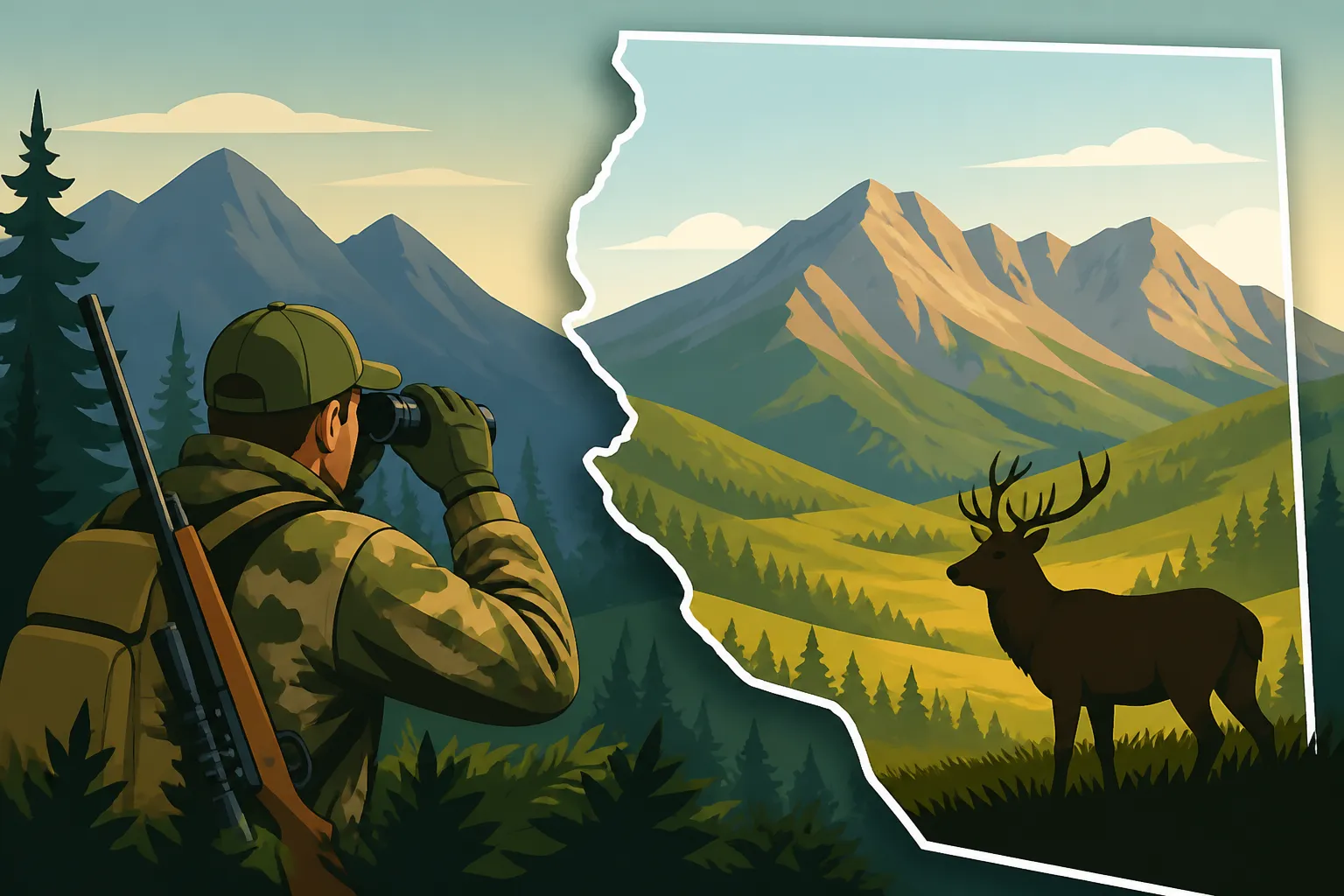
Hunting near a national park boundary requires meticulous attention to detail. Waterton Lakes National Park itself is a federal protected area where hunting is strictly prohibited. The critical challenge for hunters is identifying where the park ends and where provincial Crown land, open for hunting, begins. Misunderstanding this can lead to serious legal consequences, not to mention a ruined hunt. It's not just about avoiding the park, but also understanding the specific Wildlife Management Units (WMUs) that border it, each with its own set of rules and seasons.
Identifying Legal Hunting Zones
The first step in planning any hunt near Waterton is to precisely identify the boundaries. You absolutely cannot hunt inside the national park. The lands immediately surrounding Waterton are primarily within what's known as the "Green Area" of Alberta, characterized by forested Crown land, often managed for multiple uses, including hunting. These areas fall into specific WMUs, which often have unique regulations compared to the broader provincial rules. You'll need to consult the most current Alberta Hunting Regulations, paying close attention to the WMUs directly adjacent to the park, such as parts of the 300 series. These regulations detail everything from season dates and species eligibility to legal weapons and bag limits for each specific WMU.
A common mistake hunters make is relying on general maps or outdated information. Technology, however, offers powerful tools to mitigate this. Using a robust digital mapping application like onX Hunt is invaluable here. These apps overlay public and private land boundaries, as well as protected areas like national parks, directly onto topographic maps. This allows you to see, in real-time, exactly where you are relative to the Waterton boundary, giving you peace of mind and preventing accidental trespass. Always cross-reference any digital map with the official Alberta government WMU maps and regulations. Pay particular attention to the designated Provincial Parks and Wildland Provincial Parks, such as Castle Wildland Provincial Park and Castle Provincial Park, which also border Waterton. While these are provincial lands, they too have specific restrictions or prohibitions on hunting in certain areas, sometimes even within different zones of the same park.
Special Considerations for Bordering WMUs
The WMUs bordering Waterton are often popular with hunters due to their rugged terrain and diverse wildlife populations, but this popularity can also mean more pressure. These areas typically fall into the "foothills" or "mountain" designations, which come with their own set of challenges and opportunities. For instance, specific draws or special licence requirements might apply for certain species, like mountain goat or non-trophy sheep, which are found in these mountainous zones. Even for general season species like elk or mule deer, the season dates and antler point restrictions can vary significantly from one WMU to another, even if they're geographically close.
You'll also need to consider access restrictions. Some areas might have seasonal road closures, especially during periods of heavy snow or to protect wildlife habitat during sensitive times. Understanding Foothills WMU Access and Road Networks is critical here. It's not uncommon for access roads to become impassable with early snowfalls, especially in higher elevations. Always check with Alberta Parks or local Fish and Wildlife offices for current conditions and access rules before heading out. Furthermore, Alberta Blaze Orange and Safety Rules are always in effect, but in these heavily treed and often steep WMUs, being extra visible is just plain smart. Always hunt with a partner, carry a satellite communication device, and let someone know your plans.
Unique Terrain and Game Species Adjacent to Waterton
The landscape immediately outside Waterton Lakes National Park is a dramatic transition from prairie grasslands to rolling foothills and then sharply rising mountains. This unique blend of ecosystems supports an incredible diversity of big game, making it a highly sought-after hunting destination. However, the terrain itself presents significant challenges that demand specific hunting strategies and a high level of physical fitness.
The Rugged Foothills and Mountain Environment
Hunting in the foothills and mountains surrounding Waterton is a demanding endeavor. The terrain consists of steep slopes, dense timbered areas (often spruce and pine), open avalanche paths, alpine meadows, and deep river valleys carved by the Belly and Waterton Rivers. Elevations can range dramatically within a short distance, meaning you might start your day in a valley bottom and finish high on a ridge. This varied topography dictates how game animals move and where they seek refuge, and thus, how you need to hunt them.
The weather in this region is notoriously unpredictable. Sunny, warm conditions can quickly give way to sudden snowstorms, high winds, or freezing rain, even in what might seem like milder seasons. Preparing for all four seasons in a single day isn't just a cliché; it's a necessity. Hunters venturing into these areas for species like Bighorn Sheep in Alberta's Mountains or even just general season deer and elk need to be self-sufficient and capable of navigating challenging conditions. Adequate gear for extreme weather, emergency supplies, and solid backcountry navigation skills are paramount. Unlike flatter, more accessible WMUs, getting injured or lost here can have severe consequences, as cell service is often non-existent.
Key Big Game Species in the Waterton Fringe
The Waterton area is renowned for its populations of several iconic big game species. Understanding their habits, preferred habitat, and seasonal movements is key to a successful hunt.
- Elk: The foothills and mountain valleys bordering Waterton are prime elk country. These majestic animals often move between higher summer ranges and lower wintering grounds, utilizing the dense timber for cover and open meadows for feeding. During the rut, the sound of bugling bulls can echo through the valleys, drawing hunters seeking a challenging and rewarding experience. Concentrating on areas with good feed, water, and escape cover, especially in the transition zones between timber and open country, can be effective. Consider learning more about Bugling Elk in Alberta's Foothills to increase your chances.
- Mule Deer: While mule deer can be found throughout Alberta, the broken terrain, coulees, and timbered slopes of the Waterton region offer ideal habitat. These deer are known for their preference for rugged country, often using south-facing slopes in winter and higher, cooler areas in summer. Spot-and-stalk tactics are often employed for Spot-and-Stalk Mule Deer in Alberta, requiring keen glassing skills and the ability to navigate steep terrain quietly. They are elusive, and finding a mature buck often means putting in the miles.
- Black Bear: Black Bears in Alberta's Forests and Foothills are common residents of the forested areas surrounding Waterton. Spring offers a popular season for bear hunting, as bears emerge from hibernation and seek out new green growth in clearcuts, avalanche paths, and along creek bottoms. Fall bear seasons coincide with other big game seasons, and encounters are frequent. Be bear aware at all times, carrying bear spray, and knowing how to respond to a bear encounter, even when hunting other species.
- Bighorn Sheep and Mountain Goat: For those who hold the coveted licences, the high alpine country provides opportunities for hunting bighorn sheep and mountain goat. These hunts are physically grueling, demanding extreme fitness and specialized gear for navigating steep, rocky terrain. Often, these hunts require backpacking in for multiple days, making it a true backcountry experience. Backpack Hunting Alberta's Bighorn Country is an ultimate challenge, reserved for the most dedicated and prepared hunters.
| Species | Primary Habitat | Common Hunting Methods | Physical Demand | Typical WMUs |
|---|---|---|---|---|
| Elk | Timbered slopes, river valleys, alpine meadows | Calling (rut), spot-and-stalk, still-hunting | High | 302, 304, 306 (check regulations for specifics) |
| Mule Deer | Broken terrain, coulees, timbered slopes | Spot-and-stalk, still-hunting | Moderate-High | 302, 304, 306 |
| Black Bear | Dense timber, clearcuts, creek bottoms | Spot-and-stalk, baiting (where legal) | Moderate | 302, 304, 306 |
| Bighorn Sheep | High alpine, rocky slopes, scree fields | Spot-and-stalk (draw only) | Very High | 302, 304 (specific draw-only seasons) |
| Mountain Goat | Steep, broken cliffs, subalpine areas | Spot-and-stalk (draw only) | Extreme | 302, 304 (specific draw-only seasons) |
Note: Always consult the current Alberta Hunting Regulations for precise season dates, WMU boundaries, and specific rules for each species.
Navigating Access and Scouting Strategies Near Waterton
Successfully hunting near Waterton's boundary hinges on two critical elements: understanding legal access points and employing effective scouting strategies. The rugged nature of this area means that casual driving isn't always an option, and relying solely on roadside observations will severely limit your success. You need to be prepared to put in the work, both digitally and on the ground.
Gaining Access to Public Lands
The vast majority of huntable land around Waterton is Crown land, but access to it isn't always straightforward. While the Forestry Trunk Road (Highway 940) provides a main artery through some of the foothills areas, many prime hunting spots require venturing off main roads. This often means navigating gravel forestry roads, seismic lines, or old logging trails. Many of these access routes are unmaintained, especially further into the backcountry, and can require a high-clearance 4×4 vehicle, or even an ATV/OHV, though it's crucial to understand Quad and Side-by-Side Rules on Crown Land before you go. Some areas might even necessitate travel by foot or horseback.
It's absolutely vital to be aware of any private land parcels that may be interspersed with Crown land, especially in the lower elevation foothills. While you might assume everything looks "wild," there can be privately owned ranches or grazing leases. Always verify land ownership and seek permission if you believe you might be crossing or hunting on private property. The Alberta government's Recreational Access Mapping Tool (RAMP) is a fantastic resource for identifying Crown land and grazing leases, and when used in conjunction with detailed mapping apps like onX Hunt or even GoHunt, you can get a clear picture of what's public and what's not. This proactive approach prevents accidental trespass, which is a common and easily avoidable pitfall for hunters. Familiarize yourself with how to get permission for Asking a Grazing Leaseholder for Access as some of these areas hold excellent game.
Effective Scouting in Mountain and Foothills Terrain
Scouting is paramount in this type of environment. It's not just about finding game sign, but also understanding the terrain, identifying travel corridors, and locating natural funnels. Given the vastness of the area, combining digital scouting with on-the-ground reconnaissance is the most efficient approach.
Start with digital tools:
- Satellite Imagery: Use detailed satellite imagery (available through onX Hunt or GoHunt) to identify key features such as south-facing slopes (winter range), dense timber pockets (bedding areas), open clearcuts (feeding areas), water sources, and natural saddles or ridges that act as animal highways. Look for changes in vegetation, old burn areas, or logging activity that might create new forage.
- Topographic Maps: Study elevation changes, contour lines, and water features. Identify potential glassing points that offer wide views of basins and slopes, as well as hidden pockets that might hold game. Understanding the topography will help you plan your approach and exit routes, which is crucial in steep country.
- Historical Data: If you have access to historical harvest data for specific WMUs (sometimes found through provincial reports), it can give you an idea of where certain species are more prevalent. However, remember that animal distribution can shift with weather patterns and hunting pressure.
Once you have a solid digital plan, it's time for on-the-ground scouting:
- Pre-Season Hikes: If possible, get out into your chosen area before the season opens. This allows you to confirm your digital observations, identify fresh sign (tracks, scat, rubs, sheds), and get a feel for the terrain without the pressure of carrying a rifle or bow. Pay attention to game trails, water crossings, and natural features like Hunting a Foothills Bench Above a Creek that animals might use.
- Trail Cameras: Strategically placing trail cameras in known game travel corridors, near water sources, or on fresh rubs can provide invaluable intelligence on animal presence, numbers, and movement patterns. Remember to check Trail Camera Rules on Alberta Public Land as regulations can vary.
- Glassing: In open country or from high vantage points, spend considerable time glassing. Quality binoculars and a spotting scope are essential. Look for movement, shapes that don't belong, or flashes of hide. Patience is key; animals often appear at first light or last light. Glassing is not just for identifying animals, but also for understanding how they use the landscape, revealing their preferred bedding and feeding areas. This is especially true for Glassing an Alberta Coulee for Mule Deer.
Hunting Tactics for Waterton's Fringe Areas
The unique blend of challenging terrain and diverse big game around Waterton's boundary demands a flexible and often physically demanding approach to hunting. Success here is often less about luck and more about preparation, persistence, and adapting your tactics to the environment and the animals you're pursuing.
Mastering Mountain and Foothills Hunting Techniques
Hunting in these rugged WMUs isn't like hunting flat prairie or dense boreal forest. It requires specialized skills and a different mindset.
- Patience and Persistence: Animals in the mountains are often spread out and wary. You might spend days hiking and glassing before you even see a legal animal. Don't get discouraged. Keep moving, keep glassing, and trust your scouting.
- Spot-and-Stalk: This is arguably the most effective method for elk, mule deer, and especially sheep and goats in this country. Find a high vantage point, settle in, and glass thoroughly for hours. Once you spot an animal, carefully plan your stalk, using terrain features, wind direction, and cover to your advantage. This method requires excellent physical conditioning and precise shooting skills, often at longer ranges. For mule deer, specifically, Stalking Mule Deer in Badlands Breaks principles can often be applied to the broken foothills terrain.
- Still-Hunting: In dense timber or along creek bottoms, still-hunting – moving slowly and deliberately, stopping frequently to listen and observe – can be productive. Pay attention to subtle sounds, faint game trails, and changes in the landscape. This is often an effective strategy when hunting Elk in Alberta's Mountains and Farmland, particularly when they've moved into thicker cover.
- Calling: For elk, especially during the rut, calling can be incredibly effective. Mastering various bugles, cow calls, and chuckles can draw a bull closer. Understand that calling in the mountains is different from calling in flatland; the acoustics can play tricks, and the wind swirls frequently. Positioning is crucial to ensure the wind is in your favor. Calling a Bull Moose in the Rut techniques might even apply to calling an aggressive elk bull when they're in the right mood, as sound projection in the mountains is similar.
Gear and Physical Preparation for the Challenge
Beyond your firearm or bow, specialized gear is crucial for safety and success in this country.
- Optics: High-quality binoculars (10×42 or 10×50) and a spotting scope (20-60x) on a sturdy tripod are non-negotiable for glassing vast landscapes.
- Navigation: A reliable GPS device or a smartphone with a dedicated hunting app like onX Hunt or GoHunt, loaded with offline maps, is essential. Always carry a physical map and compass as a backup.
- Layered Clothing: The weather can change dramatically, so a system of layers (base, mid, outer shell) is key to staying comfortable and safe. Focus on moisture-wicking materials.
- Footwear: Sturdy, broken-in mountain boots with good ankle support are crucial for navigating steep, uneven terrain. Blisters can ruin a hunt quickly.
- Backpack: A comfortable backpack capable of carrying all your gear for the day, plus extra layers, food, water, and eventually, meat, is essential. For multi-day hunts, a large pack capable of handling heavy loads is a must.
- First Aid and Emergency Gear: A comprehensive first-aid kit, fire starter, emergency shelter, and a satellite communication device (like an inReach or Zoleo) are vital.
- Physical Fitness: This cannot be stressed enough. Hunting the mountains and foothills requires excellent cardiovascular fitness and leg strength. Start training well in advance of your hunt, focusing on hiking with a loaded pack and climbing hills. The fitter you are, the safer and more enjoyable your hunt will be, and the better your chances of packing out an animal. Consider if you're truly prepared for Packing Out of Alberta's Mountain WMUs before you head out.
The Waterton boundary offers a truly wild hunting experience, but it demands respect for the land, diligent preparation, and a commitment to safe, ethical practices. By understanding the regulations, appreciating the unique terrain, and honing your hunting skills, you can have an unforgettable adventure in one of Alberta's most stunning hunting areas.
Disclaimer
This article is for general informational purposes only and does not constitute professional advice. Laws, prices and regulations vary by location and change over time. Consult a qualified professional for guidance on your specific situation.