Hunting a Frozen Muskeg Trail
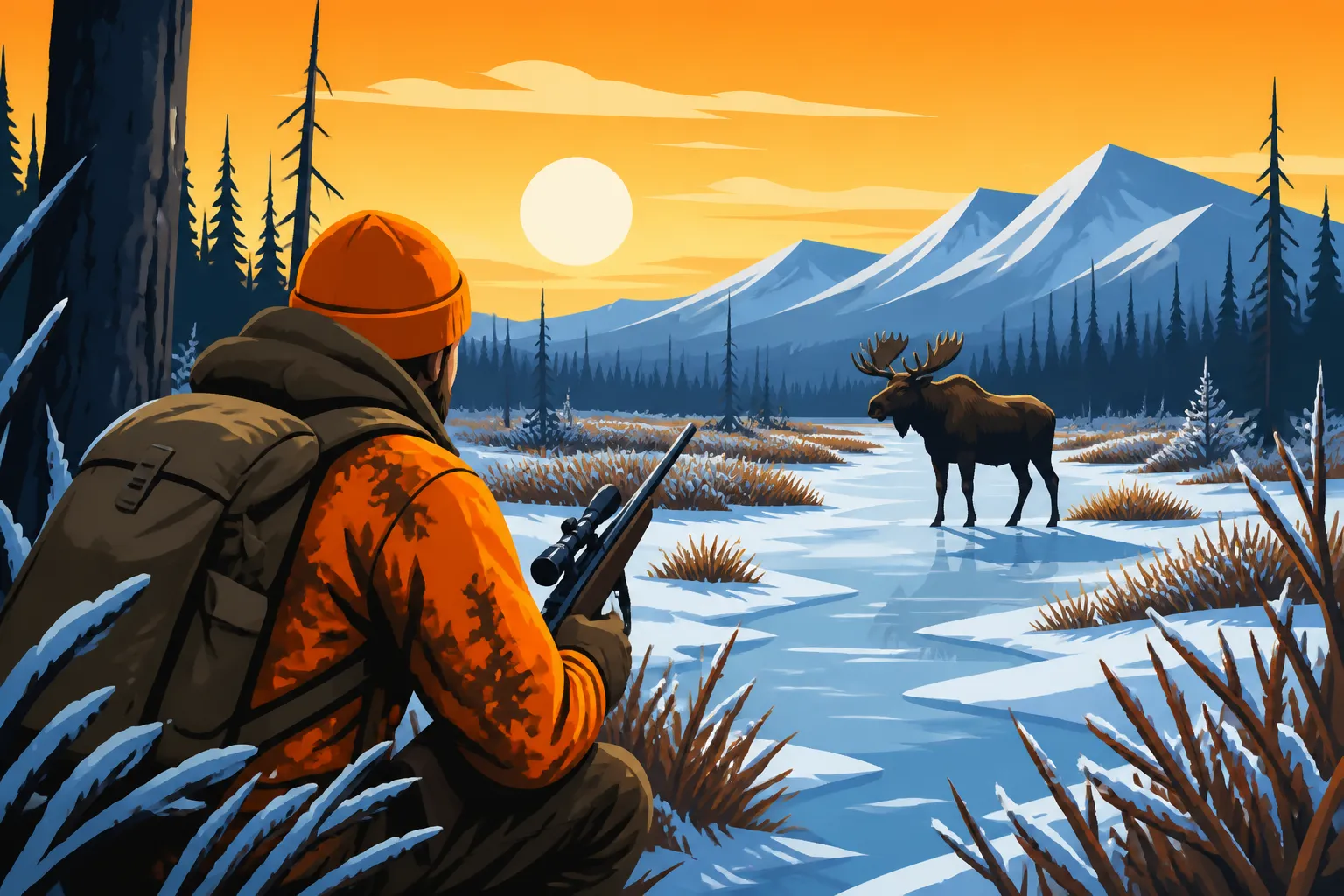
There's nothing quite like the late season in Alberta, is there? When the landscape transforms into a hushed, frosted world, many hunters pack away their gear, but a different kind of opportunity emerges for those willing to brave the cold. One of the most overlooked yet incredibly rewarding hunts in this period is navigating and hunting along a frozen muskeg trail, a challenging venture that promises solitude and the chance at some prime late-season game. This guide is all about giving you the insights and strategies to confidently tackle these unique frozen corridors, ensuring you're safe, prepared, and ready to make the most of what Alberta's winter bush has to offer.
Understanding the Frozen Muskeg Landscape
Muskeg, for those who haven't encountered it firsthand, is essentially a peat bog, a unique wetland ecosystem found predominantly in Alberta's Boreal Forest and even in some areas of the Foothills and Parkland. It's a spongy, acidic terrain composed of decomposing sphagnum moss and other vegetation, often saturated with water, making it a nightmare to traverse in warmer months. However, when the deep cold of winter sets in, something magical happens: that treacherous, soggy ground freezes solid, creating unexpected pathways and revealing game travel routes previously impassable.
The Transformation of Muskeg in Winter
During the spring, summer, and fall, muskeg can swallow a boot whole, or worse, bog down a quad or even a person if you're not careful. It’s a maze of wet, unstable ground, dotted with stunted black spruce, tamarack, and willows. Fast forward to late November, December, and especially January, and that same landscape becomes a solid, if sometimes uneven, highway. The water content freezes, turning the spongy moss into a surprisingly firm surface. Old game trails, trapper lines, or even forgotten seismic lines that once ran through boggy sections become accessible. This transformation is key because it channels animal movement. Deer, moose, and even bears (if they're still out, especially in early winter) will often use these newly solidified corridors to move between feeding areas, bedding cover, and water sources, knowing they can travel more efficiently. Understanding this shift is the first step to successfully hunting these areas. It means you can potentially access areas that receive very little pressure, simply because most hunters avoid them entirely during other seasons.
Identifying Muskeg vs. Other Terrain
It's crucial to be able to identify true muskeg, even when it's under a blanket of snow. Visually, muskeg often appears as flatter, open areas within the coniferous forest, characterized by sparse, often stunted black spruce and tamarack, with a thick carpet of sphagnum moss beneath. You won't typically see large deciduous trees like aspen or poplar, which prefer drier ground. In the summer, you'd recognize it by the distinct quaking feeling underfoot and the abundance of unique bog plants. In winter, with snow cover, this visual distinction can be harder. This is where tools like onX Hunt or GoHunt become invaluable. These mapping applications often have satellite imagery that, if you zoom in during an ice-free period, can show the characteristic darker, spongier texture of muskeg. They might also show historical cutlines or old trails that bisect these boggy areas. When snow blankets everything, you'll still notice the stunted, scattered tree growth and often a more open feel than dense timber. Knowing how to differentiate it ensures you're putting your effort into the right kind of terrain. Don't confuse it with a dense willow bottom, which while wet, might not have the same solid frozen structure that offers easy travel.
Scouting and Locating Productive Frozen Muskeg Trails
Finding the right frozen muskeg trail is less about stumbling upon it and more about strategic scouting, both from your armchair and on the ground. It's about combining modern technology with traditional woodsman skills to pinpoint those hidden gems where game activity is concentrated.
Using Mapping Tools to Pinpoint Trails
Before you even pull on your boots, your best friend is a good mapping application. I can't stress this enough – pulling up your onX Hunt app or similar digital mapping platforms is step one. Look for large expanses of what appears to be low-lying, often dark-toned, or sparsely treed areas on satellite imagery, particularly within larger tracts of Alberta's Boreal Forest Country. These are often muskegs. Next, zoom in and look for linear features cutting through them: old logging roads that have grown over, seismic lines, trapper trails, or even natural game trails that become obvious travel corridors in the snow. These are your "muskeg trails." They often connect higher ground, timber islands, or different water sources. Look for trails that lead from dense bedding cover to known feeding areas, or those that connect two larger blocks of timber. Scouting With Satellite Imagery in Alberta allows you to cover vast distances from the comfort of your home, identifying potential access points and pinch points that funnel animal movement. Pay attention to how these lines intersect with other features, like creek bottoms or ridges – these intersections can be game magnets.
On-the-Ground Scouting in the Cold
Once you've identified some promising spots on your map, it's time for boots on the ground, even before you intend to hunt. This cold scouting trip is invaluable. You're looking for fresh sign – tracks, scat, browse, rub lines – on and around these frozen trails. While the trail itself might be frozen solid, the edges where it meets higher ground or denser timber will often show tracks. Pay close attention to trails that traverse pinch points, where the muskeg narrows, or where it runs alongside a stand of thicker timber. These are natural funnel points. Look for where game enters and exits the frozen muskeg trail. Are they using it to cross a large bog, or are they using it as a travel corridor within the bog itself? A fresh set of moose tracks on a frozen seismic line running through the muskeg is a sure sign you're in the right place. During your scout, don't be afraid to walk a few kilometres. You might find several trails crisscrossing, and by following them, you'll start to understand the local game movement patterns. This is also a good time to assess snow depth, potential ice conditions on deeper sections, and overall travelability, which will influence your actual hunt day. You can link this scouting back to Reading an Alberta WMU Map Before You Go to cross-reference your findings with known game concentrations.
Effective Hunting Strategies for Frozen Muskeg Trails
Hunting a frozen muskeg trail requires a blend of patience, stealth, and a keen understanding of animal behavior in cold, snowy conditions. It's often a solitary pursuit, offering a unique challenge and a deep sense of accomplishment.
Still-Hunting and Tracking on Frozen Trails
The beauty of a frozen muskeg trail is that it often presents a relatively flat, open, and sometimes firm surface, ideal for still-hunting or tracking. In areas with fresh snow, you can identify recent tracks and follow them, much like you would if Tracking a Cougar in Fresh Snow or other predators. The key here is extreme stealth. While the frozen ground can be firm, it can also be noisy, crunching underfoot, especially on very cold days. Take slow, deliberate steps, lifting your feet rather than dragging them, and pausing frequently to scan the surrounding sparse timber. Use your binoculars to pick apart the distant spruce and willow thickets. Moose often use these trails, especially during the colder months when they conserve energy. You might find them browsing on willows or young spruce right along the trail edges. Whitetails and mule deer might use these trails to traverse between feeding areas in nearby stands of aspen or into pockets of denser thermal cover. When tracking, pay attention to the freshness of the prints, the length of the stride (indicating if the animal is walking or running), and any signs of browsing. The crisp, cold air also carries sound incredibly well, so use the wind to your advantage, keeping it in your face or quartering. This style of hunting demands your full attention, moving slowly, stopping often, and letting your eyes do most of the work.
Stand Placement and Ambush Tactics
While still-hunting is productive, setting up an ambush can also be highly effective, particularly if you’ve identified a specific pinch point or intersection on a frozen muskeg trail. After scouting and seeing consistent game sign, consider hanging a stand on an aspen bluff or the edge of a timber island overlooking a section of muskeg trail. This could be an area where the trail bottlenecks between two dense stands of trees, or where multiple trails converge. Think about where a deer or moose might pause, perhaps to browse or scan for danger, before continuing their journey. Using a portable stand, or even just finding a natural blind using the stunted spruce and willows, can offer you a vantage point. Set up downwind, always. The best times for these ambushes are typically early morning or late afternoon, when game is most active. You'll want to be settled in your spot well before first light or stay until legal shooting light fades. Remember, the animals are also looking for the path of least resistance, and these frozen trails provide it. A trail intersection might be as effective as Hunting a Cutline Intersection for Whitetails in denser bush. This strategy works well for Moose Hunting Alberta's Boreal Forest or Whitetail Hunting in Alberta where deer are looking for easy travel in deeper snow.
Safety and Preparation for Winter Muskeg Hunting
Hunting frozen muskeg trails in Alberta during winter isn't just about finding game; it's crucially about staying safe. The environment is unforgiving, and a lapse in preparation can turn a promising hunt into a dangerous situation quickly.
Essential Gear for Extreme Cold and Snow
When you’re venturing into frozen muskeg, you need to be prepared for the kind of cold that can bite right to the bone. Layering is paramount, and it needs to be the right kind of layering. Start with a good moisture-wicking base layer to manage sweat, followed by insulating mid-layers like fleece or down, and topped with a windproof and water-resistant outer shell. Your core temperature is critical, but don't forget extremities: warm, waterproof boots (insulated rubber boots are excellent for any wet transitions or if you punch through thin ice), heavy-duty mittens with finger inserts, and a warm toque are non-negotiable. Chemical hand and foot warmers can be a lifesaver. Carrying extra socks, a spare hat, and even an emergency insulating layer in a dry bag is smart. For navigating, a reliable GPS device or your phone with a fully charged mapping app like onX Hunt is crucial, especially since winter days are short and visibility can drop quickly. A headlamp with spare batteries is also essential. This type of gear aligns with advice you'd find for What to Wear on a Late Season Hunt or even Hunting Whitetails at Thirty Below.
Navigating Ice and Potential Hazards
While the muskeg generally freezes solid, there are always exceptions and hidden dangers. Larger ponds, creek crossings, or areas with flowing water can have thinner ice, even in deep cold. Always be cautious. Use a walking stick or a long branch to test the ice ahead of you. If you hear a cracking sound or feel the ground give, back away immediately. Look for signs of open water or recent overflow, which indicate unstable ice conditions. Snow can also hide hazards: downed trees, hidden stumps, or even old trapper snares. Moving slowly and deliberately helps you spot these before you stumble. Getting stuck, whether it's a leg in a hidden soft spot or a quad bogged down, can quickly lead to hypothermia in freezing temperatures. Consider wearing a personal flotation device (PFD) if you anticipate crossing larger, potentially risky frozen water bodies, however unlikely that might seem over a "frozen trail." For travel across deep snow, snowshoes are often a better option than trying to break trail with just boots. This greatly conserves energy and prevents post-holing through hard crusts. Understanding how to travel safely is key to success and survival. Hunting Alberta Winter Weather Safely provides more general advice, but specific dangers of ice require extra vigilance.
Emergency Preparedness and Communication
Hunting these remote, often roadless muskeg areas means you are truly on your own if something goes wrong. Always, always, let someone know exactly where you are going, your planned route, and when you expect to return. Share your onX Hunt track with them if possible. Carry a satellite communication device like a Garmin inReach or a Zoleo. Cell service is non-existent in many of these remote areas, and a satellite messenger is your only reliable link to the outside world in an emergency. Beyond that, a well-stocked survival kit should be in your pack: fire-starting materials (waterproof matches, lighter, fire starter), an emergency blanket, a first-aid kit, some high-energy snacks, and plenty of water (an insulated bottle to prevent freezing). If you are using a quad or snowmobile for access, ensure it is in top mechanical condition and carry tools, a tow rope, and a shovel. Breaking down kilometres from your vehicle in deep cold is a truly dire situation. Having a plan for What to Do If You Get Stuck in the Bush is not just good practice, it's essential.
| Aspect of Hunting Frozen Muskeg Trails | Pros | Cons |
|---|---|---|
| Accessibility | Opens up previously impassable areas | Still requires caution, risk of thin ice |
| Game Movement | Funnels game onto defined trails | Game can detect you easily in quiet cold |
| Sign Visibility | Tracks highly visible in snow | Can be noisy to walk on crunchy snow/ice |
| Hunter Pressure | Often low, offers solitude and untouched areas | Requires greater self-reliance and preparation |
| Physical Demands | Easier travel on solid ground vs. summer bog | Intense cold, deep snow, uneven surfaces |
| Target Species | Excellent for moose, late-season whitetail/mule deer, wolves, coyotes | Less ideal for game not using these corridors |
Maximizing Your Success on Frozen Muskeg Trails
Success in hunting frozen muskeg trails often boils down to attention to detail, persistence, and a willingness to adapt to the conditions. It's a unique environment that rewards careful consideration.
Reading Winter Game Sign
Beyond fresh tracks, learning to read subtle winter game sign is critical. Look for browse lines on willows and spruce, indicating where moose have been feeding. Rubs on smaller trees can tell you about deer activity, especially late season buck rubs where they're still working off velvet. Scrapes might be less obvious in frozen ground but can still be found at strategic points. Pay attention to droppings – their freshness, quantity, and location. If you find multiple sets of tracks converging, it indicates a popular travel corridor. Often, in deep snow, animals will crater into the snow to feed on ground forage, leaving obvious depressions. These feeding patterns, when combined with tracks on the frozen trails, paint a clear picture of how animals are using the landscape. This kind of detailed observation is crucial for pinpointing where to focus your efforts. Understanding what deer eat through winter, for example, can help you predict their movements.
Timing and Weather Considerations
The timing of your hunt and the prevailing weather conditions will significantly impact your success. The best conditions for hunting frozen muskeg trails are typically after a fresh snowfall that's light enough to track but heavy enough to muffle your footsteps. Overcast, still days are also ideal as they help contain scent and allow for quieter movement. Extremely cold, clear days can make for crunchy snow and loud walking, which might make still-hunting more challenging. However, those same cold days often push animals to move more for feeding and thermal cover. Watch for periods of stable cold that ensure the muskeg stays frozen solid. If there’s a warm-up, even a brief one, some sections might soften, making travel treacherous again. Always check the long-range forecast before planning your trip. Late season, especially December and January, typically offers the most reliable deep freeze. During this period, you might also be looking at Hunting Deep Cold Late in the Season scenarios, where strategic planning for animal movement and your own comfort becomes paramount.
Respecting the Land and Other Users
Even in remote muskeg, it's vital to remember that you're a guest on the land. Whether you're on Hunting Alberta's Crown Land or have obtained permission for private access, always adhere to the principles of ethical hunting and leave no trace. This means packing out everything you pack in, including spent shell casings. If you encounter other hunters or trappers, respect their space and efforts. Many of these remote trails might be active traplines, so be aware of your surroundings. If you are fortunate enough to harvest an animal, proper Meat Care in Alberta's Cold and Warm Swings is essential. Quartering an animal on a frozen trail might be easier than in deep snow, but ensure you have the means to Getting a Moose Out With a Quad or other means of egress without damaging the delicate ecosystem. By being a responsible and respectful user of the land, you help ensure these unique hunting opportunities remain available for everyone.
Disclaimer
This article is for general informational purposes only and does not constitute professional advice. Laws, prices and regulations vary by location and change over time. Consult a qualified professional for guidance on your specific situation.