Calling Moose in Alberta’s Boreal Forest
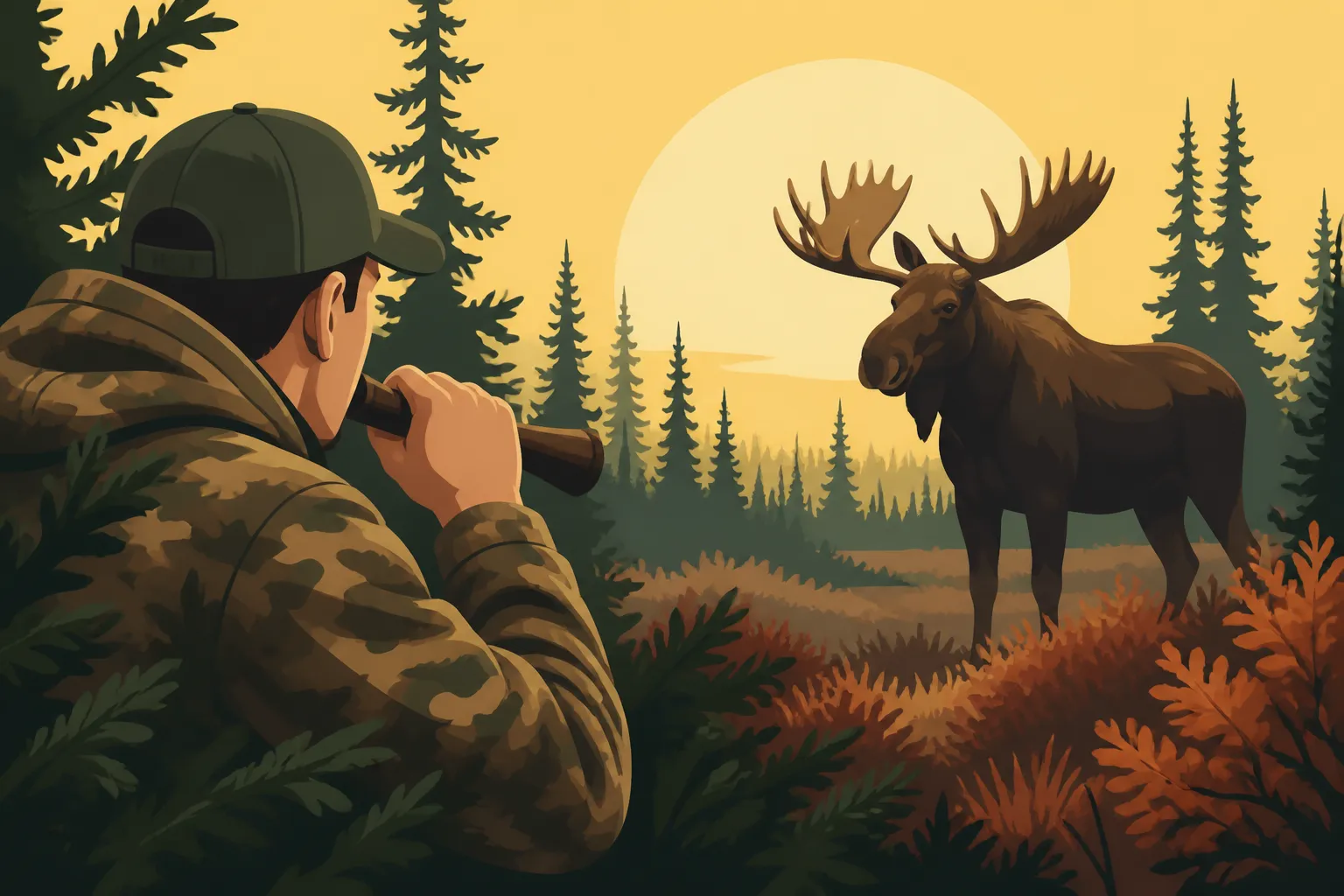
Hunting moose in Alberta's vast and often impenetrable boreal forest is a true test of grit and patience. The sheer density of timber, the challenging terrain, and the moose's uncanny ability to vanish make traditional spot-and-stalk tactics incredibly difficult in many areas. That's where the age-old art of calling comes into its own. This comprehensive guide will pull back the curtain on the subtle language of the forest, showing you how to effectively communicate with these majestic animals and dramatically improve your chances of success on a Moose Hunting Alberta's Boreal Forest adventure.
Understanding Moose Vocalizations in the Boreal
Moose, particularly during the rut, are surprisingly vocal animals. Learning to interpret and mimic their various calls is the cornerstone of successful calling in Alberta's dense timber. It's not just about making noise; it's about understanding the context and emotional nuances behind each sound. Think of it as learning a new language, where subtle inflections can change the entire meaning.
The Cow Call and Its Variations
The cow call is arguably the most important vocalization for attracting a bull moose. It's the sound of a female seeking a mate, and bulls are hard-wired to respond to it. However, not all cow calls are created equal. An eager, drawn-out bawl might signal a cow in peak estrus, while a shorter, more questioning call could be a cow simply looking for companionship or trying to locate other moose. Learning to vary your tone, duration, and volume based on the situation is crucial.
Often, hunters start with a simple, pleading cow call, especially in the early rut or when they're unsure of a bull's proximity. This call is typically a long, drawn-out "mooo-aaaaah" sound, often ending with a slight rise in pitch. You might hear it used to describe Calling a Bull Moose in the Rut. As the rut progresses and bulls become more aggressive, a more insistent, slightly agitated cow call can sometimes be effective, mimicking a cow ready to breed but perhaps feeling pressured. It's a delicate balance; too much aggression from a cow call can sometimes intimidate a smaller bull, while too little enthusiasm might not pique the interest of a dominant one. Pay close attention to how a bull responds, if at all, and be prepared to adjust your calling strategy on the fly.
The Bull Grunt and What It Signifies
While cow calls attract, bull grunts are all about dominance and establishing presence. These guttural, resonant sounds serve multiple purposes: announcing a bull's location, warning off rivals, and communicating his readiness to breed. Understanding the different types of bull grunts is vital. A deep, slow, and rhythmic grunt often indicates a dominant bull confidently patrolling his territory, feeling secure. This is the sound of a bull saying, "I'm here, and this is my turf."
In contrast, a faster, more aggressive grunting series, sometimes accompanied by a "chuff" sound, can signify a bull actively searching for a cow or engaging with another bull. This is the sound of a bull working himself up, challenging or responding to a challenge. Mimicking these grunts effectively requires not just the sound, but also understanding the rhythm and intensity. A hunter might use a deep bull grunt to challenge an unseen bull, hoping to draw him in for a confrontation, or to reassure a wary bull that another "bull" is nearby, thereby enticing him to investigate. It's a riskier call to use if you don't know what kind of bull you're dealing with, as a smaller bull might simply flee, while a larger one could charge in with intent.
Understanding Estrus Bellows and Distress Calls
Beyond the standard cow calls and bull grunts, moose have other vocalizations that can be powerful, if used sparingly and correctly. The estrus bellow, a heightened, more intense version of the cow call, signifies a cow in the absolute peak of her breeding cycle. It's a sound of urgency and undeniable readiness, often longer and louder, designed to carry further through the dense boreal forest and attract bulls from a greater distance. This call is a Hail Mary pass sometimes, best reserved for periods of peak rut when bulls are intensely focused on finding cows.
Distress calls, while not typically a primary calling strategy for moose, can sometimes be used in very specific scenarios, though they require extreme caution. These might mimic a calf in distress or a moose struggling in deep mud, designed to pique the curiosity of a nearby bull or cow. However, misusing a distress call can easily spook an animal or draw in predators like wolves, which are abundant in Alberta's northern reaches. It’s important to practice these calls before heading into the field. You can utilize platforms like GoHunt to scout areas known for high moose populations and potential calling setups, which helps in deciding what calls to use in specific areas. Always prioritize safety and ethical hunting practices.
Timing Your Calls for Maximum Effectiveness
Knowing what to call is only half the battle; knowing when to call is equally, if not more, important. The rut for moose in Alberta generally begins in late September and extends through October, but the intensity and responsiveness of bulls shift dramatically throughout this period. Adjusting your calling strategy to these phases is key to success.
The Early Rut: Gentle Coaxing
As September transitions into October, Alberta's boreal forest begins to hint at the coming rut. During this early phase, bulls are just starting to feel the urge to breed. They're often still bachelor groups or solo, feeding heavily, and not yet in the full aggressive mindset of the peak rut. This is a time for subtle, gentle coaxing. Aggressive bull grunts or loud, insistent cow calls can often be counterproductive, as they may spook bulls that aren't quite ready for a confrontation or intense pursuit.
Instead, focus on soft, pleading cow calls. Think of a lonely cow, making casual contact calls as she browses. These calls are designed to pique a bull's curiosity, suggesting an available female without demanding an immediate, high-stakes response. A few soft cow calls, followed by long periods of silence (15-30 minutes), can be incredibly effective. Sometimes, a gentle "urp" or two, mimicking a moose feeding contentedly, can also add to the illusion of a relaxed environment. This strategy aligns well with the general quiet nature of the moose during this pre-rut period, encouraging them to investigate without feeling threatened.
Peak Rut Aggression: Challenging Bulls
The true magic of moose calling often occurs during the peak rut, usually from mid-October into early November. This is when bulls are most aggressive, territorial, and actively seeking cows. Their testosterone levels are soaring, and they are far more willing to confront rivals or race to the sound of an eager cow. This is the time to unleash more assertive calling strategies. Loud, drawn-out cow calls, mimicking an estrus cow, become very effective.
Crucially, this is also the prime time for incorporating aggressive bull grunts and Raking Brush to Bring in a Bull. Raking trees with a paddle or even a shoulder blade from a previous kill mimics a bull rubbing his antlers, shredding bark, and asserting dominance. This visual and auditory combination can be irresistible to a dominant bull, often bringing him charging in, expecting a fight. When you're hearing the deep, rhythmic grunts of a bull nearby, don't be afraid to challenge him with your own grunts and raking. Many hunters combine these with calls simulating a cow in heat to double down on the enticement – an irresistible cow, guarded by a rival bull. Remember, a prime Alberta bull can be an impressive sight, and knowing What a Big Bull Moose Weighs gives you an appreciation for the sheer power that might be coming your way.
Post-Rut Strategies: Lingering Opportunity
Even after the peak rut subsides, typically towards late October and into November, there can still be opportunities for calling. While the intense aggression of the peak rut fades, some cows may still come into estrus, and some bulls might not have successfully bred. These "satellite" bulls, or those that were lower in the dominance hierarchy, might still be searching for a receptive cow. The calling strategy here often shifts back to a more subdued approach, similar to the early rut.
Soft, drawn-out cow calls can still work, perhaps mimicking a cow that's still searching or expressing lingering availability. Aggressive bull grunts are generally less effective now, as the urgency for confrontation has diminished. Instead, focus on creating the illusion of a lonely cow, patiently calling for a mate. Persistence is key in the post-rut. Moose can be responsive, but they are often more cautious. Long periods of silence between calls, coupled with vigilant glassing of potential travel corridors or bedding areas, can pay off. It’s also worth noting that late season hunts can present unique challenges, and understanding Hunting Deep Cold Late in the Season can be vital for comfort and success.
Choosing the Right Calling Location and Setup
Success in moose calling isn't just about sounding authentic; it's also about positioning yourself strategically within the boreal landscape. The sheer vastness and density of Alberta's northern forests mean that choosing the right spot can significantly amplify your chances, or doom your efforts from the start.
Targeting Habitat Features for Calling Success
The boreal forest is a mosaic of different habitat types, and moose have preferred areas, especially during the rut. Focus your calling efforts around features that naturally draw and hold moose. Good starting points include mature timber stands bordering dense young growth, where moose find both cover and browse. Look for areas with a mix of aspen, willow, and balsam poplar, which are key food sources. You'll often find moose in and around these areas, particularly during When Alberta's Moose Rut Peaks.
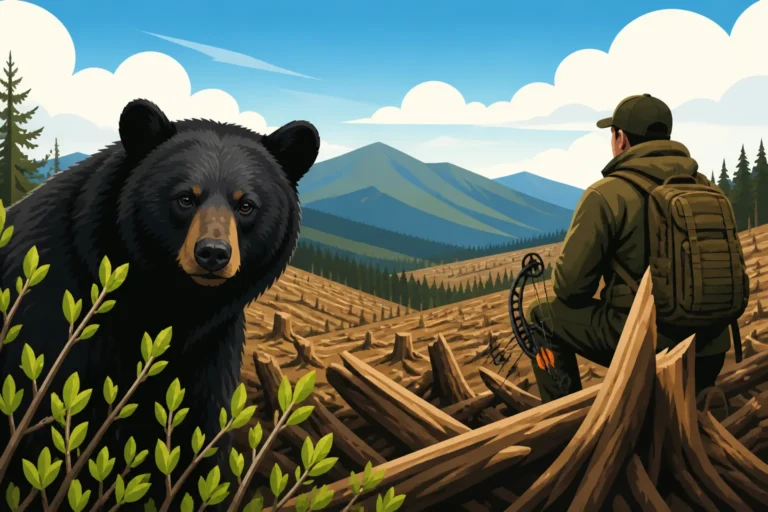
Another prime location is near water sources like beaver ponds, marshy areas, or slow-moving creeks. Moose love water, both for drinking and for cooling off, and these areas often provide lush forage. Hunting around Hunting Moose Around Alberta Beaver Ponds can be particularly productive as bulls will often cruise these edges looking for cows. Consider using mapping tools like GoHunt to identify these water features and dense cover areas within your chosen Wildlife Management Unit (WMU) before you even step foot in the woods. Old logging cutblocks, especially those with some regrowth, can also be excellent. These areas provide both browse and the dense cover moose appreciate. When you're scouting, keep an eye out for fresh sign – tracks, rubs, and droppings – to confirm moose presence.
Setting Up Your Calling Position
Once you've identified a promising location, your setup is critical. You want to be hidden, have good visibility (as much as the boreal allows), and be positioned for a shot if a bull comes in. Position yourself downwind or crosswind from where you expect a moose to approach. Moose have incredible senses of smell, and a single whiff of human scent will send them packing. Utilize natural cover like thick spruce trees or dense alder thickets to break up your silhouette. Don't stand in the open.
Consider the sun's position if you're hunting morning or evening. You don't want to be silhouetted against the rising or setting sun. Also, think about your shooting lanes. Clear any small branches or obstructions that might impede a shot, but do so quietly and sparingly to avoid disturbing the area. When hunting in these dense environments, getting a moose out can be a challenge. Understanding logistics like Getting a Moose Out With a Quad might influence how far you venture from accessible trails. Remember, moose often circle downwind before committing, so having an escape route or an alternate position for a follow-up shot is a good idea. Sometimes, having a second hunter positioned strategically 50-100 yards downwind can be an effective tactic to catch a circling bull.
Wind Direction and Scent Control
I cannot stress this enough: wind direction is paramount when calling moose. Their sense of smell is their primary defense, and if they catch your scent, the hunt is over before it even begins. Always, always try to position yourself so the prevailing wind carries your scent away from where you expect the moose to come from. This usually means sitting downwind of your calling location, or if you're actively moving, ensuring you're constantly checking and adjusting for wind shifts.
Effective scent control goes beyond just playing the wind. Showering with scent-eliminating soap, washing your hunting clothes in scent-free detergent, and storing them in airtight bags can make a difference. Using scent-eliminating sprays on your clothes and gear, and even on the soles of your boots, is a good practice. While complete scent elimination is impossible, minimizing your scent footprint is vital. Additionally, consider natural cover scents if you choose to use them, but ensure they are relevant to the boreal environment, like pine or earth scents. Before going into a new area, understanding how to read your maps and use tools like GoHunt to assess wind patterns and terrain features can greatly improve your setup strategy, especially when thinking about Scouting an Alberta WMU Before Season.
Mastering Different Calling Techniques
Once you understand moose vocalizations and how to choose your spots, it's time to refine your calling techniques. It's not just about replicating sounds; it's about building a convincing narrative that draws a bull in.
Amplifying Calls for Distance and Penetration
The boreal forest is thick, vast, and can swallow sounds quickly. To effectively reach out to distant bulls, you need to amplify your calls. Traditional birch bark horns or commercially available plastic megaphones are excellent for projecting cow calls and bull grunts. These aren't just for volume; they add a natural resonance that's hard to achieve with just your mouth and hands. The cone shape of a horn helps direct the sound, making it carry much further through the timber.
When using a horn, direct your calls towards open areas, natural corridors like old seismic lines, or towards water bodies where sound travels better. Don't just blast calls randomly; think about where the sound needs to go. A common mistake is to call too loudly when a moose is close, which can be unnatural and startling. Vary your volume based on the distance you believe a moose is at. Start with softer calls, and if there's no response, gradually increase the volume. Remember, you're trying to convince a wild animal, so realism is paramount.
Decoys and Visual Aids
Sometimes, the auditory signal alone isn't enough, especially with wary bulls or in areas where moose have been pressured. Adding a visual element can be the missing piece of the puzzle. Moose decoys, particularly cow decoys, can be incredibly effective during the peak rut. A realistic decoy, positioned subtly, can provide the visual confirmation a hesitant bull needs to commit to the call. Imagine a bull hearing a cow call, then seeing what appears to be a real cow. It often seals the deal.
Another powerful visual aid is mimicking the physical movements of a moose. This could involve using a paddle to thrash small trees, simulating a bull rubbing his antlers or a cow feeding. Tearing up some brush or stomping your feet to imitate a moose walking can add another layer of realism. You can even break branches to mimic a moose moving through the thick underbrush. The goal is to paint a complete picture for the moose, engaging both their auditory and visual senses. Just be cautious not to overdo it, as too much movement can also make you detectable.
Incorporating Raking and Thrashing
Beyond vocalizations, simulating the sounds of moose interacting with their environment is a powerful tactic, especially for bringing in aggressive bulls. Raking Brush to Bring in a Bull is a classic technique that involves scraping an old shoulder blade, a stick, or even your calling paddle against trees, particularly small spruce or aspen. This mimics a bull rubbing his antlers to shed velvet or to assert dominance during the rut. The sound of wood on wood, followed by snapping twigs, can really get a bull's attention.
Combine raking with guttural bull grunts and a few well-placed cow calls to create a convincing scenario: a bull tending a cow, rubbing his antlers, daring other bulls to approach. This kind of sound profile can make a nearby bull think there's a rival in his territory with an available cow, triggering a territorial response. Thrashing bushes and small trees with your paddle or a stick also simulates a bull moving aggressively through the brush, challenging any competition. It's a bold tactic, but during the peak of the rut, it can be incredibly effective at drawing in a dominant bull who is ready for a fight.
Common Calling Mistakes to Avoid
Even seasoned hunters can fall into common traps when calling moose. Avoiding these pitfalls can significantly increase your success rate and prevent frustrating encounters where a moose simply melts back into the forest.
Over-Calling and Under-Calling
One of the biggest mistakes hunters make is either calling too much or not enough. Over-calling can sound unnatural, making a moose suspicious. Imagine someone shouting constantly in a quiet forest; it just doesn't feel right. If you're constantly blowing a horn or grunting, you risk making the moose feel pressured or realize something isn't quite right. It's better to make a series of calls, then sit silently for an extended period, listening intently for a response. Moose move silently, and a bull might be heading your way without making a sound.
On the flip side, under-calling can mean you don't generate enough interest to pull a bull from a distance or to sustain his curiosity. If you make one soft call and wait forever, a bull might simply not hear you or dismiss it as a random sound. The key is balance. Start with a few calls, listen, and gauge the response. If you hear a distant grunt, call back. If you hear nothing, try again with a slightly different tone or increased volume after 15-20 minutes. The pace should be dictated by the moose's response, not your impatience.
Misinterpreting Moose Responses
Moose responses can be subtle and easily missed, especially in the thick boreal. A common mistake is not recognizing a response or misinterpreting its meaning. A bull might not grunt back loudly; instead, he might crash through some brush, stomp his foot, or make a subtle "chuff." These are all responses! A bull might also give a "soft" grunt, almost a questioning sound, indicating he heard you but is still evaluating. Learning to read these nuanced signals is critical.
A bull that grunts aggressively back might be coming in, or he might be standing his ground. A bull that crashes through brush might be approaching, or he might be circling downwind to catch your scent. Be vigilant, and don't assume. Always have your rifle or bow ready and scan the forest continuously. Tools like high-quality binoculars can help you spot subtle movements in the dense cover. If you hear something, remain still, scan the area, and try to pinpoint the direction and type of response before making your next move.
Patience and Persistence in the Face of Silence
Moose hunting, particularly in the boreal, is a game of patience. It’s easy to get discouraged when you’ve been calling for hours with no response, but giving up too soon is a sure way to fail. Moose can be incredibly cautious, and it might take a long time for a bull to decide to investigate a call. He might travel a great distance, stop and listen, circle, and take his sweet time. The forest also swallows sounds, making it hard to judge distance or even confirm if a moose heard you.
Don't pack up after just an hour or two of silence. Stay put, keep calling at regular intervals, and remain alert. Sometimes, a bull might only respond after you've been calling in an area for an extended period, giving him time to arrive from a distant bedding area. Remember, you're trying to mimic a natural event, and those don't happen on a clock. Persistence, combined with strategic pauses and diligent listening, will often eventually pay off. Sometimes, just when you're about to give up, that massive bull will materialize as if from nowhere, especially when the conditions are just right for Hunting a Cutline for Moose at First Light.
Gear and Accessories for Boreal Moose Calling
Successful moose calling in Alberta's boreal forest requires more than just knowing how to make the right sounds. The right gear can significantly enhance your effectiveness, comfort, and safety in such a remote and challenging environment.
Essential Calling Devices
While you can make some basic moose sounds with your voice and cupped hands, specialized calling devices greatly improve realism and amplification. A good quality birch bark or plastic megaphone-style calling horn is indispensable. These horns are designed to project the deep, resonant cow calls and bull grunts over long distances, helping your sounds penetrate the dense timber of the boreal forest. They also add a natural "hollow" quality to the calls that moose recognize. Consider carrying a spare, or a smaller, more portable backup.
Beyond the horn, a good quality grunt tube can be invaluable for producing realistic bull grunts, especially for close-in work or when you need to vary the intensity. Some hunters also carry a rattling device or an old shoulder blade to simulate Raking Brush to Bring in a Bull. These simple tools, when used correctly, complete the auditory picture you're trying to create, making your setup much more convincing to a wary bull. Always practice with your calls before the season to ensure you can produce consistent, realistic sounds.
Navigation and Communication in Remote Areas
The boreal forest is vast and unforgiving, and getting lost or encountering an emergency is a real concern. Reliable navigation and communication tools are not optional; they are essential for your safety. A GPS unit or a smartphone with detailed offline maps (like those available through GoHunt) is a must. Mark your starting point, your calling locations, and any significant landmarks. Don't rely solely on cell service, as it's almost non-existent in much of Alberta's true boreal.
Beyond navigation, a satellite messenger device (like a Garmin inReach or Zoleo) provides a critical lifeline to the outside world, allowing you to send text messages and, more importantly, trigger an SOS in an emergency. A reliable compass and a physical map are also crucial backups in case your electronic devices fail. Consider also carrying a two-way radio if you are hunting with a partner, especially if you plan to split up to cover more ground or set up a two-person calling strategy. Remember, being prepared for Hunting Alberta Winter Weather Safely means more than just warm clothes; it means being able to call for help if needed.
The Importance of Optics and Hearing Protection
Good optics are often overlooked but are incredibly important for moose hunting in thick cover. While moose are large animals, they can be surprisingly adept at hiding in dense spruce. A quality pair of binoculars (8×42 or 10×42 are good choices) allows you to scan the thick timber for subtle movements, a flick of an ear, or the dark patch of a body that might give away a bull's approach. When a bull is responding, he often approaches cautiously, stopping just inside the tree line, trying to pinpoint the source of the sound. Being able to spot him before he spots you is a huge advantage.
Given the potential for close-range shots with high-powered rifles, hearing protection is also non-negotiable. Electronic hearing protection (like Walker's Razor Slim or Howard Leight Impact Sport) is ideal for hunters, as it amplifies ambient sounds like distant moose calls or rustling leaves while instantly cutting out harmful muzzle blast. This allows you to hear the subtle sounds of an approaching moose without sacrificing your hearing health. Don't leave home without it; your long-term hearing is worth protecting.
| Call Type | Primary Purpose | Best Time to Use | Key Characteristics |
|---|---|---|---|
| Cow Call | Attract bulls; signal presence | All rut phases | Long, drawn-out "mooo-aaaaah"; varied pitch for eagerness/questioning |
| Bull Grunt | Challenge rivals; assert dominance; locate cows | Peak rut | Deep, guttural "Uhh-uhh-uhh"; rhythmic (calm) or rapid (aggressive) |
| Estrus Bellow | Urgent signal from cow in peak heat | Peak rut, sparingly | Very loud, long, intense cow call; highly emotive |
| Raking/Thrashing | Mimic bull rubbing antlers/moving aggressively | Peak rut | Scraping sounds, snapping branches, stomping feet |
| Distress Call | Rare, curiosity from calf in distress (caution!) | Very rarely, with extreme caution | High-pitched, desperate sounds; can attract predators |
Disclaimer
Hunting is an inherently risky activity. This guide provides information for educational purposes only. Always consult and strictly adhere to the current Alberta hunting regulations, local laws, and safety guidelines. Obtain all necessary licenses and permits, and prioritize ethical hunting practices and personal safety above all else. The author and publisher are not responsible for any accidents, injuries, or legal infractions that may occur as a result of using this information.