Hunting Mountain Goat in Steep Rock
Hunting mountain goats in Alberta isn't for the faint of heart; it's a brutal, physically demanding endeavor that tests every fiber of your being. The sheer verticality of their chosen habitat, the ever-present danger of falling rock, and the unforgiving weather can quickly turn a dream hunt into a nightmare. This guide aims to prepare you for the unique challenges of pursuing these majestic animals in Alberta's steep, rocky backcountry, focusing on the critical strategies and preparations needed for a successful and safe adventure.
Understanding the Mountain Goat's Domain in Alberta's Steep Rock
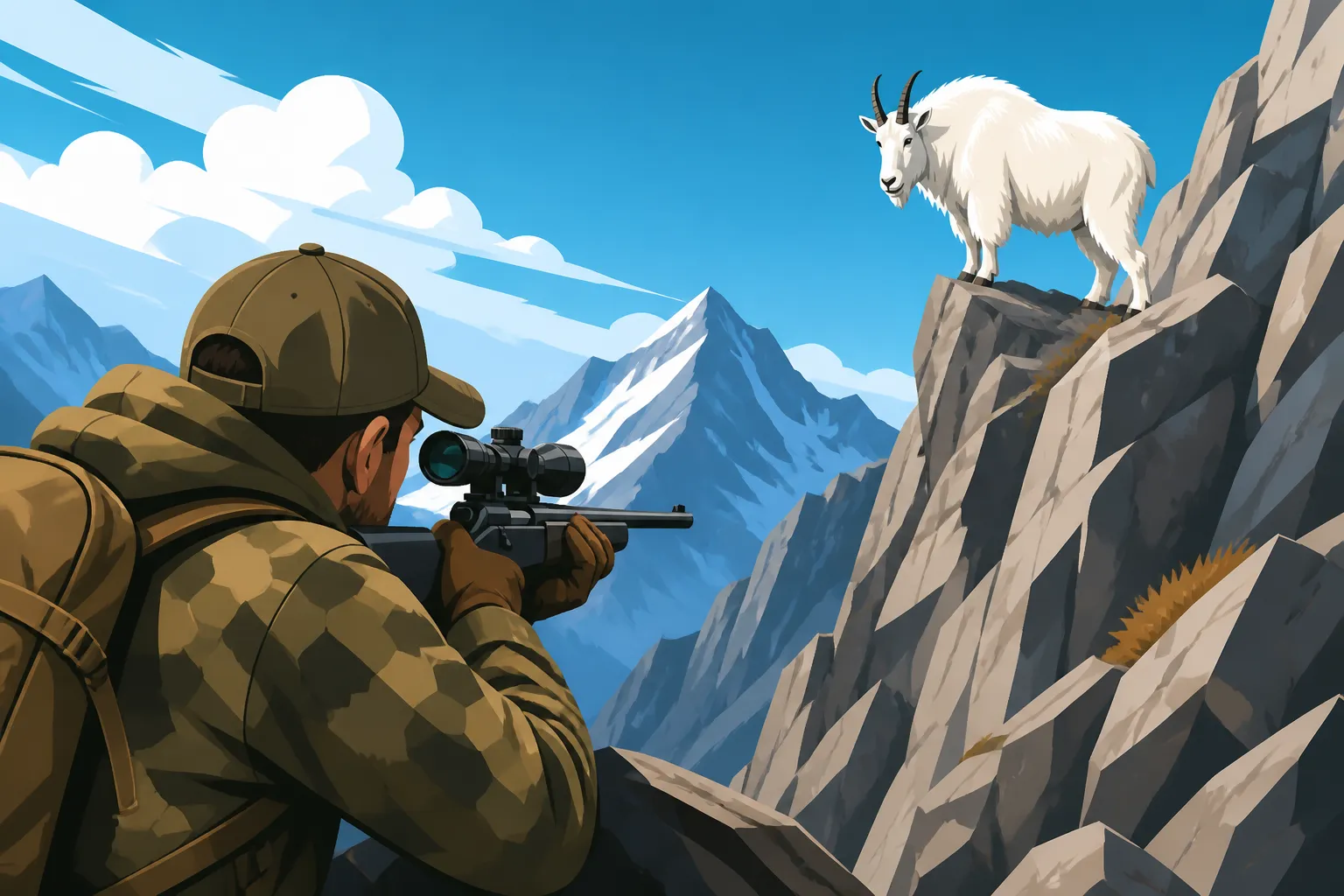
Mountain goats in Alberta make their homes in some of the most inaccessible and dangerous terrain imaginable. These hardy creatures thrive where most other big game animals wouldn't dare to tread, often at or above the treeline in the province's highest peaks. Their natural environment dictates much about how we must approach hunting them, from scouting to shot placement and recovery.
Identifying Key Habitat Features
When you're eyeing a particular Wildlife Management Unit (WMU) for mountain goats, you're not just looking for "mountains." You're looking for specific features within those mountains that provide both forage and escape terrain. Goats prefer steep, rocky slopes, often characterized by cliffs, ledges, and jagged outcroppings. These areas provide protection from predators, easy access to high-quality forage like alpine grasses and lichens, and vital mineral licks. They'll often frequent cirques – those bowl-shaped depressions carved by glaciers – and the very tops of exposed ridges where they can survey their surroundings. Understanding Alberta's Mountain WMUs and Their Access is critical to pinpointing these prime goat locations. Satellite imagery, combined with topographical maps, can highlight these features even before you set foot on the mountain, letting you identify potential bedding areas, travel corridors, and feeding grounds. You'll often find them near permanent snowfields or glaciers, especially in the late season, as these areas can provide both water and cooler temperatures.
Seasonal Movements and Elevations
Mountain goats exhibit predictable seasonal movements, although specific locations can vary depending on weather and forage availability. In the early archery seasons and into the general rifle season, they're often found at higher elevations, sometimes above 8,000 feet, enjoying the lush alpine vegetation. As the weather cools and snow begins to accumulate at higher altitudes, they'll gradually move down to slightly lower elevations, usually staying within the steep, broken country they prefer. The rut, typically in November, can sometimes bring billies (males) down from the highest crags as they seek out nannies (females), but they rarely venture far from their steep sanctuary. For hunters, this means adapting your approach based on the time of year. Early season hunts might involve more vertical climbing, while late season hunts could mean contending with significant snow and ice, adding another layer of challenge. During the spring and summer, nannies with kids tend to stick to the steepest, most secure cliffs, making them incredibly difficult to approach. Billies, on the other hand, often form bachelor groups and may be found slightly more exposed, though still in highly vertical areas.
Reading Mountain Goat Sign
Unlike deer or elk, mountain goats don't leave easily identifiable rubs or extensive trail networks in the conventional sense. Their sign is subtle and often specific to their vertical world. Look for tracks in soft dirt near mineral licks or along narrow game trails traversing ledges; their hooves leave a distinctive, cloven print, often with a prominent dewclaw impression that helps them grip steep surfaces. Droppings are small, dark pellets, often found in concentrated piles near bedding areas or feeding sites. One of the most telling signs, especially in late summer and fall, is "goat hair." They shed their thick winter coats, and tufts of pure white hair can be caught on thorny bushes, sharp rocks, or even tangled in branches on ledges. Finding fresh hair can indicate recent presence and active travel routes. Old mineral licks, often identifiable by discolored earth or heavily disturbed areas on rocky slopes, are also prime locations to find sign. Learning to spot these subtle clues is crucial, as fresh sign can tell you if goats are currently in the area you're glassing or if you need to keep moving. Using a mapping tool like those offered by GoHunt can help you mark these signs and build a picture of goat movement patterns over time.
Gear Essentials for High-Altitude, Steep Rock Hunting
Hunting mountain goats demands a gear list that is specialized, lightweight, and utterly reliable. Failure of any critical piece of equipment can have severe consequences in their unforgiving habitat. Every item in your pack needs to justify its weight, offering maximum utility and durability.
Specialized Footwear and Clothing
Your feet are your foundation in the mountains, and improper footwear is a recipe for disaster. Heavy-duty, waterproof mountain hunting boots with stiff soles, excellent ankle support, and aggressive traction are non-negotiable. Brands like Scarpa, La Sportiva, or Kenetrek are popular choices among serious mountain hunters. The stiff sole provides stability on jagged rocks and is crucial for kicking steps in snow or scree, while robust ankle support prevents twists and sprains on uneven terrain. Paired with high-quality merino wool socks, your feet will be protected, dry, and blister-free. For clothing, think layers, layers, layers. A merino wool or synthetic base layer wicks moisture away from your body, preventing chills. Mid-layers, such as a fleece or lightweight puffy jacket, provide insulation. Your outer shell must be fully waterproof and windproof, capable of shedding torrential rain or driving snow, often encountered in a single day at altitude. Look for durable fabrics that can withstand abrasive rock without tearing. Don't forget a warm hat, gloves, and a neck gaiter; much of your body heat is lost through your head and extremities.
Optics and Long-Range Shooting Equipment
In mountain goat country, your glass is your best friend. A high-quality spotting scope (20-60x or 25-75x) on a sturdy tripod is essential for picking apart distant rock faces and identifying goats that blend seamlessly into their surroundings. Paired with 10x or 12x binoculars, you can systematically scan vast areas. Don't skimp on optics; clear, bright glass reduces eye strain during hours of intense glassing. Rangefinders are also critical, allowing you to accurately judge distances in terrain that constantly plays tricks on your eyes. When it comes to firearms, precision is paramount. While shots can sometimes be close, the reality of mountain hunting often involves longer shots across canyons or up steep slopes. A flat-shooting, accurate rifle chambered in a cartridge like .300 Win Mag, 7mm Rem Mag, or even a 6.5 PRC, is a solid choice, paired with premium quality hunting bullets. Practice shooting from various positions – prone, kneeling, and using your backpack as a rest – because you won't always have a perfect bench rest on the mountain. Knowing how to compensate for uphill/downhill shots is also vital. Archery hunters face an even greater challenge, requiring extreme stealth and precision to get within bow range in open, vertical terrain.
Backpacks and Survival Gear
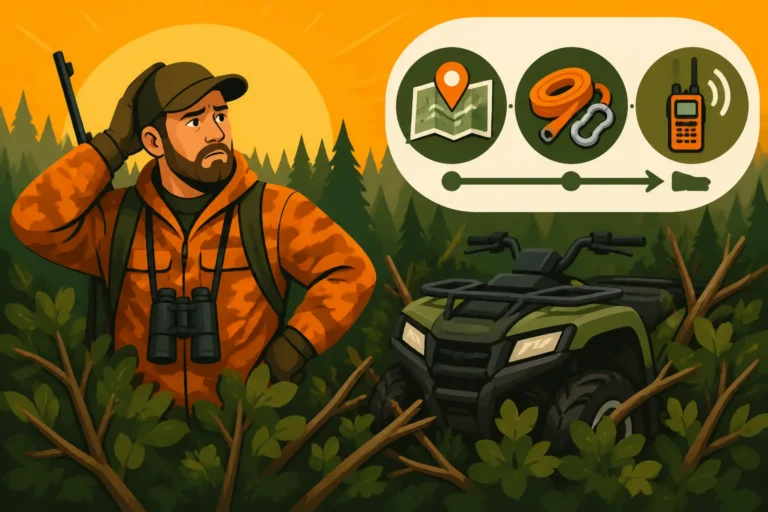
Your backpack is more than just a bag; it's your lifeline. A robust, comfortable pack (65-80 liters) with an external frame or a strong internal frame designed to carry heavy loads is crucial. It needs to accommodate all your gear for several days, plus the weight of a goat carcass on the pack out. Ensure it fits well and distributes weight effectively to minimize fatigue and prevent injury. Beyond your primary hunting gear, a comprehensive survival kit is mandatory. This includes a first-aid kit, emergency shelter (tarp or bivy sack), fire starting materials, a headlamp with extra batteries, a multi-tool, sufficient water purification (filter, tablets), and enough food for an extra day or two beyond your planned trip. A reliable GPS device or satellite communication device, like a Garmin inReach or Zoleo, is not optional; cell service is non-existent in much of Alberta's goat country. These devices are crucial for navigation, checking the weather, and, most importantly, for emergency communication. Remember, when you're Backpacking Into Alberta Sheep Country, the same gear principles apply, emphasizing self-sufficiency and redundancy.
| Gear Category | Essential Items | Considerations for Steep Rock Terrain |
|---|---|---|
| Footwear & Apparel | Stiff-soled mountain boots, gaiters, merino socks, layered clothing (base, mid, shell), warm hat, gloves | Boots: Maximum ankle support, aggressive outsole, waterproof. Clothing: Durable, tear-resistant outer layers for abrasion on rock, excellent insulation-to-weight ratio, rapid drying. |
| Optics | Spotting scope & tripod, 10x-12x binoculars, rangefinder | High magnification for identifying goats from extreme distances and confirming trophy status. Sturdy tripod for stability in windy conditions. |
| Navigation & Safety | GPS device/satellite communicator (inReach/Zoleo), topo maps, compass, first-aid kit, emergency shelter, fire starter, headlamp, signaling mirror, bear spray | Redundancy in navigation. Communication for emergencies in areas without cell service. Bear spray is essential, especially when field dressing a carcass, as described in What Happens If You See a Grizzly. |
| Hunting Equipment | Accurate rifle/bow, premium ammunition/arrows, knife, game bags, trekking poles, rope/cordage | Trekking poles provide crucial balance and reduce strain on knees during ascents/descents. Strong, lightweight rope can be invaluable for lowering game bags or securing yourself on steep slopes. |
| Camp & Sustenance | Lightweight tent/bivy, sleeping bag (appropriate temp rating), sleeping pad, compact stove & fuel, dehydrated meals, extra water, water filter/purifier | Every ounce counts. Prioritize lightweight, high-calorie food. Always carry more water than you think you need or a reliable purification system. |
Developing Effective Scouting and Stalking Strategies
Mountain goat hunting is largely a game of patience and perseverance, punctuated by moments of intense, heart-pounding action. The key to success lies in meticulous scouting and executing a flawless stalk in terrain that offers little margin for error.
Glassing Techniques from a Distance
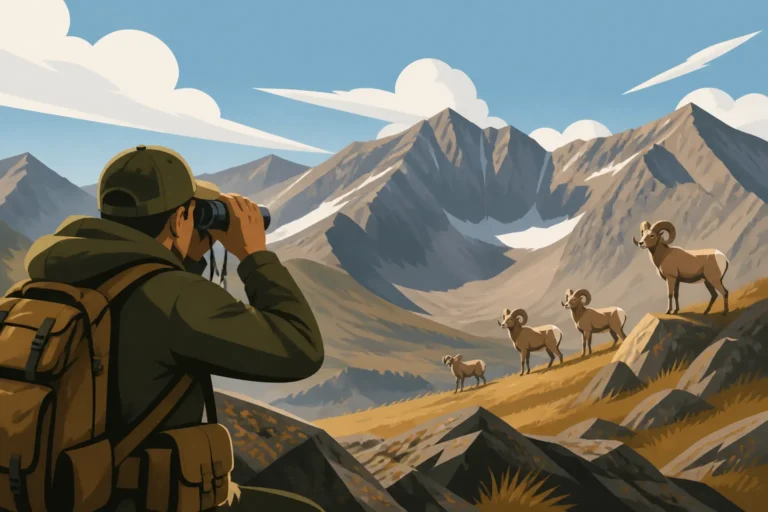
Successfully finding mountain goats often starts miles away through your optics. The sheer vastness of their habitat makes covering ground on foot inefficient and exhausting, not to mention risky. Start by glassing from a high vantage point that offers a panoramic view of the WMU you're hunting. Systematically break down the distant mountainsides into grids, scanning every rock outcropping, every snowfield, every patch of timber, even the smallest ledges, with your spotting scope. Look for anything that seems "out of place" – a patch of white that moves, a shape that isn't quite a rock, or the glint of a horn. Goats blend in incredibly well, especially when bedded. Patience is key; spend hours behind the glass, returning to the same areas throughout the day as lighting changes and goats move. This systematic approach, especially when coupled with tools like those found on GoHunt, which can help you analyze terrain and draw odds for How the Mountain Goat Draw Works, dramatically increases your chances of locating a legal animal. Don't just look for white; look for movement, subtle differences in texture, or the distinct profile of their blocky bodies.
Approaching Goats in Open, Exposed Terrain
Once you've spotted a goat, the real challenge begins: the stalk. Mountain goat terrain is inherently open and exposed, offering very little cover. This means your approach needs to be slow, deliberate, and often indirect. The mountain goats' eyesight is legendary, and they'll spot unnatural movement from incredible distances. Use terrain features like ridges, draws, and timber pockets to mask your advance. Often, the best approach is not the most direct, but the one that keeps you out of sight for the longest. This might involve descending into a drainage only to climb another ridge, adding significant time and vertical feet to your stalk. Assess your route carefully for potential pitfalls – loose rock, treacherous climbs, or impassable cliffs. Remember, a goat can traverse terrain that you simply cannot, so don't attempt to follow directly into seemingly impossible areas. Understanding how Scouting With Satellite Imagery in Alberta can reveal hidden approaches or escape routes is invaluable here.
Utilizing Wind and Thermals
Wind and thermals play a critical role in mountain hunting, perhaps even more so than in other habitats. In the mountains, wind patterns can be incredibly complex and unpredictable. General rule of thumb: cold air sinks, warm air rises. This means in the mornings, thermals often draw scent upwards, while in the evenings, they pull it downwards. However, prevailing winds can override these local thermals, creating swirling drafts, especially around saddles and peaks. Always test the wind, and assume it's changing. Your scent can carry for miles in the thin mountain air, alerting goats to your presence long before you're in range. The goal is always to approach from downwind or crosswind. This often means adjusting your stalk route mid-approach, sometimes requiring a full retreat and re-evaluation if the wind shifts unfavorably. Pay attention to the subtle cues – swirling dust, moving clouds, or even the feel of the breeze on your neck – to stay undetected. Just like understanding Wind in Open Prairie Country is crucial for a mule deer hunter, understanding mountain thermals is paramount for goat hunting.
Navigating the Treacherous Terrain Safely
Safety cannot be overstated when hunting mountain goats. The environment itself is a constant threat, and every decision you make must prioritize your well-being. A successful hunt means coming home safely, regardless of whether you tagged a goat.
Assessing Risks and Route Planning
Before you even begin an ascent, meticulously assess the risks involved with your chosen route. Look for signs of loose rock, scree slides, or recent rockfall. Identify stable ledges, safe traverses, and potential escape routes. Route planning isn't just about getting to the goat; it's about getting to the goat safely and, just as importantly, getting back out. Consider the weather forecast – a clear, sunny morning can turn into a whiteout blizzard within hours, a common occurrence when Hunting Alberta Winter Weather Safely. Always have a Plan B and a Plan C. If a route looks too dangerous, it probably is. There's no trophy worth risking your life over. Use your GPS and maps to identify potential bail-out points or alternative paths. Recognize your physical limits and don't push beyond them, especially when fatigue sets in or visibility diminishes. The decision to turn back is often the smartest one you'll make.
Basic Rock Climbing and Rappelling Skills
While you don't need to be a professional alpinist, having a basic understanding of self-belay, proper foot placement on rock, and using fixed ropes can be incredibly beneficial, and sometimes essential. Many goat hunting scenarios involve navigating incredibly steep, exposed sections of rock where a slip could be fatal. Knowledge of how to safely ascend and descend using ropes and harnesses, even simple rappelling techniques for short drops, can open up access to goats that others might avoid. Always carry a small amount of strong, lightweight cordage (like 50 feet of static line) and a few carabiners. This allows you to create handlines on steep pitches, lower gear, or even assist with carcass retrieval. However, never attempt maneuvers beyond your skill level. If you're new to this, consider taking a basic climbing or mountaineering safety course before your hunt. It's about preparedness, not recklessness.
Emergency Preparedness and Communication
Being prepared for an emergency is non-negotiable in the backcountry. A comprehensive first-aid kit tailored for trauma and wilderness injuries is crucial. Know how to use it. Carry a satellite communication device (like a GoHunt-compatible Garmin inReach or Zoleo) to call for help, even when there's no cell service. Make sure someone at home knows your exact itinerary, your intended route, and when you expect to check in. Establish a clear "no-contact" protocol that triggers an emergency call if you haven't checked in by a specific time. Always be aware of your surroundings, especially for wildlife. You're in prime grizzly country in many of Alberta's mountain WMUs. Carrying bear spray, knowing how to use it, and keeping it easily accessible is as important as your rifle. Remember, an emergency in this type of terrain is exponentially more dangerous and complex to resolve than one in less challenging environments.
Physical and Mental Preparation for a Mountain Goat Hunt
A mountain goat hunt is often described as one of the most physically demanding hunts in North America, and for good reason. It pushes you to your absolute limits, both physically and mentally. Proper preparation in both these areas is just as critical as your gear or hunting strategy.
Tailored Fitness Regimen
Forget simply walking on a treadmill; preparing for a mountain goat hunt requires a focused, high-intensity fitness regimen that mimics the demands of the actual hunt. Your training should emphasize cardiovascular endurance, leg strength, core stability, and overall muscular stamina. Incorporate weighted hikes with your hunting pack, gradually increasing the weight and distance. Seek out steep hills or stairs to simulate ascents. Interval training, trail running, and cycling will build your lung capacity. Focus on exercises like squats, lunges, step-ups, and deadlifts to build powerful legs and a strong back. Don't neglect flexibility and mobility; stretching and yoga can help prevent injuries from prolonged exertion and awkward movements on uneven terrain. Start your training months, if not a year, in advance. This isn't a workout you can cram in a few weeks before the season opens. Your physical readiness directly impacts your safety, endurance, and ability to make critical decisions when fatigued.
Building Mental Fortitude and Resilience
While the physical demands are immense, the mental challenges of mountain goat hunting can be just as grueling. Hours of glassing with no goats, endless steep climbs, frustrating stalks, and dealing with unpredictable weather can wear you down. Building mental fortitude means developing the ability to push through discomfort, maintain a positive attitude in the face of setbacks, and make sound judgments under pressure and fatigue. Practice visualization: imagine yourself successfully navigating difficult terrain, making a perfect shot, and packing out your goat. Set small, achievable goals during your training to build confidence. Learn to accept discomfort as part of the process. The mountains will test your patience, your determination, and your resolve. A strong mind can often push a tired body further than you thought possible. This mental game is often what separates successful mountain hunters from those who give up prematurely.
Acclimatization and Altitude Sickness Prevention
If you're coming from a lower elevation, the reduced oxygen at high altitudes can significantly impact your performance and health. Acclimatization is crucial. If possible, arrive in the mountains a few days before your hunt to allow your body to adjust. Spend time hiking at progressively higher elevations. Stay well-hydrated, even more so than usual, as dehydration can exacerbate altitude sickness. Avoid alcohol and heavy meals before and during your initial days at altitude. Symptoms of acute mountain sickness (AMS) include headaches, nausea, dizziness, and fatigue. If you experience these, descend immediately. Ignoring these warning signs can lead to more severe and life-threatening conditions like high-altitude pulmonary edema (HAPE) or high-altitude cerebral edema (HACE). Know the symptoms and discuss them with your hunting partners. Your ability to perform at peak physical and mental levels depends entirely on your body's adaptation to the high-altitude environment.
Successful Carcass Recovery and Pack-Out Tactics
The shot is only half the battle. Retrieving a mountain goat from its steep, rocky lair is often the most dangerous and difficult part of the hunt. This phase requires meticulous planning, teamwork, and an unwavering commitment to safe practices.
Field Dressing in Steep, Unforgiving Angles
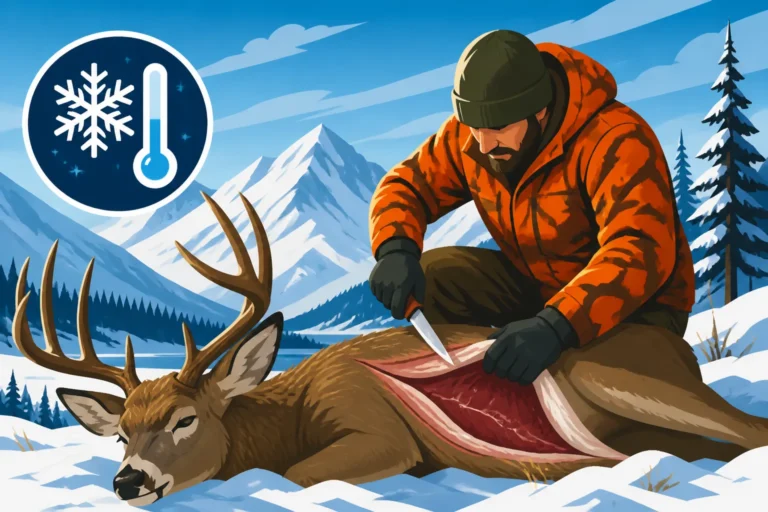
Once your goat is down, the location of the animal will dictate your next steps. It's rare for a goat to drop on a flat, convenient spot. More often, they're on a precarious ledge, a steep scree slope, or nestled against a cliff face. Safety is paramount. If the goat is in a truly dangerous spot, consider your options carefully. Can you safely reach it? Can it be moved to a more stable position? Sometimes, it might be safer to partially field dress the animal where it lies, or quarter it out entirely before moving anything. Use a quality, sharp knife, and be prepared to work slowly and deliberately. Game bags are essential to keep meat clean and cool. Work quickly but cautiously to get the hide off and the meat broken down into manageable pieces. Remember, these animals are known for their strong scent, especially billies, so clean cuts and prompt cooling are vital for meat quality. Don't forget to tag and attach your licence as required, as detailed in your Alberta's WIN Card and Wildlife Certificate guidelines.
Packing Out Heavy Loads Over Dangerous Ground
This is where all your physical and mental preparation pays off. Mountain goat meat, combined with the hide, head, and horns, makes for an incredibly heavy load, especially when traversing steep, unstable terrain. Plan your pack-out route meticulously. It might not be the same route you used for the stalk. Look for the path of least resistance, prioritizing safety over speed. Utilize trekking poles for balance and stability, and consider using ropes to lower heavy game bags over steep drops or through dangerous sections. This is often a multi-person job, so if you're hunting with a partner, teamwork is essential. Split the load strategically; the person with the best balance might take the head and horns, while others carry the meat. Take frequent breaks to prevent fatigue, which can lead to mistakes. Remember, you're not just carrying weight; you're often navigating loose rock, snow, ice, and sheer drops while doing so. For more detailed insights on managing these heavy loads, refer to strategies for Packing Out of Alberta's Mountain WMUs.
Meat Preservation in the Backcountry
Once the animal is quartered and bagged, your focus shifts to preserving the meat. In the high-altitude environment, temperatures can drop rapidly, which is often a blessing. Get the meat off the bone and into game bags as quickly as possible to maximize cooling. Hang the game bags in a shady, airy spot away from direct sunlight and off the ground to allow air circulation. In freezing conditions, the meat will freeze solid, providing excellent preservation. If temperatures are mild, continue to cool the meat and protect it from flies and other scavengers. Using a portable game hoist or simply hanging quarters from a sturdy tree branch can help with air circulation. Your goal is to get the meat to a cooler or processing facility as quickly as safely possible. Contamination from dirt, hair, or gut contents must be avoided at all costs to ensure the best possible table fare from your hard-earned goat.
Disclaimer
The information provided in this guide is for general informational purposes only and does not constitute professional advice. Hunting involves inherent risks, and conditions in the backcountry can change rapidly. Always consult the latest Alberta hunting regulations, acquire the necessary licences and permits, and prioritize safety above all else. Seek professional training for wilderness first aid, navigation, and climbing techniques before venturing into challenging mountainous terrain.