Accessible Hunts for Hunters With Disabilities
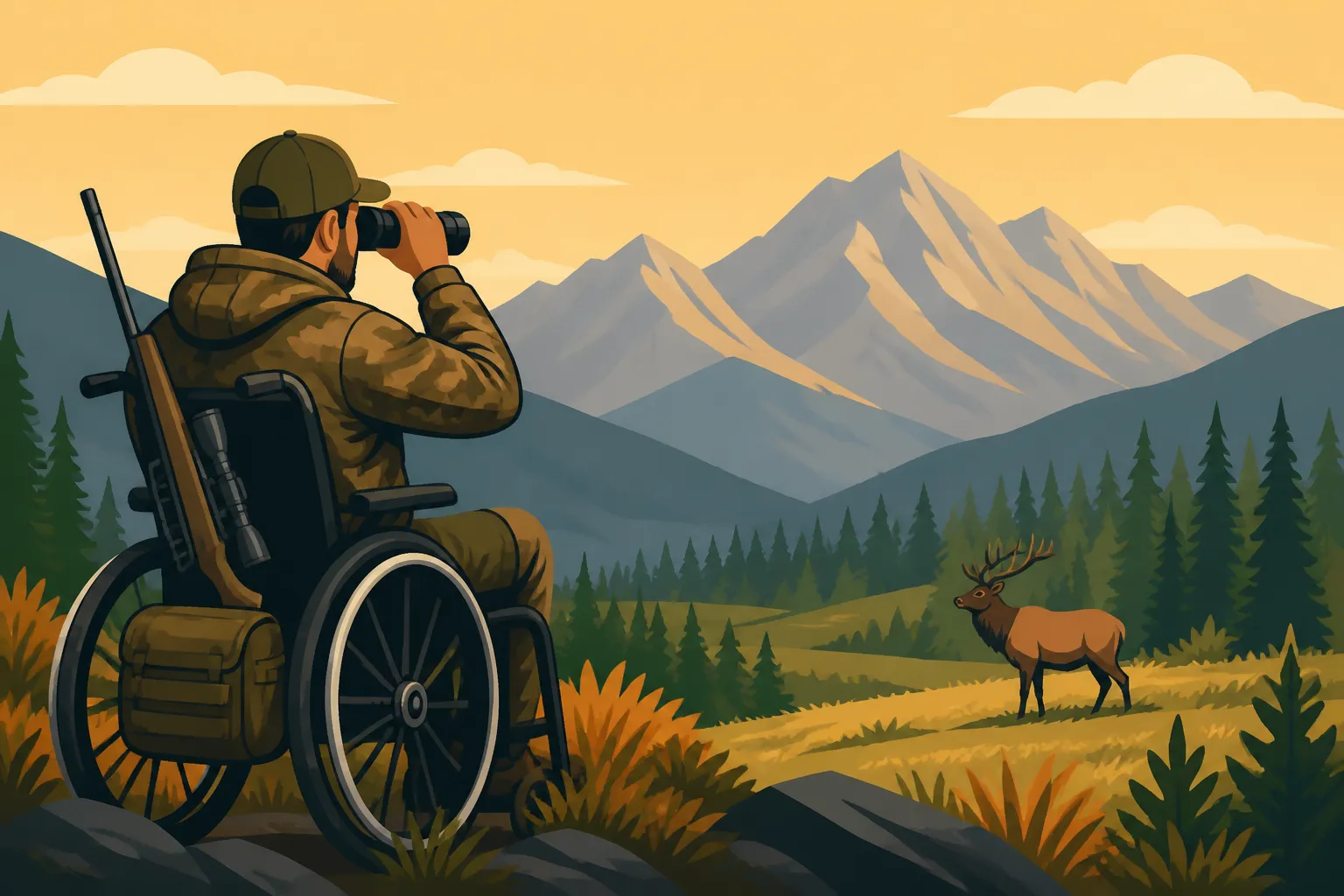
For hunters with disabilities, the call of Alberta's wild landscapes and abundant game can feel both incredibly strong and incredibly daunting. The thought of navigating rugged terrain, finding suitable accommodations, or ensuring you have the right support can often overshadow the excitement of the hunt itself, leading to frustration and the feeling that perhaps this passion isn't truly accessible. This guide aims to dismantle those barriers, offering a comprehensive look at how hunters with disabilities can successfully plan and execute rewarding hunting experiences in Alberta, turning those dreams into reality.
Understanding the Landscape of Accessible Hunting in Alberta
Alberta is a vast province, offering incredible hunting opportunities from the prairies to the mountains, and each presents its own set of challenges and unique rewards. For hunters with disabilities, understanding the existing framework, the types of terrain, and the general approach to hunting here is the first critical step toward a successful and enjoyable experience.
The Legal Framework and Permits for Adaptive Hunters
Alberta's hunting regulations recognize that not every hunter has the same physical capabilities, and they do make provisions for those with disabilities. It's not about giving an unfair advantage, but rather creating opportunities for all to participate safely and effectively. The provincial government offers specific permits and accommodations to ensure that hunters with disabilities can enjoy their time afield. For instance, specific permits might allow for certain vehicle use in areas typically restricted, or for assistance with retrieving game in challenging conditions. These aren't blanket permissions, but rather tailored considerations based on individual needs and safety.
Understanding these specific allowances is paramount. You can't just assume; you need to consult the current regulations and apply for the necessary permits well in advance. These permits are designed to level the playing field, making the experience more inclusive without compromising conservation principles. It's about knowing your rights and the available options, and then actively pursuing them. The Alberta government provides clear guidelines on how to apply for these special considerations, often requiring a doctor's note or other verification of disability. You'll want to dig into the specifics of Alberta Disabled Hunter Permit Options to see what might apply to your situation.
General Versus Special Licences for Adaptive Hunters
When planning any hunt in Alberta, hunters typically start with understanding the licence types required for their target species. This usually involves a general licence, which might be available over the counter, or a special licence, which often requires participation in a draw. For hunters with disabilities, this distinction is still very much in play, but with an added layer of consideration.
General licences for species like white-tailed deer or certain bird species are often more straightforward to acquire and offer flexibility in timing and location within broad zones. This can be beneficial for hunters who might need to adapt their plans based on weather, energy levels, or availability of support. However, for highly sought-after species like moose or elk, special licences are the norm, and bighorn sheep are handled differently: residents buy class 1 (trophy) sheep licences without a draw, while class 2 (non-trophy) sheep licences go through a draw (draw 29). While the draw system itself doesn't typically factor in disability, the type of special licence you pursue might influence the accessibility of the hunt. For example, some draw-only WMUs are incredibly rugged, requiring significant physical exertion, whereas others might have more road access or gentler terrain. It's vital to research not just the species and the WMU, but also the physical demands associated with hunting that specific area. Understanding Alberta Hunting Licences and What They Cost is a good starting point, but always consider the practical implications of a particular hunt in relation to your adaptive needs.
Challenges of Alberta's Diverse Terrain
Alberta's geography is incredibly varied, stretching from the flat, agricultural plains of the south and east, through the rolling aspen parkland, up into the rugged foothills, and finally into the majestic Rocky Mountains and the vast boreal forest. Each of these regions presents its own set of challenges for any hunter, and even more so for someone with mobility or other physical limitations.
The wide-open prairie, while seemingly flat, can be deceptive. Distances are vast, and while vehicle access might be good on main roads, crossing private or public lands can involve uneven ground, deep coulees, and heavy snow in late season. The foothills and mountains, with their steep inclines, rocky terrain, and dense timber, are often only accessible on foot or horseback. Even the boreal forest, while less dramatic in elevation, can be a maze of thick brush, muskeg, and wet ground, making travel difficult even with ATVs. This is where pre-hunt scouting and realistic assessment of your capabilities, or the capabilities of your chosen outfitter's resources, become absolutely crucial. A hunter might find a Prairie Coulee Bottom hunt more accessible than a Backpacking Into Alberta Sheep Country trip, for example. It's important to have honest conversations with yourself and any potential guides about what you can realistically manage and what adaptations will be needed to navigate these diverse environments safely and effectively.
Finding Accessible Outfitters and Services
For many hunters with disabilities, engaging the services of a professional outfitter or guide is often the most practical and safest way to pursue their hunting passion in Alberta. These professionals can provide the necessary infrastructure, specialized knowledge, and physical support to create a truly accessible experience.
The Critical Role of Outfitters
An experienced Alberta outfitter isn't just someone who knows where the game lives; they are often logistical masterminds who can tailor an entire hunting experience to specific needs. For hunters with disabilities, this can mean the difference between a frustrating, impossible trip and a successful, memorable one. Outfitters can provide everything from specialized transportation – think side-by-sides modified for accessibility, tracked wheelchairs, or even horse-drawn wagons – to accessible camp accommodations, trained guides who understand your specific needs, and assistance with field dressing and game retrieval.
When looking at Hunting Guides and Outfitters in Alberta, it's important to understand that not all outfitters are equipped or experienced in providing adaptive hunts. Some specialize in mountain horseback trips for trophy rams, while others might focus on traditional walk-in whitetail hunts. The key is finding an outfitter whose operation aligns with your specific accessibility requirements and who demonstrates a genuine willingness and capability to accommodate them. They can be invaluable partners in planning everything from how you'll get to the hunting grounds to how you'll comfortably spend your evenings in camp.
Vetting Outfitters for Accessibility
Finding the right outfitter is crucial. It requires more than just looking at their trophy photos; it demands a deep dive into their actual operational capabilities regarding accessibility. You need to ask very specific questions to ensure they can genuinely meet your needs.
Here's a checklist of questions to consider when vetting an outfitter:
| Feature | Key Questions to Ask |
|---|---|
| Experience | Have you guided hunters with disabilities before? What was their specific challenge? |
| Transportation | What vehicles do you use? Are they modified? What is the longest distance from camp? |
| Accommodation | Is the camp accessible? Are tents or cabins easily entered/exited? Accessible washrooms? |
| Hunting Style | What methods do you use? Can they be adapted (e.g., ground blinds, elevated blinds)? |
| Guide Ratio/Support | What is the hunter-to-guide ratio? Can additional support be provided if needed? |
| Equipment | Do you have adaptive equipment (e.g., shooting rests, blinds)? Can I bring my own? |
| Emergency Plan | What are your emergency procedures for a hunter with specific medical needs? |
| References | Can you provide references from previous adaptive hunters you've guided? |
| Game Retrieval | How do you handle game retrieval in challenging terrain with adaptive needs? |
| Flexibility | How flexible are hunt dates or daily schedules if I need more rest or adaptation? |
Platforms like BookYourHunt can be a great starting point, as some allow you to filter or search for outfitters who advertise accessible hunts or specialized services. However, always follow up with direct, detailed conversations. Don't be shy about asking specifics, as your safety and enjoyment depend on it. A good outfitter, when considering Choosing the Right Alberta Outfitter, will be transparent and eager to discuss how they can make your hunt possible.
Exploring Adaptive Hunting Equipment
The world of adaptive hunting equipment has grown significantly, offering innovative solutions that empower hunters with various physical challenges. This equipment can range from relatively simple modifications to highly specialized gear, and understanding what's available can greatly expand your hunting possibilities.
For those with mobility issues, advancements in all-terrain wheelchairs, electric tracked chairs, and even specialized vehicle modifications allow access to areas that were once impossible to reach. Shooting rests can be adapted to accommodate limited arm movement or stability issues, enabling precise shots from various positions. For hunters who are visually impaired, technology exists that can assist with target acquisition. Specialized ground blinds or elevated blinds can be designed for easy entry and exit, often with ramps or wider doors, and provide comfortable, stable platforms for shooting. Even seemingly small items like specialized gripping aids or remote-controlled game calls can make a big difference in a hunter's independence and effectiveness. Before embarking on your hunt, research what adaptive equipment is available and consider what might best suit your specific needs. Discuss these options with your chosen outfitter, as they may have experience with certain gear or even possess some adaptive equipment themselves.
Strategies for Planning Your Accessible Alberta Hunt
Planning an accessible hunt in Alberta requires a thoughtful, strategic approach, going beyond just finding an outfitter. It involves understanding where to hunt, who to hunt with, and how to manage the logistical and financial aspects.
Researching Accessible WMUs and Public Lands
Alberta's landscape is carved into numerous Wildlife Management Units (WMUs), each with its own terrain, game populations, and access rules. When planning an accessible hunt, simply picking a WMU known for big bucks isn't enough; you need to consider its inherent accessibility. Some WMUs, particularly those in the prairie or parkland regions, might have more extensive road networks and gentler topography, making them naturally more accommodating. Others in the mountains or dense boreal forest might require significant off-road travel or foot access that could be challenging.
Utilize resources like the provincial government's recreational access mapping tools, and if possible, consult with local Fish and Wildlife officers or experienced hunters who know the specific WMUs. Look for areas with established trails, forestry roads, or public land use zones (PLUZs) that might allow for vehicle access with the appropriate permits. While much of Alberta's public land is accessible, the type of access varies dramatically. Understanding Public Hunting Land in Alberta and specifically Alberta's Public Land Use Zones can help you identify areas where certain vehicles might be permitted, or where the terrain is less demanding. It might also be beneficial to focus on WMUs known for good populations of a species that can be hunted effectively from static positions, such as blinds near food sources or travel corridors.
Hunter Host and Companion Rules
For many non-resident hunters in Alberta, having a hunter host or professional guide is a requirement. For resident hunters with disabilities, and even more so for non-residents, having a capable companion or a dedicated hunter host is not just a regulatory consideration but often a practical necessity for safety, assistance, and camaraderie.
A hunter host is an Alberta resident who accompanies a non-resident hunter, ensuring they understand and follow provincial regulations. This person can also be an invaluable source of local knowledge and practical assistance. For any hunter with disabilities, whether resident or non-resident, a hunting companion (who might also be the hunter host) can provide crucial support, from spotting game and setting up gear to assisting with navigation, field dressing, and game retrieval. Ensure that any companion or host understands your specific needs, is physically capable of assisting you, and is familiar with emergency procedures. Having these discussions upfront is key to a smooth and safe hunt. Delve into the specifics of Hunting Alberta With a Hunter Host if you are a non-resident considering this option, as there are clear rules about who can act as a host and what their responsibilities are.
Financial Considerations and Funding for Specialized Hunts
Let's be realistic: specialized hunting equipment, adaptive modifications, and dedicated outfitter services for accessible hunts can sometimes come with a higher price tag. This isn't always the case, but it's an important consideration to budget for. Outfitters providing adaptive hunts might need to dedicate more staff, utilize specialized vehicles, or invest in accessible camp infrastructure, all of which can influence the overall cost of the trip.
However, there are resources and organizations dedicated to making hunting accessible to everyone. Foundations and non-profits often exist that specifically support adaptive hunting initiatives, sometimes offering grants, subsidized hunts, or connecting hunters with specialized guides. Researching these organizations well in advance can help offset some of the costs. Additionally, many outfitters are passionate about providing these experiences and might offer flexible packages or payment plans. Don't let the potential cost deter you from exploring the possibilities; instead, factor it into your planning and actively seek out support. Understanding What an Alberta Guided Hunt Costs generally will give you a baseline, but be prepared for potential adjustments based on the level of specialized service required.
Real-World Experiences and Tips for Success
Beyond the permits and logistics, a successful accessible hunt in Alberta hinges on preparation, communication, and a robust appreciation for the experience itself. It's about empowering yourself to overcome challenges and embrace the wild.
Personalizing Your Hunt: Communication is Key
Every hunter with a disability is unique, with their own specific needs, physical capabilities, and hunting preferences. What works for one person may not work for another. This is precisely why open, honest, and frequent communication with your outfitter, guide, or hunting companions is paramount. Don't assume they know your limitations or your strengths.
Before, during, and after booking, clearly articulate your needs, concerns, and expectations. If you need extra time to get ready in the morning, say so. If a particular piece of terrain is too challenging, speak up. A good guide wants you to have a safe and successful experience, and they can only adapt effectively if they have all the information. Similarly, be open to their suggestions and expertise. They know the land, the game, and the local conditions. This collaborative approach ensures that the hunt is truly personalized to you, maximizing both your safety and your enjoyment. This proactive communication is the bedrock of any successful adaptive hunt, helping to iron out potential issues long before they become problems in the field.
Safety and Preparation for Alberta's Environment
Hunting in Alberta, regardless of physical ability, always requires a strong emphasis on safety and thorough preparation. For hunters with disabilities, these considerations take on even greater importance. The weather can change rapidly, particularly in the foothills and mountains, turning a mild day into a harsh challenge. Hunting Alberta Winter Weather Safely means being ready for anything from blizzards to sudden cold snaps.
Beyond clothing and shelter, ensure your specific medical needs are communicated to your hunting party and that any necessary medications or adaptive medical equipment are readily accessible. Have a clear emergency plan in place that everyone understands. This includes knowing how to contact emergency services, the nearest medical facilities, and who will be responsible for what in a crisis. For example, if you require assistance with personal care or mobility, ensure your companion is trained and comfortable providing that support. Practice with your adaptive shooting equipment well before the hunt to ensure proficiency and confidence. Carrying a satellite messenger or GPS device can also provide an extra layer of safety, especially when venturing into remote areas. A well-prepared hunter is a safe hunter, and this holds true for every person who steps into Alberta's wild.
Enjoying the Experience, Beyond the Harvest
While the thrill of harvesting an animal is a huge part of hunting, the experience of an accessible hunt in Alberta offers so much more. For many hunters with disabilities, simply being out in nature, breathing the crisp air, and experiencing the sights and sounds of the wild is a profound reward in itself. The camaraderie with your guides and companions, the challenge of adapting to the environment, and the sheer joy of pursuing a passion that might have once seemed out of reach can be incredibly fulfilling.
Embrace every moment, from the early morning frost on the trees to the quiet evenings by the campfire. Celebrate the small victories: navigating a tricky trail, making a difficult stalk, or simply spending a day immersed in the wilderness. The connection to the land and the animals, the test of your skills and resilience, and the memories created are often more valuable than any trophy. An accessible hunt in Alberta is not just about the game you take; it's about the spirit you rekindle, the personal triumph you achieve, and the unbreakable bond you forge with the wild. Consider the full journey, from obtaining your Alberta Hunter Education Course Requirements to the satisfying challenge of Meat Care in Alberta's Cold and Warm Swings.
Disclaimer
This article is for general informational purposes only and does not constitute professional advice. Laws, prices and regulations vary by location and change over time. Consult a qualified professional for guidance on your specific situation.