Calling a Bull Moose in the Rut
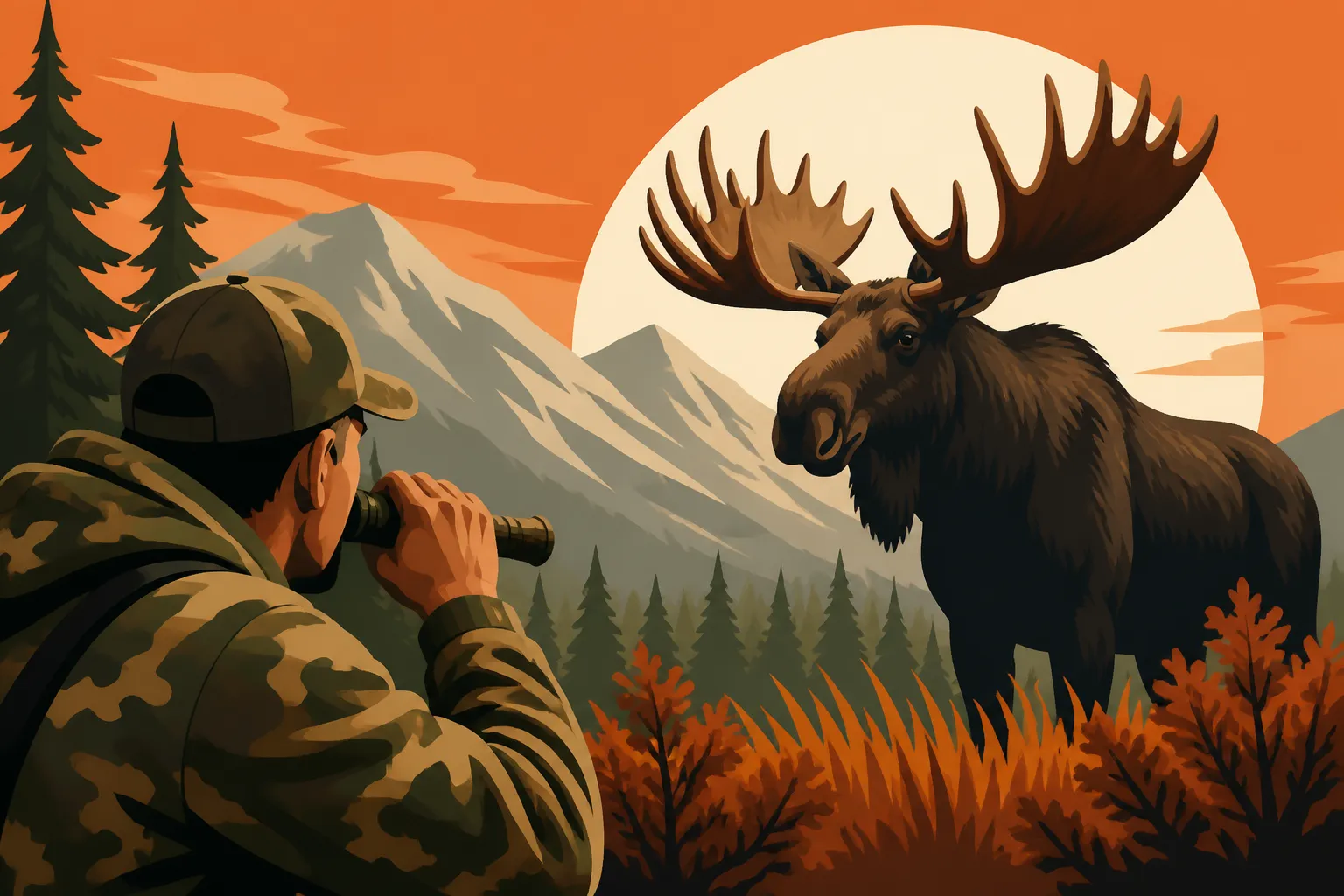
There's nothing quite like the rush of hunting an Alberta bull moose, especially when the rut is on. But let's be honest, trying to call in one of these magnificent giants in Alberta's vast boreal forest can feel like screaming into a black hole sometimes. You practice those calls, you get out there, and often, all you get back is silence, leaving you wondering if you're doing it all wrong. This guide is here to unravel the mysteries of calling a bull moose during the rut, offering proven strategies and techniques to turn those silent moments into heart-pounding encounters.
Understanding Alberta's Moose Rut Dynamics
The moose rut in Alberta is a truly magical, albeit sometimes frustrating, time for hunters. It's when bulls, usually solitary, become vocal and aggressive, actively seeking out cows. Understanding when and why they do what they do is the first step to calling success.
When the Rut Peaks and Why it Matters
In Alberta, the moose rut generally kicks off in late September and can run well into October, with the peak often hitting around the first two weeks of October. This timing is critical because it dictates the moose's receptiveness to calls. Early in the rut, bulls might still be establishing territories or just starting to feel the urge. They might respond to a challenge but aren't yet desperate. As the rut progresses and hits its peak, often around the time we're When Alberta's Moose Rut Peaks , bulls are much more active, more vocal, and significantly more susceptible to both cow calls and aggressive bull challenges. This is when you'll find them most willing to travel to investigate a potential rival or a receptive cow. Later in the rut, after the peak, some bulls may still be looking, especially younger ones who haven't secured a cow, or older bulls who are still tending a cow but might be more fatigued. Your calling strategy needs to adapt to these phases, moving from softer, more inquisitive calls to aggressive challenges and then back to softer, more desperate calls as the season wanes.
Reading Moose Behavior and Vocalizations
Moose communicate primarily through vocalizations and body language, especially during the rut. Understanding what these sounds mean is like learning their secret language. A cow's estrus bawl, for example, is a long, drawn-out cry that signals she's ready to breed. Bulls respond to this instinctively. Conversely, a bull's grunt can signify anything from contentment to a direct challenge, depending on its intensity and cadence. Aggressive grunts are deeper, more guttural, and often come in quicker succession. You'll also notice bulls raking their antlers on trees, making rubs, or thrashing through brush to advertise their presence and dominance. Paying attention to these signs, like fresh rubs or tracks, can tell you if a bull is in the area and how actively he's rutting. If you hear what sounds like a tree being absolutely demolished, it's a good bet a bull is in a mood to fight or impress. These observations help you decide what call to use and how aggressively to call.
Prime Rutting Habitat in Alberta
Alberta's vast boreal forest is moose country, and during the rut, certain habitats become hotspots. Moose prefer areas with a mix of dense cover for security and bedding, and open areas or edges for feeding on browse like willow, aspen, and balsam fir. Look for stands of young regenerating forest, especially areas that have been logged a few years prior (known as cutblocks) or recent burns. These offer excellent browse and thick cover. Rivers, creeks, and lake edges with abundant aquatic vegetation are also prime areas, as are the numerous Hunting Moose Along Cutlines and Seismic Lines that crisscross the northern forests. These linear features provide easy travel corridors and offer clear lines of sight. When you're considering Where Alberta's Moose Population by Region is densest, you're looking at these very same types of areas. Moose are also often found in muskegs and swamps, as these areas provide both food and protection from insects and predators. Using tools like GoHunt's mapping layers can help identify these prime habitats from your couch, pinpointing historical burn areas, old logging roads, and marshy terrain where moose are likely to congregate during the rut. This kind of detailed scouting can save you countless hours of unproductive hunting.
Essential Moose Calling Techniques and Sounds
Mastering moose calling isn't about just making noise; it's about making the right noise at the right time, mimicking the natural vocalizations and interactions that happen during the rut.
Mastering the Cow Call and Estrus Bawl
The cow call is your bread and butter when calling moose. It's the sound that brings bulls in, fueled by their primal urge to breed. The basic cow call is a long, nasal moan that rises and falls. To really sell it, you need to add an estrus bawl, which is essentially a more drawn-out, sometimes almost pleading version of the cow call, often ending with a guttural, vibrating sound. Imagine a lonely cow, desperate for companionship. Practicing this call is key, and consistency is more important than perfection. You can use a variety of calls, from simple diaphragms to larger plastic or birch bark calls, to achieve this sound. The key is to make it sound natural and somewhat pathetic, conveying a cow ready to breed. It should start low, rise in pitch and volume, and then taper off, often with a slight tremor. Remember, bulls are looking for a receptive cow, so your call needs to convey that specific message.
Aggressive Bull Grunts and Challenges
While the cow call attracts, the bull grunt can often be used to instigate or confirm a bull's presence, and sometimes even enrage a dominant bull enough to come investigate. There are two main types: the deep, guttural grunt of a dominant bull and the shorter, more inquisitive grunt. The aggressive grunt is a series of deep, guttural "ERR-UHH, ERR-UHH, ERR-UHH" sounds, often accompanied by thrashing brush or raking antlers (more on that in a moment). This mimics a bull challenging a rival. Be cautious with aggressive grunts early in the season, as a young bull might be intimidated and flee, while a dominant bull might just skirt around you, assessing the threat. Later in the rut, especially when you've already established a presence with cow calls, an aggressive grunt can be the final trigger that brings a bull charging in. Sometimes, simply mimicking a bull's grunt that you hear in the distance is enough to draw him closer.
Incorporating Antler Raking and Rubbing
Moose, particularly bulls, are masters of creating noise and visual cues in their environment. Antler raking and rubbing is a critical part of their rutting display and a powerful calling technique. This isn't just about making noise; it's about painting a picture for the bull in the distance. To simulate this, find a small tree or bush and thrash it with a real or synthetic antler, or even a sturdy stick. Break branches, scrape the bark, and make a general commotion. Follow this with a few bull grunts. The sound of wood breaking and antlers scraping on a tree tells a distant bull that a rival male is actively marking his territory and potentially tending a cow. Combine this with the cow call to create a realistic scenario: a bull has found a cow, and he's now showing off or fending off rivals. This combination can be incredibly effective, especially when a bull is hesitant to commit to a vocal call alone. It adds a visual and physical element to your auditory deception. For hunters venturing into the thick boreal, carrying a pair of small, rattling antlers or a sturdy stick for raking is a must, adding another dimension to your calling repertoire.
| Moose Call Type | Primary Sound | What it Communicates | When to Use It |
|---|---|---|---|
| Cow Call | Long, nasal moan, rises and falls | "I'm a cow, I'm here." | General attraction, early rut, hesitant bulls. |
| Estrus Bawl | Drawn-out, guttural, pleading cow call | "I'm a receptive cow, come find me!" | Peak rut, to signal readiness, when a bull is close but hesitant. |
| Inquisitive Bull Grunt | Short, deep "UHH" or "Hmph" | "Who's there? Is that a cow?" | Responding to a cow call, assessing a distant sound. |
| Aggressive Bull Grunt | Series of deep, guttural "ERR-UHH" | "This is my territory/cow, challenge me if you dare!" | To challenge a distant bull, after a cow call, during peak rut. |
| Antler Raking/Rubbing | Cracking branches, scraping bark, thrashing | "I'm a dominant bull, I'm here and ready to fight!" | Combined with grunts/cow calls, to create a scene, when a bull is hung up. |
| Calf Call | Short, high-pitched "Moo" | "Mama, where are you?" (Rarely used, but can be) | As a last resort, or if you suspect a cow with a calf is in the area. |
Strategic Setup and Execution for Calling Success
Calling in a bull moose isn't just about making the right sounds; it's also about where you are, how you set up, and your patience level. It's a chess game, and the moose has the home-field advantage.
Choosing the Right Calling Location
Your location is paramount. You need to pick a spot that offers good visibility, allows for discreet movement, and ideally provides a natural funnel for a bull to approach. Elevated positions can give you a better vantage point, but ensure you have cover. Edges of clearings, cutlines, or along the banks of a river or lake are excellent choices. A good rule of thumb is to set up with the wind in your favor, as moose have an incredible sense of smell. You don't want your scent carried directly to an approaching bull. Consider where a bull might approach from – they often follow the path of least resistance. Look for natural corridors, slight depressions in the land, or even thick stands of timber they might use for cover as they come in. Using a mapping tool like those found on GoHunt can help you scout these areas digitally, identifying terrain features, water sources, and vegetation types that might concentrate moose before you even set foot in the woods. Remember, it's about minimizing your footprint and maximizing your advantage.
The Art of the Calling Sequence
A calling sequence is rarely just one call. It's a narrative you weave for the moose. Start with a few soft cow calls, spaced a minute or two apart. Listen intently for a response. If you hear nothing, wait about 10-15 minutes, then try again, perhaps with a slightly louder or more insistent cow call, followed by a soft grunt. If you get a response – a distant grunt or the sound of crashing brush – stop calling for a moment and let him work. Once he's coming closer, you can introduce a more aggressive element, maybe a few antler rakes followed by a bull grunt, to really pique his interest and challenge his dominance. Always vary your calls, mixing in single cow bawls with multiple grunts and raking. Don't be afraid to be quiet for extended periods. Sometimes, the silence after a call is what convinces a bull to come looking for the "quiet" cow or the "silent" rival. When Calling a Bull Moose in the Rut, you're creating a dynamic, evolving conversation, not just a static broadcast. This requires patience and a good ear for what's happening around you.
Patience and Persistence in the Bush
This is perhaps the hardest part for many hunters. Moose hunting, especially when calling, demands immense patience. A bull might respond from half a mile away and take 30, 45, or even 60 minutes to slowly make his way in. He's not going to charge right at you like a deer might. He'll circle, use cover, and scent-check the area. If you call too often or too aggressively, you risk giving away your position or making him wary. Sometimes, a single subtle moan is enough to grab his attention, and then you just wait, listening for the snap of a twig or a soft grunt. If you get a response, resist the urge to keep calling aggressively. Let him believe he's doing the seeking. Many successful moose callers will stay in one calling spot for well over an hour, sometimes even two, before moving on. Persistence also means being willing to get out there in less-than-ideal weather. Moose don't stop rutting just because it's raining or snowing, and sometimes, those conditions can work in your favour by dampening sound and reducing visibility, allowing a bull to get closer without realizing it. Remember, Hunting Alberta Winter Weather Safely means being prepared for anything, especially during the colder rut weeks.
Gear and Tools for Effective Moose Calling
Beyond your rifle or bow, having the right gear can significantly enhance your chances of success and make your time in the Alberta bush more comfortable and productive.
Calls and Amplification
You'll need a good moose call, or several. Many hunters swear by a traditional birch bark call, which can produce incredibly realistic cow and bull sounds. Others prefer commercial plastic or rubber calls, like those from Rocky Mountain Elk Foundation or Primos, for their durability and consistency. Experiment with a few to find what you're comfortable with and what sounds most authentic to you. Some hunters also use a small megaphone or a portable electronic caller (check regulations carefully, as some areas restrict electronic calls) to project their calls further, especially in dense timber or across large clearings. However, the most effective calls are often the ones you master personally, allowing for nuance and subtlety. Don't forget a set of shed antlers or a sturdy stick for antler raking – it's a critical sound that adds to the realism of your calling sequence.
Navigation and Scouting Tools
Alberta's boreal forest is vast and can be disorienting. Reliable navigation is non-negotiable. A GPS unit or a smartphone with a robust hunting app like GoHunt is essential for marking your calling locations, tracking your movement, and ensuring you can find your way back to camp. These apps often feature detailed topographical maps, satellite imagery, and even public land boundaries, allowing you to identify prime moose habitat, Scouting an Alberta WMU Before Season , and plan your approach routes. Knowing exactly where you are and where you've been is crucial, especially when you're focusing on calling and not paying close attention to your surroundings. Furthermore, pre-season scouting, whether in person or using digital tools, helps you locate fresh rubs, tracks, and travel corridors, increasing your chances of setting up in a productive area.
Essential Cold Weather Gear
The moose rut in Alberta often coincides with rapidly dropping temperatures, frost, and even early snowfall. Staying warm and dry is critical, not just for comfort, but for safety and your ability to sit still and call effectively for extended periods. Layering is key: start with a moisture-wicking base layer, add an insulating mid-layer (fleece or down), and finish with a waterproof and windproof outer shell. Don't forget warm headwear, gloves or mittens, and insulated, waterproof boots that can handle snow and muskeg. Good quality socks are also a must. A portable seat or pad can make sitting on cold, damp ground much more tolerable, allowing you to maintain your patience. Hand warmers and a thermos of hot coffee or tea can also be morale boosters. For longer excursions, having a reliable emergency kit, including a first-aid kit, fire-starting materials, and extra food, is always a wise decision when venturing deep into the bush. Remember, even if you're only targeting What a Big Bull Moose Weighs, getting a big animal out can be a huge task, and you need to be prepared for fluctuating temperatures.
Disclaimer
Hunting is an activity that carries inherent risks. Always prioritize safety, adhere to all local hunting regulations, and ensure you have the necessary licenses and permits. The advice provided here is for informational purposes only and should not replace professional guidance or personal judgment. Be aware of your surroundings, hunt ethically, and respect wildlife and the environment.