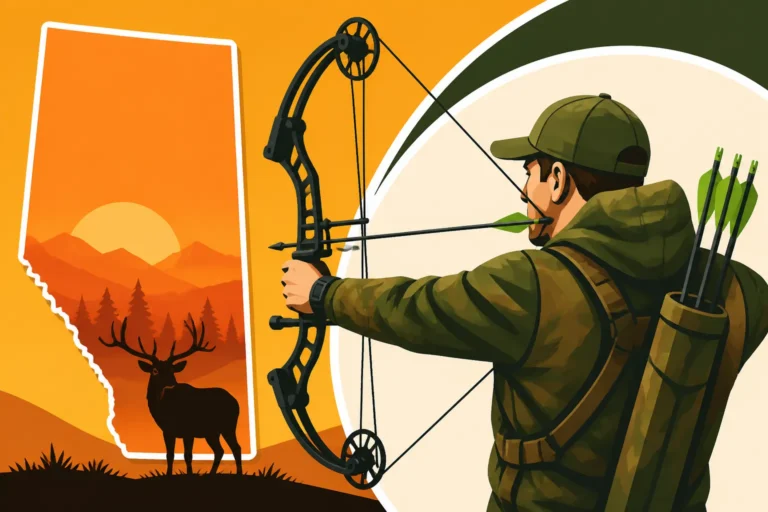
Alberta Archery Season Opening Day
That anxious feeling leading up to opening day, the one where you've spent months scouting, practicing, and dreaming, is a universal hunter's truth. But when it comes to Alberta's archery season, that excitement can often be muddled with confusion about when exactly you can hit the woods. This guide aims to clear up all those uncertainties, helping you pinpoint the exact start of the archery season in Alberta so you can be fully prepared for your hunt.
Understanding Alberta's Archery Season Structure
Alberta's hunting regulations aren't always a one-size-fits-all situation, especially when it comes to archery season openers. It’s not as simple as flipping a calendar page; different species and different regions can have their own unique starting gun. This complexity often frustrates hunters, but understanding the underlying structure makes planning much smoother.
Why the September Opener is So Important
For many archers, the September opener in Alberta is a truly special time. It marks the first opportunity of the year to chase big game, often while animals are still relatively unpressured by hunting activity. This early season typically sees deer and elk in their bachelor groups, before the full intensity of the rut kicks in, offering different patterns and challenges. There's a certain magic to seeing velvet antlers still attached, a fleeting glimpse of the year's growth before they're shed. The weather can also play a huge factor; while crisp autumn days are ideal, early September can still surprise us with heat waves, making proper Meat Care in Alberta's Cold and Warm Swings absolutely critical. It’s also a fantastic time to get out and enjoy the wilderness before the colder temperatures of late fall set in.
General Archery Seasons Versus Special Draws
A common point of confusion revolves around general archery seasons versus special draw seasons. For many species like white-tailed deer, mule deer, and black bear, there's a province-wide general archery season that allows anyone with the appropriate general licence to hunt, usually starting on September 1st. This is often what most hunters refer to as "archery season opener."
However, some species, and even certain WMUs for more common species like moose or elk, are designated as "draw-only" or have "special licence" requirements even for archery. This means you would have had to successfully apply for and draw a specific tag in the spring draw period to hunt these animals in those particular zones. These draw seasons might have different opening dates, although many still align with the general September 1st start. Always double-check your specific licence and the regulations for the Wildlife Management Unit (WMU) you plan to hunt to ensure you’re legal. This is particularly important for species like pronghorn or bighorn sheep, where draws apply to some licences, such as class 2 sheep (draw 29) and the special WMU class 1 draws, while residents buy class 1 sheep licences outside of a draw.
Regional Variations in Archery Season Dates
While September 1st is the standard for many general archery seasons, it's crucial to understand that not all WMUs open on the same day for every species. Alberta is a vast province, stretching from the prairies in the south to the boreal forest in the north, and across the eastern slopes of the Rockies. Different ecological zones have different wildlife management strategies, which leads to varying season dates. For instance, some prairie WMUs might have slightly different dates or antler restrictions that affect your opening day strategy for mule deer, compared to, say, the heavily timbered zones of the Boreal forest. Knowing your specific WMU and its associated regulations is paramount to avoid any infractions.
Navigating Wildlife Management Units (WMUs) for Archery
The key to unlocking Alberta's archery season opening dates lies in understanding its Wildlife Management Unit (WMU) system. Alberta is divided into 219 distinct WMUs, each with its own specific regulations, season dates, and species availability. This hyper-local approach allows wildlife managers to tailor hunting pressure and conservation efforts to specific animal populations and habitats.
Deciphering WMU Maps for Archery Openers
Simply knowing the WMU number isn't enough; you need to effectively use WMU maps and the official Alberta hunting regulations. These resources are your best friends when planning an archery hunt. WMU maps, often found in the regulations booklet or online, clearly delineate the boundaries of each unit. You’ll then cross-reference these maps with the detailed tables of Alberta Big Game Season Dates which list the opening and closing days for each species within specific WMUs. Platforms like GoHunt offer digital mapping tools that integrate WMU boundaries with other useful overlays like land ownership, which can be incredibly helpful for planning access. Always ensure you have the most current year's regulations, as dates and rules can change annually.
Key WMU Groups and Their Typical Archery Dates
While specific dates vary, WMUs can generally be grouped by their geographical and ecological characteristics, which often dictates similar season patterns.
- Prairie WMUs (e.g., 100-series): Often home to mule deer and white-tailed deer, many of these open September 1st for general archery seasons. Access here often means seeking Asking a Grazing Leaseholder for Access or knocking on doors for private land permission.
- Parkland WMUs (e.g., 200-series): These transition zones between prairie and forest typically follow the September 1st opener for deer. These areas can be fantastic for early season whitetails near agricultural fields. Check out our guide on Hunting Alberta's Aspen Parkland Bluffs for more insights.
- Foothills/Eastern Slopes WMUs (e.g., 300-series): These units, stretching along the Rockies, are popular for elk and moose, as well as deer and bear. General archery for deer and bear often opens September 1st, but elk and moose seasons might have different start dates, especially if they are draw-only. This region is also popular for Elk Hunting Alberta's Foothills.
- Boreal Forest WMUs (e.g., 500-series): Covering much of northern Alberta, these vast forested areas also largely see general archery seasons opening September 1st for deer and bear. Moose seasons here are often draw-only, but some WMUs might have early archery opportunities. For more on this, consider reading up on Moose Hunting Alberta's Boreal Forest.
It’s important to remember these are general guidelines. The official regulations are the only definitive source.
Tools and Resources for Exact Dates
To nail down those precise opening days, especially for your target species in your chosen WMU, you have a few essential tools at your disposal:
- Alberta Hunting Regulations: This is the Bible for all Alberta hunters. It's published annually and available online through the Alberta Environment and Parks (AEP) website. It contains all season dates, bag limits, and specific WMU rules. There's also a detailed section on Alberta's Wildlife Management Units that can help you understand the system better.
- AlbertaRELM Website: This online portal, used for purchasing licences, also provides access to the regulations and often features interactive maps or search functions to find specific season dates.
- Third-Party Apps and Websites: Platforms like GoHunt provide excellent digital overlays for WMU boundaries, private/public land, and can help you quickly ascertain specific season dates for your chosen area. These tools can be invaluable for visual learners and for quick referencing in the field. They often have features that allow you to layer different types of information, making pre-season scouting much more efficient.
Preparing for Your Alberta Archery Opener
Once you've locked in your opening day and WMU, the real work of preparation begins. Archery hunting, particularly in the early season, demands meticulous planning and attention to detail.
Pre-Season Scouting and Planning
Effective scouting is the bedrock of a successful archery hunt. Start long before opening day, ideally weeks or even months in advance. Use satellite imagery and digital maps (like those offered by GoHunt) to identify potential bedding areas, feeding locations, and travel corridors. Look for natural funnels, pinch points, and water sources that animals might use. As the season approaches, put boots on the ground to confirm what you've seen from afar. Pay close attention to fresh sign, such as tracks, rubs, and droppings.
Understanding animal movement patterns during the early season is critical. Unlike the frenetic activity of the rut, early season animals are typically in a more relaxed summer pattern, focused on feeding and bedding. Knowing Reading Whitetail Sign in Alberta Aspen Bluffs can help you interpret what you're seeing in the field. This is also a perfect time to set up trail cameras to monitor activity and get a better sense of which animals are in the area. Early morning and late evening are often prime times for scouting, mirroring when you'll be hunting. For a deeper dive, consider our guide on Scouting an Alberta WMU Before Season.
Essential Gear and Regulations Check
Before you head out, conduct a thorough check of all your gear. Your bow should be properly tuned, and your arrows and broadheads should be meticulously prepared. Ensure your broadheads are razor-sharp and flying true. Alberta has specific regulations regarding Legal Bow Draw Weight in Alberta and other archery equipment, so make sure your setup complies. Don’t forget your rangefinder, binoculars, scent control products, and comfortable, quiet clothing appropriate for early fall conditions, which can swing from warm afternoons to cool evenings.
Beyond your hunting gear, carry a first-aid kit, navigation tools (GPS, compass, map), and communication devices. A satellite messenger can be a lifesaver if you're in an area without cell service. Ensure your Alberta Hunting Licences and What They Cost are current and correctly filled out, and that you have your WIN card and Wildlife Certificate with you. It’s also wise to review the Alberta Blaze Orange and Safety Rules even if not always mandated for archery, as it’s good practice in certain situations, especially during general seasons.
Physical and Mental Readiness for Early Season
Archery hunting demands patience and stealth, and the early season can add layers of physical challenge. Warm weather means you'll be sweating more, potentially affecting your scent profile and hydration levels. Be prepared for mosquitoes and other biting insects, especially in treed or swampy areas; good insect repellent is a must. Physical fitness is always important for hunting, but even more so when stalking animals or packing out meat in potentially warmer conditions. Practice shooting from various positions – standing, kneeling, sitting – and at different distances, to simulate real hunting scenarios. Mental preparedness involves understanding that early season animals might be more patterned but also more skittish due to less cover and less rut-driven distraction. Patience will be your greatest virtue.
Common Challenges and Tips for Early Season Archery
The allure of early season archery is strong, but it also comes with its own unique set of challenges that can make or break a hunt. Being proactive and understanding these hurdles can significantly increase your chances of success.
Dealing with Warm Weather and Meat Care
One of the biggest concerns for early season hunters in Alberta is managing warm temperatures. Even in September, daytime highs can easily reach into the 20s Celsius (70s Fahrenheit), which is problematic for meat preservation. If you harvest an animal, prompt and thorough field dressing is absolutely crucial. Get the animal gutted immediately, and if possible, quarter it and remove all hide to allow for maximum cooling. Consider carrying game bags designed for air circulation.
Planning your hunt around cooler temperatures, like focusing your efforts during the early morning and late evening, can help. If you're successful, having a plan to get the meat to a cooler or processor quickly is non-negotiable. This might mean having coolers packed with ice in your vehicle or knowing the location of a local butcher. Ignoring proper meat care can lead to spoilage, which is not only a waste of an animal but also a violation of Rules on Wasting Game Meat.
Animal Behavior in Early Fall
Animals in early September are generally in their post-summer, pre-rut phase. Deer are often still in bachelor groups, focused heavily on feeding to put on weight for the upcoming winter and rut. They might be predictable, using consistent travel routes between bedding and feeding areas. Elk might also be in larger herds, with bulls still mingling with cows before they split off for bugling. Understanding these patterns is key.
Focus your efforts on areas with abundant food sources – alfalfa fields, pea fields, early ripening berries, or fresh green shoots. Look for water sources that animals frequent, especially during warmer spells. Bedding areas will likely be in thick cover, offering shade and security. Unlike the chaos of the rut, early season hunting often requires more subtle tactics, focusing on intercepting animals along their daily routines. Learning to Reading Antler Growth in a Wet Year can also give you insights into local health and potential trophy quality.
Managing Pressure and Finding Unseen Spots
With the general archery season opening, especially on public land, comes increased hunter pressure. Even if you're out there on September 1st, others will be too. This means animals, particularly mature ones, will quickly become wary. To counter this, you need to find spots that other hunters overlook or are unwilling to access.
This could mean walking further into dense cover, Hunting a Shelterbelt Between Two Fields that others drive past, or finding a remote corner of a public land block. Utilizing topographical maps and satellite imagery to identify natural barriers, thick bush, or challenging terrain can reveal hidden pockets where animals feel safe. Consider hunting weekdays instead of weekends if possible, as pressure tends to be lower. Patience and a willingness to put in the extra effort to get away from the crowds often pays dividends in the early archery season.
General Archery Season Opening Dates in Alberta (Examples)
While specific WMU dates vary, here's a general overview of typical opening days for archery big game seasons in Alberta. Always consult the official regulations for your specific WMU and target species.
| Species | Typical General Archery Season Opener | Notes |
|---|---|---|
| White-tailed Deer | September 1st | Most WMUs, some antler restrictions may apply. |
| Mule Deer | September 1st | Most WMUs, often antlered only, check for 3-point rules. |
| Black Bear | September 1st | Most forested WMUs, fall season. |
| Elk | September 1st (Limited) | Often draw-only or specific WMUs, many general seasons start later. |
| Moose | September 1st (Limited) | Predominantly draw-only, very few general archery opportunities. |
| Cougar | September 1st | Quota controlled, check daily line. |
| Wolf/Coyote | Open Year-Round (General) | No specific archery opener, often hunted opportunistically. |
Remember that "typical" doesn't mean universal. Your success hinges on verifying the dates for your exact hunt plan.
Disclaimer
The information provided in this guide is for general informational purposes only and does not constitute legal advice. Hunting regulations in Alberta are subject to change, and it is the hunter's responsibility to consult the most current official Alberta Hunting Regulations prior to any hunting activity. Always confirm season dates, bag limits, and specific WMU rules with official government sources.