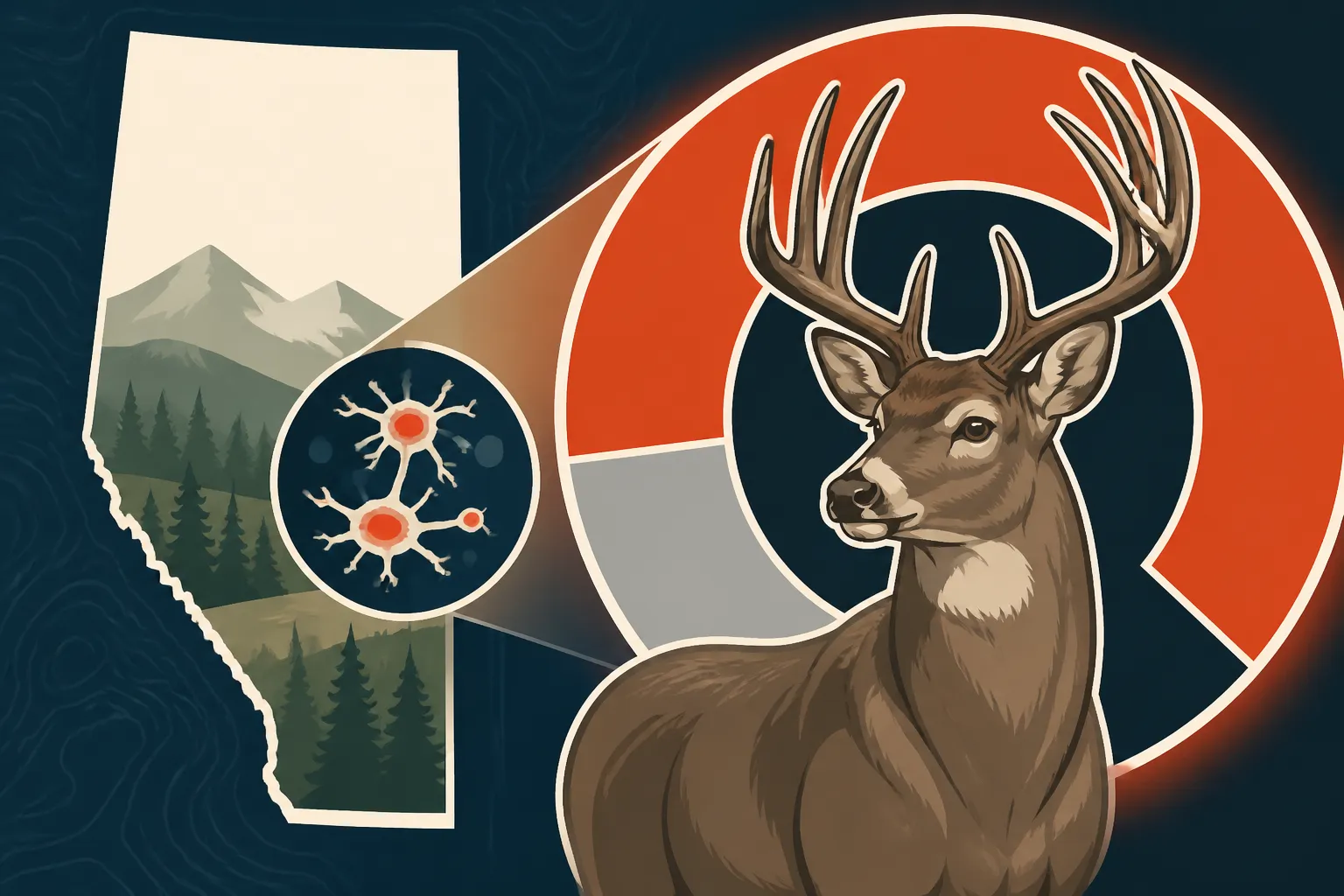
Alberta’s CWD Positive Rate Last Season
It's completely understandable to feel a knot of anxiety when you hear about Chronic Wasting Disease (CWD) and its presence in Alberta's wild cervid populations. As hunters, we're not just out there for the thrill of the chase; we care deeply about the health of the animals and the future of our hunting heritage. This guide is here to shed some light on Alberta's CWD positive rates from the last hunting season, helping you understand what these numbers truly mean, the current testing protocols, and how your actions play a vital role in managing this challenging disease.
Understanding Chronic Wasting Disease in Alberta
Chronic Wasting Disease (CWD) is one of those topics that can quickly make a hunter feel uneasy, and rightly so. It's a persistent, fatal neurological disease that has become a significant concern for wildlife managers and hunters across North America, including right here in Alberta. Before we dive into the numbers from the last season, let’s make sure we're all on the same page about what CWD is and why it's such a big deal.
What Exactly Is CWD?
CWD belongs to a family of diseases known as transmissible spongiform encephalopathies (TSEs), similar to "mad cow disease" in cattle or scrapie in sheep. But for us, the important thing to remember is that CWD specifically affects cervids – that's deer, elk, moose, and caribou. Unlike bacterial or viral infections, CWD is caused by abnormal proteins called prions. These prions essentially corrupt normal proteins in the animal's brain and nervous system, leading to characteristic spongy holes in the brain tissue over time.
The frustrating part about CWD is that it's always fatal, and there is currently no vaccine or cure. Animals infected with CWD might not show symptoms for a long time, often a year or more. When symptoms do appear, they are heartbreaking to witness: drastic weight loss (hence "wasting" disease), stumbling, drooling, excessive thirst and urination, abnormal behaviour, and a general lack of fear of humans. These symptoms typically worsen over weeks or months until the animal succumbs to the disease.
Transmission is insidious. CWD spreads through direct animal-to-animal contact, but also, crucially, through environmental contamination. Infected animals shed prions through their saliva, urine, feces, and decomposing carcasses. These prions can then persist in the soil for years, possibly even decades, where other cervids can pick them up by grazing or ingesting contaminated soil. This environmental persistence makes CWD incredibly difficult to eradicate once it takes hold in an area, turning affected zones into long-term reservoirs for the disease.
How CWD Spreads and Its Impact on Herds
The way CWD spreads makes it a particularly nasty challenge for wildlife management. Imagine a busy whitetail deer scrape or a well-used trail in the aspen parkland. If an infected deer visits that spot, it can leave behind prions that other deer can then pick up. Over time, as more animals become infected, the rate of transmission within the herd can increase significantly. This is especially true in areas with high cervid densities, where more animals interact more frequently.
The impact on herd health can be devastating in the long run. While a few CWD-positive animals might not immediately decimate a population, a persistently high infection rate can lead to reduced fawn survival, poorer overall health, and ultimately, population declines. This isn't just a hypothetical concern; in some areas of the United States, CWD has been linked to significant drops in deer numbers. In Alberta, wildlife biologists are carefully monitoring these trends, particularly in areas where the disease has been present for a longer duration. Understanding these dynamics is crucial for setting hunting quotas and determining where and when specific management actions are needed.
The disease initially made its way into Alberta's cervid populations from Saskatchewan in the early 2000s, likely carried by migrating deer. Since then, it has slowly but surely spread west and north, primarily affecting the white-tailed deer and mule deer populations in the southeastern and central parts of the province. While cases in moose and elk have been detected, they are far less common than in deer. For an overview of Alberta's surveillance efforts and testing, you can read more about Alberta's CWD Testing Requirements.
Alberta's CWD Positive Rates from the Last Hunting Season
Alright, let's get down to the numbers. As hunters, we want to know the reality on the ground, and that means looking at the most recent CWD surveillance data. Alberta Environment and Parks (AEP) conducts extensive CWD surveillance each year, largely relying on voluntary submissions from hunters. This data is critical for tracking the spread and prevalence of the disease.
Breaking Down the Latest Data by Species
For the 2023 hunting season, Alberta continued to see CWD detected across a significant portion of its deer range, particularly in the southern and central regions of the province. While comprehensive final reports for the entire last season can sometimes take a while to compile and publicly release, preliminary data and trends from AEP have indicated that the CWD positive rate remains a serious concern, especially for deer.
Based on publicly available data and discussions with wildlife officials, the CWD prevalence in white-tailed deer and mule deer continues to be the highest. In some of the long-standing CWD endemic areas, particularly in the southeastern prairie and parkland regions, positive rates for adult male white-tailed deer can reach as high as 20-30% in certain Wildlife Management Units (WMUs), and sometimes even higher. For mule deer, the rates can also be substantial, though often slightly lower than whitetails in the same regions. These are not numbers to ignore, and they represent a tangible challenge for both the cervid populations and for hunters in those areas.
For moose and elk, CWD positive rates are thankfully much lower. While isolated cases are detected annually, the overall prevalence rate in these species remains under 1% province-wide. This is good news, but it underscores the need for continued vigilance and testing across all cervid species, especially as the disease continues to spread geographically. It's always a good idea to consult updated resources, and platforms like GoHunt often provide summaries or links to the latest provincial wildlife health reports, helping hunters stay informed on these crucial statistics.
To give you a clearer picture, here's a general overview of the trends based on the most recent completed seasons. Please note: Exact final percentages for the most recent season may vary slightly upon official release, but these figures reflect the consistent trends observed.
| Species | Affected Region | Estimated Positive Rate (Adult Males) | Estimated Positive Rate (Adult Females) |
|---|---|---|---|
| White-tailed Deer | Southeastern Prairie/Parkland (e.g., WMUs 100-series, 200-series east) | 15-30%+ | 5-15% |
| White-tailed Deer | Central Parkland/Boreal Fringe (e.g., WMUs 200-series west, 300-series east) | 5-15% | 1-5% |
| Mule Deer | Southeastern Prairie/Badlands (e.g., WMUs 100-series, 200-series east) | 10-25% | 3-10% |
| Mule Deer | Central Parkland/Foothills Fringe (e.g., WMUs 200-series west, 300-series east) | 2-8% | <3% |
| Moose | Province-wide (isolated cases) | <1% | <1% |
| Elk | Province-wide (isolated cases) | <1% | <1% |
These numbers highlight that CWD is not uniform across the province; it's a localized problem that becomes more prevalent the closer you get to the initial outbreak areas.
Regional Hotspots and High-Risk WMUs
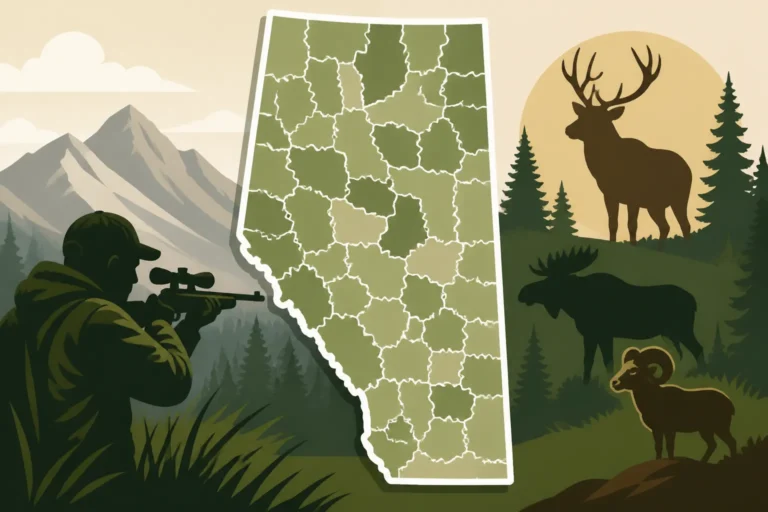
The CWD positive rates are not evenly distributed across Alberta, which is why understanding the specific regional hotspots is so vital for hunters. The disease has historically been most prevalent in the southeastern WMUs, particularly the 100-series and some of the eastern 200-series WMUs that border Saskatchewan. Areas like WMUs 102, 104, 106, 116, 128, and others in the Milk River Ridge and Cypress Hills regions, as well as parts of the Medicine Hat and Brooks areas, have consistently shown higher CWD prevalence in deer. These are often the WMUs that require a mandatory head submission for CWD testing.
As the disease continues its slow spread, we've seen it push further west into the central parkland and even into the eastern foothills fringe. While the rates generally decrease as you move away from the initial infection areas, new detections are still occurring in previously unaffected WMUs. This means that hunters in areas like the Red Deer and Edmonton regions, and even towards the foothills, need to remain aware and participate in testing. Knowing Which WMUs Require a Deer Head Submission is critical before you head out.
The reason certain areas become "hotspots" is a complex mix of factors: initial points of entry for the disease, higher deer densities that facilitate transmission, habitat types, and even human-mediated factors like improper carcass disposal. It's an ongoing battle, and every hunter's contribution to surveillance helps paint a clearer picture of where the disease is, and where it's going.
The Science Behind Alberta's CWD Surveillance
Alberta's CWD surveillance program is a robust effort that relies heavily on the cooperation of hunters. The primary method for collecting samples is through voluntary hunter submissions. After you harvest a cervid, you're encouraged to submit the head (or specific lymph nodes) for testing. Alberta Environment and Parks provides a network of designated drop-off locations, including CWD freezer sites, where you can leave your samples. These locations are strategic, often in or near high-risk WMUs, to maximize data collection from critical areas.
Once collected, these samples are transported to specialized laboratories for testing. The initial screening test often involves an Enzyme-Linked Immunosorbent Assay (ELISA), which is a fast and relatively inexpensive method to detect the presence of abnormal prions. If a sample tests positive on the ELISA, it then undergoes a confirmatory test, typically a Western Blot or immunohistochemistry (IHC), which provides a definitive diagnosis. This multi-step process ensures accuracy in reporting CWD cases.
The importance of hunter participation cannot be overstated. Every submitted sample contributes vital data to the provincial CWD map, helping wildlife biologists understand the disease's distribution, prevalence, and trajectory. This information then directly informs management decisions, such as which WMUs might receive additional antlerless tags to manage deer populations or where public education efforts need to be intensified. Without hunters on the ground collecting these samples, Alberta's CWD monitoring program would be significantly hampered.
What These Numbers Mean for Hunters
Staring at those CWD positive rates, especially in certain areas, can feel disheartening. You might be asking yourself, "Is it even worth hunting there?" or "Is the meat safe to eat?" These are completely valid questions, and it’s important to address them head-on with realistic and practical advice.
Navigating Hunting in CWD-Affected Areas
First and foremost, hunting remains an incredibly important tool in managing CWD. Hunters play a critical role, not just in providing samples for surveillance, but also in managing cervid populations. In areas with high CWD prevalence, increasing harvest pressure, particularly on antlerless deer, can help reduce deer densities, which in turn can slow the spread of the disease. So, if you're drawn for a deer tag in a CWD-positive WMU, you're actually contributing to the solution.
When you're hunting in a CWD-affected area, the primary recommendation is to get your animal tested. It’s the only way to know if the specific animal you harvested is positive. While public health agencies, including the World Health Organization and Health Canada, have stated that there is no scientific evidence of CWD transmitting to humans, they generally advise against consuming meat from CWD-positive animals. This is a precautionary measure, as research into the potential for interspecies transmission is ongoing. This is where resources like GoHunt can be invaluable, offering up-to-date information on CWD zones and testing protocols, helping you make informed decisions about where and how you hunt.
So, don't let the numbers scare you away from hunting in these areas entirely. Instead, let them inform your approach: hunt smart, test your harvest, and adhere to responsible carcass management. Your efforts make a difference.
Carcass Handling and Disposal Best Practices
This is where every hunter can make a tangible difference in the fight against CWD. Proper carcass handling and disposal are absolutely critical to prevent further environmental contamination. The goal is to minimize the spread of CWD prions from an infected animal into the environment.
Here’s a step-by-step approach to best practices:
- Field Dressing at the Kill Site: If possible, do your initial field dressing at the site of the kill. This means leaving the gut pile, which contains many high-risk parts, right where the animal fell. This prevents you from transporting these prions to new areas.
- Remove High-Risk Parts: The parts that contain the highest concentrations of CWD prions are the brain, spinal cord, lymph nodes (especially those in the head, neck, and gut), spleen, and tonsils. After field dressing, these should ideally be left at the kill site or bagged for proper disposal.
- Use Designated Disposal Facilities: Alberta Environment and Parks provides specific CWD freezer locations across the province where hunters can drop off heads for testing. If your animal tests positive, they also have guidance on how to dispose of the remaining carcass safely. For instance, in many areas, you can bring the entire carcass to a designated landfill that accepts animal waste. It's crucial to know Where Alberta's CWD Freezers Are before you head out, as their locations can change.
- Avoid Transporting High-Risk Parts: If you are hunting in a CWD-positive WMU and plan to transport your animal out of that WMU, you generally need to remove all high-risk parts before crossing into a CWD-free zone. This typically means bringing only deboned meat, skull plates with antlers (cleaned of all brain tissue), hides, and quarters without spinal columns. Check the regulations for Moving a Carcass Out of a CWD Zone carefully, as there are strict rules to prevent spread.
- Clean Your Equipment Thoroughly: Prions are incredibly tough and resistant to common disinfectants. After handling a carcass, especially in a CWD zone, thoroughly clean all knives, saws, and processing equipment with a 32% bleach solution (3 parts water to 2 parts bleach) for at least five minutes, followed by a rinse. While challenging, this helps minimize potential prion transfer.
By following these practices, you're actively preventing the spread of CWD and protecting healthy cervid populations in Alberta.
The Future of Hunting with CWD
The presence of CWD certainly adds a layer of complexity to hunting in Alberta, but it doesn't spell the end of our traditions. Instead, it signals a need for adaptive management and even greater hunter engagement. Wildlife agencies will continue to adjust hunting regulations based on CWD prevalence, potentially increasing opportunities to harvest deer in affected areas through supplemental tags or extended seasons, especially for antlerless animals. This is a targeted effort to reduce host densities and slow the disease's progression.
Long-term implications might include shifts in population dynamics in heavily affected WMUs, with potential declines in older age-class bucks if the disease disproportionately affects them. However, researchers are continually exploring new management strategies, from advanced surveillance techniques to habitat management practices that might help mitigate the disease's impact.
The future of hunting with CWD will largely depend on the continued cooperation between hunters, wildlife biologists, and land managers. By staying informed, participating in surveillance, and adhering to best practices, we can all contribute to ensuring healthy cervid populations and robust hunting opportunities for generations to come. Your passion for the outdoors and for conservation is more important than ever.
How Hunters Can Help Combat CWD
It's easy to feel overwhelmed by the science and the statistics surrounding CWD. But as hunters, we are often the first line of defense and observation in the field. Our actions, both individually and collectively, are absolutely crucial in monitoring, managing, and potentially mitigating the spread of Chronic Wasting Disease in Alberta.
The Importance of Submitting Samples
If you harvest a deer, moose, or elk in Alberta, especially in a WMU where CWD has been detected or is considered at risk, submitting a sample for testing is one of the most impactful things you can do. Think of yourself as a citizen scientist; every sample you submit provides invaluable data points for wildlife managers. This data is used to:
- Map the Disease: Helps track the geographical spread of CWD across the province.
- Monitor Prevalence: Provides information on how common the disease is within specific WMUs and species.
- Inform Management Decisions: Allows AEP to make data-driven choices about hunting regulations, such as allocating additional tags in high-prevalence areas to reduce herd density.
- Support Research: Contributes to a broader understanding of CWD, its progression, and potential mitigation strategies.
How to Submit a Sample: Typically, you'll need to submit the head of your harvested animal. Many CWD freezer drop-off locations are available across the province, especially in critical WMUs. You’ll usually need to fill out a simple form with your WIN number, WMU, and harvest date. Ensure the head is clean, with enough of the neck attached for sample collection. For precise instructions and current drop-off locations, always check the official Alberta Environment and Parks website or consult updated maps available through resources like GoHunt, which often highlights these critical details. Don't forget, you'll be eager to know your results, and you can learn more about How Long CWD Results Take.
Remember, even if you’re confident your animal is healthy, submitting a sample provides crucial baseline data for areas with low or no detected CWD, helping to confirm their status.
Responsible Carcass Management
Beyond submitting samples, responsible carcass management is arguably the most critical step you can take to prevent CWD spread. As we discussed, CWD prions can persist in the environment for years, so preventing contamination is paramount.
- No High-Risk Parts Transport: Reiterate that brain, spinal cord, lymph nodes, and other high-risk tissues should not be transported out of a CWD-positive zone. This means deboning meat and ensuring skulls are meticulously cleaned of all brain matter if you plan to keep them as trophies. Understanding regulations around Moving a Carcass Out of a CWD Zone is essential to avoid penalties and, more importantly, to prevent the inadvertent spread of the disease.
- Use Designated Landfills: If you cannot leave high-risk parts at the kill site, or if your animal tests positive, utilize designated municipal landfills or other authorized disposal sites that accept animal carcasses. These facilities are designed to contain potential contaminants.
- Avoid Spreading "Bone Dust": When processing your animal, especially if using power tools like saws, be mindful of where bone dust or tissue fragments are going. Try to contain them to a small area that can be thoroughly cleaned afterward.
- Sanitize All Tools: Always, always thoroughly clean and sanitize your knives, saws, cutting surfaces, and other processing equipment. While prions are tough, a strong bleach solution can help reduce the risk of transmission.
These practices aren't just about compliance; they're about being a responsible steward of the wildlife resource. Every prion you prevent from entering the environment is a step towards healthier herds.
Staying Informed and Advocating for Healthy Herds
The landscape of CWD management is always evolving as scientists learn more. As a hunter, staying informed is vital.
- Consult Official Sources: Regularly check the Alberta Environment and Parks website for the latest CWD updates, regulation changes, WMU-specific requirements, and testing information. They are the authoritative source for all things CWD in Alberta. You can find comprehensive information by knowing Where to Read Alberta's Hunting Regulations.
- Engage with Conservation Groups: Organizations like the Alberta Fish and Game Association (AFGA) often have CWD initiatives, educational resources, and opportunities for hunters to get involved in advocacy or volunteer efforts. They provide a collective voice for hunters and a platform for discussion.
- Support Research: If opportunities arise, consider supporting CWD research through donations or participation in specific studies. Scientific advancements are our best hope for long-term solutions.
- Be an Educator: Share accurate information about CWD with your fellow hunters and outdoor enthusiasts. Correct misinformation and encourage responsible practices. Your personal example can be incredibly powerful.
Ultimately, the future health of Alberta's wild cervid populations in the face of CWD lies in our hands as hunters. By embracing our role as conservationists, by staying educated, and by acting responsibly, we can help ensure that the wild places and the magnificent animals we pursue remain healthy for generations to come.
Disclaimer
The information provided in this guide is for general informational purposes only and is based on publicly available data and best practices as of the time of writing. Hunting regulations, CWD prevalence rates, and management protocols are subject to change by Alberta Environment and Parks. Always consult the official Alberta hunting regulations and relevant provincial government websites for the most current and authoritative information before planning your hunt. While no human cases of CWD have been identified, health agencies advise against consuming meat from CWD-positive animals. Hunters are responsible for understanding and adhering to all applicable laws and safety guidelines.