Alberta Hunter Education Course Requirements
Embarking on the journey of hunting in Alberta is incredibly exciting, but for many new or prospective hunters, the initial steps can feel like navigating a dense patch of timber without a compass. One of the most common points of confusion and even frustration revolves around the mandatory hunter education requirements. It’s easy to feel overwhelmed by the rules, wonder which course is right for you, or question why it’s even necessary. This guide aims to clear up all that fog, walking you through the ins and outs of Alberta’s Hunter Education Course Requirements so you can confidently take that crucial first step towards your hunting adventures.
Why Alberta Takes Hunter Education Seriously
Hunting isn't just a pastime in Alberta; it's a deeply ingrained tradition, a vital part of wildlife management, and a significant contributor to conservation efforts across the province. Because of its importance and the inherent responsibilities involved, Alberta Fish and Wildlife, through partners like the Alberta Hunter Education Instructors Association (AHEIA), has established comprehensive education requirements. These aren't just bureaucratic hoops to jump through; they're foundational pillars designed to ensure that every hunter entering the field is well-prepared, safe, and ethical.
The Core Principles Behind the Course
At its heart, Alberta's hunter education program is built on a few unshakeable principles: safety, conservation, and respect. Let's break those down.
Safety: This is non-negotiable. Hunting involves firearms and other specialized equipment, often in challenging outdoor environments. The course meticulously covers everything from proper firearm handling, storage, and transportation to recognizing potential hazards in the field. It's about preventing accidents, not just for the hunter, but for their companions, other outdoor enthusiasts, and the general public. We've all heard stories, or maybe even had close calls ourselves, that remind us just how quickly things can go wrong if fundamental safety rules are ignored. This course hammers those rules home, making them second nature.
Conservation: Many people assume hunting is at odds with conservation, but in Alberta, they're inextricably linked. The hunter education course teaches the principles of wildlife management, the delicate balance of ecosystems, and the critical role hunters play in maintaining healthy wildlife populations. It's about understanding why certain species have specific seasons and limits, how to identify animals correctly, and why adhering to those regulations is crucial for the future of our wildlife. Without regulated hunting, some populations could spiral out of control, leading to disease, habitat destruction, and widespread suffering. Hunters are often the first line of defense in monitoring and managing these populations, and the course ensures they understand this profound responsibility.
Respect: This principle extends in many directions – respect for the wildlife you pursue, for the land you hunt on, and for your fellow outdoor users. The course delves into ethical hunting practices, emphasizing fair chase, minimizing suffering, and ensuring proper care of harvested game. It also covers the importance of Alberta Landowner Permission Law and respecting private property, as well as navigating public lands responsibly. There's an unspoken code among ethical hunters, and this course helps new participants understand and uphold it. It’s about being a good ambassador for hunting, ensuring that the privilege of being in the field is always matched by respectful conduct.
Who Needs to Take the Course and Why
So, who exactly needs to complete this course? In Alberta, generally, any individual who wishes to obtain a Alberta's WIN Card and Wildlife Certificate for the purpose of hunting big game, game birds, or certain other species, and who has not previously held a hunting licence in Alberta or an equivalent hunter education certificate recognized by the province, will need to successfully complete the Alberta Conservation and Hunter Education Course.
This primarily includes:
- First-time Hunters: If you're completely new to hunting and have never held a hunting licence anywhere before, this is your mandatory starting point. You cannot purchase your first resident big game or game bird licence without proof of completion.
- Youth Hunters: While there are provisions for youth to hunt under supervision, obtaining their own licences usually requires completion of the course, or an equivalent. It's an excellent way to introduce them to the full spectrum of responsible hunting practices from a young age. You can find more specific details on Alberta Apprentice and Youth Hunting Rules to understand the nuances for younger participants.
- New Residents to Alberta: If you're moving to Alberta from another province or country, your existing hunter education certification may be recognized, but you'll need to confirm its equivalency with Alberta Fish and Wildlife. If it's not deemed equivalent, you'll be required to take the Alberta course. It's always best to check directly with the authorities to avoid any surprises when you're ready to buy your Alberta Resident Licence Options.
The "why" is simple: it’s a legal requirement to ensure a baseline of knowledge and competence across all hunters in the province. Without this standardized education, there would be a far greater risk of unsafe practices, violations of conservation laws, and unethical behaviour that could jeopardize both wildlife populations and the future of hunting itself. It’s about maintaining the integrity and sustainability of a cherished tradition.
Navigating the Alberta Hunter Education and Conservation Course
Once you understand why the course is so important, the next step is actually taking it. The Alberta Hunter Education and Conservation Course is designed to be thorough yet accessible, offering different learning paths to suit various schedules and preferences. This isn't just about memorizing facts; it's about developing a fundamental understanding and respect for the outdoor world and the tools we use in it.
What the Course Covers: More Than Just Shooting
The curriculum for the Alberta Hunter Education and Conservation Course is robust, covering a wide array of topics that go far beyond simply how to pull a trigger. It’s an immersive experience into the world of responsible hunting, preparing you for real-world scenarios in Alberta’s diverse landscapes.
-
Firearms Safety and Handling: This is a cornerstone. You'll learn about different types of firearms (rifles, shotguns, muzzleloaders, bows), their components, and safe operation. Crucially, the course emphasizes the "ACTS" (Assume every firearm is loaded, Control the muzzle direction, Keep the action open, Store firearms safely) and "PROVE" (Point, Remove, Observe, Verify, Examine) principles for handling firearms, storage, and transportation. This includes specific instruction on Legal Firearms and Bows for Big Game as well as understanding safe zones of fire and how to avoid accidental discharge. It also covers safe ammunition handling and storage, which is often overlooked but incredibly vital.
-
Hunting Regulations and Laws: Alberta has a detailed set of regulations that change annually. The course teaches you how to interpret the Alberta Guide to Hunting Regulations, understand different zones (Wildlife Management Units or WMUs), species identification, season dates (like Alberta Big Game Season Dates), bag limits, and legal hunting methods. You'll learn the importance of confirming the animal's sex and species before shooting, a critical skill to prevent unlawful harvest. This also includes understanding rules around Alberta Blaze Orange and Safety Rules, which are paramount for visibility and safety in the field.
-
Wildlife Management and Conservation Principles: Beyond just "what to hunt and when," the course delves into the "why." You'll gain an appreciation for ecological principles, habitat management, population dynamics, and the role of hunting as a conservation tool. This section often includes lessons on identifying signs of healthy wildlife populations, understanding disease vectors like CWD, and how hunter harvest data contributes to scientific management efforts. It's about empowering hunters to be active participants in the long-term health of Alberta's wildlife.
-
Survival and First Aid: The wilderness can be unpredictable. This segment prepares you for potential emergencies, covering basic survival skills like shelter building, fire starting, navigation, and signaling for help. Crucial first aid knowledge, such as treating hypothermia, frostbite, cuts, and sprains, is also part of the curriculum. While no course can make you an expert, it provides fundamental skills that could literally save your life or the life of a hunting partner. This includes preparing an emergency kit and understanding how to deal with unexpected challenges in remote areas.
-
Ethical Hunting Practices: This section is about more than just legal compliance; it's about making morally sound decisions in the field. Topics include fair chase principles, respecting private and public lands, minimizing waste, and proper field dressing and meat care. Discussions often revolve around shot placement for a quick, humane kill, trailing wounded game, and the respectful handling of harvested animals. This is where you learn to be a truly responsible hunter, not just a legal one.
Online vs. In-Person: Choosing Your Learning Path
Alberta offers flexibility in how you complete your hunter education, primarily through online courses or traditional in-person classes. Both have their advantages, and the best choice depends on your learning style and schedule.
Online Courses: For many, the online option is incredibly appealing due to its flexibility. You can learn at your own pace, from the comfort of your home, fitting the coursework around work, family, and other commitments. Platforms approved by AHEIA deliver the same comprehensive curriculum as in-person classes, usually through interactive modules, videos, and quizzes. This self-paced approach is perfect if you thrive on independent study and can manage your time effectively. However, it requires self-discipline, and some people miss the direct interaction with an instructor or other students. The practical aspects, especially relating to actual firearm handling, are simulated rather than hands-on, which is a drawback for some. You'll typically still need to attend a practical component or exam with a certified instructor after completing the online portion.
In-Person Classes: Traditional classroom settings offer direct instruction from a certified AHEIA instructor, allowing for real-time questions and discussions. Many people find the group environment more engaging and benefit from the structure of scheduled classes. A significant advantage of in-person courses is the potential for hands-on experience, particularly with firearm simulators or inert training firearms, which can greatly enhance understanding of safe handling. You get to interact with other new hunters, share experiences, and learn from the instructor's personal insights and stories from years in the field. These courses often culminate in the written and practical exams on the final day. To find an in-person course, you typically visit the AHEIA website and search for upcoming courses in your area.
Choosing between the two often comes down to personal preference. If you're completely new to firearms and hunting, an in-person course might offer a more reassuring and hands-on introduction. If you're comfortable with online learning and need flexibility, the digital route can be very efficient. Just remember, regardless of the format, the goal is to fully absorb the material and be prepared for the responsibilities of hunting.
The Examination Process and What Comes Next
After diligently working through the course material, whether online or in a classroom, the final hurdle is the examination. This is your opportunity to demonstrate that you've grasped the fundamental knowledge and principles necessary to be a safe and ethical hunter in Alberta.
The Test Format: The examination typically consists of a written portion and sometimes a practical component. The written test is usually multiple-choice, covering all aspects of the curriculum: firearms safety, regulations, wildlife identification, conservation, and ethics. You'll need to achieve a passing score, usually 80% or higher, to move forward. The practical component, often integrated into in-person courses or as a separate session for online learners, assesses your ability to safely handle firearms (even inert ones), demonstrate proper carrying techniques, and identify common safety violations. It’s about showing, not just telling, that you understand how to be safe.
Passing Scores and Re-take Options: Don't stress too much about the exam. If you've paid attention and studied the material, you'll likely do well. If you don't pass on your first attempt, most providers offer re-take options, though there might be a waiting period or an additional fee. The goal isn't to trip you up, but to ensure you have a solid understanding before heading into the field. Think of it as a thorough review of everything you need to know.
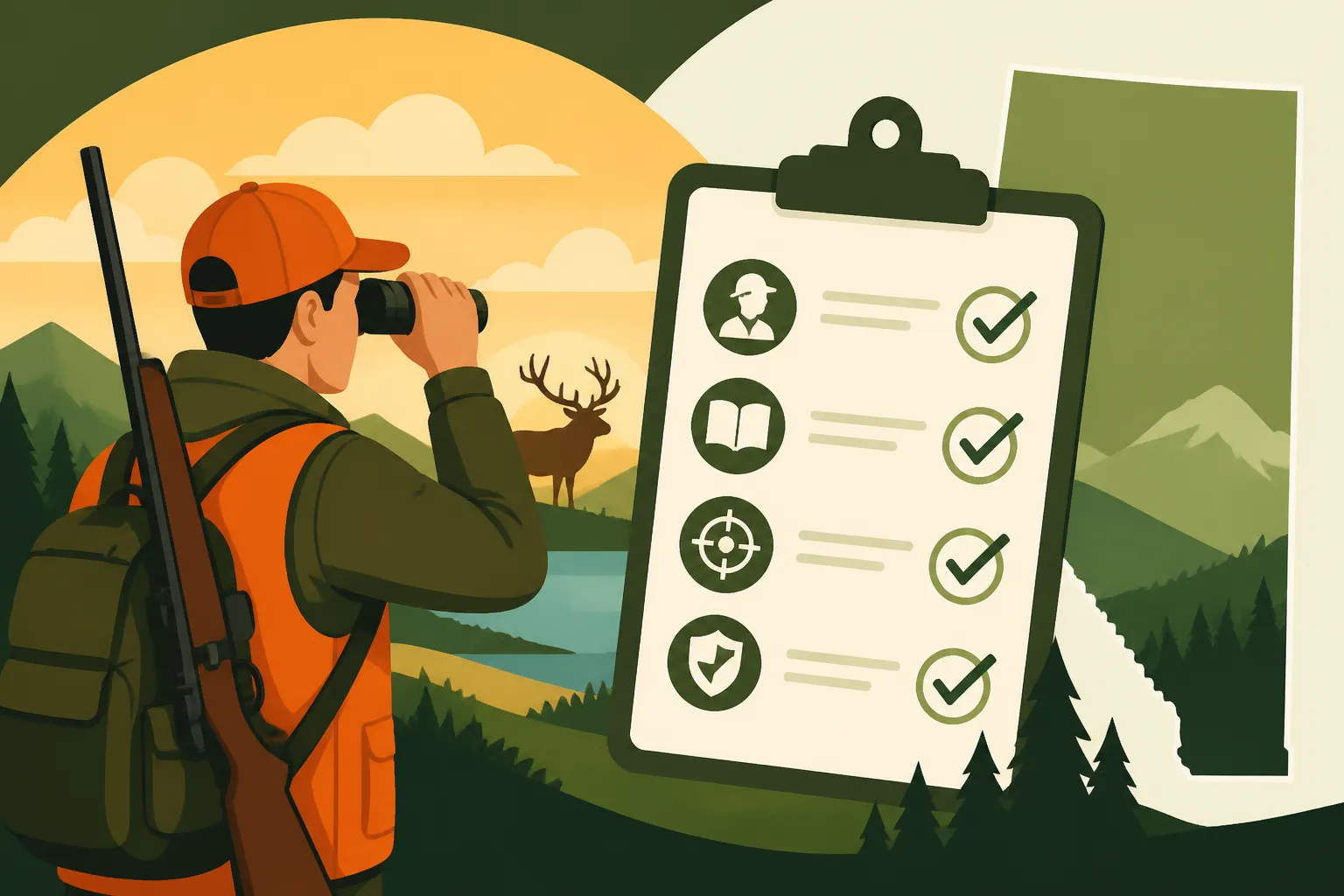
Receiving Your Certification and Applying for Your WIN Card: Once you successfully pass both components of the exam, you'll receive a certificate of completion. This certificate is your official proof that you've met Alberta’s hunter education requirements. The very next step is to obtain your Alberta's WIN Card and Wildlife Certificate. The WIN (Wildlife Identification Number) Card is a prerequisite for purchasing any hunting or fishing licence in Alberta, and your hunter education certificate is necessary to activate your hunting privileges on your WIN profile. You can apply for your WIN card and purchase your Wildlife Certificate online through the AlbertaRELM website or at authorized licence issuers. This entire process is crucial for gaining legal access to hunting opportunities in Alberta.
Beyond the Classroom: Continuous Learning for Alberta Hunters
Completing your hunter education course is a fantastic achievement, but it's truly just the beginning of your journey as a responsible hunter. The real learning, the nuanced understanding, and the development of instinct come from experience and a commitment to ongoing improvement. Alberta's diverse hunting landscape means there's always something new to learn, whether you're interested in Whitetail Hunting in Alberta or exploring options like Elk Hunting Alberta's Foothills.
Practical Skills and Mentorship
The classroom or online modules provide a solid theoretical foundation, but nothing replaces hands-on practice.
-
Range Time and Field Practice: Get comfortable with your equipment. Spend time at a shooting range practicing with your firearm or bow under safe, controlled conditions. Understand its capabilities and limitations, and more importantly, your own. Field practice is equally vital – walking through different terrains with your gear, practicing situational awareness, and familiarizing yourself with hunting scenarios. This will help you refine your marksmanship and gain confidence. You’ll want to be intimately familiar with your Legal Firearms and Bows for Big Game before you hit the bush.
-
Learning from Experienced Hunters: One of the best ways to continue your education is to hunt with experienced mentors. They can offer invaluable insights into animal behaviour, tracking, fieldcraft, and the unwritten rules of the woods. Join a local hunting club or volunteer for conservation projects; these are excellent avenues to connect with seasoned hunters willing to share their knowledge. There's a rich tradition of mentorship in hunting, and tapping into that wisdom is crucial. They can also teach you tricks for specific situations, like Rattling and Calling Whitetails in Farm Country or Calling Moose in Alberta's Boreal Forest.
Staying Current with Regulations and Ethics
Hunting regulations aren't static; they can change annually based on wildlife populations, environmental factors, and management objectives. It’s your responsibility as a hunter to stay informed.
-
Annual Regulation Summaries and Online Resources: Before every hunting season, make it a habit to review the most current Alberta Guide to Hunting Regulations. It's available online through the Alberta Fish and Wildlife website and typically at licence issuers. Pay close attention to changes in season dates, bag limits, and specific rules for your chosen WMU. AlbertaRELM, the province’s online licensing and draw system, is also an excellent resource for up-to-date information.
-
Ethical Considerations Beyond the Basic Course: While the course covers basic ethics, real-world scenarios often require deeper thought. For instance, what do you do if you encounter other hunters in your chosen spot on public land? How do you ensure you're practicing optimal Meat Care in Alberta's Cold and Warm Swings when temperatures fluctuate wildly? Ethical dilemmas are part of hunting, and continuously reflecting on your actions and their impact on wildlife, other people, and the land will make you a better hunter. Using tools like GoHunt after you've completed your education can help you scout and understand the terrain in specific areas, allowing you to plan more ethically by avoiding areas of high pressure or identifying key access points for Hunting Alberta's Crown Land. Similarly, when you're preparing to go Scouting an Alberta WMU Before Season, using detailed mapping resources can enhance your understanding of public and private land boundaries, helping you to respect property lines and plan access responsibly, directly applying your learned ethics.
-
Understanding Specific WMUs: Alberta’s 219 Wildlife Management Units (WMUs) each have their own nuances. What works in a prairie WMU for mule deer might not apply to a boreal forest WMU for moose. Continuously learning about the specific ecology, access points, and hunting pressure within the WMUs you hunt is key. Resources like GoHunt can be invaluable here, helping you visualize topography, satellite imagery, and public land boundaries to plan your hunts more effectively and apply the knowledge you gained in your hunter education. This ongoing engagement with the practical geography of Alberta ensures your foundational knowledge continues to grow into true expertise.
| Aspect | Online Course | In-Person Course |
|---|---|---|
| Flexibility | High (self-paced, 24/7 access) | Low (fixed schedule, specific location) |
| Interaction | Limited (email/forum support) | High (direct instructor/peer interaction) |
| Hands-on Practice | Simulated (videos, interactive exercises) | Potential for inert firearms, range time simulation |
| Cost | Varies (often comparable to in-person, but may differ) | Varies (instructor fees, facility costs) |
| Time Commitment | Flexible (can take weeks or months) | Structured (typically a few full days or evenings) |
| Exam | Written online, often followed by practical test with instructor | Written and practical exams often integrated |
| Networking | Minimal | Good opportunity to meet other hunters and instructors |
Disclaimer
The information provided in this guide is for general informational purposes only and does not constitute legal advice. Hunting regulations in Alberta are subject to change and vary by Wildlife Management Unit (WMU) and species. Always consult the official Alberta Guide to Hunting Regulations and Alberta Fish and Wildlife publications for the most current and accurate rules and requirements before engaging in any hunting activities.