Alberta Blaze Orange Requirements
Hunting in Alberta is an incredible experience, but it comes with a responsibility to understand and follow the rules, which can sometimes feel like navigating a maze. One area that often causes confusion, especially for new hunters or those venturing here from other provinces or countries, is the requirement for blaze orange. It's easy to wonder if it truly makes a difference or if it just spooks game. This guide is here to cut through the confusion and explain exactly why and when blaze orange is essential for a safe and successful hunt in the diverse landscapes of Alberta.
Why Blaze Orange Matters in Alberta Hunting
Let's face it, when you're trying to be as stealthy as possible, the idea of donning a bright orange vest or hat can feel counterintuitive. You might worry it screams "hunter!" to every animal in the bush. But in reality, blaze orange isn't just a regulatory hurdle; it's a critical component of hunter safety and surprisingly, it doesn't alert game animals in the way you might imagine. Understanding the science and the intention behind the rule can help ease those concerns and make you a more confident hunter.
The Safety Imperative
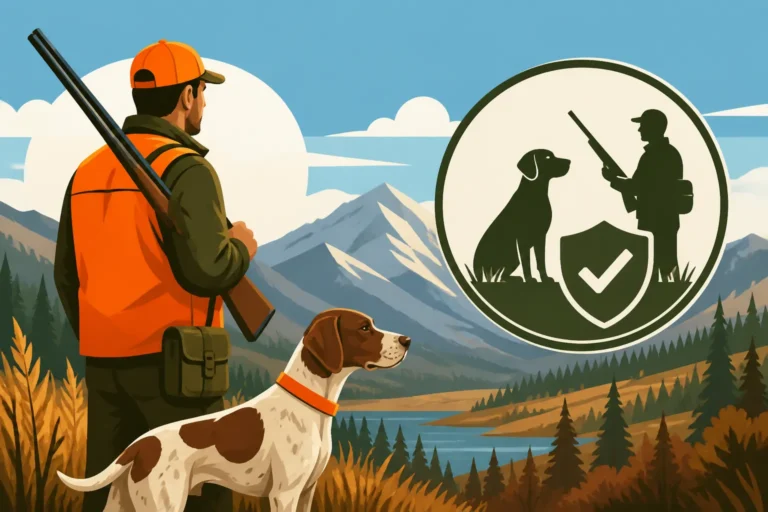
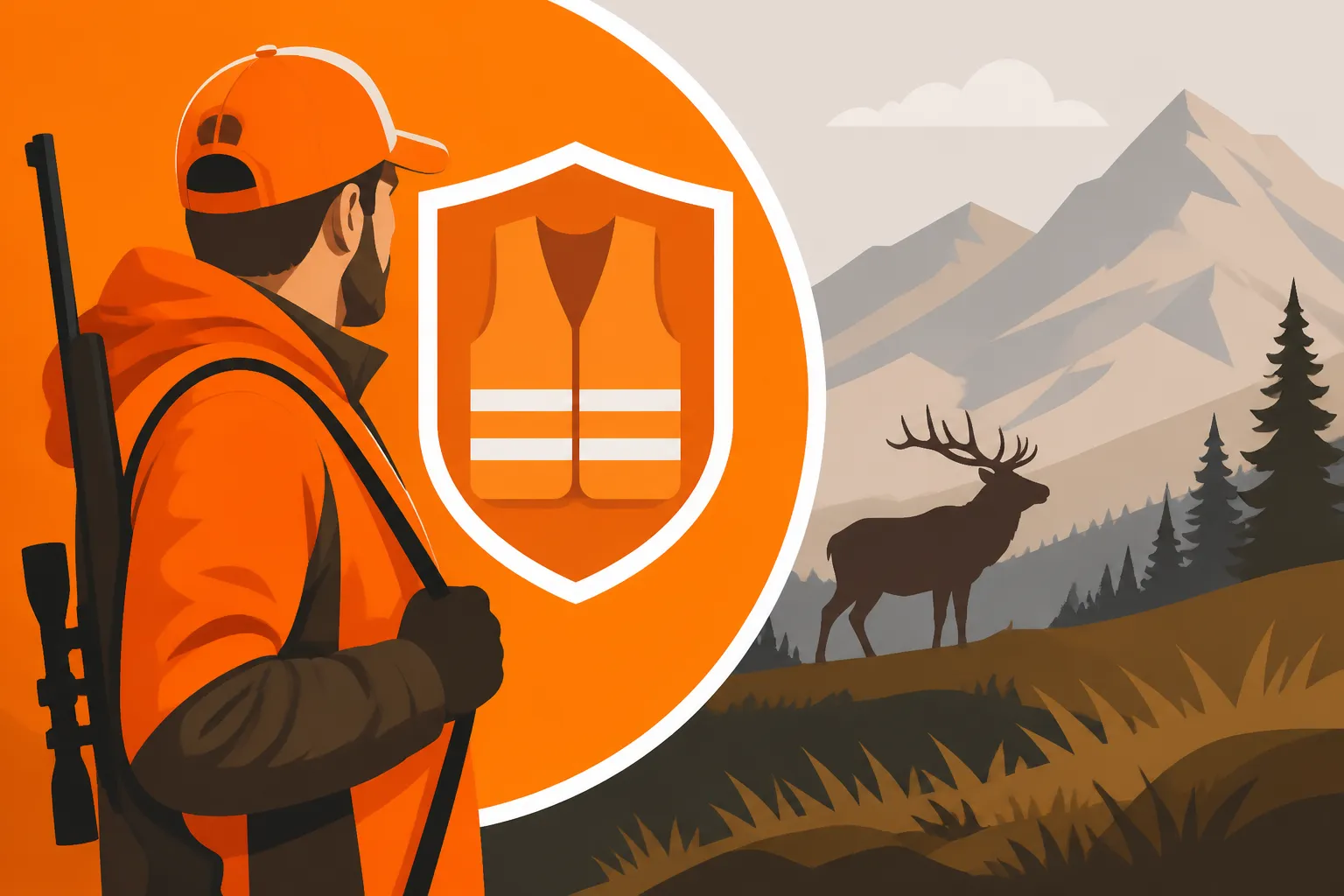
The primary, undeniable reason for blaze orange requirements is hunter safety. Imagine still-hunting through thick aspen bluffs, the leaves a mosaic of gold and crimson, or picking your way through a dense spruce forest under a grey November sky. Visibility can drop dramatically, and in areas where multiple hunters might be present, mistaking a fellow hunter for game is a tragic, yet preventable, risk. Blaze orange creates an unmistakable visual signal that you are a human, not an animal. It stands out against natural backgrounds – the greens of summer, the golds and reds of fall, the whites and browns of winter – making you visible to other hunters, even in low light conditions or dense cover.
This isn't about protecting you from the animals; it's about protecting you from other people. Hunters, especially during peak seasons like the November whitetail rut, often operate in the same areas. The peace of the wilderness can be shattered by a moment's lapse in judgment or a poorly identified target. While you might feel a little exposed at first, the peace of mind knowing you're doing your part to ensure everyone's safety far outweighs any perceived disadvantage. It's a shared responsibility among all of us who head out into the Alberta wild.
How Game Animals Perceive Color
Here's where a lot of hunters get it wrong and why the "spooking game" concern is largely unfounded. Unlike humans, most big game animals, like deer, elk, and moose, are dichromatic. This means their eyes have only two types of cone cells that are sensitive to different wavelengths of light, compared to our three (trichromatic vision). Essentially, they see the world in shades of blue and yellow, and can't distinguish between reds, oranges, and greens. To a deer, that vibrant blaze orange vest appears as a dull shade of yellow or grey, blending into the natural background far better than it does to the human eye.
Think about it: have you ever seen a whitetail deer spook and run because of a hunter wearing blaze orange? More often than not, it's movement, scent, or sound that alerts them. Your bright orange hat isn't what gives you away; it's a branch snapping underfoot, a gust of wind carrying your scent, or a sudden, unnatural motion. In fact, wearing blaze orange allows you to move more confidently, knowing you're highly visible to other hunters, without necessarily compromising your ability to remain undetected by your quarry. This understanding can really change your perspective on its utility in the field.
Alberta's Commitment to Hunter Safety
Alberta Fish and Wildlife is deeply committed to ensuring safe hunting experiences across the province. The regulations around blaze orange are a direct reflection of this commitment, aimed at minimizing incidents and promoting responsible hunting practices. It’s part of a broader safety framework that includes mandatory hunter education and careful management of season dates and bag limits. By setting clear guidelines, they help create a standardized safety protocol that every hunter can understand and adhere to, regardless of their experience level or where they come from.
These regulations are not just pulled out of thin air; they are based on years of data, accident reports, and consultations with hunter organizations and wildlife professionals. They evolve as hunting practices change and new insights emerge. So, when you put on that blaze orange vest, you're not just following a rule; you're participating in a collective effort to keep everyone safe and ensure the future of hunting remains positive and secure in Alberta. It's a testament to the value placed on every life in the field, both human and animal.
Specific Alberta Blaze Orange Requirements for Hunters
Navigating the exact requirements for blaze orange can be a bit tricky because they aren't universal across all seasons, species, or hunting methods. It’s critical to consult the most current Alberta Hunting Regulations, as rules can change annually. However, there are general principles that apply, and understanding these will keep you on the right side of the law and, more importantly, safe.
Mandated Seasons and Species
In Alberta, the requirement to wear blaze orange primarily kicks in during the general rifle seasons for big game. This means if you are hunting species like deer (white-tailed deer or mule deer), elk, moose, black bear, or cougar with a rifle or shotgun, you and anyone accompanying you (even if they aren't hunting) must wear blaze orange. This rule applies across most of the province's wildlife management units (WMUs) where these general seasons are open. This includes scenarios from the thick bush of the Boreal Forest to the open prairies where you might be Hunting a Prairie Ridge for Mule Deer.
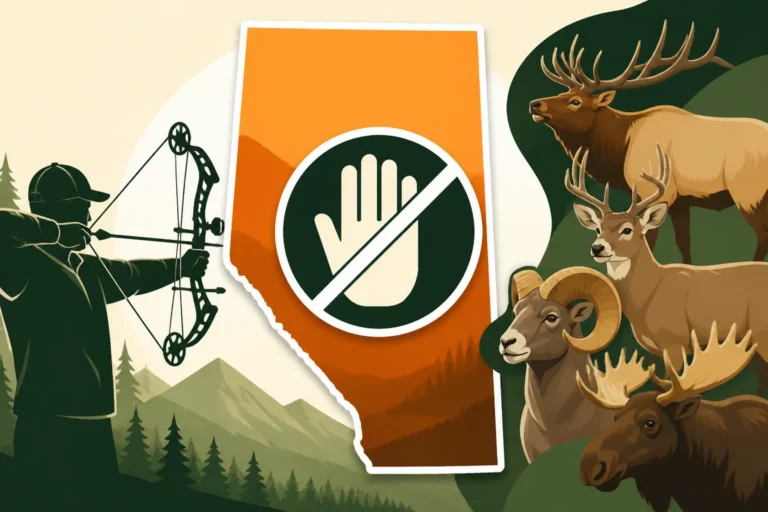
However, it's important to note the exceptions. During archery-only seasons, such as Alberta's September Archery Opener, blaze orange is generally not required for big game hunters. This is because archery hunting typically relies on closer-range engagements and greater stealth. Similarly, if you are strictly hunting migratory birds (like ducks, geese, or sandhill cranes) or certain predators like wolves or coyotes outside of an open general big game season, blaze orange may not be mandated. Always verify the specific WMU and season dates in the regulations, as a general deer season might be open while you're hunting coyotes, which would then require the orange.
What Constitutes "Blaze Orange"
The Alberta regulations are fairly specific about what counts as appropriate blaze orange. You need an outer garment that is solid blaze orange or fluorescent yellow-green. This garment must be visible from all sides, and cover a minimum surface area. Typically, this means a vest, jacket, or coveralls that prominently display the color. While a hat is also often recommended and indeed required to be orange, it's usually in addition to the upper body garment, not a substitute. The critical point here is solid blaze orange. Camouflage patterns that incorporate orange, often called "hunter orange camo," are generally not sufficient if the orange isn't the dominant and highly visible solid color. The intent is unmistakable visibility, not just a splash of color.
For instance, the regulations usually stipulate an outer garment that provides at least 400 square inches (2580 square centimetres) of solid blaze orange or fluorescent yellow-green visible from the front, back, and sides. Additionally, a head covering of solid blaze orange or fluorescent yellow-green is often required. This ensures that even if you're partially obscured by brush, there's a strong chance another hunter will spot you. Don't cheap out on your blaze orange; invest in good quality gear that will stand up to the elements and keep you visible. This is where brands like GoHunt, while primarily known for mapping, encourage a complete gear list for safety, including robust blaze orange.
Exceptions and Considerations
As mentioned, there are specific situations where blaze orange rules might be different:
- Archery-only seasons: During these periods, big game hunters using bows are not typically required to wear blaze orange. This applies to special archery seasons and often during the archery portion of general seasons.
- Hunting certain predators: If you are only hunting wolves or coyotes, and there is no general big game season open concurrently in that WMU, blaze orange may not be required. However, if any general big game rifle season is active, the blaze orange rule usually applies to all hunters in the area, regardless of what species they are targeting.
- Migratory bird hunting: When specifically pursuing ducks, geese, or other migratory birds, blaze orange is generally not required. Waterfowl hunters often use camouflage to blend into their surroundings.
- Hunting on private land: While the Trespass Act and landowner permission rules are paramount, the blaze orange requirements for big game rifle seasons still apply on private land, just as they do on Crown land. Landowner permission doesn't exempt you from provincial hunting safety regulations.
- Road Hunting / From a Vehicle: Even though Rules on Hunting From a Vehicle are very strict in Alberta, if you are legally hunting from a road or stationary vehicle (where permitted), and it falls within a general big game rifle season, you'd still need to comply with blaze orange requirements if you exit the vehicle to pursue game or are accompanying someone who is.
It cannot be stressed enough: always check the current Alberta Hunting Regulations before you head out. These details are subject to change, and specific WMU rules can vary. The digital regulations on the Alberta government website are your best friend here.
Practical Tips for Choosing and Wearing Blaze Orange Gear
Choosing the right blaze orange gear isn't just about meeting the legal minimums; it's about comfort, durability, and effectiveness in the field. After all, if your gear is uncomfortable or impractical, you're less likely to wear it consistently, which defeats the entire purpose of safety. Let’s talk about making blaze orange an integrated and even beneficial part of your hunting kit, whether you're learning about Alberta Hunter Education Course Requirements or an experienced veteran.
Material and Comfort
Hunting in Alberta means dealing with a huge range of weather conditions, from warm early fall days to the frigid temperatures of Hunting Deep Cold Late in the Season. Your blaze orange gear needs to adapt. Look for materials that offer good breathability for warmer weather, preventing you from overheating and sweating excessively. When the temperatures drop, you'll want something that can be layered effectively over your insulated hunting clothing without feeling bulky or restrictive. Many manufacturers offer lightweight vests that can be worn over any jacket, or full-on winter jackets with integrated blaze orange panels.
Consider the noise factor too. While safety is paramount, you don't want a noisy, crinkly vest that alerts every deer within a quarter-mile. Look for soft, quiet fabrics. Brands that specialize in hunting gear will often offer blaze orange options that are designed with these considerations in mind. The goal is to have blaze orange that you want to wear because it's comfortable and doesn't hinder your hunt, not something you grudgingly put on just to avoid a ticket.
Strategic Placement for Maximum Visibility
Just having blaze orange isn't enough; it needs to be visible. The regulations specifically call for visibility from all sides. This means placing it on your upper body and head. A blaze orange hat is excellent because it's the highest point of your body and often the first thing seen above brush. A vest or jacket needs to cover your torso adequately. Avoid tucking vests into backpacks or covering them with other non-orange layers unless absolutely necessary, and if you do, make sure to expose it again once you stop moving or if you're in a high-traffic area.
Think about how you move through the environment. If you're bending over to track, setting up a stand, or moving through thick timber, parts of your body will be obscured. Maximize your orange exposure on your chest, back, and head. If you’re utilizing digital scouting tools like GoHunt to analyze terrain and potential stand locations, remember to also factor in how visible you'll be to other hunters in those specific spots, especially during Alberta Rifle Season Dates. Good strategic placement of your blaze orange dramatically reduces the chance of misidentification.
Integrating with Your Hunting Kit
Blaze orange should be a seamless part of your hunting system, not an afterthought. Many modern hunting clothing lines now offer blaze orange components that integrate well with their camouflage patterns, allowing for functionality and safety. If you use a backpack, ensure your blaze orange vest can be worn over it without bunching up or obscuring your pack's access points. Some hunters prefer a blaze orange backpack cover, which adds visibility from the rear, especially when moving.
Think about the conditions you'll be hunting in. If you're out late in the season, you'll need blaze orange that can withstand bitter cold and snow. When considering What to Wear on a Late Season Hunt, ensure your outer shell, or at least a layer, meets the blaze orange requirement. For those cold, dreary days, an orange beanie or balaclava might be more comfortable than a stiff cap. Your blaze orange gear is just as important as your rifle, your optics, or your calls. It's an investment in safety that pays dividends in peace of mind.
Blaze Orange Requirements Summary Table
Here's a quick overview of Alberta's blaze orange requirements for big game hunting to help you keep things straight:
| Hunting Scenario | Blaze Orange Required? | Key Details |
|---|---|---|
| General Big Game Rifle/Shotgun Season | YES | All hunters and accompanying persons must wear a solid blaze orange or fluorescent yellow-green outer garment (min. 400 sq. inches visible from all sides) and headwear. Applies to deer, elk, moose, bear, cougar. |
| Archery-Only Big Game Season | NO | Not required for hunters pursuing big game with archery equipment during dedicated archery seasons or archery portions of general seasons. |
| Hunting Migratory Birds (Ducks, Geese) | NO | Not required when exclusively hunting migratory game birds. Hunters typically use camouflage. |
| Hunting Wolves/Coyotes (Outside Big Game Rifle Season) | NO (Generally) | Not required if no general big game rifle season is concurrently open in the WMU. If a general big game rifle season IS open, blaze orange rules apply to all hunters. |
| Hunting Small Game/Upland Birds | NO (Generally) | Not typically required, though some hunters may choose to wear it for increased visibility, especially if in areas with other hunters or during concurrent big game seasons. |
| Accompanying a Big Game Rifle Hunter | YES | Any person accompanying a big game rifle hunter, even if not personally hunting, must adhere to the blaze orange requirements. |
| Any Hunter in General Big Game Rifle Season | YES | Regardless of target species (e.g., small game hunter) if hunting in an area and during a time where a general big game rifle season is open, blaze orange is required. |
This table serves as a general guide. For precise and up-to-date information, always refer to the current Alberta Hunting Regulations, available through the Alberta Environment and Protected Areas website. Understanding regulations is part of responsible hunting, as is knowing about topics like Alberta's Recreational Access Regulation or how Legal Firearms and Bows for Big Game are defined. Your commitment to safety ensures that everyone can enjoy the rich hunting opportunities that Alberta offers.
Disclaimer
The information provided in this guide is for general informational purposes only and does not constitute legal advice. Hunting regulations in Alberta are subject to change, and specific rules may vary by Wildlife Management Unit (WMU), season, and species. It is the individual hunter's responsibility to consult the most current official Alberta Hunting Regulations published by Alberta Environment and Protected Areas before engaging in any hunting activities. Failure to comply with regulations can result in fines, licence suspension, and other penalties.