Alberta Landowner Hunting Privileges
Hunting your own land in Alberta sounds like the ultimate dream for many, doesn't it? A place where you control access, understand the movements of wildlife intimately, and theoretically, can just step out your back door and fill the freezer. But the reality is, it's not quite as simple as "my land, my rules." Alberta's hunting regulations apply to everyone, though landowners do have some distinct advantages and responsibilities. This guide will walk you through the specifics of what those landowner hunting privileges actually entail, what rules you still need to follow, and how to navigate the sometimes-confusing world of hunting on your own property.
The Core of Alberta's Landowner Hunting Privileges
Many landowners assume that because they own the deed to a piece of Alberta, they automatically have carte blanche to hunt whatever they want, whenever they want, right on their property. It’s a common misconception, and a frustrating one when you realize that's not entirely the case. While you absolutely have unique advantages, you’re still operating within the larger framework of Alberta's wildlife management. The privileges are real, but they come with specific conditions and limitations that every landowner needs to understand to hunt legally and responsibly.
Understanding the "Resident Landowner" Definition
First, let's nail down what "landowner" means in the eyes of Alberta's hunting regulations. Generally, a "resident landowner" refers to an individual who is the registered owner of land in Alberta. This also extends to immediate family members (spouse, children) living with the landowner. This distinction is crucial because it’s the resident status that grants most of the specific landowner privileges. If your land is owned by a corporation or a trust, the specifics can get a little murkier, and you might need to consult the regulations or Fish and Wildlife for exact clarification on who qualifies to hunt under the landowner's privilege.
It's important to remember that while you own the land, the wildlife on it belongs to the Crown (i.e., the people of Alberta). This is a fundamental principle of wildlife management across North America. Your ownership grants specific access and, in some cases, priority, but it doesn't exempt you from the need for proper licensing or adherence to seasons and bag limits. Every resident landowner, just like any other resident hunter, must still possess a valid Wildlife Certificate and a Wildlife Identification Number (WIN card) before purchasing any hunting licenses. We've covered this in detail with topics like Alberta Hunting Licences and What They Cost and Getting an Alberta WIN Card. Without these foundational documents, no hunting can legally take place, regardless of land ownership.
General Season Hunting on Your Own Land
Here’s where the most significant privilege for landowners comes into play: hunting general season species on your own land. For many common species like white-tailed deer, mule deer (depending on WMU restrictions, but often general for antlered), black bear, coyote, and various game birds, a resident landowner does not need to participate in the special license draw system to acquire a tag for these species if they are hunting exclusively on their own land. This is a huge benefit, especially for those highly sought-after general whitetail tags.
Imagine you're a farmer near Spruce Grove or Wetaskiwin. The general white-tailed deer season opens, and you’ve got a healthy population of deer browsing your crops or moving through your bush edges. As a landowner, you simply buy your General White-tailed Deer tag, ensuring it’s valid for the specific Wildlife Management Unit (WMU) your land falls within, and you can begin your hunt on your own property. You don't have to worry about getting drawn in a lottery. This privilege is designed to simplify hunting for those who are directly impacted by wildlife and often have the best understanding of local populations. However, you are still bound by the specific season dates, bag limits, and legal methods of harvest for that WMU. You can't just shoot a deer in July because it's on your land. All the other rules still apply, making it critical to know the regulations like the back of your hand.
Special Licence Species and the Draw System
Now, for special license species, the rules are a bit different. If you’re dreaming of harvesting a bull moose, a trophy elk, or a swift pronghorn on your property, you'll almost certainly need to participate in Alberta's special license draw system, just like any other hunter. Sheep work differently: residents can buy a class 1 (trophy) sheep licence without a draw, while draws exist for resident class 2 sheep (draw 29) and a handful of WMU-special class 1 draws. Ownership of land does not automatically grant you a special license for these species. This can be a source of frustration for landowners, especially those who experience significant crop damage from elk or moose herds. You might have massive elk on your property near Rocky Mountain House, but if you don't draw a tag, you can't hunt them for a general hunting purpose.
The reason for this is sound wildlife management. Species like moose, elk, sheep, and pronghorn are often managed on a much broader, regional scale, with strict quotas set to maintain healthy populations. Allowing landowners unrestricted access to these species could quickly deplete local herds and undermine province-wide conservation efforts. While there are specific programs related to wildlife damage (which we'll discuss shortly), the general hunting of special license species falls under the draw system. This means you’ll need to apply for the draw, accrue priority points if unsuccessful, and hope your number comes up. Sometimes, WMUs with significant private land might have specific allocations or higher draw odds, but this isn't a universal "landowner privilege" in the same way general tags are. You're still in the lottery pool, navigating the system just like your buddy who only hunts Crown land.
Navigating Regulations and Responsibilities
Owning land and hunting on it comes with a unique set of responsibilities. It’s not just about what you can do, but also what you must do, and how you manage the interactions with other hunters and the wildlife itself. Failing to understand these nuances can lead to legal trouble, strained relationships with neighbors, and even unsafe situations.
Essential Licenses, Permits, and Legal Compliance
Even with landowner privileges, you are far from exempt from the fundamental licensing requirements. As mentioned, your WIN card and Wildlife Certificate are non-negotiable. Beyond that, for any species you intend to hunt, you must purchase the specific license or tag. For instance, if you're hunting general season white-tailed deer on your land, you still need a Resident General White-tailed Deer licence. If you're pursuing black bear, you need a Black Bear licence. These are not automatically granted with land ownership.
Furthermore, adherence to all other hunting regulations is mandatory. This includes understanding the specific season dates for your WMU, which can vary even for general species. Bag limits are strictly enforced – you can't take more than the allowed number of animals, regardless of how many are on your property. You also need to be aware of legal shooting hours, permissible calibers for big game, and any specific equipment restrictions. Remember, all hunters, including landowners, must adhere to standard hunting regulations. This includes knowing your WMU, season dates, and specific rules for firearms, which you can learn about in the Alberta Hunter Education Course Requirements. Familiarizing yourself with these regulations annually by checking the official Alberta Hunting Regulations is not just a good idea; it's a legal obligation.
Managing Trespass and Unauthorized Access
One of the most frustrating aspects for many landowners is dealing with trespassers. The perception that private land is fair game for hunting, especially if it appears unposted, is a persistent problem. As a landowner, you have the right to control who accesses your property. The Alberta Trespass Act and Hunting outlines your rights and the legal framework for addressing unauthorized access. It’s crucial to understand that permission is always required to hunt on private land in Alberta, whether it's posted or not. However, clearly posting "No Hunting" or "No Trespassing" signs can act as a strong deterrent and makes enforcement easier.
Digital mapping tools can be invaluable here. Services like GoHunt provide detailed property boundaries and land ownership information, which can help hunters identify private land and prevent accidental trespass. For landowners, these tools can assist in clearly marking your property lines and understanding adjacent land types, whether it's Crown land or other private parcels. This clarity can also help you communicate effectively with neighbors or even grant permission to specific hunters you trust. If you do encounter trespassers, the best course of action is typically to report it to Fish and Wildlife Enforcement or the RCMP, providing as much detail as possible. Do not put yourself in a dangerous situation. Educating other hunters about the importance of asking for permission, as detailed in Asking an Alberta Landowner for Permission, is a continuous effort.
Wildlife Damage Control and Special Licences
For many landowners, especially those engaged in agriculture, wildlife isn't just a recreational opportunity; it's a management challenge. Deer, elk, and moose can cause significant damage to crops, fences, and stored feed, leading to substantial economic losses. Recognizing this, Alberta Fish and Wildlife offers programs to help mitigate such conflicts. When wildlife, particularly species like elk or moose, cause significant damage to crops or fences, Alberta Fish and Wildlife offers programs like Alberta Damage Control Licences for Farmers. These are not general hunting licenses but rather specific permits issued under strict conditions to address verified damage situations.
These damage control licenses are typically issued by Fish and Wildlife officers after an assessment of the damage and a determination that conventional deterrents are insufficient. The licenses come with very specific conditions, including species, number of animals, timeframes, and often specific methods of harvest. They are meant as a tool for agricultural producers to reduce economic hardship, not as a general hunting opportunity. This ties into broader discussions about Alberta Landowner Compensation for Damage when wildlife impacts agricultural operations, highlighting the complex relationship between landowners, wildlife, and government management. If you are experiencing wildlife damage, your first step should be to contact your local Fish and Wildlife office to discuss the available options and procedures.
Practical Advice and Common Scenarios for Landowners
Beyond the rules, there's a lot of practical wisdom to consider when you’re a landowner who hunts. Your land is a dynamic ecosystem, often interacting with surrounding properties and communities. Being a responsible landowner-hunter means not only following the letter of the law but also understanding the spirit of conservation and community.
When Your Land is Near Populated Areas or Roads
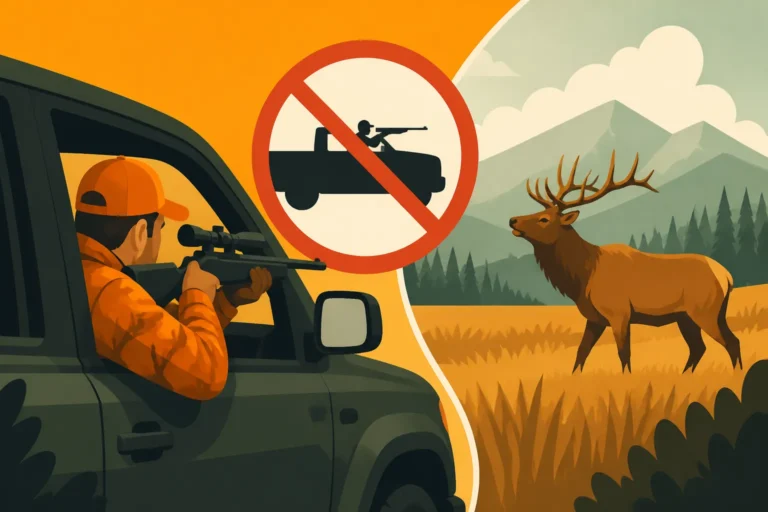
Hunting on your own land might seem straightforward, but if your property borders a busy road, a town, or even just another occupied residence, you need to be acutely aware of safety setbacks. Alberta regulations specify minimum distances that hunters must be from occupied buildings, roads, and other specific areas when discharging a firearm or bow. These rules are non-negotiable and are in place to ensure public safety. Even on your own land, there are crucial safety zones to observe, particularly concerning Rules on Hunting Near Buildings and Rules on Shooting Across a Road.
For instance, you cannot discharge a firearm within 400 yards (approximately 366 meters) of an occupied building without permission from the occupant. This applies even if the occupied building is on your property, but it also means you need to be mindful of your neighbours' homes. These rules can significantly impact where and how you can hunt on smaller parcels or properties close to urban fringes. Always err on the side of caution. Safety is paramount, and demonstrating responsible hunting practices helps maintain a positive public perception of hunters, which is vital for the future of our traditions. Understanding these limitations is critical for planning your hunt and ensuring you stay within legal bounds.
Sharing Your Land: Granting Permission Responsibly
As a landowner, you hold the keys to valuable hunting access, and many hunters will undoubtedly approach you for permission. This is a privilege you can extend, but it comes with responsibilities. If you decide to allow others to hunt on your land, always ensure you grant permission in writing. This protects both you and the hunter, clearly outlining the terms, dates, and species they are allowed to pursue. Verbal agreements can lead to misunderstandings and disputes, which nobody wants.
When vetting potential hunters, don't hesitate to ask for their WIN card, verify their licenses, and even ask for references. Responsible hunters will appreciate your diligence. You can even use mapping services, possibly those integrated with platforms like GoHunt, to draw out specific areas where they can hunt, or mark off-limits zones. While the Alberta Hunter Host Rule primarily applies to non-residents of Alberta hunting with a resident, the spirit of responsible hosting and ensuring your guests understand and abide by all regulations applies universally. Remember that you, as the landowner, might bear some responsibility for the actions of those you invite onto your property, so choose wisely and communicate clearly.
The Importance of Up-to-Date Information
Alberta's hunting regulations are dynamic; they can and do change from year to year. New WMU boundaries might be introduced, season dates adjusted, species limits altered, or new rules around certain practices implemented. Relying on last year's regulations or hearsay is a recipe for trouble. As a landowner, being perpetually informed is your best defense against accidental violations and ensures you can maximize your legitimate privileges.
Always make sure to check the latest official sources. The annual hunting regulations are your bible, and we always recommend you Where to Read Alberta's Hunting Regulations directly from the government of Alberta's website. They publish a new online and physical guide every year, detailing all the updates and changes. Subscribing to email updates from Alberta Fish and Wildlife or regularly checking their website can help you stay current. Additionally, understanding your property in relation to broader land classifications can be helpful; for those interested in understanding general access rules across the province, the Alberta's Recreational Access Regulation is an important read, as is using tools like the Alberta government's recreational access mapping system. Being proactive in seeking out this information will empower you to hunt legally and effectively on your own land.
Final Thoughts on Landowner Privileges
Being an Alberta landowner who hunts is a unique and rewarding experience. You have an intimate connection to the land and the wildlife that calls it home. While you do enjoy some significant privileges, especially regarding general season tags on your own property, it’s crucial to understand that these come hand-in-hand with responsibilities. You are not above the law, and all hunters, including landowners, must adhere to Alberta's comprehensive wildlife regulations. Ignoring these rules can lead to serious consequences, detailed in articles like Alberta Penalties for Hunting Violations. By staying informed, being safe, and managing your land and access responsibly, you can truly enjoy the unparalleled opportunity of hunting your own piece of Alberta.
Disclaimer
The information provided in this guide is for general informational purposes only and does not constitute legal advice. Hunting regulations in Alberta are complex and subject to change. It is the responsibility of every individual hunter to review and comply with the most current Alberta Guide to Hunting Regulations, available from Alberta Environment and Protected Areas, and all applicable federal and provincial laws. Always verify information with official sources before engaging in any hunting activities.