Geese That Stage in Alberta
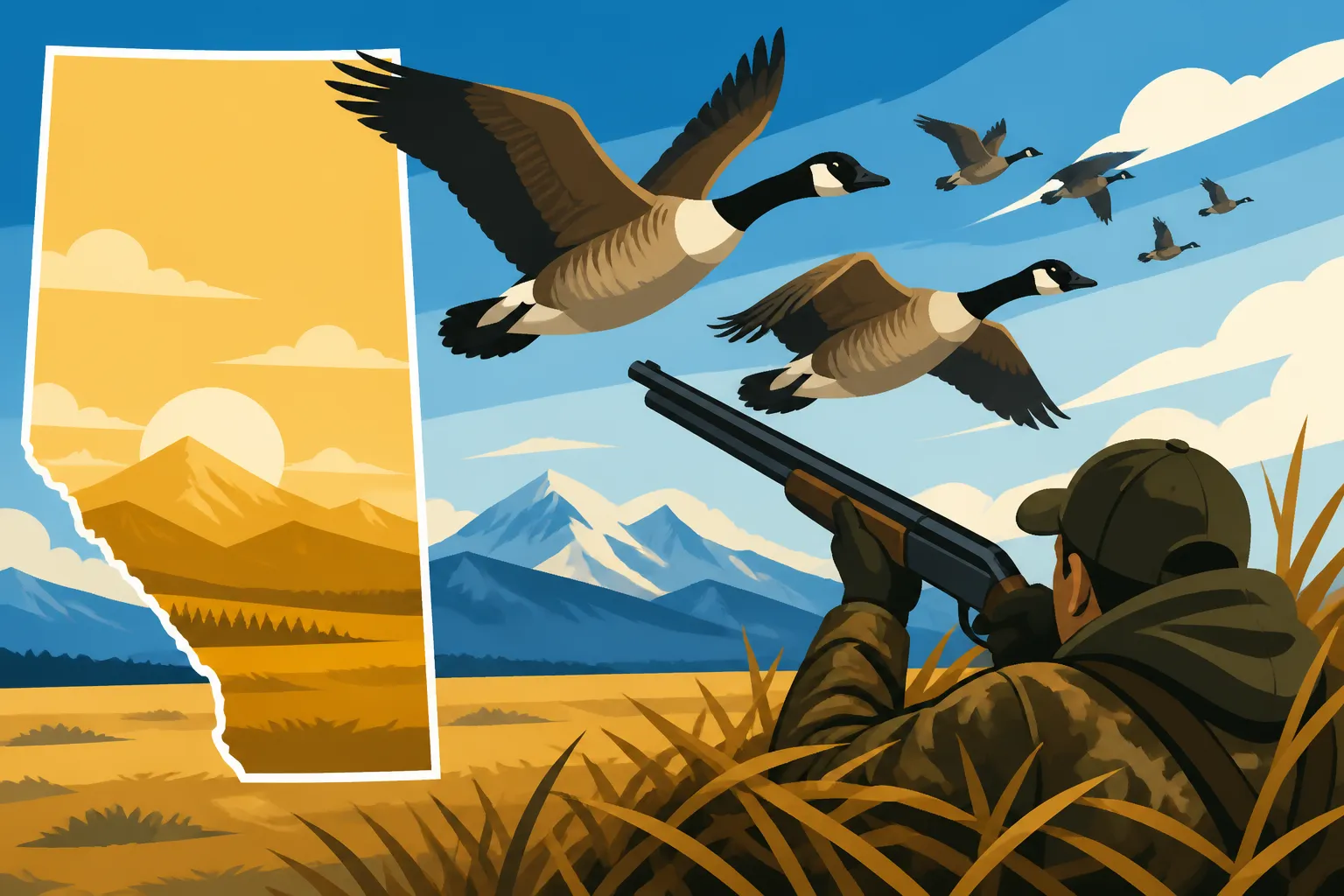
Alberta's vast landscapes transform into a spectacular theatre each fall and spring, hosting millions of geese as they pause their monumental migrations. For hunters, this offers an unparalleled opportunity, but it also presents a challenge: understanding which species are passing through, where they gather, and why. This guide will delve deep into the world of migratory geese in Alberta, helping you unravel their patterns and offering insights into the incredible hunting experiences they provide.
Understanding Goose Migration Patterns in Alberta
The annual migration of geese through Alberta is a journey etched into their DNA, a testament to instinct and survival. It’s not just a straight shot from one end of the continent to the other; it’s a complex dance of stopovers, feeding binges, and strategic movements. Understanding these patterns is key to predicting where and when to find these magnificent birds.
The North-South Flyway Connection
Alberta sits squarely within the Central Flyway, one of North America's major aerial highways for migratory birds. This means that geese, after breeding in the Arctic tundras and boreal forests of northern Canada and Alaska, funnel southward through our province on their way to wintering grounds in the central and southern United States. In the spring, the entire process reverses. This geographic position makes Alberta a critical staging area, a giant rest stop where birds can refuel and recuperate. The sheer number of birds that can congregate during these periods is astounding, turning skies grey with their passage and fields white or black with their feeding. These migrations aren't just one big wave; they're often a series of smaller pushes, influenced by weather fronts, food availability, and the individual species' timelines.
Influences of Weather and Food Availability
Think of geese as living barometers and opportunists. Their migration timing and specific staging locations are heavily influenced by the weather. Early cold snaps up north can push birds south faster, while a prolonged warm fall might delay their departure. Similarly, a sudden dump of snow can force birds to move on, seeking open fields where they can still access waste grain. But weather is only half the equation; food availability is arguably more critical. Alberta's agricultural heartland, particularly the vast expanses of grain fields, provides an irresistible buffet. Swathed barley, pea fields, and stubble rich with leftover wheat become vital energy sources for the long journey. Geese will often linger in areas with abundant food, building up fat reserves. This also means that what's available one year might differ the next, depending on crop rotations and harvest timing, requiring hunters to constantly scout and adapt. Tools like GoHunt can be invaluable for identifying potential agricultural areas and public access points where these birds might gather.
Key Goose Species That Stage in Alberta
While many birds pass through, a few key goose species dominate the Alberta staging landscape, each with its own habits and appeal for hunters.
Canada Geese: The Ubiquitous Brown Bombers
Canada Geese are probably the most recognizable goose in North America, and they are incredibly abundant in Alberta. You'll find them almost everywhere, from urban parks to remote agricultural fields. They are incredibly adaptable, and their populations are robust. In Alberta, you'll encounter various subspecies, ranging from the large "giant" Canadas, which can be truly massive birds, to smaller "lesser" Canadas. These geese stage heavily in agricultural areas, particularly in fields with barley, wheat, or peas. They are often seen feeding in large flocks, typically taking to the air in V-formations or long lines. Their distinct honking calls are a hallmark of an Alberta autumn. They generally migrate a bit later than some of the other species, often holding out until late October or even November, providing some excellent late-season hunting opportunities. They can be found across the province, but are particularly dense in the parkland and prairie regions where agriculture meets water bodies.
Snow Geese and Ross's Geese: The White Waves
Snow Geese are the iconic white geese that descend upon Alberta in truly spectacular numbers. Often, they travel alongside smaller, nearly identical Ross's Geese. These birds breed in the high Arctic and migrate in colossal flocks, sometimes numbering in the tens or hundreds of thousands. When a flock of snow geese lifts off a field, the sight and sound are unforgettable – a swirling, white blizzard against the blue sky, accompanied by a cacophony of high-pitched gabbling and squawking. They are primarily grazers, feeding on waste grain in stubble fields and often hitting green shoots in pastures or winter wheat fields. Their preference for staging areas often includes large, open agricultural landscapes with nearby wetlands or shallow lakes for roosting. They tend to migrate earlier than Canada geese, with peak numbers often passing through in September and early October. The concentration of these birds in specific areas can provide incredibly challenging yet rewarding hunting, particularly if you're prepared for Hunting a Big Snow Goose Spread.
Greater White-Fronted Geese: The "Specklebellies"
Affectionately known as "specklebellies" or "specks" due to the dark barring on their white bellies, Greater White-Fronted Geese are highly sought after by hunters for their delicious meat and challenging nature. These birds tend to be warier and often travel in smaller flocks than snow geese, though they can still number in the hundreds. Their call is a distinctive high-pitched, two-note "klah-wah" or "wah-wah-wah" that sets them apart from the honks of Canadas and the squawks of Snows. Like Canadas, they are often found feeding in grain fields, especially those with peas or barley, and they also have a fondness for green forage. They tend to migrate through Alberta in a similar window to Canada geese, often arriving in September and staying until mid-October before pushing south. Finding a good flock of specks on a field can be a real coup, and they respond well to realistic decoy spreads and expert calling, a technique that can be vital when Hunting Specklebellies Over Decoys.
Identifying Major Staging Areas and Habitat Preferences
Knowing which species are in Alberta is one thing; knowing where they'll actually be is another. Geese are creatures of habit, but those habits are deeply tied to specific habitat types.
Agricultural Fields: The Primary Food Source
Alberta's vast agricultural land is undeniably the primary draw for staging geese. These birds need massive amounts of energy to fuel their long migrations, and waste grain from harvested fields provides a readily available, high-calorie food source.
- Stubble Fields: After harvest, wheat, barley, and oat stubble fields are goose magnets. The birds can glean dropped kernels and shattered heads for days, sometimes weeks, until snow cover or heavy rains make the food inaccessible. They prefer larger fields, often hundreds of acres, which offer a sense of security from predators. Hunters often find success by Setting a Goose Spread in Swathed Barley or other similar grain types.
- Pea and Lentil Fields: These legumes are another favourite, particularly for Canada geese and specklebellies. The protein-rich peas are highly nutritious, and the way they are harvested often leaves plenty behind on the ground. These fields can hold birds for extended periods.
- Green Forage: While grain is king, geese will also feed on green shoots in winter wheat fields, pastures, or even golf courses. This is particularly true for Canada geese, which are more inclined to graze. Early season migrants or birds that have depleted grain sources will often turn to green stuff.
Large Water Bodies: Roosting and Security
Every feeding foray has to end with a safe place to rest and roost. This is where Alberta's numerous lakes, reservoirs, and large rivers come into play.
- Lakes and Reservoirs: Large, open bodies of water provide geese with a crucial sense of security. They can spot predators from a distance, and the water offers an escape route. Birds will often fly miles from their feeding fields to communal roosting sites on big lakes like Chain Lakes, Travers Reservoir, or even some of the larger sloughs. These areas are typically protected from hunting and serve as safe havens, allowing the birds to rest undisturbed.
- Rivers and Large Potholes: Major river systems, especially wide, braided sections, also offer roosting opportunities. The current helps keep ice at bay longer, which is critical in late fall. Smaller, but deep, potholes that don't freeze solid quickly can also hold impressive numbers of birds, especially for species like mallards and pintails, but geese will use them too. Understanding where these roosts are is paramount for planning hunting efforts, as geese will consistently fly between their roosts and feeding fields at dawn and dusk. This is a core part of Scouting Fields for Alberta Waterfowl.
Factors Influencing Goose Staging Behaviour
Goose behaviour isn't random; it's a calculated response to their environment. Several factors dictate where and how long they'll stage, and paying attention to these details can greatly improve a hunter's success.
Daily Commutes: Roost-to-Feed Patterns
Geese are incredibly consistent in their daily routines, often making the same flights from their roosting sites to their feeding grounds and back. This "daily commute" is driven by their need for both food and security. At first light, often even before the sun crests the horizon, massive flocks will begin lifting off their water roosts, heading directly to known feeding fields. They'll spend the morning gorging themselves, then often retreat to water in the mid-day for loafing and preening, before heading back to fields in the late afternoon for another feed. Finally, as darkness approaches, they'll make their way back to their communal roost.
- Predictability: This predictability is a hunter's best friend. By observing these flights, you can pinpoint the fields they're hitting and set up in their flight path or directly on a feeding field. This requires early morning and late evening scouting, often from a distance with binoculars or a spotting scope, so as not to spook the birds.
- Adaptability: While generally predictable, these patterns can shift if birds are pressured too heavily in a specific field, if food sources are depleted, or if weather changes. A sudden shift in wind direction, for example, can alter their flight lines slightly.
Social Dynamics and Flock Intelligence
Geese are highly social animals, and their flocking behaviour is a testament to their intelligence and survival instincts. Large flocks offer safety in numbers, with many eyes and ears on alert for predators. Within these large groups, there are often smaller family units that stay together.
- Decoy Response: Their social nature is precisely why decoys are so effective. Geese are drawn to the sight of other geese on the ground, signaling safety and a good food source. The more realistic your spread and the more natural your calling, the more convincing you are to incoming birds.
- Pressure and Education: Geese quickly learn from negative experiences. If a field is hunted too often, or if birds are continually shot at high altitudes, they become "educated" and will shy away from that location or become more difficult to decoy. This is why hunters often talk about giving fields a rest, or changing up their spreads and calling techniques to keep birds guessing. Fresh birds, those that have just migrated in and haven't been shot at, are often far easier to decoy than seasoned local birds.
Hunting Strategies for Staging Geese
Hunting staging geese requires a blend of meticulous planning, keen observation, and strategic execution. It's a game of wits, where understanding the bird's behaviour is often more important than the biggest gun.
Scouting: The Unsung Hero of Success
You simply cannot overstate the importance of scouting when it comes to goose hunting. It is, without a doubt, the single most critical factor for consistent success. You might have the best decoys and calling skills, but if you're not where the birds want to be, it's all for naught.
- Pre-Season Reconnaissance: Even before the season opens, drive the backroads, identify potential roosting lakes, and note crop types in various fields. Pay attention to harvest progress.
- Daily Observation: Once birds start arriving, your scouting becomes a daily ritual. Locate roost sites, then observe morning and evening flights. Which fields are they hitting? What time are they arriving? How are they approaching the field? Where are they landing? Are they feeding in small groups or massive swarms? Note the wind direction, as this will influence their approach.
- Permission and Access: After identifying a hot field, the next crucial step is securing permission from the landowner. A respectful approach, a friendly chat, and offering to clean up spent shells go a long way. Use resources like the Recreational Access Regulation maps and apps, which can help identify land boundaries and potential public access, but always confirm with landowners for private agricultural land.
Decoy Spreads and Concealment
Once you've scouted and gained permission, setting up your spread and hiding yourself are the next critical steps.
- Decoy Types and Numbers: The type and number of decoys depend on the species and the field size. For Canada geese, full-body decoys are often preferred for realism, and a spread of 2-5 dozen can be effective. For snow geese, sheer numbers matter; a spread of 200-500 white rags, silos, or Sentry full-bodies can be necessary to simulate a truly massive flock. Mix in a few specklebelly decoys if you're seeing those birds. Layouts vary, but generally, leave a "landing zone" upwind of your blinds, creating an inviting space for birds to commit.
- Concealment is King: Geese have incredibly sharp eyesight. Any unnatural lump or shiny object will flair them off. Layout blinds are the standard for field hunting, and they must be brushed in meticulously with natural vegetation from the field you're hunting. Corn stalks, stubble, weeds – whatever is growing in that exact field – should be used to break up the outline of your blind. Even leaving a few decoys scattered over the blinds can help with concealment. For water hunts, well-brushed boat blinds or natural shore cover are essential. Remember the importance of Non-Toxic Shot for Alberta Waterfowl and ensure your shot size is appropriate for the species and conditions.
Calling Techniques
Effective calling adds the auditory illusion to your visual decoy spread, helping to draw in wary birds and convince them to commit.
- Canada Goose Calling: This involves a variety of honks, clucks, and moans. A basic "greeting call" (honk-cluck-cluck) can get their attention, followed by excited "come-back" calls if they start to turn away. As birds get closer, use softer, more content "clucks and murmurs" to sound like geese happily feeding.
- Snow Goose Calling: Snow goose calling is often a frantic, high-pitched cacophony. Electronic calls with multiple speakers are often legal and highly effective for snow geese due to the sheer volume and varied sounds needed to mimic a massive flock. Manual calls require a lot of air and can be tiring, but skilled callers can still bring in birds.
- Specklebelly Calling: Specklebelly calls are distinct and require practice. Their "klah-wah" or "wah-wah-wah" call is unique and needs to be realistic. Fewer, more precise calls are often more effective for specks than aggressive, continuous calling. Regardless of the species, always remember to call with the birds, not at them. Listen to their response, gauge their interest, and adjust your calling accordingly.
Conservation and Management of Alberta's Geese
Alberta's abundant goose populations aren't an accident; they are the result of dedicated conservation efforts, wise management strategies, and hunters' contributions.
Regulatory Frameworks and Licence Requirements
Hunting in Alberta is governed by strict provincial and federal regulations designed to ensure sustainable populations.
- Federal Migratory Game Bird Permit: All migratory bird hunters in Alberta, including for geese, must possess a valid federal Migratory Game Bird Permit. This permit, along with the Canadian Wildlife Habitat Conservation Stamp, contributes funds directly to habitat preservation and research. Understanding these permits is fundamental to a legal hunt, just as it is for navigating Federal Migratory Game Bird Permit Cost.
- Alberta Wildlife Certificate and Game Bird Licence: In addition to the federal permit, hunters also need an Alberta Wildlife Certificate and a provincial Game Bird Licence. These licences specify the dates and limits for hunting geese in various zones across the province. Always check the current Alberta Guide to Hunting Regulations for specific Goose Season Dates by Zone and daily bag limits, as these can change annually.
- Non-Toxic Shot: A crucial regulation for migratory bird hunting in Canada is the mandatory use of non-toxic shot. This rule prevents lead contamination in wetlands and agricultural fields, protecting both the birds and the environment.
Monitoring and Population Management
Alberta's goose populations are closely monitored by wildlife biologists to ensure their health and sustainability. This includes:
- Banding Programs: Geese are banded on their breeding and wintering grounds, and hunters who recover these bands provide vital data on migration routes, survival rates, and population dynamics.
- Aerial Surveys: Regular aerial surveys are conducted to estimate breeding populations and track migration progress.
- Harvest Surveys: Hunter harvest surveys collect data on the number of birds taken, which helps inform bag limits and season lengths.
This comprehensive approach allows wildlife managers to adapt hunting regulations as needed, ensuring that Alberta's spectacular goose migrations continue for generations to come. It’s a testament to how responsible hunting and sound conservation practices go hand-in-hand to protect these incredible resources. While the focus here is geese, it's worth noting the careful management of other species, too, like the Duck Daily Bag Limit by Species which also ensures sustainable hunting.
Alberta's role as a vital staging ground for migratory geese provides an incredible opportunity to witness and participate in one of nature's grandest spectacles. From the abundant Canada Geese to the massive flights of Snow Geese and the prized Specklebellies, understanding their habits, preferred habitats, and the regulatory framework ensures a responsible and rewarding hunting experience. By investing in diligent scouting, mastering your calling, and respecting the land, you'll find countless memorable days chasing these magnificent birds under the vast Alberta sky.
Disclaimer
This article is for general informational purposes only and does not constitute professional advice. Laws, prices and regulations vary by location and change over time. Consult a qualified professional for guidance on your specific situation.