Moose Numbers in the Boreal Versus Foothills
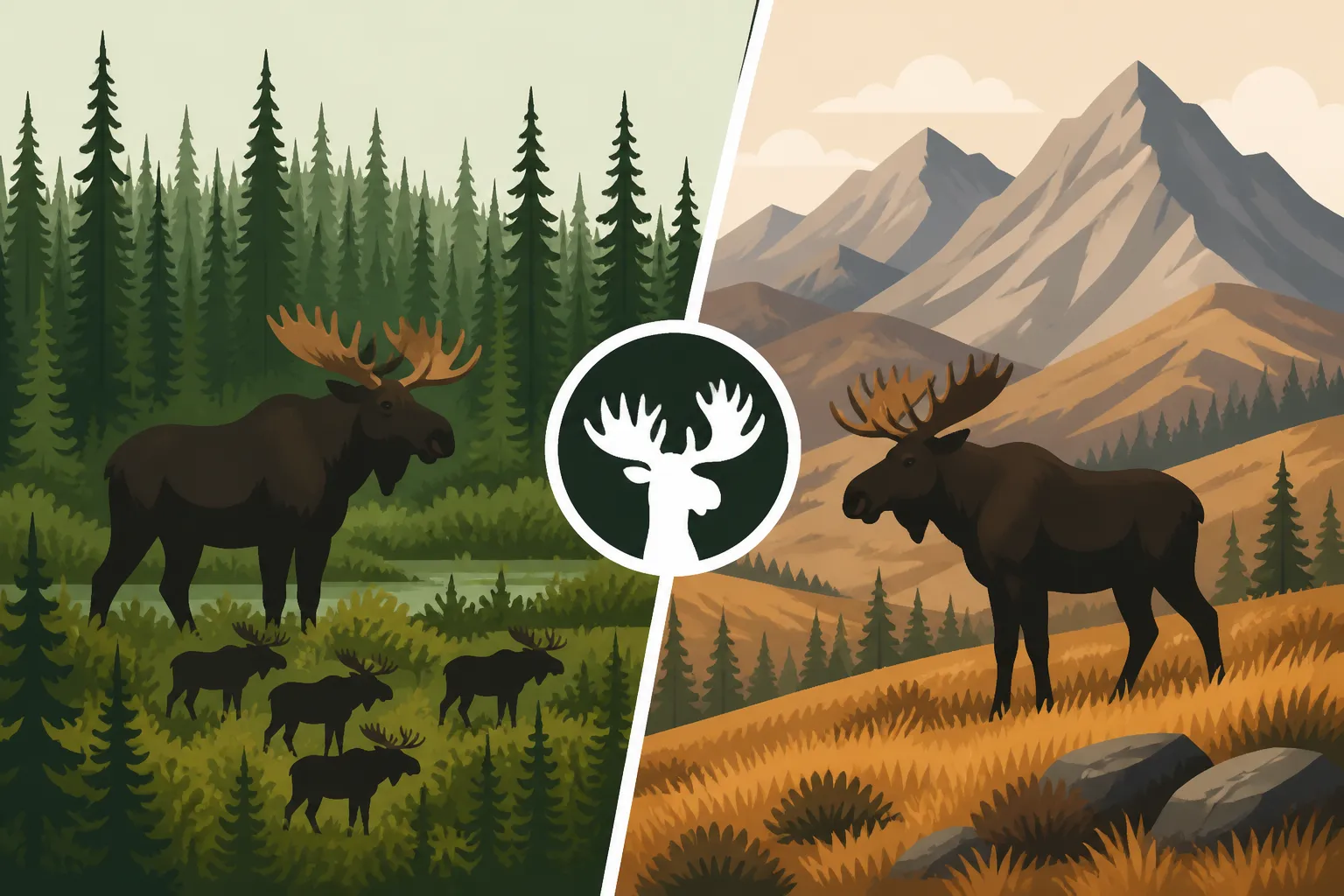
For any Alberta hunter with dreams of packing out some prime moose meat, understanding where these majestic animals thrive is absolutely critical. It’s a common frustration trying to figure out if you should be heading north to the vast Boreal Forest or west to the broken terrain of the Foothills when you're planning your next hunt, especially when their numbers and habits can feel like two different worlds. This guide will dive deep into the unique characteristics of moose populations in both regions, helping you understand the differences in habitat, density, and hunting opportunities so you can make more informed decisions and increase your chances of success.
The Boreal Forest: Moose Paradise, with a Catch
The Boreal Forest, stretching across the northern reaches of Alberta, is often considered the heartland for moose in the province. This vast, often remote, expanse of coniferous and mixedwood forest, dotted with countless lakes, rivers, and muskegs, provides an incredible amount of prime habitat. However, it's a complex environment, and while the numbers can be high, finding them isn't always a walk in the park.
Habitat and Abundance in the North
Moose are creatures of the forest edge and water, and the Boreal delivers both in spades. Here, you'll find extensive stands of willow, aspen, and balsam poplar – all favorite browse species for moose, especially during the colder months when they need calorie-rich food. The sheer scale of this habitat means that, in many areas, moose populations can be quite robust. It's not uncommon to encounter good numbers of animals, particularly in areas that have seen recent disturbances like logging or wildfires.
These disturbances, while seemingly destructive, actually create ideal conditions for moose. Clearcuts, after a few years, regenerate with thick, young growth that provides an explosion of palatable browse. Similarly, Why Moose Move to Cutlines and Burns explains how burned areas quickly grow back with nutrient-rich vegetation that moose absolutely love. This patchwork of mature timber, regenerating cuts, and wetlands forms a mosaic where moose can find both food and cover. This diverse landscape allows for higher densities in certain pockets, even if the overall vastness can make them feel spread out.
Challenges of Hunting Boreal Moose
Despite the potentially higher numbers, hunting moose in the Boreal Forest presents its own unique set of challenges. Access, for one, can be a major hurdle. Many prime areas are deep in the bush, requiring significant effort to reach. This might involve navigating miles of winding gravel roads, old seismic lines, or even relying on ATVs or boats. When you're thinking about Getting a Moose Out With a Quad, the terrain in the Boreal can quickly turn from firm ground to bottomless muskeg, especially in wet years, as discussed in Boreal WMU Access in Wet Years.
The sheer density of the vegetation also makes spotting moose incredibly difficult. Unlike open country, where you might glass for miles, Boreal hunting often means still-hunting through thick timber, focusing on fresh sign, or setting up on pinch points. Calling, especially during the rut, becomes a vital strategy. Knowing how to effectively use various calls to draw a bull closer, as detailed in Calling Moose in Alberta's Boreal Forest, is often the difference between success and going home empty-handed. Hunters often use tools like GoHunt to analyze historical harvest data and understand where successful Boreal hunts have taken place, giving them an edge in finding these remote pockets.
The Foothills: Fewer Moose, but Accessible Giants
West of the Boreal, as the terrain begins to ripple and rise into the Rocky Mountains, you enter Alberta’s Foothills region. This area, characterized by rolling hills, mixed forests of pine, spruce, and aspen, and a network of river valleys, also holds moose. While general moose numbers here might not rival the vast expanses of the Boreal, the animals that do reside here can be impressive, and the hunting experience is distinctly different.
Foothills Habitat and Distribution
Moose in the Foothills tend to be more concentrated in specific corridors, often along river bottoms, creek drainages, and in areas with mature, mixed forest that provides good thermal cover and ample browse. Unlike the Boreal's scattered wetlands, Foothills moose often rely on the rich vegetation found in the valley bottoms and on south-facing slopes. These areas can sometimes offer easier access than the deep Boreal, with more forestry roads and trails providing inroads.
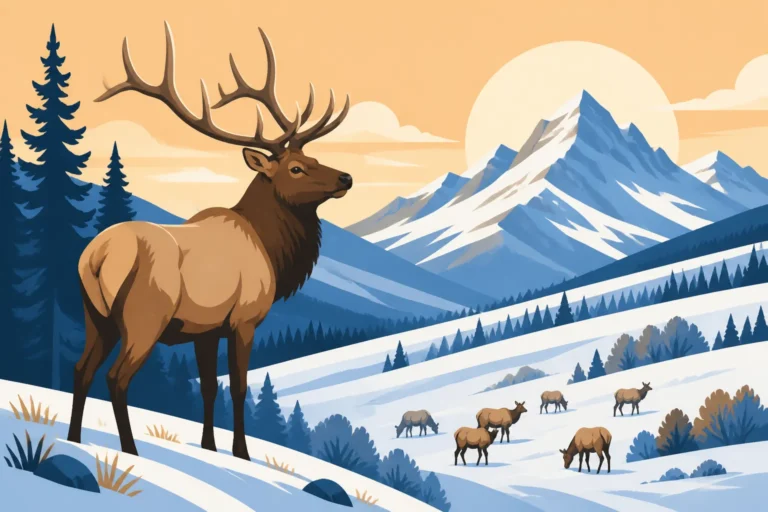
However, the habitat in the Foothills can be more fragmented due to human activity, including forestry, oil and gas development, and recreational use. This can concentrate moose in smaller, more defined pockets. Hunters often spend a lot of time glassing these valleys and draws, looking for tell-tale signs of feeding or bedding areas. When considering Elk Hunting Alberta's Foothills, you’ll notice that elk often share similar prime real estate, leading to potential multi-species opportunities but also competition for resources.
Hunting in the Foothills: Different Tactics
Hunting moose in the Foothills often involves a blend of glassing, still-hunting, and covering ground. While the overall density might be lower than some Boreal regions, the more defined travel corridors and distinct habitat features can sometimes make individual animals easier to pattern. Hunters often focus on tracking through fresh snow, or patiently waiting in areas known for heavy use, especially during the cooler parts of the day.
The terrain here can be steep and rugged, requiring good physical conditioning. A hunter might spend a whole day hiking up and down hills, scrutinizing every willow flat or timbered draw. Spot-and-stalk tactics can be effective, especially when moose are out feeding in more open areas or along the edges of clearings. Utilizing digital mapping platforms like GoHunt can be invaluable for identifying potential bedding areas, browse zones, and access points within these complex Foothills WMUs. Being prepared for a rigorous hike and understanding how to read the landscape for subtle moose sign is paramount.
Why the Numbers Differ: Ecology and Pressures
The stark differences in moose numbers between the Boreal Forest and the Foothills aren't arbitrary; they stem from a combination of ecological factors, habitat quality, and varying degrees of human and natural pressures. Understanding these underlying causes is key to truly grasping the hunting landscape in each region.
Habitat Quality and Carrying Capacity
The Boreal Forest, with its vast stretches of diverse and regenerating habitat, generally boasts a higher carrying capacity for moose. The sheer abundance of browse – from willow and aspen to various aquatic plants found in the numerous wetlands – means that the land can support a larger overall population. The constant cycle of natural disturbances like fire and man-made disturbances like logging actively replenishes the young, nutritious vegetation that moose depend on. This ensures a continuous supply of food, allowing populations to expand, as What Moose Eat Through the Year explains in detail.
In contrast, the Foothills, while offering excellent pockets of habitat, is more geographically constrained. The higher elevations, steeper slopes, and more mature forest stands can limit the amount of prime browse available. While river valleys and specific basins provide critical food sources, the overall amount of ideal moose habitat is less extensive and more fragmented. This naturally leads to lower overall population densities compared to the sprawling Boreal. When you're scouting, using a tool like GoHunt can help you visualize these differences in habitat composition and identify potential hotspots.
Predation and Disease Dynamics
Predator populations also play a significant role. The Boreal Forest is home to healthy populations of wolves and black bears, both of which prey on moose, especially calves. While predation is a natural part of the ecosystem, these predators contribute to the overall dynamics of moose numbers. In certain areas, concentrated wolf packs can certainly have an impact on local moose populations. For more on this, check out Do Wolves Affect Alberta Moose Numbers?.
The Foothills also have predators, including wolves and cougars, but the dynamics can differ slightly. Additionally, health factors like winter ticks can periodically affect moose populations, particularly in the more densely forested areas. How Winter Ticks Affect Alberta Moose elaborates on how these parasites can severely weaken moose, especially calves, and contribute to population declines in localized areas, regardless of whether it's Boreal or Foothills country.
Human Pressure and Access
Human hunting pressure and accessibility also influence observed moose numbers. The Boreal's remoteness means that many areas see less intense hunting pressure simply because they are harder to get to. Hunters willing to put in the effort to trek into these areas often find themselves in untouched territory. This can allow moose populations in truly remote Boreal zones to reach higher densities without being significantly impacted by hunters.
The Foothills, being more accessible from population centers, can experience higher hunting pressure in certain, easily reached WMUs. While this doesn't necessarily mean lower potential numbers, it can mean that moose in these areas are warier and more spread out, making them harder for hunters to locate. Furthermore, the presence of roads, pipelines, and other infrastructure, while providing access, can also lead to increased disturbance, pushing moose further into secluded pockets.
Hunting Implications and Strategic Planning
Knowing the differences in moose populations between Alberta's Boreal and Foothills regions isn't just academic; it profoundly impacts how you plan and execute your hunt. Each area demands a tailored approach, from scouting to calling techniques, and even how you manage your harvest.
Tailoring Your Hunting Strategy
For the Boreal Forest, the strategy often revolves around covering vast distances and targeting specific habitat features. Look for areas with recent logging activity (2-10 years old), extensive willow bottoms, or large bodies of water with good aquatic vegetation. Employing calling tactics effectively, especially during When Alberta's Moose Rut Peaks, can be incredibly productive here. Still-hunting slowly and meticulously through thick cover, paying close attention to fresh tracks, rubs, and beds, is also crucial. Consider that you might be hunting deeply in forested areas, so understanding how to navigate by compass or GPS is paramount.
When planning a Foothills hunt, focus more on elevation and topography. Glassing open slopes and valley bottoms at dawn and dusk can reveal moose moving between feeding and bedding areas. Hiking ridgelines and spotting into adjacent draws is a classic Foothills tactic. Concentrate on riparian zones along creeks and rivers, as these often serve as critical travel corridors and food sources. Because numbers can be lower and moose more dispersed, patience and persistence are key. Moose Across Alberta's Boreal and Foothills offers more general insights into the overall distribution of these magnificent animals.
Preparing for the Harvest and Beyond
Regardless of whether you find your moose in the Boreal or the Foothills, proper preparation for the harvest is non-negotiable. What a Big Bull Moose Weighs highlights that these animals are massive, requiring significant effort and planning to process and transport the meat. In the Boreal, the challenge might be the distance from the nearest road and the potential for very soft ground. A frozen muskeg trail might offer easier access in winter, as noted in Hunting a Frozen Muskeg Trail, but requires different logistical considerations.
In the Foothills, the challenge might be steep terrain and getting the animal quartered and packed out of a deep valley. Having a good game cart, a strong frame pack, or even a plan for horse packing can be essential, depending on how remote you are. For both regions, having a reliable game bag system, sharp knives, and plenty of rope is critical. Remember, the goal is not just to harvest, but to properly care for that valuable meat.
Using Technology to Your Advantage
In today's hunting world, leveraging technology can significantly enhance your chances in either region. Mapping applications are indispensable for understanding terrain, identifying access points, and marking sign. Services like GoHunt often integrate satellite imagery, topographic maps, and even public land overlays, helping you identify prime moose habitat, whether it's a regenerating clearcut in the Boreal or a willow-choked creek bottom in the Foothills.
You can use these platforms to scout from home, identify potential areas before you ever set foot in the field, and even track your movements while hunting. Analyzing past harvest data or general moose distribution maps, when available on such platforms, can provide crucial insights into which WMUs might offer the best opportunities for success based on the unique characteristics of Boreal versus Foothills moose populations.
Here's a quick overview of some key differences:
| Feature | Boreal Forest | Foothills |
|---|---|---|
| Habitat Type | Extensive mixedwood, coniferous, muskeg, lakes | Rolling hills, mixed forest, river valleys |
| Moose Density | Generally higher, but often dispersed | Lower overall, but can be concentrated in pockets |
| Primary Food Sources | Willow, aspen, aquatic plants | Willow, riparian vegetation, aspen |
| Access Difficulty | Often very remote, poor roads, muskeg | More accessible, but steep terrain in spots |
| Hunting Style | Still-hunting, calling, targeting clearcuts | Glassing, spot-and-stalk, hiking, tracking |
| Predators | Wolves, black bears | Wolves, cougars, black bears |
| Terrain Challenges | Swampy ground, dense bush | Steep slopes, rugged draws |
| Logistics Post-Harvest | Long hauls from remote areas, difficult ground | Steep retrieves, potentially long drags |
Ultimately, both the Boreal Forest and the Foothills offer incredible opportunities for moose hunting in Alberta. Your choice will depend on your preferred hunting style, physical capabilities, and how much wilderness you're willing to embrace. Understanding these distinct differences is the first step toward a successful and rewarding moose hunt.
Disclaimer
This article is for general informational purposes only and does not constitute professional advice. Laws, prices and regulations vary by location and change over time. Consult a qualified professional for guidance on your specific situation.