How Pronghorn Survive a Prairie Winter
The Alberta prairie winter is a formidable beast, a true test of survival for every creature that calls this land home. For pronghorn, those elegant speedsters of the open plains, it presents a unique and often brutal challenge that can dramatically impact their populations. This guide dives deep into the incredible strategies and adaptations that allow these remarkable animals to weather the harsh, unforgiving months when the land is locked in ice and snow.
The Unique Challenges of an Alberta Prairie Winter for Pronghorn
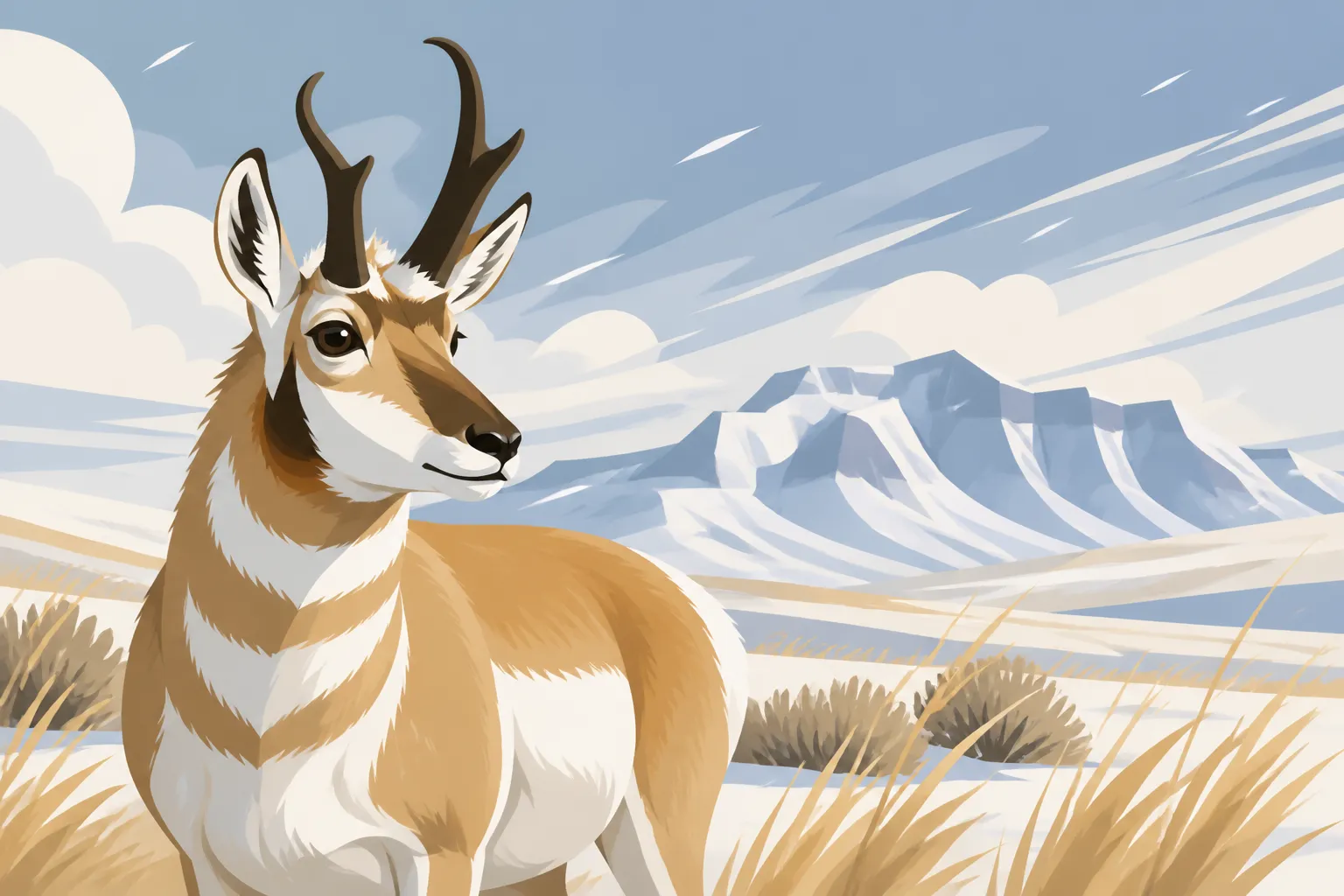
Imagine an endless expanse of white, punctuated by biting winds that can scour the landscape down to bare earth one day, then drift snow into impassable walls the next. This is the reality for pronghorn on the Alberta prairie in winter. Their primary survival mechanism—blazing speed—becomes almost a liability when deep, crusty snow makes every step an energy-sapping struggle. Unlike deer or moose with longer legs, pronghorn are built for running on firm ground, not slogging through drifts. The sheer physical exertion of navigating snow can quickly deplete their fat reserves, leaving them vulnerable to starvation and predation.
Beyond the physical barrier of snow, the cold itself is a relentless enemy. Temperatures can plummet to extreme lows, often hovering in the minus 20 to 30 Celsius range for extended periods, sometimes even colder with the wind chill. This demands constant energy expenditure just to maintain body temperature. Finding adequate forage during these times is another monumental task. Most of the succulent grasses and forbs they prefer in summer are either buried under snow or have lost much of their nutritional value, dried and brittle. It’s a constant battle against the elements, and one that many younger or weaker animals simply don't win.
The open nature of their prairie habitat also means there's often precious little cover from the wind, which intensifies the cold. While a whitetail might tuck into a thick aspen bluff or a mule deer find shelter in a deep coulee, pronghorn on the truly open plains have fewer such options. They are exposed to the full fury of winter storms, making them incredibly reliant on finding subtle topographical features or any sparse vegetation to break the wind's relentless assault. This lack of robust shelter, combined with the other stressors, makes their survival an annual testament to their hardiness and ingrained survival instincts. You can learn more about the broader context of Hunting Alberta Winter Weather Safely to understand the general challenges faced by all game.
Behavioral Adaptations: Navigating the White Gauntlet
Pronghorn aren't just built to survive; they behave in ways that significantly increase their odds against the prairie's wrath. One of their most critical strategies is movement, often a localized migration. While not always covering hundreds of miles like some elk or caribou, pronghorn will shift their range dramatically to find areas with less snow cover or more accessible forage. This often means moving from higher, exposed ground to more sheltered river valleys, coulees, or fields that have been wind-swept clear. This constant search for easier living conditions is driven by instinct, allowing them to conserve vital energy. Tools like GoHunt can be invaluable for hunters and conservationists alike in understanding these seasonal movements and predicting where herds might concentrate during tough winters.
Another key behavioral adaptation is forming larger herds in winter. Unlike the smaller groups or individual movements seen during warmer months, winter brings pronghorn together. There's safety in numbers from predators like coyotes and wolves, which become more of a threat when pronghorn are weakened by cold and hunger. But beyond predator defense, these larger groups offer a communal advantage for finding food. Many pairs of eyes scanning the landscape increase the chances of locating a patch of exposed ground or a field with available forage. Furthermore, huddling together can offer a degree of thermal insulation, helping to reduce individual heat loss on the coldest nights. Imagine twenty animals packed tightly; the combined body heat makes a measurable difference.
Their foraging strategy also adapts to the lean times. While they prefer broadleaf plants, in winter, they will readily switch to browsing on shrubs, cacti, and even sagebrush, which might be less palatable but offers critical sustenance when other options are scarce. They'll also paw at shallow snow to access dried grasses or even lichens. This switch in diet is a compromise, as these winter foods often provide less energy, but it’s enough to keep them going. Knowing how to Glassing Alberta Prairie for Pronghorn can help you identify these winter feeding areas, especially in places like a protected Hunting a Prairie Coulee Bottom where snow might be less severe. They are masters at exploiting even the smallest advantage, which speaks to their incredible resilience.
Physical Adaptations: Built for Speed, Tested by Cold
While their blinding speed is what most people notice about pronghorn, it's their less obvious physical adaptations that truly make winter survival possible. Their coat is a marvel of natural engineering. Each hair is hollow, acting as a superb insulator by trapping a layer of warm air close to the body, much like a down parka. This dense, specialized fur is incredibly effective at holding in body heat, even in the most severe cold. It's not just the hollow hairs; the entire coat system, including the underlying layer of fine wool, creates an almost impermeable barrier against the icy wind and snow, allowing them to maintain a stable core temperature despite the external conditions.
Pronghorn also have physiological mechanisms that help them conserve energy and heat. They can regulate their metabolism to some extent, slowing down non-essential functions to minimize energy expenditure when food is scarce and temperatures are extreme. This metabolic flexibility, combined with their ability to shiver, helps them generate and retain heat. Their efficient digestive system, while optimized for herbaceous forage, can extract nutrients from the less-than-ideal winter browse, ensuring they get every possible calorie from what little food is available. This adaptability of their gut flora is critical when their preferred diet is unavailable.
Beyond their insulating coat and metabolic control, pronghorn have relatively small hooves compared to their body size, designed for speed on hard ground. While this makes deep snow challenging, their lean muscle mass means they don't carry excess weight, which can be an advantage when conserving energy. They don't have the heavy bone and muscle structure that requires more energy to move. While fences are often a major challenge for pronghorn, impeding their movement to better forage or less snowy ground, their inherent toughness and specialized biology are paramount to their ability to endure when migration is restricted. Understanding their specific physical traits, particularly where Why Fences Are Hard on Pronghorn is concerned, provides valuable insight into the unique struggles of this remarkable species.
Human Impact and Conservation Efforts for Winter Survival
Human activity can significantly impact how pronghorn survive winter, for better or worse. One of the biggest challenges, as touched upon, is fencing. Miles of woven-wire fences crisscross the prairie, designed to contain livestock. While good for ranchers, these fences become impassable barriers for pronghorn, who prefer to crawl under rather than jump over obstacles. During heavy snowfalls, these fences can trap animals, preventing them from accessing crucial winter ranges or escaping harsh weather. Conservation efforts often focus on modifying these fences to be more wildlife-friendly, adding smooth bottom wires or raising them to allow pronghorn to slip beneath safely. GoHunt users, by understanding seasonal movements, can help identify critical migration corridors where such modifications would be most beneficial.
Habitat preservation is another cornerstone of supporting pronghorn through winter. Protecting key wintering grounds – often areas with less snow, good forage, or topographical shelter – is vital. This might involve setting aside native prairie, working with landowners on grazing practices that leave some winter forage, or maintaining open corridors for movement. The more fragmented the habitat, the harder it is for pronghorn to find refuge when winter bites. Knowing Where Alberta's Pronghorn Range Ends helps define these critical zones.
While supplemental feeding is rarely a preferred solution for wild ungulates due to potential disease transmission and habituation, understanding herd health and population numbers after a severe winter is crucial for management. Organizations and provincial agencies monitor Alberta's Pronghorn Herd and Winter Kill to assess impacts and adjust future hunting quotas. Hunters themselves play a role in conservation by adhering to regulations, understanding the health of the herds they pursue, and contributing to the funds that support habitat projects. By using resources like GoHunt to deepen their understanding of pronghorn behavior and habitat, hunters become more informed stewards of these amazing prairie dwellers.
Here's a quick look at some key challenges and how pronghorn adapt:
| Challenge of Alberta Winter | Pronghorn Adaptation | Benefit for Survival |
|---|---|---|
| Deep Snow | Localized Migration; Larger Herds | Accesses less-covered forage; Conserves energy; Group trail-breaking |
| Extreme Cold | Hollow-Hair Coat; Metabolic Control | Superior insulation; Reduces energy demands for warmth |
| Limited Forage | Diversified Diet (browse); Pawing | Utilizes available, less palatable food; Accesses buried forage |
| High Winds | Seek Topographical Shelter; Group Huddling | Reduces wind chill and heat loss; Collective warmth |
| Predation Risk | Larger Herds; Heightened Alertness | Safety in numbers; More eyes and ears for detection |
Disclaimer
This article is for general informational purposes only and does not constitute professional advice. Laws, prices and regulations vary by location and change over time. Consult a qualified professional for guidance on your specific situation.