Hunting Access Near Red Deer
Finding decent hunting access near a growing city like Red Deer can feel like trying to find a needle in a haystack, especially with so much private land and increasing development. Many hunters feel the squeeze, wondering if those prime spots from years past are forever lost. This guide is here to cut through that frustration, offering practical advice and strategies for uncovering hunting opportunities in the Red Deer area, whether you're looking for public land gems or trying to respectfully secure private land access.
Understanding the Red Deer Hunting Landscape
The Red Deer region sits squarely in Alberta's central "White Area," which means it's predominantly settled agricultural and private land. This isn't the vast, open Crown land of the northern boreal or the rugged mountains to the west. Understanding this distinction is crucial, as it dictates your primary approach to finding hunting spots. You'll spend more time knocking on doors and less time simply walking into public timber, but that doesn't mean opportunities aren't there. It just means you need to be strategic.
The Dominance of Private Land
Picture driving just ten minutes out of Red Deer in any direction and you'll quickly be surrounded by farms, ranches, and acreages. This is the reality of hunting around a major population center in Alberta. Most of the prime habitat for deer, especially those big whitetails and often some mule deer, exists on these private parcels. The fields provide abundant food, and the shelterbelts, aspen bluffs, and creek bottoms offer ideal cover. The challenge, of course, is gaining permission to hunt these lands. It’s not about finding the deer; it's about finding the landowner willing to let you pursue them.
Many hunters feel a pang of frustration when they glass a monster buck on private land they can't access. It's a common experience, and it highlights why building relationships and being a responsible, respectful hunter is paramount in this area. You're not just looking for a spot; you're often looking for a connection.
Public Land in a Private World
While private land dominates, there are pockets of public land, though they often require more effort to locate and access. These might include small provincial parks where hunting is permitted (always double-check regulations!), specific grazing leases, or less obvious Crown land parcels often surrounded by private holdings. The key here is diligent scouting and using mapping tools to identify these areas. Don't expect large, unbroken tracts of accessible public ground like you might find further north or west. Instead, think "islands" of opportunity that might be overlooked by other hunters due to their size or difficult access. This makes for a different kind of hunting challenge, but one that can be incredibly rewarding.
It’s easy to get discouraged when you see "No Hunting" signs everywhere. However, some of the best public land spots around Red Deer are those that require a bit more legwork or strategic thinking to reach, often because they are less obvious or have challenging access points, deterring the casual hunter.
Navigating Private Land Permission
For many hunting around Red Deer, private land access is the holy grail. It's where the best opportunities often lie, but it requires a very different approach than simply hiking into a block of Crown land. This isn't just about showing up and asking; it's about building trust, demonstrating respect, and often being prepared for a lot of polite "no's" before you get a "yes."
The Art of Asking for Access
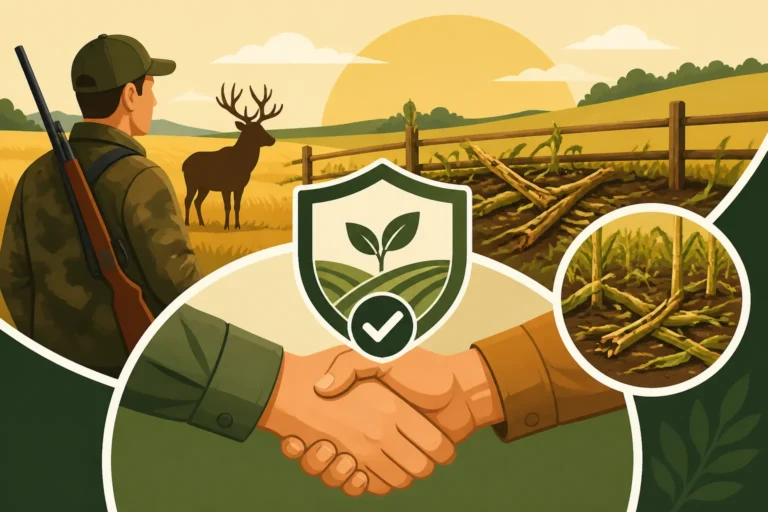
So, you've spotted a beautiful aspen bluff bordering a pea field, and you just know a big whitetail is bedded there. Now what? The first step is identifying the landowner. Once you know who owns the land, approaching them is a crucial skill. It's best to do this well in advance of the season, ideally in person. Dress neatly, be polite, and introduce yourself clearly. Explain what you're hoping to hunt, how long you plan to be there, and emphasize that you will be respectful of their property, livestock, and any other activities. Offer to share any game meat you harvest, or to help with small chores if you have time.
Remember, landowners are often inundated with requests, especially as hunting season approaches. Many have had negative experiences with disrespectful hunters in the past. Your goal is to differentiate yourself. Be prepared for them to say no, and always respond graciously. Sometimes, a "no" this year might turn into a "yes" next year if they remember your courteous approach. This is truly Asking an Alberta Landowner for Permission in action.
Building Relationships and Trust
Getting permission isn't usually a one-and-done deal. It's often the start of a relationship. If a landowner grants you access, make sure you follow through on every promise. Close all gates, drive only on designated trails, pick up any litter (even if it's not yours), and always check in and out. If you harvest an animal, let them know. If you notice a downed fence or something out of place, inform them. A small act of kindness, like dropping off a gift basket or some fresh meat from your harvest, can go a long way in solidifying that relationship for future seasons.
Think about it from their perspective: they are entrusting you with their property, their livelihood, and often their family's safety. Showing genuine respect and responsibility is how you earn and maintain that trust. Many hunters find that once they establish a good relationship with one landowner, that person might even introduce them to a neighbor who is also open to granting access. It truly is a network based on reputation.
Understanding Landowner Concerns
Landowners often have very valid concerns when it comes to granting hunting access. These can range from worries about safety, especially with children or livestock around, to property damage, litter, or even just feeling overwhelmed by the sheer number of requests. Some might also have bad experiences with hunters who left gates open, shot too close to buildings, or drove off-road.
When you ask for permission, try to address these concerns preemptively. "I understand you might have livestock, I promise to stay clear of them and always close any gates I open." Or, "I'll be extra careful with my shot placement and be mindful of any buildings." Knowing what their potential hesitations are can help you tailor your approach and demonstrate that you are a thoughtful and responsible individual. For example, some landowners near Red Deer might be particularly sensitive about noise during calving season or if they have horses pastured nearby. Being aware of these local rhythms can make a big difference.
Exploring Public Land Opportunities
While private land dominates the immediate Red Deer area, don't write off public land entirely. You just need to know where to look and be willing to put in a bit more effort. These spots might not be obvious, but they can hold some fantastic hunting, especially for whitetails, coyotes, and various game birds.
Crown Land and Road Allowances
Scattered throughout the Red Deer region, particularly as you move further west towards the foothills, there are still parcels of Crown land. These might be small, isolated blocks of timber, river valley bottoms, or even some steeper, less arable ground. The key to finding them is using good mapping tools. Apps like onX Hunt are invaluable here, as they display property boundaries and clearly delineate Crown land from private parcels. You can overlay different layers to see land ownership, contours, and even aerial imagery, helping you identify potential access points and likely game habitat. This is where Reading Alberta's Crown Land Layers on onX becomes a game-changer.
Additionally, don't overlook road allowances. In Alberta, most undeveloped road allowances (the strip of land on either side of a public road, often 66 feet wide) are considered Crown land and can be legally hunted, provided you are adhering to all safety regulations regarding shooting distances from roads, residences, and occupied buildings. This often means walking these allowances, as shooting from or across a paved road is generally not permitted. These narrow strips can sometimes act as travel corridors for deer moving between private land parcels, offering a unique opportunity.
Provincial Grazing Reserves and PLUZs
Further afield, but still within a reasonable drive of Red Deer, you'll find larger tracts of public land like Provincial Grazing Reserves (PGRs) and Public Land Use Zones (PLUZs). These are managed public lands where specific rules for recreational use, including hunting, apply.
Provincial Grazing Reserves are primarily for cattle grazing, but hunting is often permitted outside of peak grazing seasons or in designated areas. You must contact the leaseholder or the managing authority to understand the specific rules and access points for hunting on a PGR. Some will require permission from the leaseholder, while others might simply ask you to sign in. These areas often consist of a mix of open range, treed coulees, and sloughs, providing excellent habitat for deer and upland birds.
Public Land Use Zones, like the Ghost PLUZ to the southwest (a bit of a drive, but still accessible for a day trip or overnight hunt), offer larger, more contiguous blocks of public land. These areas are specifically managed for multiple uses, including hunting, and often have more defined access rules and infrastructure like campgrounds and trails. However, they typically come with their own set of regulations regarding off-highway vehicles, camping, and firearm discharge, so always check the specific PLUZ rules before you go. The Ghost PLUZ, for instance, offers rugged terrain and the chance at elk, mule deer, and even a bighorn if you're lucky enough to land a licence, since resident class 1 sheep licences are purchased rather than drawn. Understanding Alberta's Public Land Use Zones Explained is crucial for effective hunting in these areas.
| Type of Public Access | Description | Pros | Cons | Key Considerations |
|---|---|---|---|---|
| Isolated Crown Land | Small, often treed parcels surrounded by private land. | Less pressure, hidden gems, good for whitetails in cover. | Small, can be hard to find and access, limited in scope. | Requires detailed mapping (e.g., onX Hunt); respect surrounding private land boundaries; often foot access only. |
| Road Allowances | Undeveloped strips along public roads. | Often connect habitat, easily identifiable. | Small, high visibility, strict rules on shooting distances and from roads. | Walk-in access only; check regulations for shooting distances from residences and roads; can be busy. |
| Grazing Reserves | Public land leased for cattle, hunting often permitted. | Larger tracts, good mix of cover and feed, potential for multiple species. | Need to contact leaseholder for permission/info; can have cattle present; specific access rules. | Always call the leaseholder; understand grazing rotations; be respectful of livestock; confirm hunting rules. |
| PLUZs (e.g., Ghost) | Designated multi-use public land, often larger and wilder. | Extensive wilderness, potential for big game (elk, bighorn). | Further drive from Red Deer, more rugged, specific OHV/camping rules. | Requires more preparation (gear, fitness); check specific PLUZ regulations; can be popular, especially on weekends. |
Specific WMUs Near Red Deer to Consider
While the entire region has potential, some Wildlife Management Units (WMUs) directly around Red Deer and within a reasonable drive offer distinct hunting opportunities. Knowing which WMUs to focus on can help narrow your scouting efforts and provide a clearer picture of what to expect.
The Parkland Transition Zone WMUs
The WMUs immediately surrounding Red Deer, like 236, 240, and 242, are prime examples of the aspen parkland transition zone. This means you'll find a mix of cultivated fields, smaller bush blocks, and riparian areas along creeks and rivers. These WMUs are renowned for their whitetail populations, with the potential for truly impressive bucks, thanks to abundant food sources and good cover. Mule deer can also be found, though generally in lower numbers and often concentrated in areas with more broken terrain or extensive coulee systems.
Hunting in these WMUs will primarily revolve around securing private land access, but the scattered Crown land parcels and road allowances mentioned earlier become even more critical here. Look for Hunting Alberta's Aspen Parkland Bluffs or Hunting a Shelterbelt Between Two Fields for prime whitetail habitat. These areas often experience higher hunting pressure, especially on opening weekend, so deep scouting and unique access points are key to success.
Foothills Fringe WMUs to the West
If you're willing to drive a bit further west from Red Deer, into WMUs like 332, 334, or 336, you start to enter the true foothills country. Here, the landscape shifts from parkland to rolling timbered hills, deeper river valleys, and a higher percentage of Crown land. These WMUs offer opportunities for elk, moose, and black bears, in addition to whitetails and mule deer. Elk populations, in particular, are strong in these areas, and the draw odds for special licenses might be more favorable than in some mountain WMUs.
Access here is often via forestry roads, cutlines, and seismic lines. This is where Hunting Elk on Alberta's Forestry Roads or Hunting a Cutline Intersection for Whitetails can really pay off. However, this terrain is more rugged, requires more physical effort, and often benefits from a quad or side-by-side for covering ground. Be prepared for potential encounters with grizzlies in these areas and know the rules for travel on Public Land Use Zones, which often overlap with these WMUs. The hunting experience here feels much more like a wilderness hunt, even if it's still relatively close to urban centers.
Tools and Strategies for Finding Access
In today's hunting world, technology can be your best friend when it comes to finding and securing access. Combining digital tools with good old-fashioned footwork and social skills will give you the best chance of success around Red Deer.
Digital Mapping and Scouting
Modern mapping applications are essential for hunting around Red Deer. onX Hunt is a phenomenal tool that provides detailed land ownership maps, showing you exactly where private land ends and Crown land begins. This is invaluable for identifying those small, isolated Crown parcels or for confirming the boundaries of a private property before you approach a landowner. You can also use it to mark potential access points, scout out cover, and identify natural pinch points or travel corridors. GoHunt, while often more focused on western draw species, can also provide valuable insights into WMU quality and past harvest statistics, which can help you decide where to focus your efforts.
Before you even leave your couch, you can spend hours digitally scouting. Look for features like:
- Aspen bluffs: Often good whitetail cover.
- Creek bottoms: Natural travel corridors and water sources.
- Shelterbelts: Provide cover and connect larger blocks of habitat.
- Drainage ditches: Can hide deer moving through open fields.
- Unused farm lanes or old fence lines: Sometimes these offer walking access into larger blocks of private land if you have permission.
Combine these digital insights with Scouting With Satellite Imagery in Alberta to pick out specific features like old clearings, dense bedding areas, or even obscure trails that might lead to overlooked spots.
The Power of Local Knowledge
While technology is great, nothing beats local knowledge. Striking up conversations with locals – farmers, ranchers, even people at the local coffee shop or general store – can sometimes yield invaluable insights. They might know who owns which parcel, who's generally open to hunters, or even point you to a small, overlooked piece of public ground. This isn't about asking them to give you their honey hole, but simply gathering general information about the area.
Another strategy is to frequent local sporting goods stores in Red Deer or nearby towns like Innisfail or Lacombe. The staff are often avid hunters themselves and can sometimes offer general advice on WMUs, common challenges, or even suggest areas that see less pressure. They might not give you specific spots, but they can guide your research in the right direction. Remember, respect is key here too; don't badger people for secret spots.
Government Resources and Access Programs
The Alberta government offers resources that can help. The Recreational Access Regulation (RAR) outlines rules for accessing certain types of Crown land, including some grazing leases. The "Alberta Guide to Hunting Regulations" is your bible for understanding what's legal and where you can hunt. It outlines general season dates, bag limits, and specific rules for each WMU.
There are also programs like the Alberta Conservation Association (ACA) "Access Sites" which are specific parcels of land leased or owned by the ACA, often with signage, specifically for public hunting and recreation. While not always abundant directly around Red Deer, they are worth checking on the ACA website or their hunting access map. These sites are typically well-marked and provide clear rules, taking some of the guesswork out of finding a legal place to hunt. They are a fantastic resource and embody the spirit of expanding Public Hunting Land in Alberta.
Respecting the Land and Ensuring Future Access
The long-term viability of hunting access, especially in densely populated areas like Red Deer, hinges on every hunter acting responsibly and respectfully. Our actions, or inactions, directly impact how landowners, non-hunters, and land managers view our sport.
Leaving No Trace and Beyond
The principle of "Leave No Trace" is fundamental. This means packing out everything you pack in, and ideally, picking up any trash you find, even if it's not yours. Beyond just trash, it means minimizing your impact on the land. Stick to established trails, avoid damaging crops or fences, and be mindful of your vehicle's impact on soft ground.
Consider how your presence might affect others. Are you parking in a way that blocks access for a farmer or another recreational user? Are you making excessive noise that might disturb livestock or nearby residents? Being a good ambassador for hunting goes a long way. This includes being mindful of Meat Care in Alberta's Cold and Warm Swings to ensure no waste, which can lead to negative perceptions.
Building a Positive Image for Hunters
Unfortunately, a few bad apples can spoil the whole barrel, and the negative actions of a small minority of hunters often shape public perception. By being overtly respectful, courteous, and responsible, you help counteract these negative stereotypes. Offer to help a farmer with a small chore, wave to passing vehicles, and always abide by the law. If you encounter non-hunters, be friendly and willing to explain what you're doing, if appropriate.
Remember, every interaction is an opportunity to showcase hunters as ethical conservationists who care about wildlife and the land. In an area with many residents who may not hunt, these positive interactions are vital for maintaining and potentially expanding hunting opportunities. This applies especially when seeking Getting Private Land Permission in Alberta.
Advocating for Access and Conservation
Being an active participant in conservation efforts and advocating for hunting access is another critical step. Support organizations like the Alberta Fish and Game Association or the Alberta Conservation Association, which work tirelessly to secure and maintain access for hunters. Attend public consultations about land use planning, especially concerning PLUZs or Crown land management. Your voice, combined with others, can help ensure that hunting remains a cherished and viable activity in Alberta.
Consider joining a local fish and game club in the Red Deer area. These clubs are often on the front lines of local conservation projects, habitat improvement initiatives, and discussions with landowners and government agencies. They provide a platform to learn, contribute, and collectively work towards better hunting for everyone. By actively contributing, you're not just finding a place to hunt; you're helping secure places for future generations to hunt.
Disclaimer
This article is for general informational purposes only and does not constitute professional advice. Laws, prices and regulations vary by location and change over time. Consult a qualified professional for guidance on your specific situation.