The Biggest Moose Ever Taken in Alberta
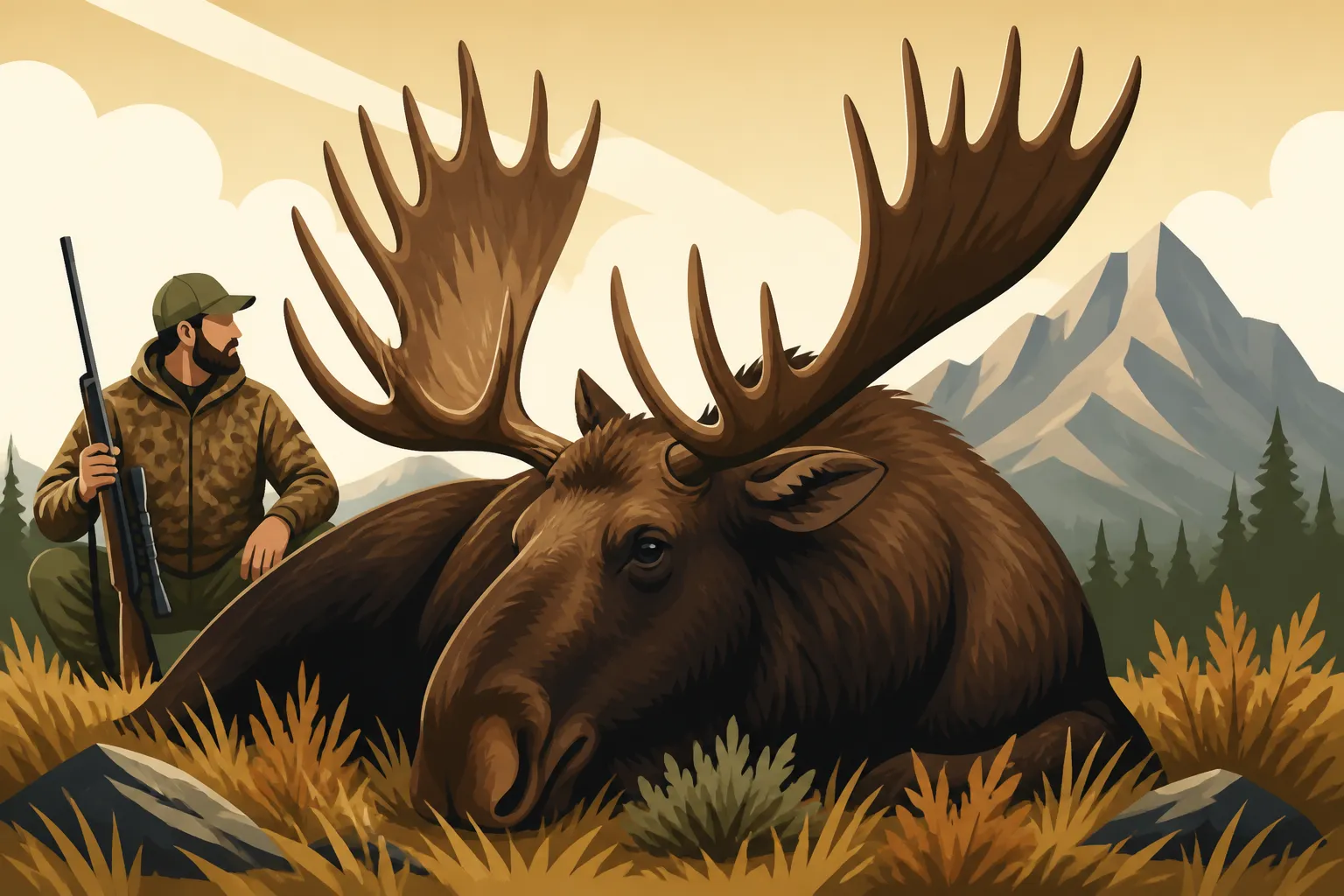
There's a special kind of awe that settles in when you hear tales of a truly enormous moose, especially here in Alberta. We’re talking about animals that defy imagination, with racks so wide and palms so vast they look like they belong to a prehistoric beast. For many hunters, myself included, the dream of encountering one of these giants, let alone harvesting one, is a powerful motivator. This guide isn't just about chasing a number; it's about understanding what makes these massive moose possible in our province, where they might be found, and the incredible effort and respect that goes into pursuing such a magnificent animal.
Understanding Alberta's Moose Potential
Alberta is renowned for its diverse landscapes, and within these sprawling environments, we have the ideal conditions for moose to thrive and grow to truly impressive sizes. From the northern boreal forests to the foothills, these animals find everything they need to reach their full potential.
Habitat and Nutrition: The Fuel for Giants
The secret to big moose often lies deep within their habitat. Alberta's vast boreal forest, particularly in the northern reaches, offers a buffet of prime moose browse. We're talking about willow, aspen, balsam fir, and a variety of aquatic vegetation found in the countless lakes, rivers, and Hunting Moose Around Alberta Beaver Ponds. These areas provide critical high-protein, high-energy forage that fuels rapid growth, especially in their early years and during the antler-growing season. A consistent and abundant food source, coupled with access to water, is non-negotiable for a bull to put on serious inches.
Think about a spring after a mild winter with good snowmelt; that means lush growth everywhere. Those conditions directly translate into a better diet for moose, allowing them to allocate more energy to antler development. It’s not just about surviving winter; it’s about having enough surplus energy to push bone and get big. In these prime areas, a bull doesn't have to work as hard to find food, meaning less stress and more energy directed towards developing that impressive rack.
Genetics and Age: The Building Blocks
Just like any species, genetics play a massive role in a moose's potential size. Some populations simply have the genetic blueprint for larger body size and more expansive antlers. However, even with great genetics, a bull needs time to mature. A young bull, even one with excellent genetic potential, won't carry the kind of mass and spread that an older, fully mature bull will. It takes years for a moose to truly express its genetic potential in its antlers.
Most of the truly massive moose, the ones that end up in the record books, are typically mature animals, often six to ten years old, sometimes even older. They've survived multiple hunting seasons, evaded predators, and navigated tough winters. This longevity allows their bodies to dedicate significant resources to antler growth each year, compounding mass and points. Understanding this means appreciating that ethical hunting practices, like selective harvesting, can help maintain a healthy age structure in populations, allowing more bulls to reach their prime. It’s a long game, for both the moose and the hunter.
The Role of Season and Conditions: Nature's Influence
Environmental factors are huge in determining the overall health and size of moose each year. A harsh winter with deep snow and prolonged cold can take a toll, forcing moose to expend more energy simply to survive, leaving less for antler growth. Conversely, a mild winter followed by a wet, productive spring and summer often leads to healthier moose and bigger antlers. Disease, like the ever-present winter tick, can also severely impact a moose's condition and ability to grow large.
When you're Scouting an Alberta WMU Before Season, these are the kinds of long-term factors that savvy hunters consider. They look at past years' weather patterns, reports on herd health, and overall habitat conditions. Even localized events, like wildfires or significant logging, can temporarily alter habitat and influence moose populations. While wildfires might initially displace animals, the regrowth often provides an incredible bounty of fresh browse years down the line, leading to a surge in moose populations and potential for larger animals. For example, fresh burns in the boreal forest can become a magnet for moose a few years after the fire.
The Quest for Record Book Moose in Alberta
The pursuit of a truly record-book moose is a unique journey, blending deep woods knowledge, patience, and a touch of luck. Alberta has a proud history of producing some magnificent animals, drawing hunters from all over North America hoping to connect with a giant.
Boone and Crockett and Pope and Young: Measuring Greatness
When hunters talk about "record book" moose, they're usually referring to animals scored under the Boone and Crockett Club or Pope and Young Club systems. These organizations set rigorous standards for measuring trophy animals, focusing on antler dimensions like spread, length of palms, circumference, and number of points. Boone and Crockett typically handles rifle-killed animals, while Pope and Young is for archery harvests.
The scoring system isn't just about brute size; it measures symmetry and overall antler development, rewarding well-proportioned racks. For a moose, the width of the spread and the length and width of the palmation are huge factors, alongside the points. It's a precise science, and even a fraction of an inch can make the difference between a high-ranking entry and a new world record. Hunters often pour over these record books, dreaming of the day they might see their own name next to an Alberta giant. When you’re looking at these records, you quickly see how unique and special each animal truly is. These records also serve as a vital conservation tool, demonstrating the health and potential of our big game populations.
The Allure of the "Biggest": What Makes a Moose Legendary
Every hunter dreams of the "biggest." But what makes a moose truly legendary? It's often a combination of raw antler size, unique characteristics, and the story behind the hunt. Sometimes it's a bull with an unprecedented spread; other times, it's a bull with incredibly wide, shovel-like palms that simply dwarf anything else. These animals aren't just big; they're majestic and inspire awe.
The allure also comes from the sheer challenge. Moose hunting is often physically demanding, especially in the remote areas where these giants reside. It can involve long treks, challenging terrain, and unpredictable weather. To successfully locate, stalk, and harvest a truly massive bull is a monumental achievement, a testament to a hunter's skill, perseverance, and ethical approach. It's not just about the inches of antler; it's about the entire experience, the respect for the animal, and the wilderness itself. The stories of these hunts, shared around campfires, become part of Alberta's hunting folklore.
The Search for the Unofficial Giants: Stories from the Field
While record books celebrate official entries, there are countless stories of "unofficial" giants – moose taken by local hunters that might not have been formally scored but are legendary in their communities. These are the bulls seen year after year, the ones that become local legends, known for their massive tracks or their fleeting appearances. Hunters often spend years chasing a particular bull, learning its habits and movements.
These stories often highlight the deep connection hunters have to the land and the animals they pursue. They remind us that hunting is about more than just the kill; it's about observation, patience, and respect for the natural world. Many hunters use tools like the GoHunt app to meticulously track potential areas, study terrain, and mark sightings of these elusive giants, hoping to piece together the puzzle of their movements. Whether officially scored or not, these encounters with massive moose are etched into a hunter's memory forever.
Stories of Alberta's Legendary Moose
Alberta has always been a top destination for moose hunters, and our province has produced some truly astounding animals. While exact details of individual hunts are often private or become part of local legend, we can look at the general characteristics that define a legendary Alberta moose and the regions where they typically emerge.
Characteristics of a Giant Alberta Moose: Antler Spread, Palmation, Points
When we talk about a giant moose, we're really focusing on a few key antler characteristics that push them into the exceptional category. The first thing most people notice is the sheer antler spread. While an average mature bull might have a 40-50 inch spread, a truly legendary bull often boasts spreads well over 60 inches, sometimes even pushing into the 70s. This incredible width makes the animal look even more imposing.
Then there's the palmation. This refers to the broad, flattened portions of the antler. For giant moose, these palms are not only incredibly wide but also very long, sometimes extending over 40 inches. They are thick, heavy, and often have deep, intricate webbing. Finally, the points or tines extending from the palms are also crucial. A big bull will typically have numerous, well-developed points, often over 10-15 per side, adding to the overall mass and impressiveness of the rack. The combination of massive spread, deep palmation, and abundant, sturdy points is what defines a truly legendary Alberta moose.
Here's a quick comparison of what separates an average bull from a potential record-book animal:
| Characteristic | Average Mature Bull (Typical) | Legendary Bull (Trophy Potential) |
|---|---|---|
| Antler Spread | 40-50 inches | 60+ inches, often 70+ |
| Palm Length | 20-30 inches | 35+ inches, can exceed 40 |
| Palm Width | 8-12 inches | 15+ inches, very wide |
| Points per Side | 5-8 | 10-15+ (well-developed) |
| Overall Mass | Moderate | Exceptional, very heavy beams |
Regions Known for Large Moose: Where These Giants Are Typically Found
While a trophy moose can theoretically turn up anywhere moose live, certain regions in Alberta are consistently known for producing larger animals. These areas typically offer a combination of excellent habitat, lower hunting pressure, and healthy, well-aged moose populations.
The boreal forest of northern Alberta is a prime example. Areas like the Peace River country, the Slave Lake region, and the vast tracts of wilderness north and east of Fort McMurray are often mentioned when discussing giant moose. These remote areas, characterized by extensive wetlands, willow thickets, and regenerating clearcuts, provide ideal forage and cover. Moose Numbers in the Boreal Versus Foothills tend to be higher in these areas, and the remote nature means bulls often have the chance to age. When I'm looking at maps on GoHunt, I'm often drawn to the isolated pockets of bush and water in these northern WMUs.
The foothills regions, particularly the more remote zones along the eastern slopes of the Rockies, can also produce some impressive moose. While perhaps not as consistently large as the northern giants, these bulls benefit from diverse forage and often inhabit tougher, less accessible terrain, allowing them to mature. Hunters often find great moose in the regions around Whitecourt, Grande Prairie, and the Hunting the Swan Hills Timber. These regions offer a unique blend of bush and more open areas that can lead to diverse moose diets and growth.
Beyond the Inches: The Hunt for a Memory
Ultimately, while the numbers and spread are exciting, the true legend of an Alberta moose hunt often lies beyond the tape measure. It's the crisp autumn air, the vibrant colours of the northern bush, the sound of a bull grunting back to your call, or the heart-pounding moment a massive animal steps into an opening. Whether you're calling a bull in the Hunting a Cutline for Moose at First Light or carefully picking your way through a remote basin, these experiences forge unforgettable memories.
Connecting with a moose, especially a mature bull, is an incredible experience that transcends mere antler size. It’s a primal connection to the wilderness, a test of skill and endurance. The sheer effort of getting to these remote areas, the meticulous scouting, and the physical challenge of packing out a large animal from deep in the bush contribute just as much to the "legend" as the inches on the antler.
What It Takes to Hunt a Trophy Moose in Alberta
Hunting a trophy moose in Alberta is not for the faint of heart; it requires dedication, strategic planning, and a deep understanding of moose behaviour and their environment. It’s a commitment, but the rewards are profound.
Scouting and Preparation: Before the Hunt Begins
Successful trophy moose hunting starts long before you ever step foot in the bush with a rifle or bow. It begins with extensive scouting. This means poring over detailed maps, often using digital tools like GoHunt to identify potential habitat – areas with good water sources, thick cover, and abundant browse. Look for old burns, cutlines, or Hunting an Old Logging Road in the Foothills that could funnel moose movement or provide new growth. Studying historical data on harvest success in particular Alberta's Wildlife Management Units can also give you valuable insights.
Preparation also involves physical conditioning. Moose country, especially in the northern boreal or remote foothills, can be incredibly challenging. You'll be traversing muskeg, dense timber, and potentially steep terrain. Being physically ready to hike long distances, often carrying heavy gear, is crucial. Moreover, ensure all your gear – rifle or bow, optics, calling equipment, and camping essentials – is in top condition and you're proficient with its use. Practicing your calling well in advance, whether it's cow calls or bull grunts, can make a huge difference, especially during the rut. Calling a Bull Moose in the Rut requires timing and realism.
Patience and Perseverance: On the Ground Tactics
Once you're in the field, patience becomes your most valuable tool. Trophy moose, by their very nature, are wary and often inhabit the densest cover. You won't find them standing out in the open waiting for you. This means still-hunting slowly, often for hours on end, or setting up in prime locations and waiting for moose to move. Early mornings and late evenings are typically the most productive times, as moose are most active then.
Perseverance is key when things get tough. Bad weather, slow days, or frustrating misses are all part of the hunt. The ability to stay positive, adapt your tactics, and keep pushing forward, even when you’re tired and cold, often separates successful trophy hunters from those who go home empty-handed. Many trophy bulls are taken on the last day, or even the last hour, of a long, arduous hunt. Don't underestimate the mental toughness required.
Understanding Moose Behaviour: Key to Success
To consistently find and harvest trophy moose, you need to think like a moose. This means understanding their seasonal movements, their dietary preferences, and their breeding behaviours. For example, during the fall rut, bulls become much more vocal and territorial, making them susceptible to calling tactics. Knowing When Alberta's Moose Rut Peaks in your specific WMU is critical.
Understanding wind direction, thermals, and how moose use topography for cover and travel is also paramount. A moose's nose is its primary defence; if they smell you, the hunt is likely over. Learning to read moose sign – tracks, rubs, and droppings – will help you identify active areas and determine the size of animals frequenting them. Utilizing tools like GoHunt to overlay wind data with terrain can give you a significant advantage in planning your approach and knowing where moose might be bedding or feeding. The more you immerse yourself in their world, the better your chances of encountering one of Alberta's truly legendary moose.
Disclaimer
This article is for general informational purposes only and does not constitute professional advice. Laws, prices and regulations vary by location and change over time. Consult a qualified professional for guidance on your specific situation.