Alberta Conservation Association Access Sites
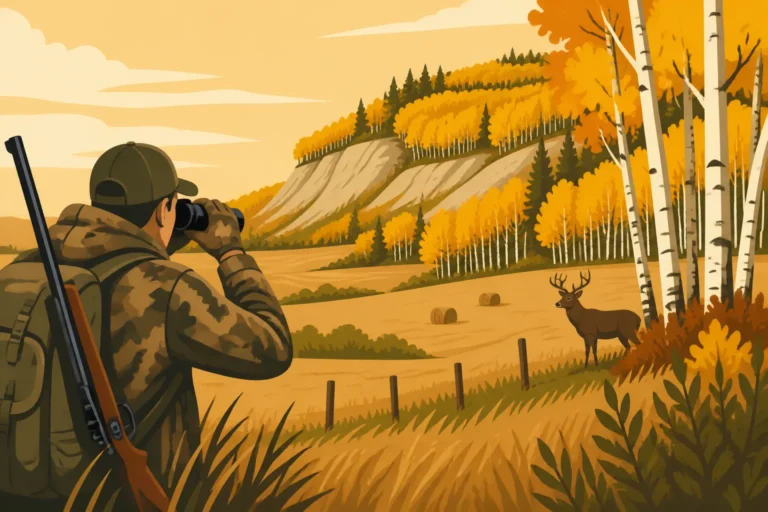
Few things are more frustrating for an Alberta hunter than staring at a map, seeing promising blocks of habitat, only to realize they're on private land with no obvious access. It’s a common hurdle, especially in our agricultural zones and near populated areas. This guide is dedicated to shedding light on a fantastic resource that helps bridge that gap: Alberta Conservation Association (ACA) Access Sites, providing invaluable public hunting opportunities across the province.
Understanding Alberta Conservation Association (ACA) Access Sites
When you're trying to figure out where you can actually put boots on the ground, the Alberta Conservation Association (ACA) lands are a genuine lifesaver for many of us. These aren't just random parcels; they're strategically acquired or leased areas specifically managed to benefit wildlife and, in turn, provide access for outdoor enthusiasts, including hunters. It's a testament to the power of dedicated conservation efforts funded directly by license sales and other initiatives.
The Mission Behind ACA's Land Acquisition
The core mission of the ACA is pretty simple: conserve, protect, and enhance wildlife and fish populations, and their habitats, for all Albertans. A huge part of achieving this is securing lands. They understand that without habitat, wildlife struggles, and without access to that habitat, hunters and other recreationists are left out in the cold. So, when they purchase or lease a parcel of land, it's not just for the sake of owning it; it's about creating enduring places where wildlife can thrive and where we, as responsible users, can connect with nature. This philosophy directly supports the idea that hunting is a vital component of conservation, generating funds and providing stewardship for these very lands.
Often, these land acquisitions target areas that are critical for wildlife corridors, waterfowl staging, or big game wintering ranges, which might otherwise be developed or converted to less wildlife-friendly uses. The ACA works with landowners, industry, and government to identify these key parcels and then brings them into public ownership or secures long-term access agreements. It’s a continuous effort that ensures we don't lose precious habitat and hunting grounds in a rapidly changing landscape. They’re thinking long-term, which is exactly what we need as hunters who care about future generations enjoying what we do.
These lands are a direct result of hunter and angler contributions. Every time you buy a fishing or hunting license in Alberta, a portion of that fee goes directly to the ACA. This means that when you're hunting on an ACA Access Site, you're literally benefiting from your own investment in conservation. It’s a powerful cycle that connects our passion for hunting directly to tangible habitat improvements and increased public access, reinforcing that hunters are indeed conservationists.
Different Kinds of ACA Access Sites
ACA Access Sites aren't all cut from the same cloth; they come in various forms, each with its own characteristics and potential opportunities. Understanding these differences can help you better plan your hunts. You might encounter sites that are outright owned by the ACA, meaning they're permanently secured for wildlife habitat and public recreation. These are often the most stable and well-marked sites, sometimes with specific habitat improvements like planted food plots or enhanced wetlands.
Then there are leased lands, where the ACA has an agreement with a private landowner to manage a property for conservation purposes and provide public access. These leases might have specific terms, and it's always critical to read the signage carefully as rules can vary. The beauty of these leased sites is that they often open up hunting opportunities in areas that would otherwise be entirely private, giving us a chance to explore new ground that might be holding game. They might be adjacent to existing Public Hunting Land in Alberta or Hunting Alberta's Crown Land, creating larger contiguous blocks of accessible habitat.
Finally, some ACA sites are actually cooperative agreements on existing provincial lands, where the ACA partners with the government to manage and enhance habitat. Regardless of the exact ownership structure, the common thread is the commitment to wildlife and providing a place for us to hunt. Always check the specific site information, which is usually found on signs at the access points or detailed on the ACA website, to ensure you're aware of any unique regulations or access points for that particular parcel.
The Indispensable Value for Alberta Hunters
For many hunters in Alberta, particularly those who don't have extensive private land connections or live far from vast tracts of Crown land, ACA Access Sites are an absolute game-changer. They offer a tangible solution to the perennial challenge of finding a place to hunt, transforming once-inaccessible areas into viable hunting grounds. It's about empowering more hunters to participate, fostering a deeper connection to the land, and directly contributing to wildlife management.
Bridging the Gap: More Access for Everyone
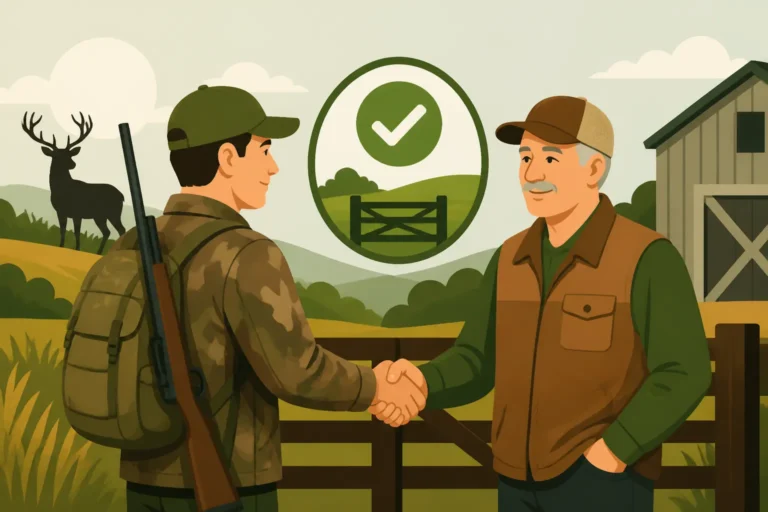
Let's be real, finding a good place to hunt in Alberta can be tough. So much of our province, especially in the fertile White Area, is private land, and Getting Private Land Permission in Alberta can be time-consuming and sometimes discouraging. That's where ACA Access Sites step in, creating vital pockets of publicly accessible hunting land in areas where it might otherwise be scarce. They act as essential bridges, connecting isolated patches of Crown land or simply opening up new opportunities close to home for hunters who might not have the time or resources to travel to remote wilderness areas.
Consider a situation where you're looking to hunt whitetails in an agricultural region. Without ACA sites, your options might be limited to knocking on doors, hoping for a "yes." But with an ACA site, you have a guaranteed place to start, a known quantity managed for wildlife. This not only increases your chances of finding game but also fosters a sense of community and shared responsibility among hunters, knowing that these lands are there for everyone to enjoy ethically and responsibly. These sites often become reliable spots year after year, letting you learn the lay of the land and the local game movements.
This enhanced access is particularly important for new hunters or those who are just starting to explore Alberta's hunting opportunities. It lowers the barrier to entry, providing readily identifiable locations where they can learn and gain experience without the added stress of constantly seeking permission. It's about ensuring the future of hunting by making it accessible and enjoyable for a broader segment of the population, keeping our traditions alive and well.
Diverse Habitats and Species Opportunities
One of the great things about ACA Access Sites is their incredible diversity. They aren't all just the same type of land; they span a wide range of habitats, from prairie grasslands and riparian zones to aspen parkland bluffs and forested areas. This means that whatever species you're pursuing, there's a good chance an ACA site, or a combination of them, could offer suitable habitat. You might find a small wetland managed for waterfowl, a rolling parcel of grassland perfect for Hunting Hungarian Partridge on Alberta Farms, or a brushy coulee holding whitetail deer.
This habitat diversity translates directly into diverse hunting opportunities. You could be looking for ducks and geese in a specific Pothole Hunting Ducks on Small Water in one region, and then, a few WMUs away, find an ACA site offering prime habitat for Walking Up Sharp-Tailed Grouse in Alberta. It encourages hunters to explore different ecosystems and broaden their understanding of Alberta's wildlife. By strategically managing these sites, the ACA ensures that various species have the resources they need, which in turn benefits us as hunters.
Moreover, because these sites are managed specifically for wildlife, they often hold a higher concentration of game than unmanaged lands. The ACA might implement habitat enhancements like planting native grasses, creating brush piles, or managing water levels, all designed to make the land more attractive and productive for game. This intentional management means that your scouting efforts on an ACA site are likely to be more fruitful, offering better chances at success and a more rewarding hunting experience.
The Link Between Hunting and Conservation Success
It’s easy to talk about conservation in abstract terms, but ACA Access Sites represent a tangible, boots-on-the-ground example of how hunting directly funds and supports conservation in Alberta. Every dollar generated from license sales that goes to the ACA is invested back into these lands and programs, creating a direct feedback loop where hunters contribute, and hunters benefit. It debunks the myth that hunting is detrimental to wildlife; instead, it showcases hunters as the primary drivers of conservation efforts.
When you see an ACA sign at the edge of a field or a treeline, it’s not just telling you where you can go; it's a symbol of collective effort. It means that hunters have, through their financial contributions and their advocacy, secured and improved this piece of land for wildlife. This strong link reinforces the idea that hunting is an essential part of sustainable wildlife management, providing both funding and dedicated stewards for our natural resources.
By using these sites, hunters aren't just taking game; they're participating in a larger conservation movement. They're demonstrating the value of hunting as a tool for habitat preservation and wildlife population management. This direct connection between the act of hunting and the success of conservation efforts is a powerful message, showcasing our community's commitment to ensuring healthy wildlife populations for generations to come.
Locating and Preparing for Your Hunt on ACA Lands
Finding ACA Access Sites and understanding their specific rules is key to a successful and frustration-free hunt. Thankfully, the ACA has put considerable effort into making their resources accessible, and modern mapping tools complement these efforts perfectly. It’s all about doing your homework before you ever step foot in the field.
Navigating the ACA Online Map Resources
The Alberta Conservation Association has a fantastic online resource dedicated to their access sites, and it should be your first stop. Their website features an interactive map that shows the location of all their owned and leased lands across the province. You can zoom in, pan around, and click on individual parcels to get detailed information. This includes the specific site name, the types of habitat present, what species are commonly found there, and, critically, any site-specific rules or restrictions you need to be aware of.
These online maps are usually updated regularly, so you’ll get the most current information regarding access and any temporary closures. It's not uncommon for a site to have specific rules, such as walk-in only access, restrictions on certain types of hunting (like no waterfowl hunting on a specific deer site), or even seasonal access windows. Always make sure to check these details thoroughly. A little time spent on their website can save you a lot of grief in the field.
Beyond the interactive map, the ACA also often provides printable maps or brochures for individual sites, which can be invaluable, especially if you anticipate being out of cell service. Downloading and printing these before your trip means you have a reliable reference, even if your technology fails. Think of it as your first step in Scouting an Alberta WMU Before Season, gathering all the intel you can from the comfort of your home.
Using Digital Tools Like onX Hunt and GoHunt
While the ACA's own maps are excellent, savvy hunters often layer that information with third-party digital mapping apps to get an even clearer picture. Tools like onX Hunt have become indispensable for this exact purpose. They integrate land ownership data, including public lands, private parcels, and often, specific overlays for ACA Access Sites. This allows you to visualize not just the ACA boundary, but also what kind of habitat surrounds it, where property lines lie, and potential access points. Reading Alberta's Crown Land Layers on onX is a skill that directly translates to understanding ACA boundaries.
When you're looking at a potential ACA site on an app like onX Hunt or GoHunt, you can often see topography, satellite imagery, and even historical aerial photos. This is incredibly useful for Scouting With Satellite Imagery in Alberta. You can identify key features like treelines, water sources, field edges, and potential bedding areas without ever leaving your couch. You can also mark waypoints for gates, parking areas, or even promising game trails you spot from above.
These apps also become invaluable once you're in the field. With GPS functionality, you can see your exact location relative to property boundaries, ensuring you stay within the legal hunting area of the ACA site and don't inadvertently trespass onto adjacent private land. This peace of mind allows you to focus on the hunt, knowing you're always on legal ground.
Understanding Site-Specific Rules and Boundaries
This cannot be stressed enough: always understand the specific rules for the ACA Access Site you plan to hunt. While they are public access points, they are often managed parcels, and that management can come with unique guidelines. These rules are usually clearly posted at the entry points to the sites and detailed on the ACA website. Ignoring them isn't just disrespectful; it can lead to fines or the loss of hunting privileges.
Some sites might be designated "walk-in only," meaning vehicle access is restricted to parking areas. Others might have limitations on specific activities, like no ATV use, or restrictions on target shooting. Some might be open for general big game seasons but closed for waterfowl or upland birds to protect nesting habitat. It’s crucial to read those signs and respect the intent behind the regulations. This is part of the broader effort to ensure the long-term viability of these access points.
It's also imperative to pay close attention to the boundaries of the ACA land. While digital maps like those from onX Hunt are great for this, always confirm with physical signs if possible. ACA sites are often nestled among private land, and knowing exactly where the public access ends and private property begins is paramount. Misidentifying a boundary can lead to accidental trespassing, which can damage the reputation of hunters and jeopardize the ACA’s relationships with neighboring landowners, potentially leading to future access issues. This ties directly into Alberta Landowner Permission Law and the importance of respecting property lines.
Practicing Ethical Hunting and Stewardship on ACA Sites
Hunting on ACA Access Sites comes with a responsibility to uphold the highest standards of ethical conduct and environmental stewardship. These lands are a privilege, not an inherent right, and how we treat them impacts not only our personal hunting experience but also the future of these access programs and the reputation of hunters as a whole.
Respecting the Land and Other Users
When you're out on an ACA site, remember that you're sharing the space. While they are hunting grounds, they can also be used by birdwatchers, hikers, or photographers, especially during off-peak times. Always be mindful of other users and maintain a courteous and respectful demeanor. This means being aware of your surroundings, especially when discharging a firearm, and giving others ample space.
Beyond other humans, respecting the land itself is paramount. This includes adhering to a "pack it in, pack it out" mentality, ensuring that absolutely no trash, spent casings, or other refuse is left behind. We are visitors in these wild spaces, and our goal should be to leave them in better condition than we found them. Damage to signs, gates, or other infrastructure should also be reported, not ignored.
This also extends to how we interact with the natural environment. Avoid unnecessary damage to vegetation, stick to established trails where appropriate, and be aware of any sensitive areas. The goal is to minimize our impact, ensuring that the habitat remains healthy and productive for wildlife, and enjoyable for all who use it. Our actions reflect on all hunters, so let's make sure that reflection is a positive one.
Interacting Responsibly with Adjacent Private Landowners
Many ACA Access Sites are surrounded by private land. This means that hunters using these sites are essentially guests in a neighborhood, and our conduct reflects directly on the ACA and on all hunters. Always be a good neighbor. This means not blocking private driveways or field access points, not leaving garbage near their property, and generally being respectful of their peace and privacy. Asking an Alberta Landowner for Permission on adjacent land requires a good first impression, and a sloppy approach to an ACA site won't help your cause.
It's absolutely critical to know and respect property boundaries. Straying onto private land, even accidentally, can lead to serious consequences and sour relationships between the ACA and local landowners. This can jeopardize future access or even lead to the closure of existing sites. Use your mapping apps, pay attention to fences and signs, and if there's any doubt, err on the side of caution and stay within the known ACA boundaries. Retrieving game from private land requires specific rules, so understanding Retrieving Game From Private Land in Alberta is key.
If you happen to encounter a private landowner while hunting near an ACA site, a simple wave and a polite greeting can go a long way. They often know the area intimately and appreciate hunters who show respect. Building positive relationships, even if indirect, is vital for the long-term success of these access programs and for the broader perception of hunters in our communities.
The Importance of Reporting and Conservation Ethics
Being an ethical hunter on an ACA site also means being a vigilant steward. If you witness illegal activity, such as poaching, trespassing, or significant littering, it's our collective responsibility to report it. The Report A Poacher line is the official channel for this in Alberta, and conservation officers rely on public tips to protect our wildlife and habitats. Don't assume someone else will report it; take the initiative.
Conservation ethics extend beyond just obeying the law; it's about making conscious choices that benefit wildlife. This could mean passing on a marginal animal to allow it to grow, or meticulously cleaning up your harvest site to avoid leaving unsightly remains. It's about recognizing that every hunting trip is an opportunity to contribute positively to the ecosystem and to the perception of our sport.
The long-term health of our wildlife populations and the continued availability of hunting access depend on this collective commitment to ethics and stewardship. ACA Access Sites are a tangible representation of this commitment, and our responsible use of them ensures their continued existence and expansion for future generations of hunters.
Planning Your Hunt on an ACA Access Site
Like any successful hunt, planning is paramount when it comes to ACA Access Sites. These aren't necessarily "easy buttons" for hunting; they still require strategic thinking, good scouting, and appropriate gear. By combining the readily available information with your own field knowledge, you can significantly increase your odds of success.
Strategic Scouting and Pre-Season Planning
Don't just show up to an ACA site on opening day hoping for the best. Good hunting begins long before the season. Utilize the ACA's online maps and digital tools like onX Hunt to conduct thorough virtual scouting. Look for pinch points, cover, water sources, and potential bedding areas. Note any adjacent agricultural fields that might draw game. This reconnaissance will help you narrow down where to focus your efforts.
Once you have a few promising spots identified virtually, try to do some physical scouting during the off-season or even a few weeks before your hunt. Visit the site, walk the boundaries, and look for fresh sign like tracks, rubs, scrapes, or droppings. Pay attention to prevailing wind directions and how they might affect your approach and stand placement. Remember, these are public lands, so expect some pressure, but smart scouting can help you find overlooked pockets of game. Scouting an Alberta WMU Before Season is crucial, and ACA sites are no exception.
During your scouting trips, identify clear access points and potential parking areas. Look for obvious game trails and escape routes that animals might use when pressured. The more you know about a particular site, the better equipped you'll be to make effective hunting decisions when the season opens. Having a solid plan minimizes wasted time and maximizes your time in productive areas.
Essential Gear and Safety Considerations
The gear you bring to an ACA Access Site hunt will depend heavily on the specific site's terrain and the species you're pursuing. However, there are some universal considerations. Given that many ACA sites are walk-in only or require significant hiking, comfortable, broken-in boots are non-negotiable. Layered clothing is always wise in Alberta's unpredictable weather, even for a short hunt. A good backpack with essentials like water, snacks, a first-aid kit, and a headlamp is a must.
Safety is paramount. Always inform someone of your hunting plans – where you're going, when you expect to return. Carry a fully charged cell phone, but don't rely on it for navigation or communication in remote areas; consider a satellite messenger if you're venturing deeper or into areas known for poor cell service. Understand that you are hunting in Alberta, and unexpected things can happen, like getting a flat tire on a backroad or facing challenging weather. Having a Winter Truck Kit for an Alberta Hunt or knowing What to Do If You Get Stuck in the Bush are always smart precautions, even if you’re just a few miles off the highway.
Blaze orange requirements apply on many public lands during rifle seasons, so always check the regulations for the specific season and WMU. Being visible to other hunters is crucial. Also, if you’re hunting waterfowl or upland birds, remember to carry the appropriate non-toxic shot for migratory birds as required. Always be prepared for your specific hunt and environment.
Combining ACA Access with Broader Public Land Strategies
ACA Access Sites are fantastic on their own, but they can be even more powerful when viewed as part of a broader strategy for hunting public land in Alberta. Many times, an ACA site will be adjacent to or within a reasonable distance of other publicly accessible lands, such as provincial grazing reserves, county-managed parcels, or general Crown land. By using your mapping tools, you can identify these contiguous areas and plan a larger hunt.
For instance, an ACA site might be a perfect entry point into a larger block of Crown land that's harder to access directly. Or, it might serve as a strategic location to pressure game towards, or intercept game moving from, an adjacent private quarter-section. Understanding how game moves between different types of land, especially when hunting pressure picks up, is key to success.
Consider how these sites fit into the bigger picture of a WMU (Wildlife Management Unit). You might use an ACA site as your base, then spread out into adjacent public lands, or even use it as a sanctuary spot to check when other areas are getting too much pressure. It's about being strategic and using all the tools and access points at your disposal to maximize your hunting opportunities in Alberta.
| ACA Access Site Type | Typical Characteristics | Potential Game Species | Hunter Expectations |
|---|---|---|---|
| Owned by ACA | Clearly marked, long-term conservation focus, often habitat improvements. | Deer (Whitetail, Mule), Waterfowl, Upland Birds, Small Game. | Reliable access, well-maintained, possible higher game density. |
| Leased by ACA | Private land under ACA management, good for areas with limited public land. | Deer (Whitetail, Mule), Upland Birds, Small Game. | Site-specific rules more likely, may have active agriculture nearby. |
| Cooperative Agreement | Collaboration with government on existing Crown or provincial lands. | Diverse species depending on original land type (Moose, Elk, Bear possible). | Enhancements and access often integrated with larger public land blocks. |
ACA Access Sites are a vital component of Alberta's hunting landscape, offering tangible opportunities for hunters while directly supporting conservation. By understanding their purpose, how to find them, and the responsibility that comes with using them, we can ensure these valuable resources remain available and productive for generations to come. They empower us to be better stewards of the land and more successful hunters, proving that conservation and hunting go hand-in-hand. So next time you're planning a hunt, definitely check out what the ACA has to offer; you might just discover your new favorite spot.
Disclaimer
This article is for general informational purposes only and does not constitute professional advice. Laws, prices and regulations vary by location and change over time. Consult a qualified professional for guidance on your specific situation.