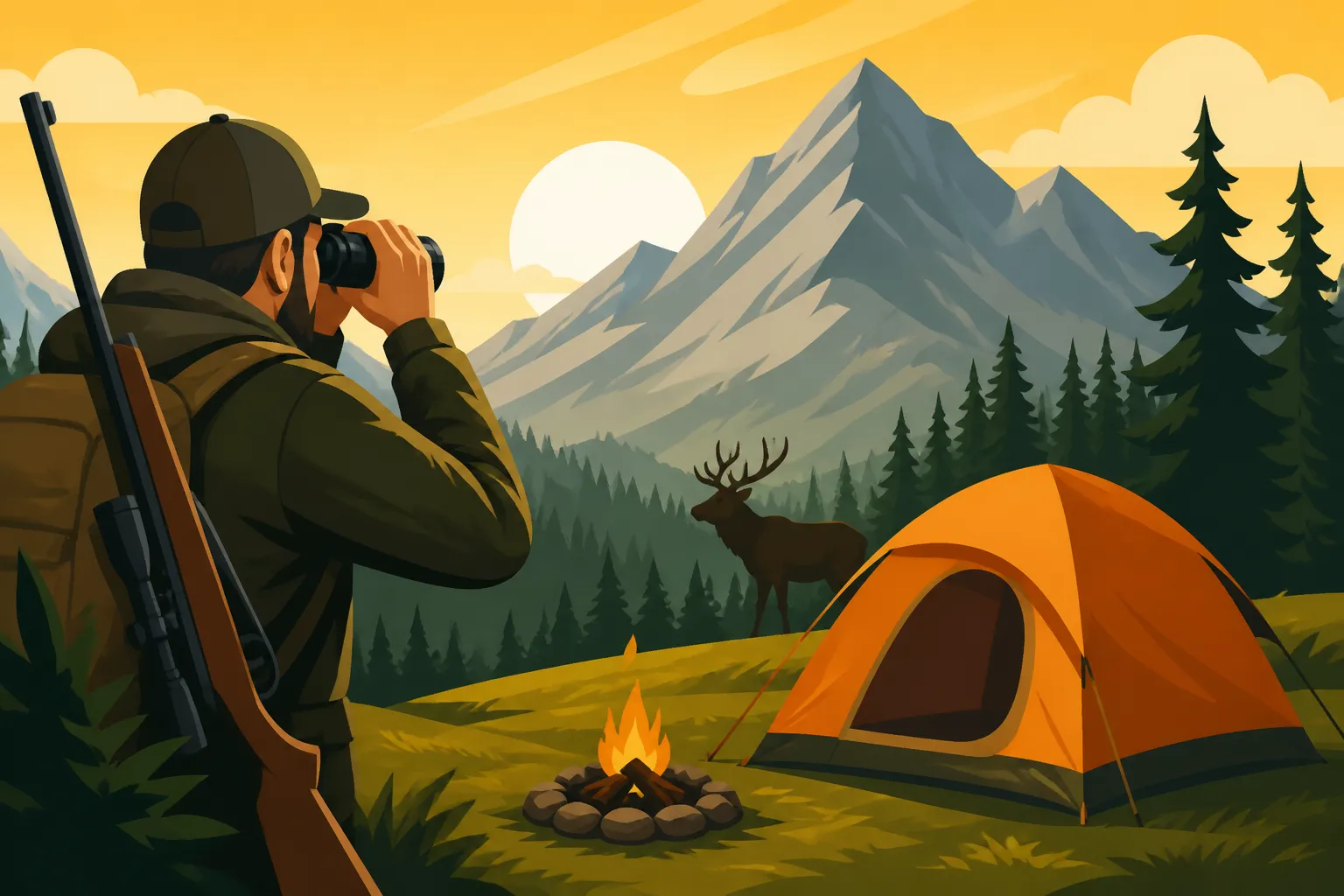
Alberta Random Camping on Crown Land
There's a unique kind of freedom that comes with tossing a few essentials into the truck, pointing it down a gravel road, and knowing you can pull over and set up camp wherever the wild calls you. But in Alberta, the idea of "random camping" on Crown Land can feel a bit like navigating a maze of invisible lines and whispered rules. This guide is all about cutting through that confusion, helping you understand exactly where, how, and with what considerations you can experience the incredible solitude and beauty of Alberta's public lands for an unforgettable random camping adventure.
Understanding Alberta's Crown Land System
Before you even think about throwing a tent down, it's really important to grasp the basics of how Alberta's public lands are categorized. It’s not just one big, open wilderness; there are different designations that come with different rules, and knowing them is the key to a legal and enjoyable trip. Getting this wrong can lead to fines, frustrating encounters, or even unknowingly impacting sensitive habitats.
Green Area vs. White Area Distinction
In Alberta, all land is broadly divided into two main categories: the Green Area and the White Area. The Green Area is essentially the province's forested and mountainous regions, primarily managed for timber production, recreation, and watershed protection. This is where the vast majority of true Crown Land exists, and consequently, where most random camping opportunities lie. When people talk about "the bush" or "the backcountry," they're almost always referring to the Green Area.
The White Area, on the other hand, is the settled agricultural and urbanized regions of the province. While there are still pockets of Crown Land within the White Area – often river valleys, undeveloped parcels, or small natural areas – these are far fewer and far between. Many of these smaller Crown parcels in the White Area are either subject to specific local bylaws, are surrounded by private land making access tricky, or are simply not suitable for random camping. You really need to be careful and do your homework if you’re looking to camp in the White Area, as rules about Alberta Landowner Permission Law become paramount, even if you technically find Crown land.
Public Land Use Zones (PLUZs)
Within the Green Area, you'll find a further designation called Public Land Use Zones, or PLUZs. These are specific areas established to manage recreational use and industrial activity on Crown Land more intensely. Think of them as large, designated outdoor playgrounds where certain activities, like random camping, are explicitly allowed but often come with more specific guidelines than general Crown Land. They're designed to concentrate and manage user impacts to protect the environment.
PLUZs are incredibly popular for all sorts of recreational pursuits, from hiking and horseback riding to ATVing and, of course, random camping. The benefit of a PLUZ is that the rules are usually clearly defined, and there are often established trail systems or access points. However, because they are popular, they can experience higher traffic, especially on long weekends. It's crucial to check the specific regulations for the PLUZ you plan to visit, as rules can vary regarding things like length of stay, fire restrictions, or even where you can park your vehicle for an overnight stay. Understanding Alberta's Public Land Use Zones is essential for a compliant trip.
Grazing Leases and Recreational Access
Another significant portion of Alberta's Crown Land is allocated as grazing leases, particularly in the foothills and prairie regions. These are parcels of public land that the provincial government leases to ranchers for livestock grazing. This often creates confusion for recreational users, as it's still Crown Land, but it's under a lease agreement that grants the leaseholder certain rights and responsibilities.
You can typically access grazing leases for recreation, including random camping, but there's a very important caveat: you must first obtain permission from the leaseholder. This isn't just a polite courtesy; it's a legal requirement. Imagine showing up to set up camp only to find a herd of cattle or a protective rancher who doesn't know you're coming. It creates conflict and can even be dangerous for both you and the livestock. Always make the effort to contact the leaseholder beforehand. The province even has resources, like the Using Alberta's Recreational Access Mapping Tool, to help you find contact information for leaseholders in certain areas, though sometimes it still comes down to simply Finding a Grazing Leaseholder's Contact and having a respectful conversation.
Where Can You Actually Random Camp?
So, with the different land designations in mind, where does that leave us for actual random camping? It's about finding that sweet spot between legal access and environmental responsibility, ensuring your adventure doesn't become a headache for you or the land.
Unrestricted Public Land
The true essence of random camping in Alberta is found on unrestricted public land within the Green Area, outside of designated PLUZs or active grazing leases. This is where you have the most freedom, with fewer specific rules beyond the general land use regulations. On these lands, you can literally pull off a forestry road, find a suitable spot, and pitch your tent. It's the kind of camping that lets you truly immerse yourself in the wilderness, away from crowds and formal campgrounds.
However, "unrestricted" doesn't mean "unregulated." You're still expected to follow general principles of responsible land use. This includes things like not cutting down live trees for firewood, properly disposing of human waste, and ensuring your camp doesn't impact any water sources. Access can be a challenge on these lands, as they often lack developed trails or clear signage. You might find yourself bushwhacking or navigating old logging roads, which requires good preparation and navigational skills. Always carry reliable maps and a GPS, especially when venturing deep into these less-travelled areas.
Designated Camping Areas and How They Differ From Random
It's important to distinguish between "random camping" and staying in a "designated camping area" on Crown Land. Many PLUZs, for instance, have specific designated campsites or camping zones. These might be rustic, with little more than a fire ring and a clearing, or they could be more developed with outhouses and picnic tables. While they are still on Crown Land, staying in one of these spots isn't truly "random camping" in the traditional sense, as you're using a pre-determined site.
The rules for designated areas are typically more structured. You might be required to register, pay a small fee (though many are free), or adhere to specific length-of-stay limits that are strictly enforced. The benefit is convenience and often easier access. The downside, if you're seeking solitude, is that you'll likely be near other campers. These areas serve a different purpose, providing a managed experience, whereas random camping is about finding your own slice of wilderness. If you’re unsure, always check the specific PLUZ or park website for the area you intend to visit.
Areas to Avoid for Camping
Just as important as knowing where you can random camp is knowing where you cannot. There are several types of land where random camping is explicitly prohibited or highly discouraged for various reasons. Firstly, National Parks (like Banff or Jasper) and Provincial Parks are generally off-limits for random camping; they have their own established campgrounds or specific backcountry permit systems. Trying to randomly camp in these areas will almost certainly result in a fine.
Secondly, private land is always off-limits unless you have explicit permission from the landowner – the Alberta Trespass Act and Hunting applies to camping just as it does to hunting. This is where a good land ownership map, like those found on Reading Alberta's Crown Land Layers on onX, becomes absolutely invaluable. Military training areas, certain industrial sites, and specific wildlife protection zones are also no-go areas. Lastly, avoid camping within a certain distance of residences, active workplaces, or primary roads, as this can be seen as a nuisance or safety hazard. Respect for property and safety should always be a top priority.
Rules and Regulations for Random Camping
Even though it’s "random" camping, there are still rules to follow. These aren't just arbitrary guidelines; they're in place to protect the environment, ensure public safety, and allow everyone to enjoy these shared resources responsibly. Ignoring them can have serious consequences.
Length of Stay and Group Size Limits
On most unrestricted Crown Land in Alberta, there's a general guideline for random camping that suggests a maximum stay of 14 days in any one location. This isn't always strictly enforced in very remote areas, but it's a good principle to follow to prevent long-term environmental degradation and to ensure fair access for everyone. Overstaying can lead to the creation of semi-permanent camps, which can cause significant localized impact and often leaves behind garbage or human waste.
While there isn't a hard and fast rule on group size for random camping on general Crown Land, common sense and a respect for the wilderness should prevail. Large groups naturally create a larger footprint. If you're planning a big group outing, consider splitting into smaller, more manageable camps, or better yet, look for a designated group camping area that can accommodate you. The spirit of random camping is often about solitude and minimal impact, which is harder to achieve with a massive gathering. Always remember, the more people, the greater the potential for impact, so scale your group accordingly.
Fire Restrictions and Safety
One of the greatest joys of camping is a crackling campfire, but it’s also one of the biggest risks, especially in Alberta’s dry forests. Fire restrictions are a serious matter here, and they can change rapidly depending on weather conditions. There are different levels of fire bans, from advisories to full bans, and they are rigorously enforced. Violating a fire ban can result in substantial fines and even jail time, not to mention the devastating potential for a wildfire.
Before every trip, without fail, check the current fire bans and restrictions for the region you’re heading into. Alberta Parks and Environment and Parks websites are excellent resources, as are local forestry offices. Even when fires are permitted, always use existing fire rings if available, keep your fire small and manageable, never leave it unattended, and ensure it is dead out before you leave – cool to the touch. It's a good practice to carry a small shovel and a bucket for extinguishing fires safely. For more detailed information on specific guidelines, referring to Camping Rules on Alberta Crown Land can provide important context.
Vehicle Use and Off-Highway Vehicles OHVs
How you use your vehicle, especially off-highway vehicles (OHVs) like ATVs, side-by-sides, and dirt bikes, on Crown Land is highly regulated. In the Green Area, particularly within PLUZs, there are often specific trail networks designated for OHV use, and it's imperative to stay on these marked trails. Going off-trail can damage fragile ecosystems, spread invasive species, and disturb wildlife. Many PLUZs have strict rules about where OHVs can and cannot go, and these are enforced by conservation officers.
For general vehicle access, stick to established roads and tracks. Driving off-road to access a random camping spot is generally not permitted and can also cause significant environmental damage. Remember that Vehicle Rules on Alberta Crown Land apply, and these are not just suggestions. If you're bringing an OHV, make sure it's properly registered, insured, and that you understand the specific rules for the area you're visiting. Park your vehicle responsibly, ensuring it's not blocking access for others or creating a hazard.
Minimizing Your Impact and Practicing Leave No Trace
The privilege of random camping on Alberta's Crown Land comes with a profound responsibility: to leave no trace. This isn't just a catchy phrase; it's a set of principles designed to minimize human impact on the environment, preserving its beauty and ecological integrity for future generations.
Waste Management and Packing It Out
One of the most critical aspects of Leave No Trace is proper waste management. The golden rule is simple: if you pack it in, you must pack it out. This includes all garbage – food wrappers, cans, bottles, and even seemingly innocuous items like fruit peels and nut shells, which can take a long time to decompose and attract wildlife. Bring sturdy garbage bags and be prepared to carry out everything you bring with you.
Human waste also needs to be managed properly. Away from water sources (at least 60 meters or 200 feet), dig a small "cathole" about 6-8 inches deep for solid waste, and then cover it completely. Pack out all toilet paper; don't bury it. For dishwater, use biodegradable soap sparingly and scatter the water widely, again away from water bodies, to allow the soil to filter it. The goal is to leave your campsite looking as if no one was ever there, a principle that ties directly into respectful use of Hunting Alberta's Crown Land.
Campsite Selection and Impact Reduction
Choosing the right campsite is crucial for minimizing your impact. Look for existing clearings or hardened surfaces rather than creating new ones. Avoid camping directly on sensitive vegetation, near water sources, or in areas that show signs of heavy use or erosion. The ideal campsite is durable, out of sight, and doesn't require you to alter the environment significantly.
When setting up, keep your camp compact. Avoid spreading out over a large area, which can inadvertently damage more vegetation. If you're having a fire (and fires are permitted), use an existing fire ring. If there isn't one, consider if a fire is truly necessary or if a small, contained fire in a portable pit is a better option. Remember, even setting up a small camp can disturb the immediate area, so choose wisely and tread lightly. Even something as simple as where you hang a stand for hunting is covered by Treestand Rules on Alberta Public Land, showing how broad these rules can be.
Wildlife Encounters and Food Storage
Alberta is wild country, and encountering wildlife is part of the experience. From curious deer and foraging bears to elusive wolves, you're sharing the landscape with incredible animals. It's paramount to respect their space and ensure your actions don't habituate them to humans or human food. Never feed wildlife, intentionally or unintentionally.
Proper food storage is non-negotiable, especially in bear country. All food, scented items (like toiletries), and garbage should be stored in bear-resistant containers, hung from a tree (at least 10 feet high and 4 feet from the trunk), or secured in your vehicle (if it’s a hard-sided vehicle). Cook and eat away from your sleeping area to minimize odors. If you encounter wildlife, keep a safe distance, make noise, and never approach them, especially mothers with young. Knowing what to do in case of a serious encounter is part of your Wildlife Safety in Alberta Bear Country plan.
Essential Gear and Preparation for Random Camping
Random camping means you're often far from amenities and immediate help. Your gear and your preparation are your lifelines. Don't skimp on quality or crucial items; your comfort and safety depend on it.
Navigation and Communication Tools
In the vastness of Alberta's Green Area, getting lost is a real possibility if you're unprepared. A reliable GPS device, whether a dedicated unit or a smartphone app, is absolutely essential. Apps like onX Hunt have revolutionized backcountry navigation, allowing you to clearly see property lines, topographic features, and even specific PLUZ boundaries. Always download offline maps for your intended area, as cell service is often non-existent in remote locations. Complement your GPS with a physical map and a compass, and know how to use them – batteries die, and electronics fail.
Beyond navigation, communication is key for safety. A satellite messenger or satellite phone is highly recommended for emergency situations. These devices allow you to send texts or emergency SOS signals even when out of cell range. Let someone know your itinerary, including your planned route and expected return time. This "trip plan" is a simple but vital safety measure. Many adventurers, myself included, consult resources like Scouting With Satellite Imagery in Alberta to plan routes and identify potential camping spots well before ever leaving home. For an even deeper dive into digital mapping, I also like to cross-reference with GoHunt’s mapping features to see different data overlays before I head out.
Shelter, Cooking, and Water Purification
Your shelter needs to be robust enough to handle Alberta's notoriously unpredictable weather. A quality tent that can withstand wind and rain is a must, even if the forecast looks clear. Consider the season; a four-season tent might be overkill for a summer trip, but a robust three-season tent is a good all-around choice. A tarp or fly can also provide extra protection and a covered cooking area.
For cooking, a lightweight and reliable camping stove is far superior to relying on open fires, especially with potential fire bans. Pack enough fuel for your trip. For water, never assume natural water sources are safe to drink without treatment. A portable water filter, purification tablets, or a small backpacking stove to boil water are essential for ensuring a safe drinking supply. Dehydration can quickly become a serious issue in the backcountry.
Emergency Supplies and Safety Kit
An emergency kit is not something to be overlooked. This isn't just a small first-aid kit, though that's a critical component. Think bigger: extra layers of clothing, a headlamp with spare batteries, a whistle, signaling mirror, a multi-tool or knife, fire starters (waterproof matches, lighter, ferro rod), and enough extra food for at least an extra day or two beyond your planned trip length.
Consider a compact emergency blanket or bivy sack, especially if you're venturing into more challenging terrain or cooler seasons. A small repair kit for your tent or gear can also be a lifesaver. Being self-sufficient is the core tenet of random camping, and a well-stocked emergency kit is a testament to that principle. Knowing What to Do If You Get Stuck in the Bush starts with having the right gear to wait out the situation safely.
Finding and Accessing Remote Crown Land Camping Spots
The thrill of random camping often comes from finding that perfectly secluded spot, far from the madding crowd. But this takes a bit of savvy, some research, and sometimes a willingness to get off the beaten path.
Using Mapping Tools Effectively
This is where technology really shines. Modern mapping apps are absolute game-changers for finding random camping spots. As I mentioned, onX Hunt is an invaluable tool for visualizing land ownership. You can switch layers to see private land, Crown Land, grazing leases, and even PLUZ boundaries. This allows you to identify large blocks of accessible public land from the comfort of your home. You can even drop pins on potential campsites, measure distances, and plan your routes. Many hunting and fishing apps also have similar functionalities, such as GoHunt, which can show you terrain features and historical satellite imagery to identify less-traveled areas.
Beyond land ownership, pay close attention to topographic maps and satellite imagery. Look for flat areas near water sources, but not too close (remember the 60-meter rule). Identify existing trails, old logging roads, or seismic lines that could provide access. Look for natural clearings or sparse timber that would make a good campsite. The more detail you can glean from maps before you go, the better your chances of success and the less time you'll spend driving aimlessly.
Scouting and Research Before You Go
Online maps are a fantastic starting point, but they can't tell you everything. Whenever possible, do some on-the-ground scouting, even if it's just a day trip, before committing to an overnight random camping trip. Drive the access roads, walk a potential trail, and get a feel for the terrain and conditions. This is especially important if you're looking for a spot during a busy season or on a long weekend.
Beyond physical scouting, good old-fashioned research can pay dividends. Talk to local residents, ask at gas stations or small-town cafes (respectfully, of course), or consult online forums for insights. Look for information about road conditions, recent logging activity, or any temporary access restrictions. Being informed can save you a lot of frustration and ensure you're heading into an area that truly offers the kind of experience you're seeking. Planning your trip carefully also helps you be prepared for potential challenges, whether it’s weather or rough terrain, allowing you to put together A Winter Truck Kit for an Alberta Hunt even if you are just camping.
Accessing Difficult Terrain
Sometimes, the best random camping spots are those that require a bit more effort to reach. This might mean hiking in a few kilometers from the nearest road, or navigating rough, unmaintained tracks with a high-clearance 4×4 vehicle. Don't underestimate the challenges of Alberta's backcountry roads; they can quickly turn from gravel to mud, especially with rain, and can be impassable for regular passenger vehicles.
If you plan to access remote spots, ensure your vehicle is up to the task and that you have appropriate recovery gear (tow strap, shovel, traction boards). Traveling with a second vehicle is always a good idea in very remote areas. If you're hiking in, be realistic about how much gear you can comfortably carry. Lightweight backpacking gear becomes essential for truly deep backcountry random camping. The more effort you put into accessing these spots, the greater the reward of solitude and untouched wilderness. This is often the case when seeking out pristine areas for Backpack Hunting Alberta's Bighorn Country.
| Aspect | Unrestricted Crown Land (Green Area) | PLUZs (Public Land Use Zones) | Grazing Leases | Provincial Parks / Private Land |
|---|---|---|---|---|
| Random Camping | Generally Permitted | Permitted (often in designated zones) | Permitted with Leaseholder Consent | Generally NOT Permitted |
| Access | Forestry roads, old trails, bushwhack | Designated roads/trails, often marked | Existing access roads, obtain consent | Designated entrances, no random access |
| Permits/Fees | No (unless specific area applies) | Often No (some exceptions) | No (but require consent) | Yes, for established sites |
| Length of Stay | ~14 days (guideline) | Varies by PLUZ (check regulations) | Varies, agree with leaseholder | Strict limits for campsites |
| Fire Rules | General provincial fire bans apply | Specific PLUZ rules, check bans | General provincial fire bans apply | Park-specific rules, check bans |
| Vehicle Use (OHV) | General rules, often off-trail limits | Specific designated trail networks | Respect livestock, limited off-road | Prohibited off-road, designated areas only |
| Privacy/Crowds | High potential for solitude | Moderate to High (can be busy) | Moderate (depends on leaseholder) | Low (designated sites) |
Disclaimer
This article is for general informational purposes only and does not constitute professional advice. Laws, prices and regulations vary by location and change over time. Consult a qualified professional for guidance on your specific situation.