Hunting Cold Lake Area Crown Land
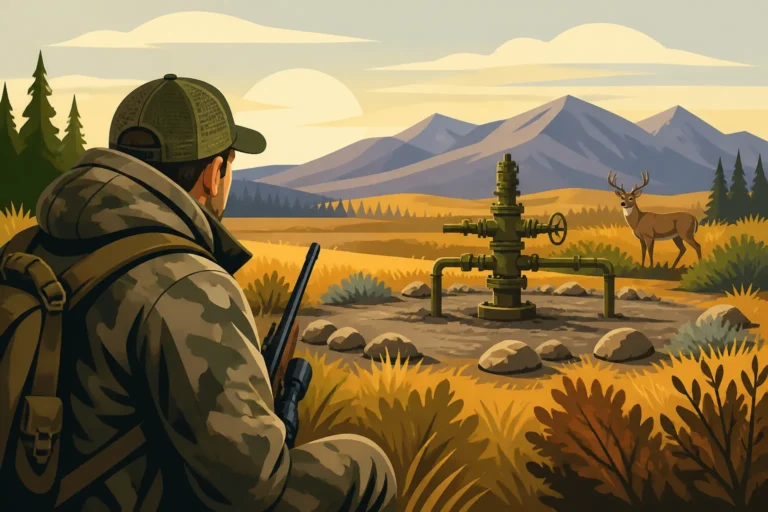
The vast and often challenging landscapes around Cold Lake in northeastern Alberta can be incredibly intimidating for hunters looking to explore its extensive Crown Land. It's a region defined by dense boreal forest, countless lakes, muskeg, and an intricate network of old logging roads and cutlines that can quickly become a maze. This guide is here to help you unravel the complexities of hunting the Cold Lake Area's Crown Land, providing practical advice on where to go, how to navigate, and what to expect when pursuing game in this wild corner of the province.
Understanding the Cold Lake Region's Landscape and Wildlife
The Cold Lake area, largely falling within Alberta's Boreal Forest natural region, presents a unique and often demanding environment for hunters. This isn't your open prairie or rolling foothills; this is big timber, broken by water and wetlands, where visibility is often limited and travel can be slow. But within these challenges lie immense opportunities for those willing to put in the effort.
Dominant Habitat Types and Their Influence on Hunting
The primary habitat you'll encounter around Cold Lake is boreal forest, characterized by a mix of spruce, pine, and aspen. Beneath the canopy, you'll find thick underbrush, making still-hunting a test of patience and stealth. Interspersed throughout this forest are countless lakes, rivers, and wetlands, particularly muskeg – boggy, often impassable terrain that can swallow a boot (or worse, a quad) in a heartbeat.
These diverse habitats dictate where game animals live and move. Moose, for instance, thrive in areas with abundant browse, often found along creek bottoms, around beaver ponds, and in regenerating cutblocks. Black bears are equally at home in this environment, using dense cover for bedding and foraging on berries and new growth in clearings. While not as numerous as in other parts of the province, whitetail deer can be found, particularly in areas where the boreal forest transitions or where there's some agricultural influence closer to human settlements. Understanding these habitat preferences is your first step to success. Moose Hunting Alberta's Boreal Forest offers more insight into targeting these majestic animals.
Key Game Species and Seasonal Opportunities
The Cold Lake area is primarily known for its moose and black bear hunting opportunities. These species are well-adapted to the boreal forest, and patient hunters can find tremendous success.
- Moose: The dense cover and plentiful water sources make this area prime moose country. Bulls can be incredibly elusive, moving silently through the timber. The rut in late September and October can be an exciting time for calling, but still-hunting remains a popular and effective method throughout the general season.
- Black Bear: Both spring and fall bear seasons offer excellent chances. The thick bush provides ideal habitat, and many hunters utilize bait sites, a common practice in Alberta, to draw bears into accessible areas. Others prefer spot-and-stalk tactics in recent cutblocks or along pipeline rights-of-way where bears forage on emerging vegetation. Black Bear Hunting in Alberta provides a broader overview of hunting these animals.
- White-tailed Deer: While not the trophy hotbed of the central parkland or agricultural zones, the Cold Lake region does hold whitetails. They tend to concentrate in areas with more mixed forest, edge habitat, and perhaps smaller clearings or agricultural fringe. Targeting them often means focusing on transition zones or thicker pockets where they seek refuge.
- Upland Birds: Don't overlook the potential for grouse! Ruffed grouse are abundant along old logging roads and creek edges, while spruce grouse prefer the denser conifer stands. Carrying a small game shotgun while big game hunting can add an extra layer of enjoyment to your trip.
Navigating and Accessing Crown Land in the Cold Lake Area
Accessing Crown Land in the Cold Lake area can be both straightforward and incredibly tricky. Much of it is publicly accessible, but knowing how to access it and where to go once you're there is key. This is where modern tools and local knowledge truly shine.
Utilizing Mapping Tools for Crown Land Identification and Navigation
Gone are the days of relying solely on paper maps and guesswork. Digital mapping applications are indispensable for hunting the Cold Lake region. Tools like onX Hunt and GoHunt provide invaluable layers that clearly delineate Crown Land from private holdings, identify trails, logging roads, and even topographic features.
Before you ever leave home, spend considerable time digitally scouting. Look for those dark green blocks indicating Crown Land. Identify major access roads, then zoom in to find secondary trails, seismic lines, or old cutlines that might lead deeper into productive areas. Pay attention to water features, elevation changes (even subtle ones in the boreal forest can funnel game), and recent logging activity. Mark potential parking spots, glassing points, or areas of particular interest. This pre-scouting will save you countless hours and frustrations in the field, helping you understand Scouting With Satellite Imagery in Alberta before you even get there.
Common Access Points and Vehicle Regulations
Access into the vast stretches of Crown Land often comes via main highways that branch off into secondary gravel or dirt roads, many of which are part of the active forestry network. Old logging roads, pipeline rights-of-way, and seismic lines form a grid that allows deeper penetration into the bush.
However, it's crucial to understand the rules. Not all forestry roads are open to public vehicle traffic, especially if active logging is taking place. Gates may be locked, or signage might indicate restricted access. Always respect these closures. For deeper access, ATVs or side-by-sides are often necessary. Be aware of Alberta's rules regarding Quad and Side-by-Side Rules on Crown Land, as there are restrictions on where and when these vehicles can be used, particularly within Public Land Use Zones (PLUZs) or during certain times of year to prevent habitat damage. Parking your truck and walking in is often the best strategy to escape pressure and find undisturbed game, particularly if you're targeting areas like Hunting a Cutline Intersection for Whitetails or Hunting Moose Along Cutlines and Seismic Lines.
Respecting Private Land Enclaves and Maintaining Access
Even within large blocks of Crown Land, you might encounter small pockets of privately owned land or grazing leases. It's incredibly important to identify these on your map and avoid trespassing. Always assume land is private until you can confirm it's Crown Land. If a fence or gate is present, it's generally a strong indicator of private ownership.
If you happen to find desirable hunting grounds adjacent to private land, try to gain permission from the landowner before your hunt. A simple knock on the door, well in advance of the season, can open up opportunities. Being respectful, offering to share your harvest, and leaving gates as you found them goes a long way in fostering positive landowner relations and securing future access. Remember that Asking a Grazing Leaseholder for Access is a privilege, not a right.
Effective Hunting Strategies for Cold Lake Species
Hunting in the Cold Lake area requires different tactics than open country. It's about patience, understanding animal behaviour in dense cover, and often, being prepared for physically demanding hunts.
Tactics for Moose and Black Bear in Thick Cover
For moose, the boreal forest lends itself well to still-hunting or methodical calling. During the rut, moose will respond to cow calls and bull grunts, but they might approach cautiously through the thick timber. Finding natural travel corridors, such as game trails leading to water sources or through narrow strips of timber between muskeg, can be highly productive. Focus on areas of regenerating browse, especially after a fire or logging, as these provide critical food sources. Calling a Bull Moose in the Rut or Raking Brush to Bring in a Bull can be effective, but remember to be patient.
Black bears, similarly, utilize the dense cover for bedding and security. In the spring, they often emerge onto south-facing slopes, pipeline rights-of-way, or cutblocks to graze on early green-up. In the fall, they'll be found focusing on berry patches and other mast crops. Baiting is a very common and effective strategy in this region; if you choose this method, be sure to understand all the regulations for Setting a Bear Bait Site in Alberta. Otherwise, look for fresh sign – scat, tracks, rubbed trees – in areas with good food sources and hunt patiently.
Locating and Pursuing Whitetails in Boreal Edges
While not as prevalent as moose or bear, whitetail deer can be found, particularly in the fringe areas where the boreal forest meets more open ground, or along major river systems. Look for areas with a mosaic of forest and small clearings, or where aspen stands dominate. Whitetails in this environment will often stick to thick cover during the day, using trails to move between bedding areas and feeding grounds.
Hunting these deer often involves focusing on pinch points, funnels, and trail intersections. Find a good vantage point overlooking a small clearing, a field edge, or a natural break in the timber, and be prepared to sit patiently. Drives can also be effective with a group, pushing deer from thick cover towards standers positioned along known escape routes. Pay close attention to recent logging activity, as these regenerated areas can provide both food and cover for deer. Hunting a Cutline for Moose at First Light or Reading Whitetail Sign in Alberta Aspen Bluffs can provide transferable insights.
Essential Gear and Safety for Cold Lake Hunts
Hunting the Cold Lake area's Crown Land means venturing into remote territory where self-sufficiency and preparedness are paramount. The terrain, combined with unpredictable weather, demands a well-thought-out approach to gear and safety.
Recommended Gear for Boreal Forest Hunts
Your gear choices can make or break your Cold Lake hunting experience. Here’s a quick rundown of essentials:
| Gear Category | Essential Items | Why It's Crucial |
|---|---|---|
| Navigation | GPS device (with fresh batteries), detailed paper maps, compass, digital mapping app (e.g., onX Hunt or GoHunt) | Redundancy is key. Electronics fail, batteries die. Knowing where you are is critical in dense, featureless bush. |
| Communication | Satellite messenger (e.g., InReach, Spot), fully charged cell phone (for limited service areas) | Cell service is spotty at best. A satellite messenger is your lifeline for emergencies and checking in. |
| Clothing | Layered system (moisture-wicking base, insulating mid, waterproof/windproof outer), waterproof boots, blaze orange | The weather can change fast. Staying dry and warm is vital. Blaze orange is mandatory during rifle season. |
| Survival Kit | Fire starter, knife, first-aid kit, water filter/purification tablets, emergency blanket, cordage, headlamp | For unexpected overnights, injuries, or getting turned around. |
| Game Retrieval | Game bags, sharp knives, bone saw, rope, flashlight/headlamp, small pack frame or game cart (if terrain allows) | Quartering in the field is often necessary. Good quality gear makes the job easier and keeps meat clean. |
| Optics | Binoculars (8x or 10x), rangefinder | Essential for spotting game in thick cover, confirming species, and accurate shot placement. |
Remember that packing light is important for walking through dense bush, but never at the expense of safety items.
Dealing with Remote Conditions and Emergency Preparedness
The remoteness of many Cold Lake hunting areas means help can be a long way off. Always inform someone of your hunting plan – where you're going, your intended route, and when you expect to return. This is non-negotiable. What to Do If You Get Stuck in the Bush covers crucial advice.
Be prepared for adverse weather, even if the forecast looks good. Sudden downpours or early snowfalls are possible. Pack extra food, water, and emergency shelter. Know how to build a fire in wet conditions. If you get turned around, stay calm, consult your map and compass/GPS, and if necessary, stay put and signal for help using your satellite messenger. Bear spray is also a wise addition, as you are in active Wildlife Safety in Alberta Bear Country.
Responsible Hunting Practices and Wildlife Ethics
Hunting in a region like Cold Lake comes with a deep responsibility to the land and its wildlife. Practice ethical hunting by knowing your effective range, ensuring clean kills, and never wasting game meat. Always be sure of your target and what lies beyond it.
Pack out everything you pack in, leaving no trace of your presence. Respect other users of Crown Land, whether they are other hunters, trappers, or recreational users. Report any suspicious activity or poaching to local authorities. Our collective commitment to responsible practices ensures these wild places remain viable for future generations of hunters. Remember to always check current regulations for Alberta Hunting Licences and What They Cost and Alberta Big Game Season Dates before heading out.
Regulations and Access for the Cold Lake Area
Navigating the rules and specific access points around Cold Lake requires attention to detail. The region is covered by various Wildlife Management Units (WMUs), and each has its own nuances.
Specific WMUs in the Cold Lake Region
The Cold Lake area primarily falls within WMUs that are part of the Boreal Forest region, such as WMU 512, 514, and potentially extending into others depending on your exact location. These WMUs generally have robust populations of moose and black bear.
It's critical to review the specific Alberta Hunting Regulations for the current year, paying close attention to the WMUs you plan to hunt. Season dates, bag limits, and specific regulations (e.g., antler point restrictions, CWD testing requirements in certain zones) can vary significantly between WMUs. The provincial government's online Recreational Access Tool can also be invaluable for identifying specific land types and access restrictions. This will give you a clearer picture than just broadly looking at Alberta's Wildlife Management Units.
Landowner Permission and General Access Rules
While much of the Cold Lake area is Crown Land, adjacent private parcels or even certain lease lands might exist. Under Alberta law, obtaining permission from the landowner is legally required before hunting on private land. This includes retrieving game that has crossed onto private property. Respecting private land boundaries is not just a legal obligation but a cornerstone of positive hunter-landowner relations.
On Crown Land, general access is permitted, but specific rules apply in Public Land Use Zones (PLUZs) if you venture into those, or on certain dispositions (e.g., oil and gas leases, forestry blocks) where specific company policies might be in effect. Always look for signage and err on the side of caution. If in doubt about access to a specific parcel, contact the local Fish and Wildlife office or the area's land management authority. Knowing Finding Access on Alberta Crown Land is crucial for a successful and legal hunt.
Important Regulations to Remember
Beyond general season dates and bag limits, a few key regulations are especially pertinent to the Cold Lake area:
- Blaze Orange: During any open rifle season for big game, all hunters (except migratory game bird hunters and bowhunters during bow-only seasons) must wear a minimum of 400 square inches of blaze orange or red visible from all directions. This is a crucial safety measure in dense bush where visibility is limited.
- CWD Testing: Depending on the specific WMU, there might be mandatory chronic wasting disease (CWD) submission requirements for deer and/or moose heads. Check the regulations to see if your chosen WMU falls under this requirement and where the drop-off freezers are located for Alberta's Mandatory CWD Submission WMUs.
- Baiting: While legal for black bears in specific WMUs, there are strict rules governing the use of bait, including notification requirements and specific distances from roads or residences. Ensure you understand and follow these rules precisely. Rules on Baiting Big Game vary by species and location.
By thoroughly researching your WMU, understanding the terrain, preparing your gear, and embracing ethical practices, you’ll find that hunting the Cold Lake area's Crown Land can be an incredibly rewarding experience, connecting you deeply with Alberta's wild boreal heart.
Disclaimer
This article is for general informational purposes only and does not constitute professional advice. Laws, prices and regulations vary by location and change over time. Consult a qualified professional for guidance on your specific situation.