Alberta Mountain Sheep Outfitters
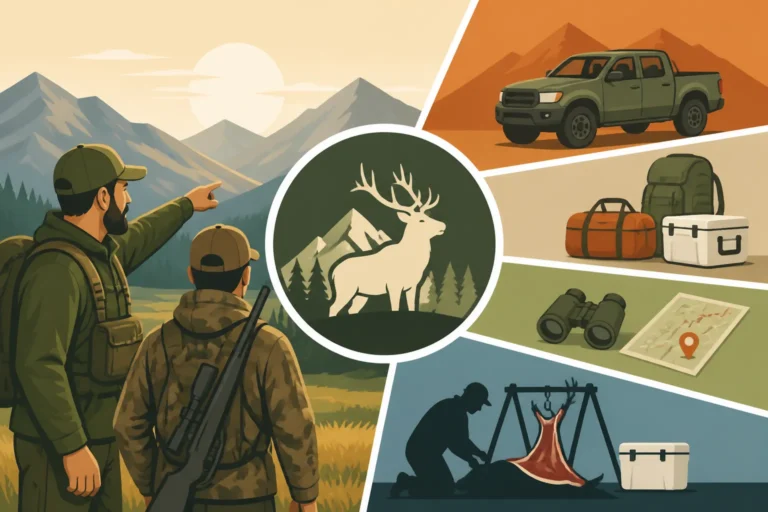
Hunting for mountain sheep in Alberta is often seen as the pinnacle of big game hunting, but the reality is, it's one of the most physically demanding, logistically complex, and elusive hunts you can undertake. Many aspiring sheep hunters feel overwhelmed by the sheer scale of the challenge—from securing a licence to navigating vast, rugged wilderness and knowing where to even begin looking for these magnificent animals. This comprehensive guide is here to shed light on the vital role of Alberta mountain sheep outfitters, helping you understand why they are often the key to a successful and safe hunt for bighorn sheep in our stunning, unforgiving mountains.
The Allure of Alberta Mountain Sheep Hunting
There's something truly magnetic about the idea of hunting bighorn sheep in Alberta. It's more than just a hunt; it's an odyssey into some of the most spectacular, yet challenging, landscapes our province has to offer. For many, it represents the ultimate test of physical endurance, mental fortitude, and hunting skill, pushing individuals to their absolute limits and rewarding them with an experience unlike any other.
The Ultimate Big Game Quest
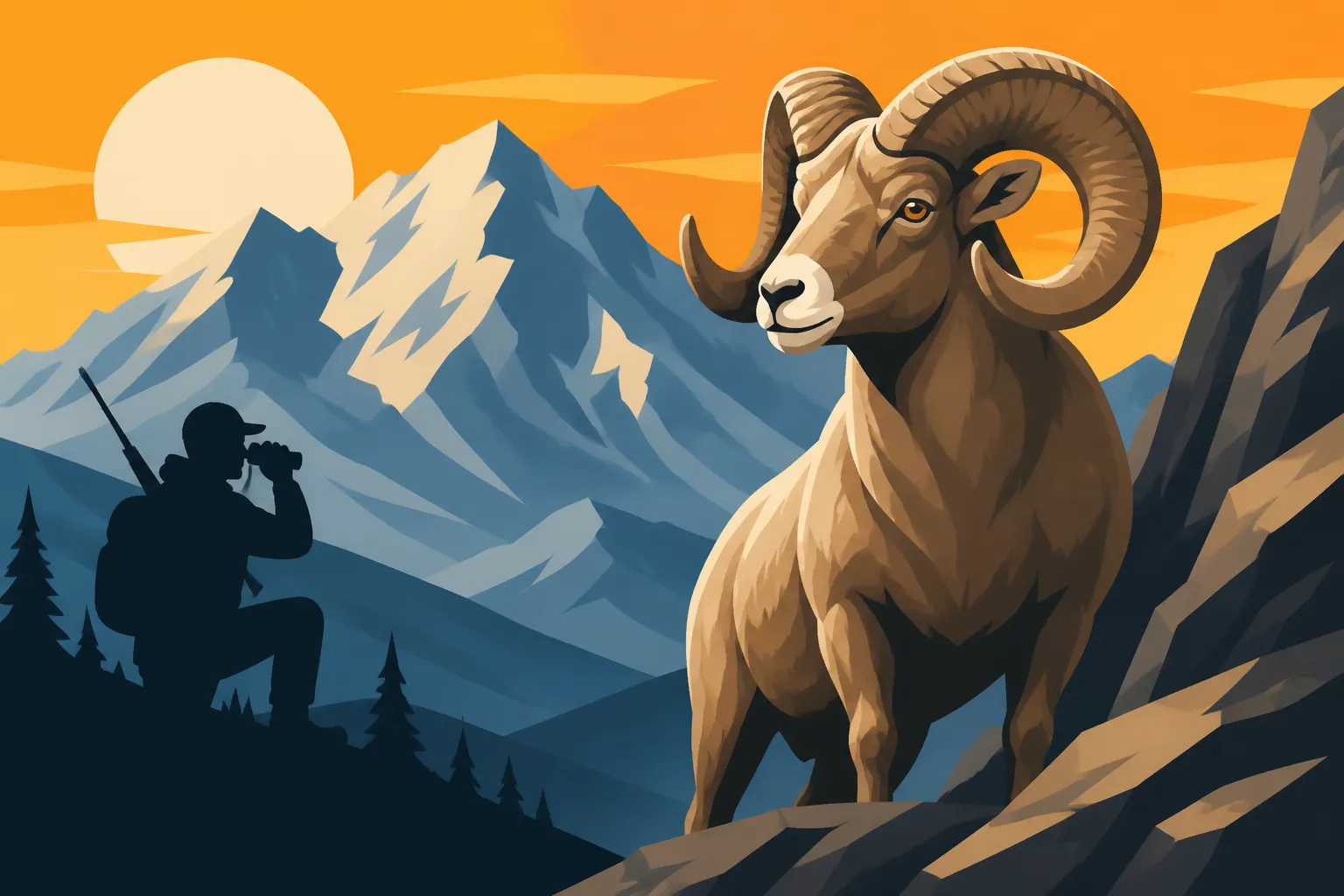
Picture this: you're perched on a windswept ridge, several thousand feet above the valley floor, glassing through crisp mountain air as the first rays of dawn paint the peaks. Below you, vast stretches of timber, rock slides, and alpine meadows unfold, pristine and wild. This is the domain of the bighorn sheep, an animal that thrives in vertical country where few others dare to tread. Pursuing these incredible creatures isn't just about the trophy; it's about the journey itself. It's about days spent climbing, spotting, and stalking in terrain that demands respect and relentless effort. The sheer isolation, the breathtaking views, and the raw, untamed nature of the environment make every moment feel earned. It's an experience that carves itself into your memory, a true adventure that resonates with the primal spirit of the hunt.
The reward, beyond the stunning animal itself, is the profound sense of accomplishment that comes from succeeding in such a formidable environment. It’s a pursuit that often teaches you more about yourself than about the animal you're chasing. Many hunters speak of a deep spiritual connection to the land and the animal, an appreciation for the wild that goes beyond the harvest. It’s a hunt that can literally change your perspective, both on hunting and on your own capabilities.
Understanding the Odds and Limited Access
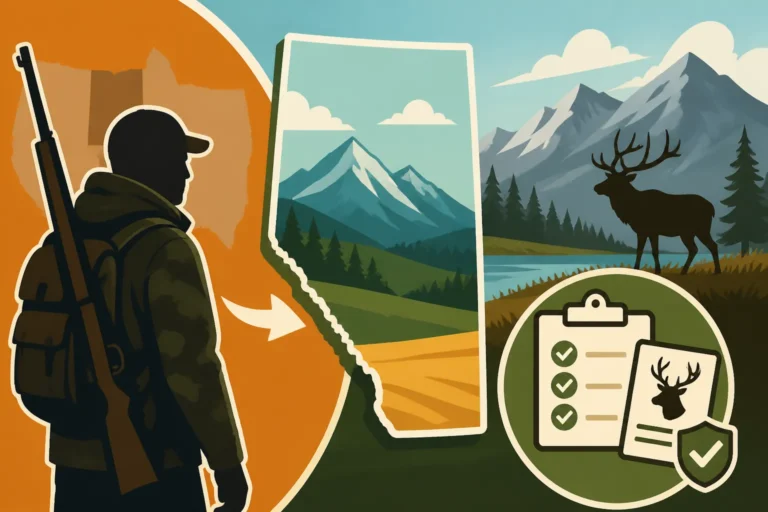
One of the biggest hurdles to mountain sheep hunting in Alberta isn't necessarily the physical challenge or finding the sheep; it's getting the tag in the first place. Alberta residents buy class 1 (trophy) sheep licences without entering a draw, while draws apply to resident class 2 sheep (draw 29) and a handful of WMU-special class 1 draws (410, 437, 444/446, 408 and 438). Alberta manages bighorn sheep carefully, a testament to the limited populations and the conservation efforts required to maintain healthy herds. Hunters who do enter the special WMU draws may build priority in some of them, but the trophy licence itself is not tied to decades of waiting.
For non-residents, the situation is more complex. Non-resident Canadians can apply in a once-in-a-lifetime class 1 sheep draw (draw 31), while non-resident aliens (non-Canadians) are required to hunt with a licensed Alberta outfitter to pursue big game species like bighorn sheep. Outfitters receive a specific allocation of these highly sought-after tags, which is their lifeline to offering these hunts. For non-Canadians, this means that even if you have the funds and the desire, securing a hunt depends on an outfitter having an available allocation. It highlights why understanding Alberta's Special Licence Draws and Bighorn Sheep Draw Rules and Limits is absolutely critical long before you even consider packing your bags. The dream of a mountain sheep hunt in Alberta starts with navigating this intricate system, and for many, that journey begins with a reputable outfitter.
Why an Outfitter is Essential for Mountain Sheep in Alberta
Given the extreme nature of mountain sheep hunting, relying on the expertise of an experienced outfitter isn't just a convenience for non-residents; it's often a critical factor for success and, more importantly, safety. The unique challenges of Alberta's high country demand specialized knowledge and logistical support that few individual hunters possess.
Navigating Access and Terrain
Alberta's mountain WMUs (Wildlife Management Units) are vast, rugged, and often devoid of conventional infrastructure. Access points can be few and far between, requiring specific knowledge of forestry roads, ATV trails, and often, only horseback or foot travel to reach sheep country. An experienced outfitter knows these areas intimately, understanding legal access points, private land boundaries, and the nuances of various public land use zones. They can navigate the intricate network of Alberta's Public Land Use Zones and identify the best routes into remote basins where sheep thrive.
Beyond mere access, the terrain itself is a formidable challenge. We're talking about steep scree slopes, treacherous rock slides, dense timber, and high alpine meadows that can change weather patterns in an instant. An outfitter's guides are seasoned mountaineers, proficient in traversing this difficult country safely and efficiently. They know where potential hazards lie, how to cross rushing creeks, and how to read the unpredictable mountain weather that can quickly turn a bluebird day into a whiteout. Their knowledge means less time lost searching for routes and more time focused on the hunt.
Expertise in Scouting and Strategy
Bighorn sheep are masters of their environment, blending seamlessly into their rocky surroundings and exhibiting specific movement patterns throughout the season. An outfitter's true value often lies in their years of dedicated scouting and intimate knowledge of sheep behavior within their hunting areas. They understand where sheep winter, where ewes and lambs typically range, and where the mature rams retreat during various times of the year. This isn't information you pick up in a weekend; it's accumulated over decades of boots-on-the-ground experience.
Their guides possess an uncanny ability to spot sheep in seemingly impossible places, utilizing high-powered optics to pick out a ram from miles away, often identifying its age and horn growth before you've even confirmed it's an animal. This expertise saves invaluable time and energy, ensuring you're focusing your efforts on productive areas. They also understand the intricate art of the stalk in wide-open, vertical terrain, knowing how to use the topography, wind, and cover to get within shooting range of an animal that has eyes like a hawk and ears like a deer. This strategic approach, refined over countless hunts, is paramount for success on such a challenging species.
Logistics and Safety in Remote Areas
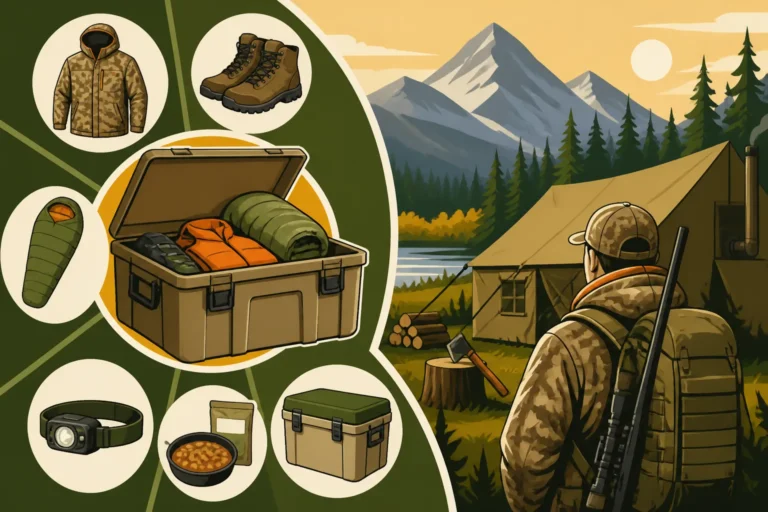
Hunting bighorn sheep demands a level of logistical planning that would humble many seasoned hunters. This isn't a day trip from the truck; it's often a multi-day expedition into true wilderness. An outfitter handles everything from pack horses to carrying in camp supplies, food, and emergency gear. They set up comfortable, yet functional, Wall Tent Camps in Alberta's Backcountry or strategic spike camps, ensuring you have a warm, dry place to rest after grueling days. Their equipment is robust and suited for mountain conditions, from sturdy tents to reliable communication devices like satellite phones or messengers, which are vital when cell service is non-existent.
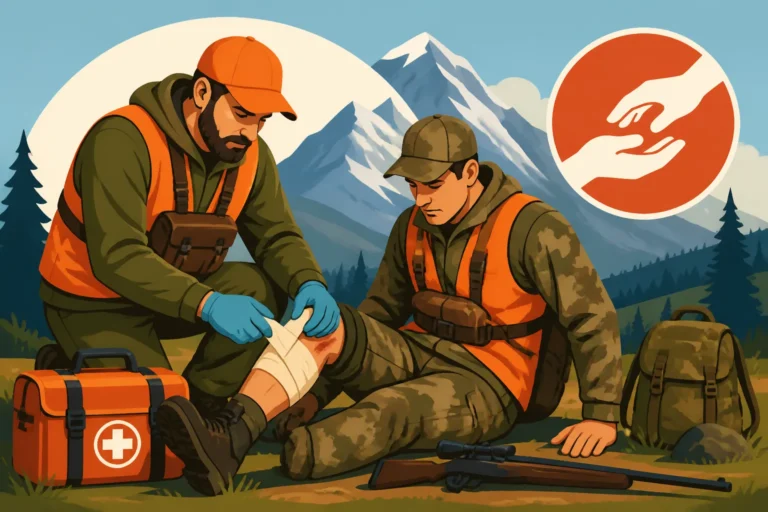
Safety is arguably the most critical component. When you're miles from the nearest road, a simple twisted ankle can become a life-threatening emergency. Outfitters are equipped and trained for these scenarios. They carry comprehensive first-aid kits, often have wilderness first-aid certifications, and have established emergency protocols. They understand the dangers of hypothermia, dehydration, and animal encounters, and know how to mitigate these risks. Knowing that an experienced professional is managing the logistics and has a plan for unforeseen circumstances allows you, the hunter, to focus entirely on the hunt, confident in the knowledge that you are in capable hands in such a wild and unforgiving environment.
Finding and Vetting the Right Alberta Mountain Sheep Outfitter
Embarking on a mountain sheep hunt is a significant investment, both financially and in terms of personal effort. Choosing the right outfitter is arguably the most critical decision you'll make, even more so than for other species, due to the specialized nature of the hunt and the limited availability of tags. Don't rush this process; diligence here will pay dividends.
Researching Reputable Outfitters
Start your search by looking for outfitters who specialize in mountain sheep. General big game outfitters might offer sheep hunts, but those who focus on them often have a deeper understanding and better success rates. A great starting point is the Alberta Professional Outfitters Society (APOS), which is the official regulatory body for outfitters in Alberta. Their website often provides lists of licensed outfitters and can be a good initial filter. Beyond official listings, online hunting forums, reputable outdoor magazines, and word-of-mouth recommendations are invaluable. Websites like BookYourHunt can also be a useful platform to browse various outfitters, compare their offerings, and read reviews from other hunters.
When you're sifting through potential candidates, pay close attention to their experience specifically with bighorn sheep. How many years have they been guiding sheep hunts? What percentage of their business is dedicated to mountain species? Look for consistent, positive feedback regarding their professionalism, the quality of their guides, and their commitment to client safety and ethical hunting practices. Remember, "reputable" isn't just about success rates; it's about the entire experience, from initial booking to the final farewell.
Key Questions to Ask Prospective Outfitters
Once you have a shortlist, it's time to start making calls. Don't be shy; this is your dream hunt, and you need to be fully informed. Here are some essential questions to ask:
- Experience of Guides: How much experience do your specific sheep guides have? Are they full-time mountain guides, or do they guide other species? What are their certifications (first aid, horsemanship, etc.)?
- Success Rates and Opportunities: What have your success rates been for full-curl rams over the last 3-5 years? What is considered a "shooter" ram in your program? What is the typical number of rams seen per hunt? (Be wary of anyone guaranteeing a harvest).
- Physical Demands: What is the average physical exertion required per day? How many miles and elevation gain can I expect? What level of fitness do you recommend?
- Logistics and Camp: What is the typical camp setup (lodge, wall tent, spike camp)? How do we access the hunting area (horseback, hiking, ATV)? What kind of food and gear can I expect? Will there be satellite communication?
- Trophy Care: What is the process for field dressing, caping, and packing out the trophy and meat? Do you assist with shipping or taxidermy?
- References: Crucially, ask for multiple references from hunters who have recently completed a sheep hunt with them. Call these references and ask detailed questions about their experience. Check out Questions to Ask Before Booking for more ideas.
Understanding Outfitter Allocations and Permits
For non-residents, understanding how outfitters acquire their tags is crucial. Alberta's system provides outfitters with specific "allocations" for certain big game species in designated WMUs. This means an outfitter doesn't just buy a tag when you book; they are granted a limited number of tags by the provincial government each year. These allocations are highly coveted, especially for species like bighorn sheep. This is why you often need to book a sheep hunt far in advance – sometimes years – as outfitters only have a finite number of tags to offer.
When speaking with an outfitter, confirm that they have the necessary allocation for the species and WMU you wish to hunt for the season you intend to book. This might seem like a minor detail, but without a valid allocation, they cannot legally offer the hunt to a non-resident. This system is designed to manage harvest levels and provide opportunities, but it also means that How Outfitter Allocations Limit Bookings is a very real factor in the availability of these high-demand hunts. Some outfitters also partner with booking agencies like BookYourHunt, which may show current availability and help simplify the process of finding an outfitter with an open allocation.
What to Expect on an Alberta Mountain Sheep Hunt
A guided mountain sheep hunt in Alberta is unlike most other hunting experiences. It's an immersive journey into truly wild country, demanding not just your best effort, but also a willingness to embrace discomfort and persevere through challenging conditions.
Physical Demands and Preparation
Let's be blunt: mountain sheep hunting is hard. It will likely be one of the most physically demanding things you've ever done. You'll be climbing steep grades at high altitudes, navigating loose rock and uneven terrain, often with a heavy pack, for many hours a day. The thin air at higher elevations will test your cardiovascular fitness, and your legs will burn. Outfitters often recommend a rigorous fitness regimen starting months, or even a year, before your hunt. This isn't just about being able to walk; it's about being able to walk efficiently, uphill, with a pack, and still have the stamina and mental focus to make a good shot when the opportunity arises.
Think about activities that build leg strength, core stability, and cardiovascular endurance: hiking with a weighted pack, stair climbing, trail running, and even CrossFit can be excellent preparation. Don't underestimate the importance of strong ankles and knees. Many outfitters will provide specific training recommendations because they know that your physical condition directly impacts your safety and your chances of success. It's not about being an Olympic athlete, but about being functionally fit for the mountains. You can learn more about specific requirements in articles like Fitness for an Alberta Sheep Hunt which detail the kind of preparation needed.
Typical Camp and Hunt Style
The style of camp and hunt can vary, but for true mountain sheep hunting, don't expect luxury lodges every night. Many hunts begin with a staged entry, often utilizing pack horses to get equipment and supplies into a base camp. This base camp might be a comfortable wall tent setup with a wood stove, providing a welcome respite from the elements. From there, depending on where the sheep are located and the specific strategy, you might move into "spike camps." These are minimalist, high-altitude camps—think small, lightweight tents or even just bivy sacks—designed to get you closer to the sheep and maximize hunting time at elevation. Horseback Outfitters in Alberta's Mountains frequently employ this system, using horses to cover ground and carry gear to remote locations.
The daily routine is typically rigorous: early mornings, often before dawn, to be glassing at first light. Days are spent methodically scanning mountain faces, then executing long, arduous stalks once a ram is located. You'll eat simple, high-energy meals, often packed lunches in the field. Evenings are for planning the next day, drying gear, and getting much-needed rest. It's a truly immersive experience, far removed from the comforts of civilization.
Trophy Care and Logistics Post-Harvest
Should you be fortunate enough to harvest a bighorn ram, the work isn't over. In fact, it's just beginning, especially in remote mountain environments. Proper field care of the meat and trophy is paramount to preserve its quality. Your guides are experts in this, meticulously caping the animal for a full shoulder mount, boning out the meat, and often splitting the skull plate to make it easier to pack. They understand the intricacies of Meat Care in Alberta's Cold and Warm Swings and how to prevent spoilage in varying mountain temperatures.
Packing out a bighorn can be an immense physical challenge, especially if horses aren't able to reach the precise location. Expect to carry heavy loads of meat and hide over difficult terrain. Once back at base camp, the outfitter will coordinate further transport of the meat to a local butcher or processing facility, and the cape and horns to a taxidermist. For non-residents, there are specific regulations for Taking Meat and Antlers Home Across the Border, and your outfitter will guide you through all the necessary documentation, ensuring a smooth process for getting your trophy and meat safely back home.
Costs and Considerations for a Guided Sheep Hunt
Let's address the elephant in the room: mountain sheep hunts are expensive. There's no getting around it. The unique challenges, specialized expertise, and limited availability contribute to this reality, making it a significant financial commitment for most hunters.
Understanding the Investment
When you look at the price tag of an Alberta mountain sheep hunt, it's easy to balk. However, it's important to understand what that investment covers. You're not just paying for a tag; you're paying for weeks, sometimes months, of scouting by the outfitter, specialized equipment (pack horses, tents, optics, satellite communication), the extensive knowledge and experience of highly skilled guides, and all the logistical support required to safely operate in some of the most remote and challenging terrain on the continent. The effort and resources an outfitter pours into ensuring a successful and safe sheep hunt are considerable.
The cost structure typically includes guide services, accommodation (tents or small cabins), meals in the field, transportation within the hunting area (often horses or ATVs), and initial field care of the trophy. However, it’s important to clarify exactly What a Guide Fee Actually Covers and what is explicitly not included. This might be where you see wide ranges in price, reflecting the level of luxury, the remoteness of the hunt, and the outfitter's reputation and success rate. Given the specialized nature, these hunts will always be at the higher end of the spectrum for big game.
Additional Expenses and Tipping
Beyond the base package price, there are several additional expenses you absolutely need to budget for. These typically include:
- Licences and Tags: The actual cost of your hunting licence and special sheep tag.
- Travel: Airfare to Alberta, ground transportation to the outfitter's rendezvous point, and potentially hotel stays before and after the hunt.
- Gratuities (Tips): Tipping your guides and camp staff is customary and expected. This is a significant additional cost and is a reflection of the hard work and dedication of the crew. Discuss with your outfitter or research How Much to Tip an Alberta Guide to budget appropriately.
- Meat Processing & Taxidermy: Costs associated with cutting, wrapping, and freezing your meat, as well as the mounting of your trophy.
- Shipping: The expense of shipping your meat and trophy home, which can be considerable, especially internationally.
- Gear: High-quality gear is non-negotiable for a mountain hunt. Expect to invest in top-tier boots, clothing layers, optics, and potentially a specialized rifle if you don't already own one.
- Pre-Hunt Preparations: This includes the cost of your fitness training, any specific medical checks, and potentially practice shooting to ensure you are proficient with your chosen weapon.
Factor these additional costs into your total budget from the very beginning to avoid any unpleasant surprises.
Planning Ahead and Booking Timelines
Due to the limited allocations and the high demand for mountain sheep hunts, booking well in advance is not just recommended, it's essential. Most reputable outfitters are booked out one to three years in advance, sometimes even further. If you have a specific year or season in mind, start your research and contact outfitters as early as possible. This also gives you ample time to prepare physically and mentally for the demanding hunt.
When you contact an outfitter, inquire about their deposit and cancellation policies. When Deposits Are Due and Whether They Refund can vary significantly. Most require a substantial deposit upfront to secure your spot, and these deposits are often non-refundable. It's also wise to consider travel insurance that specifically covers hunt cancellation, just in case unforeseen circumstances prevent you from going. Given the investment, planning ahead is not just about securing a spot, but about ensuring every aspect of your dream hunt is meticulously arranged.
Conclusion: Pursuing the Bighorn Dream
Hunting mountain sheep in Alberta is undeniably an experience for the truly dedicated, requiring significant investment in time, effort, and finances. The challenges are immense, from the sheer difficulty of getting a licence to the brutal physical demands of the terrain and the intricate logistics of operating in remote wilderness. But for those who answer the call of the mountains, the rewards are immeasurable: an unparalleled adventure, a deep connection with nature, and the ultimate sense of accomplishment from pursuing one of North America's most iconic big game species.
Working with a knowledgeable and experienced Alberta mountain sheep outfitter isn't just a requirement for non-residents; it's a strategic advantage for any hunter dreaming of a bighorn. Their expertise in access, terrain, sheep behavior, and safety logistics is often the difference between a dream realized and a costly, frustrating experience. Do your homework, ask the right questions, prepare yourself thoroughly, and with the right outfitter by your side, the majestic peaks of Alberta might just deliver the mountain sheep hunt of a lifetime.
Disclaimer
This article is for general informational purposes only and does not constitute professional advice. Laws, prices and regulations vary by location and change over time. Consult a qualified professional for guidance on your specific situation.