Horseback Outfitters in Alberta’s Mountains
Hunting Alberta's vast, rugged mountain ranges is an experience unlike any other, demanding a unique blend of physical endurance, wilderness skills, and often, the right partners to get you deep into the prime hunting grounds. For many, the sheer scale and remoteness of these areas mean that traditional foot hunting, while admirable, simply isn't feasible for extended periods or for packing out large game. This is where horseback outfitters become not just a luxury, but a necessity, providing access to incredible wilderness areas that are otherwise unreachable, opening doors to some of Alberta's most sought-after big game.
The Unique Appeal of Horseback Mountain Hunts in Alberta
The call of the mountains is strong, pulling many hunters to seek out the ultimate challenge and reward. Alberta's mountains offer breathtaking scenery, pristine wilderness, and the chance at truly magnificent animals. But unlike hunting in agricultural zones or even the relatively accessible foothills, the mountains present significant logistical hurdles. Horseback outfitters are the time-honored solution, providing the means to conquer distance and terrain.
Accessing Remote, Unpressured Territory
One of the biggest advantages of a horseback hunt in Alberta's mountains is the unparalleled access it grants to truly remote country. Picture this: days spent riding through winding river valleys, up steep mountain passes, and across high alpine meadows, leaving roads and human infrastructure far behind. This isn't just about covering ground; it's about pushing past the easily accessible areas that see heavy hunter pressure and reaching untouched pockets where game feels secure. The further you can get from vehicle access, the less competition you'll generally find, increasing your chances of encountering mature animals that haven't been pushed around by countless other hunters.
These are areas often designated as "backcountry" in a very real sense, places where the only sounds are the wind, the river, and the crunch of hooves on rock. Outfitters operating in these zones have special permits and long-standing experience traversing terrain that would humble even the most fit backpack hunter attempting to carry a week's worth of gear and then some. They know the game trails, the best crossings, and the safe routes through country that can be unforgiving. This deep penetration into the wilderness allows for hunting opportunities for species like bighorn sheep and mountain goat in their natural, isolated habitats. You're not just hunting; you're embarking on an expedition into truly wild Alberta.
The Traditional Mountain Hunting Experience
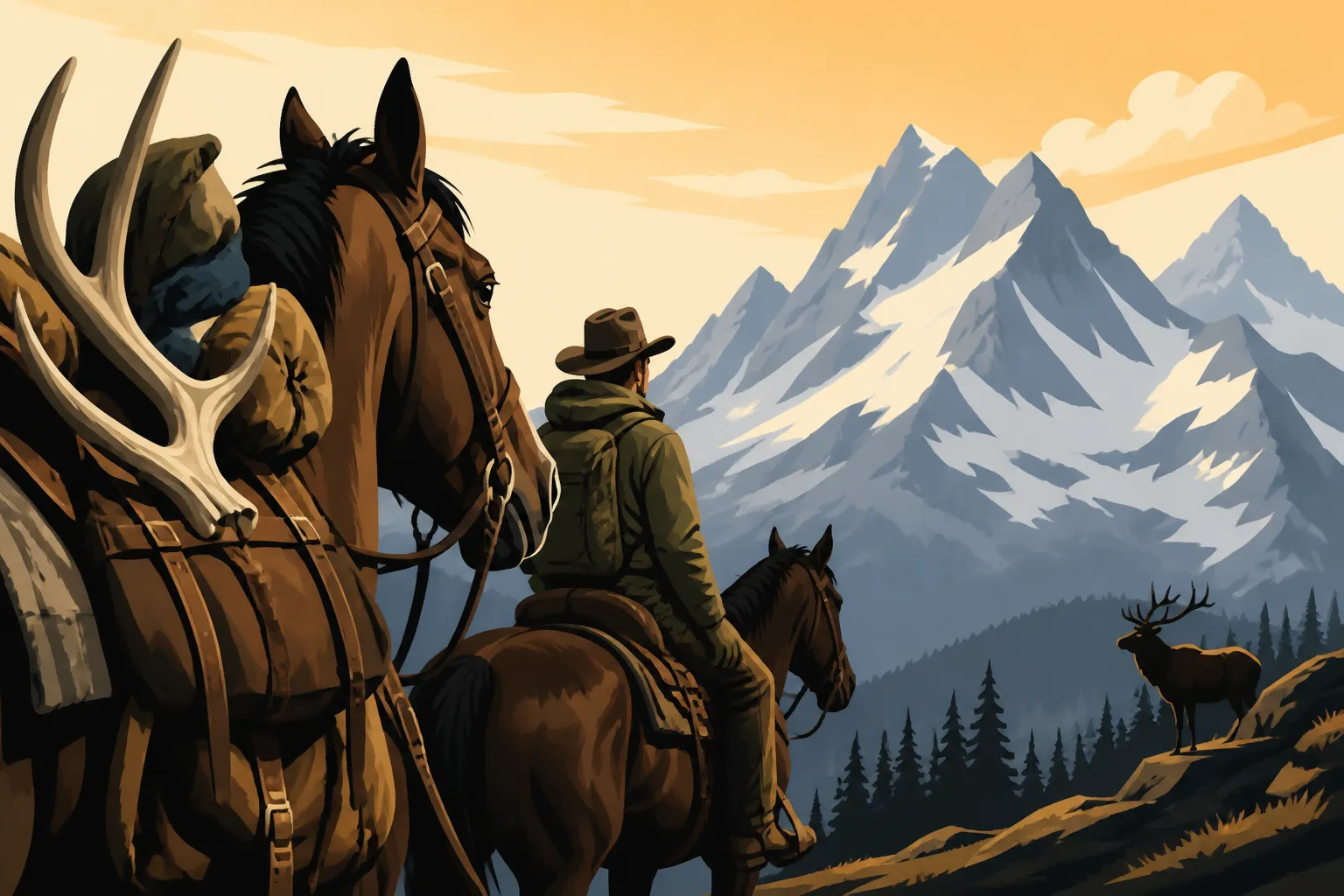
There's a romance to mountain hunting on horseback that connects you to generations of hunters who explored these same landscapes. It's a method steeped in tradition, where the rhythmic clip-clop of hooves replaces the rumble of an ATV, and campfire stories are told under a blanket of stars instead of a lodge roof. This isn't just a means to an end; it's an integral part of the experience. You become intimately familiar with your mount, learning to trust its footing on narrow trails and steep ascents. The day begins before dawn with the smell of wood smoke and coffee, followed by the familiar ritual of saddling up.
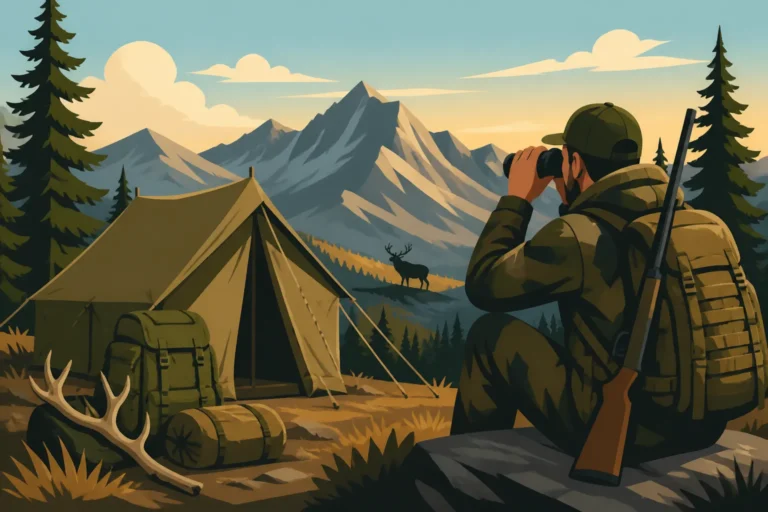
This traditional approach fosters a profound connection to the land and the hunt itself. It’s about more than just pulling a trigger; it’s about the journey, the physical demands, and the sheer effort required to earn your prize. Outfitter camps, often Wall Tent Camps in Alberta's Backcountry, are typically spartan but comfortable, designed to withstand the elements and provide a base from which to operate. There’s a camaraderie that builds among hunters and guides when everyone is sharing the same challenges and triumphs in such a demanding environment. It’s a chance to unplug, disconnect from the modern world, and fully immerse yourself in a primitive, yet incredibly rewarding, pursuit.
Species Targeted on Horseback Hunts
While almost any big game species can be pursued from a horseback camp if the terrain dictates, certain animals are almost synonymous with this mode of hunting in Alberta's mountains. Top of that list are the majestic Bighorn Sheep in Alberta's Mountains and the elusive Mountain Goat Numbers and Where They Live. These iconic mountain dwellers inhabit the most rugged and inaccessible terrain, making horses invaluable for reaching their high-altitude strongholds.
Beyond sheep and goats, horseback hunts are also highly effective for pursuing Elk in Alberta's Mountains and Farmland, particularly large bulls in the deep timber or expansive alpine bowls. Similarly, Moose Across Alberta's Boreal and Foothills can be targeted in specific mountain and foothills WMUs (Wildlife Management Units) where dense cover and swampy terrain make horses the only practical way to traverse the country and pack out a successful harvest. For hunters dreaming of a true mountain challenge and specific species that call these heights home, a horseback outfitter is the most realistic and often the only viable path to success.
What to Look For in an Alberta Horseback Outfitter
Choosing the right horseback outfitter is paramount to the success and safety of your mountain hunt. This isn't a decision to be taken lightly, as the quality of your outfitter directly impacts everything from your access to game to your comfort and safety in the backcountry. You're entrusting them with a significant investment of time and money, not to mention your well-being in a challenging environment.
Experience with Horses and Mountain Terrain
When evaluating potential outfitters for Horseback Access on an Alberta Sheep Hunt or any mountain hunt, their experience with both horses and the specific mountain terrain they operate in is non-negotiable. Don't be shy about asking direct questions. How long have they been operating in that particular WMU? How well do they know the specific mountain passes, river crossings, and game corridors? You need an outfitter whose guides are not only expert horsemen but also intimately familiar with the quirks and dangers of the local mountains. These areas can change rapidly with weather, and local knowledge is priceless.
A reputable outfitter will have a string of well-trained, mountain-savvy horses and mules that are accustomed to heavy loads, steep trails, and unpredictable wildlife encounters. These aren't your typical trail riding ponies; they are working animals, often seasoned veterans of countless backcountry trips. Ask about their horses – how they're trained, how many they bring, and their protocols for animal care and safety. A good outfitter prioritizes the health and well-being of their stock as much as their clients. Remember, your hunt can only go as far and as safe as the capabilities of the horses. Platforms like BookYourHunt can sometimes offer reviews or detailed profiles that speak to an outfitter's specific experience in these challenging environments.
Camp Setup and Logistics
The type of camp and the logistical support provided by a horseback outfitter are critical considerations. Mountain hunts are often spike-camp affairs, meaning smaller, more mobile camps established closer to the hunting action, sometimes even for just a night or two. However, most base camps will be more robust. Ask about the size and comfort of the wall tents, sleeping arrangements, heating, and cooking facilities. While you're not booking a five-star resort, a comfortable and functional camp is essential for recharging after long days in demanding terrain.
Beyond the physical camp, inquire about the overall logistics. How many horses are used for packing gear versus riding? What are their communication methods in the backcountry (satellite phones, inReach devices)? What are their emergency protocols in case of injury or severe weather? How do they handle meat care in remote locations, especially if you're successful early in the hunt? A truly professional operation will have these details meticulously planned, ensuring a smooth and safe experience from the moment you arrive until you depart. This attention to detail reflects their commitment to a successful hunt and your overall well-being.
Guide-to-Hunter Ratios and Support
The guide-to-hunter ratio is an important factor, especially when hunting challenging mountain species. For high-value, physically demanding hunts like bighorn sheep or mountain goat, a 1:1 (one guide per hunter) ratio is often preferred and sometimes essential. This allows for personalized attention, better stalking opportunities, and a more tailored hunt experience. For other species, or if you're hunting with a partner, a 2:1 ratio might be acceptable. Clarify this upfront, as it significantly impacts the dynamics of the hunt.
Furthermore, consider the support staff. Are there wranglers or camp cooks who stay at the base camp while the guides are out with hunters? This frees up the guides to focus solely on the hunting and ensures the camp runs smoothly. A well-supported camp means your guide isn't stretched thin between cooking, tending to horses, and guiding, allowing them to be fully engaged in finding and pursuing game. When you're Choosing the Right Alberta Outfitter, ensure they can provide adequate staffing for the type of hunt they offer. Don't underestimate the value of having fresh, rested guides and a well-maintained camp when you're exerting yourself daily in tough mountain conditions.
Preparing for Your Horseback Mountain Adventure
A successful horseback mountain hunt in Alberta requires more than just showing up with your rifle and a hopeful attitude. It demands preparation – physical, mental, and logistical – to ensure you're ready for the rigors of the backcountry and the demands of hunting in challenging high-elevation environments.
Physical Conditioning and Riding Experience
Let's be real: while the horse does most of the walking, a mountain hunt is far from a passive ride. You'll be spending long hours in the saddle, often traversing steep and uneven terrain. This means you need a reasonable level of Fitness for an Alberta Sheep Hunt or any other mountain species. Core strength, leg endurance, and a certain degree of flexibility will make your time in the saddle much more comfortable and less fatiguing. If you're not an experienced rider, consider taking some lessons or going on a few trail rides beforehand to get accustomed to being on a horse for extended periods. Even seasoned riders can benefit from a refresher.
Beyond riding, you'll be dismounting frequently to glass, stalk, and navigate difficult sections on foot. Mountain hunting often involves significant elevation changes, so your cardiovascular fitness is crucial. The thin air at higher altitudes can be surprisingly taxing. Incorporate hiking with a weighted pack into your training routine, focusing on ascents and descents. The better your physical condition, the more you'll enjoy the hunt, and the more capable you'll be when that critical moment for a long stalk or a difficult pack-out arises.
Essential Gear for the Backcountry
Packing for a horseback mountain hunt requires a balance of preparedness and practicality. You'll need durable, layered clothing suitable for rapidly changing mountain weather, which can swing from warm sunshine to freezing rain or snow in a matter of hours. Think moisture-wicking base layers, insulating mid-layers, and waterproof/windproof outer shells. Good quality broken-in boots that are comfortable for both riding and extensive walking are paramount. Remember, wet, blistered feet can ruin a hunt faster than almost anything else.
Beyond clothing, critical items include a reliable backpack for day hunts, a quality spotting scope and binoculars, rangefinder, headlamp, first-aid kit, and personal hygiene items that are appropriate for a backcountry camp. Your outfitter will provide a packing list, and it's essential to stick to it. Overpacking creates unnecessary weight for the horses, while underpacking can leave you vulnerable to the elements. Don't forget a durable water bottle or hydration bladder. For specific guidance, review lists like What to Bring to a Hunting Camp. Remember that every item needs to be secured and weatherproofed for travel on horseback, often in soft-sided bags.
Understanding Mountain Weather and Safety
The mountains are beautiful but unforgiving, and understanding their volatile weather patterns is critical for both success and safety. Be prepared for anything: sunshine, rain, snow, hail, and strong winds are all possible, sometimes all in the same day. Layering your clothing is key to adapting to these shifts. Discuss the typical weather patterns for your hunt dates with your outfitter beforehand.
Safety is paramount. Your outfitter will have safety protocols in place, but you also have a personal responsibility. Listen to your guide, follow their instructions regarding horse handling, and always be aware of your surroundings. The terrain can be treacherous, and injuries in remote areas are serious. Understand the signs of hypothermia and dehydration, and how to prevent them. Familiarize yourself with basic wilderness first aid. Your outfitter should outline their communication plans and emergency procedures, but it's always wise to carry your own personal locator beacon or satellite messenger for peace of mind in areas where cell service is non-existent. Hunting Alberta Winter Weather Safely is a good resource, even for early fall hunts, as mountain conditions can mimic winter quickly.
The Hunt Itself: Day-to-Day Realities
Once you’re in the mountains, the rhythm of the hunt takes over. Days are long and physically demanding, but punctuated by moments of awe-inspiring beauty and the thrill of the chase. This is where your preparation truly pays off.
Daily Routine and Riding Distances
A typical day on a horseback mountain hunt often begins before dawn, with a hearty breakfast around the campfire as the guides prepare the horses. You'll usually be in the saddle shortly after first light, heading out to glassing points or known game areas. Riding distances can vary significantly depending on the terrain and where the game is located. Some days might involve a relatively short ride to a high ridge, followed by extensive hiking on foot. Other days could see you covering many miles on horseback, traversing valleys and ascending steep trails.
The key is flexibility. Mountain hunting is dynamic, and plans can change based on weather, game movement, or unexpected terrain challenges. Be prepared to spend full days in the saddle, often without returning to the main camp until dusk. Lunch is usually packed and eaten on the trail. The evening brings the welcome return to camp, a warm meal, and sharing stories of the day's events around the fire. This is a lifestyle, not just a trip, and embracing the routine is part of the adventure.
Spotting, Stalking, and Shooting in the Mountains
The majority of mountain hunting success hinges on effective glassing. Guides will lead you to strategic vantage points where you'll spend considerable time behind your optics, meticulously scanning distant slopes, alpine basins, and timber edges for any sign of game. This requires patience and a keen eye. Optics are your most important hunting tool, and quality binoculars and a spotting scope are absolutely essential.
Once game is spotted, the real work begins: the stalk. This can involve anything from a mile-long hike across open country to a challenging climb up a scree slope, all while trying to remain undetected and navigate unforgiving terrain. Mountain stalking demands stealth, physical endurance, and the ability to read the wind and terrain perfectly. Shooting opportunities in the mountains are rarely chip shots. You need to be proficient with your rifle at extended ranges and comfortable shooting from various field positions, often under pressure and after significant physical exertion. Practice shooting from prone, kneeling, and sitting positions, as a bench rest might not be an option. Remember to factor in elevation and angles – even a slight incline or decline can significantly alter your bullet's trajectory.
Meat Care and Pack-Out Logistics
Successfully taking an animal in the backcountry is just the beginning of another challenging phase: meat care and the pack-out. Unlike road hunting, you can't just drive a truck up to your downed animal. Your outfitter will have a system in place for field dressing, quartering, and packing out the meat. This often means breaking down the animal on the spot, bagging the meat, and then packing it back to camp on horseback, sometimes making multiple trips.
Proper Meat Care in Alberta's Cold and Warm Swings is critical, especially if temperatures are mild. Rapid cooling is paramount to prevent spoilage. Discuss these logistics with your outfitter well in advance. Getting a large animal like an elk or a moose out of steep, remote country can be incredibly arduous and may take a full day or more, even with horses. It's a testament to the hard work of the guides and the endurance of the pack animals. Hunters are often expected to assist in this process, so be prepared to roll up your sleeves and help with the heavy lifting.
Cost Considerations and Booking Your Trip
Mountain hunts on horseback are an investment, often representing a significant financial commitment. Understanding the various costs and the booking process is crucial for planning your adventure.
Understanding Hunt Packages and What's Included
The What an Alberta Guided Hunt Costs for a horseback mountain experience can vary widely based on the species, duration, outfitter's reputation, and what's included in the package. Typically, these hunts are more expensive than those in more accessible areas due to the specialized equipment, skilled guides, and extensive logistics involved. A package will generally include guide services, horses, meals, lodging (usually wall tents), and primary transportation to and from the base camp.
However, many things are not included. Expect to pay extra for your Alberta hunting licenses and tags (especially those obtained through Alberta's Special Licence Draws), federal migratory bird permits (if applicable), travel expenses to Alberta, meat processing, taxidermy, alcohol, and tips for your guides and camp staff. Some outfitters might offer rental rifles or gear, but it's usually best to bring your own. Always get a detailed written contract outlining exactly what is and isn't included to avoid any surprises. Look into Alberta Bear Hunt Packages or Alberta Combination Hunt Packages if you're interested in multiple species.
Booking Timelines and Draw Considerations
Booking a horseback mountain hunt, especially for highly sought-after species like bighorn sheep, often requires significant lead time, sometimes a year or more in advance. Top outfitters, particularly those with coveted allocations, book up quickly. It's not uncommon for hunters to book their trip and then wait for the specific draw period for species that require special licenses. For example, Booking an Alberta Bighorn Sheep Hunt can depend on your licence type, since resident class 1 sheep licences are purchased rather than drawn, while resident class 2 sheep and non-resident Canadian class 1 sheep are handled through draws.
For draw-only species, you'll need to understand Alberta's Draw Priority Point System and apply for your tags through Alberta's Special Licence Draws. Your outfitter can often advise you on the best WMUs to apply for based on their allocations and success rates. It's essential to coordinate your draw applications with your outfitter's available dates. Using resources like GoHunt can be invaluable for researching draw odds and past success rates, helping you make informed decisions about where and when to apply. Always confirm draw deadlines and result dates well in advance.
Tipping and Additional Expenses
Tipping your guides and camp staff is customary and expected in the outfitting industry, much like in many service industries. These individuals work incredibly hard, often under challenging conditions, to provide you with a memorable and successful experience. The amount can vary, but a good rule of thumb is 10-20% of the hunt cost, distributed among the guide(s) and camp staff based on their roles and your satisfaction. Carry cash for tips, as credit card processing can be difficult in remote locations.
Beyond tips, factor in unexpected expenses. You might need to buy last-minute gear, pay for extra baggage on flights, or incur costs for lodging before or after the hunt. If you're successful, there will be costs associated with professional meat processing, potentially shipping meat home, and taxidermy for your trophy. Always budget a little extra beyond the quoted hunt price to cover these incidentals, ensuring a stress-free trip from start to finish.
| Expense Category | Typical Inclusions (Outfitter Package) | Typical Exclusions (Hunter Responsibility) | Notes |
|---|---|---|---|
| Hunt Services | Guide fees, horseback access, camp setup, meals, field care of game | Licenses/Tags, draw application fees, trophy fees (rare, but check contract) | Always confirm specific guide-to-hunter ratio and duration. |
| Travel & Logistics | Transportation from nearest major airport/town to base camp (check specifics) | Flights to Alberta, personal vehicle rental, pre/post-hunt lodging, travel insurance | Consider booking travel well in advance, especially for remote destinations. |
| Gear & Equipment | Camp equipment (tents, cooking gear), horses/mules, tack | Personal hunting gear (rifle, optics, clothing), sleeping bag, daypack, specific safety gear | Ensure your gear is mountain-tough and waterproof. Ask for a detailed packing list. |
| Game Processing | Field dressing, initial quartering, packing to base camp | Professional meat processing, shipping of meat, taxidermy | Discuss meat care plans for successful hunts in remote areas. Expect to help with the pack-out. |
| Gratuities & Incidentals | N/A (this is extra) | Tips for guides/staff, alcohol, unexpected purchases, emergency funds | Budget 10-20% of hunt cost for tips. Cash is usually preferred for gratuities. |
This article is for general informational purposes only and does not constitute professional advice. Laws, prices and regulations vary by location and change over time. Consult a qualified professional for guidance on your specific situation.