Hunting Alberta With a Resident Friend
Non-residents often dream of hunting Alberta's abundant game, but the regulations can feel like a maze, especially when you're not a Canadian resident. It can be particularly confusing when you have a good friend who lives here and wants to take you out. This guide is here to untangle the rules for non-resident hunters looking to experience Alberta's outdoors with the invaluable help of a resident friend through the Hunter Host program.
Understanding Alberta's Hunter Host Program
The Hunter Host program is a fantastic way for non-residents to experience hunting in Alberta, allowing a Canadian resident friend to 'host' them. It’s built on trust and a shared love for the outdoors, but it comes with very specific rules to ensure ethical hunting and responsible participation. Many hunters initially think it's as simple as their buddy just taking them out, but Alberta's regulations are quite clear about the roles and responsibilities involved. It’s a formal arrangement, not just a casual invite, and understanding its nuances is key to a smooth and legal hunt.
Who Qualifies as a Hunter Host?
First and foremost, your resident friend isn't just any buddy; they need to meet specific criteria to officially act as a Hunter Host. They must be an Alberta resident who is 18 years of age or older, possess a valid Alberta Wildlife Identification Number (WIN) Card, and hold an Alberta Resident Hunter's Licence. This isn't just a suggestion; it's a legal requirement that underpins the entire program. They're essentially vouching for you and are responsible for ensuring you understand and follow all provincial hunting laws.
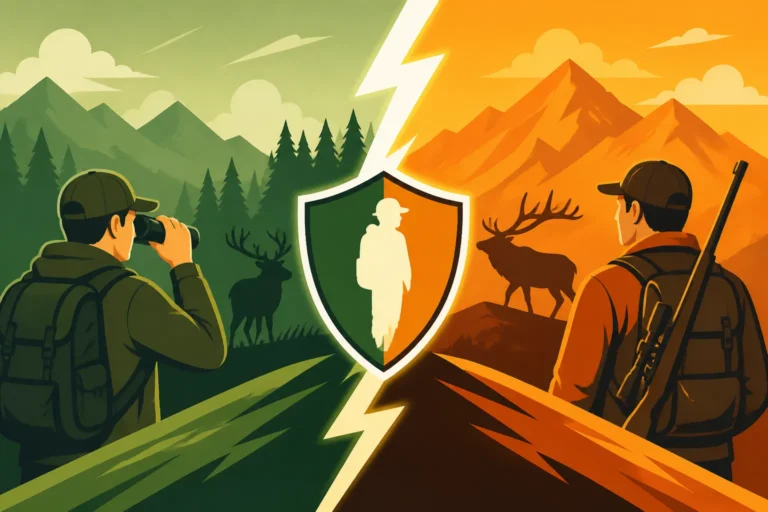
It’s crucial to understand that being a Hunter Host is a serious commitment, not just a casual invitation. They cannot simply buy you a licence and send you on your way. The host must actively accompany you in the field while you are hunting. This means they are present, hunting alongside you, and directly involved in the experience, not just dropping you off at a treestand and picking you up later. This "in the field" presence ensures direct supervision and guidance, which is the spirit of the Hunter Host rule.
Furthermore, a Hunter Host can only host one non-resident hunter at a time for big game or one non-resident for migratory game birds. This limitation ensures that the host can properly supervise and guide their guest. If your resident friend usually hunts with a group of buddies, they need to be aware that while hosting you for a big game animal, they cannot simultaneously host another non-resident friend for the same species. This ensures focus and accountability.
Hunter Host Responsibilities
The responsibilities of an Alberta Hunter Host are extensive and important. Your host must ensure that you, as the non-resident hunter, fully understand and comply with all applicable hunting regulations, including season dates, bag limits, and legal methods of take. This means they should be thoroughly familiar with the current Alberta Guide to Hunting Regulations and be prepared to explain it all to you, perhaps even reviewing it together before you head out. They become your primary resource for legal compliance.
They are also responsible for the ethical conduct of the hunt, including proper animal identification, safe firearm handling, and adherence to landowner permission rules. For instance, if you’re hunting on private land, it's the host's duty to ensure proper permission has been obtained and that you respect the landowner's property and requests. This often means your host will be the primary point of contact for securing access, as they likely have existing relationships or local knowledge that eases this process considerably.
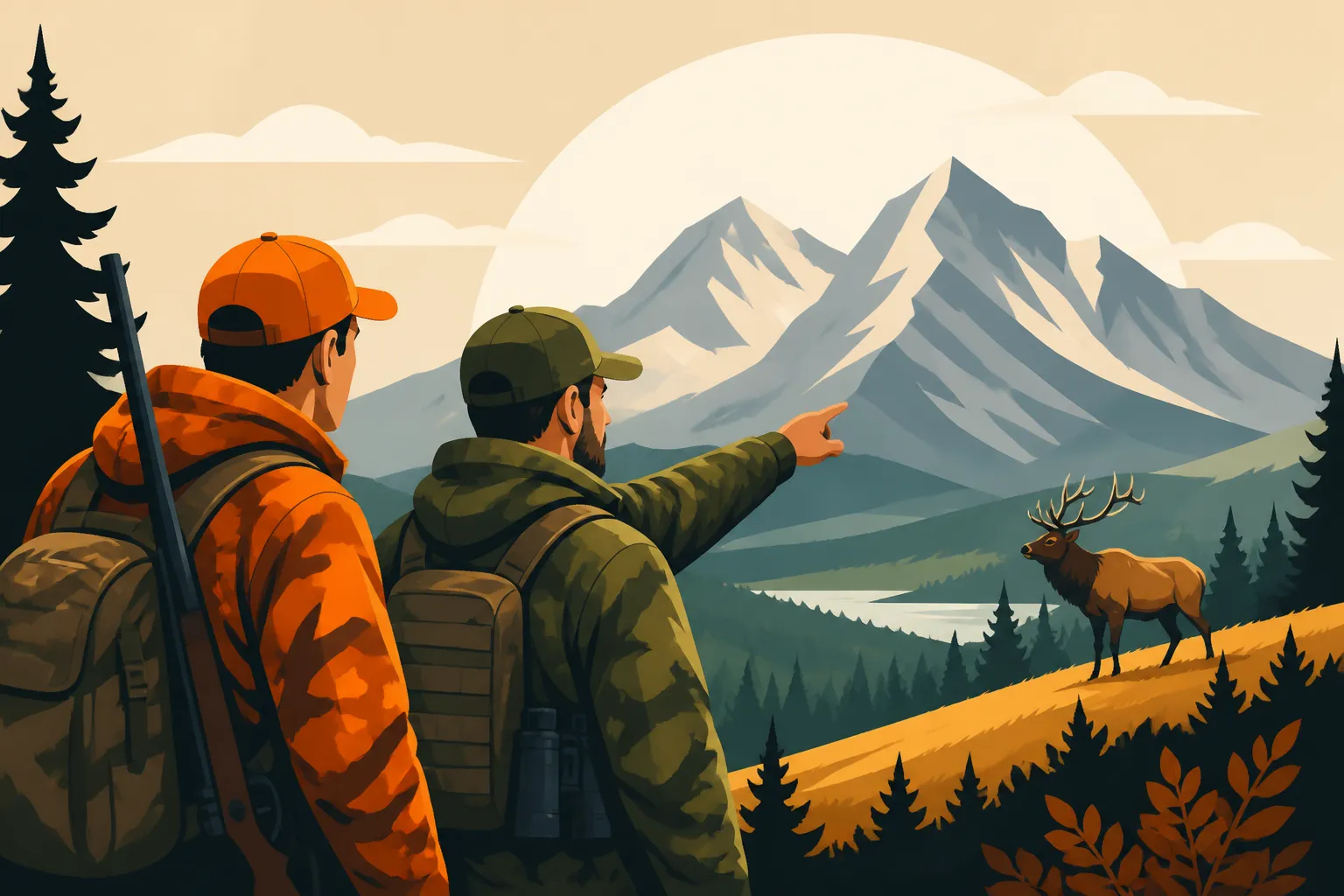
Perhaps most critically, the Hunter Host must be present with the non-resident hunter at all times while hunting big game. This means in the field, actively engaged in the hunting process, whether that's tracking, calling, glassing, or moving through the timber. This isn't a "guide" service where they show you a spot and leave; they are an active participant, providing guidance and ensuring compliance. This close companionship is what distinguishes the Hunter Host program from a fully guided experience and underscores the trust placed in the resident hunter.
Hunter Responsibilities
As the non-resident hunter, you also have significant responsibilities when hunting under the Hunter Host program. Your first step is obtaining your own Alberta Wildlife Identification Number (WIN) Card and a Non-Resident Hunting Licence. This is your personal identifier within the Alberta hunting system and a prerequisite for all other licences and tags. Don't skip this step or assume your host can take care of it entirely; it's your responsibility to secure your own WIN card, which can easily be done online. Getting an Alberta WIN Card is the place to start.
You must also possess the appropriate species-specific licences (tags) for the game you intend to hunt. These are separate from your general hunting licence. For example, if you're hunting white-tailed deer, you'll need a non-resident white-tailed deer licence. For some species, especially highly sought-after ones like moose or elk, these tags are often obtained through Alberta's Special Licence Draws, which your host can help you navigate, but you're the one applying. It’s also your responsibility to ensure you understand these tags and the rules that come with them, like tag cancellation and reporting requirements.
Beyond the paperwork, you are expected to conduct yourself safely and ethically. This includes being proficient with your firearm or bow, respecting wildlife, and understanding your own physical limitations for the type of hunt planned. While your host will guide you, the ultimate responsibility for your actions rests with you. You should actively participate in understanding the hunting area, the regulations, and any safety protocols established by your host, asking questions whenever you're unsure.
Licence and Tag Requirements for Non-Residents and Hosts
Navigating the licensing system can feel a bit like reading ancient scrolls, but it's essential for a legal and enjoyable hunt. The process is different for non-residents than for residents, and even within the non-resident category, there are distinctions. Don't get caught off guard by these details, as penalties for non-compliance can be severe and can ruin your trip before it even properly begins.
The Alberta WIN Card and Wildlife Certificate
Every hunter in Alberta, resident or non-resident, must first acquire an Alberta Wildlife Identification Number (WIN) Card. This is your personal account with Alberta Fish and Wildlife, and it's mandatory for purchasing any hunting or fishing licences. Think of it as your unique hunter ID number, tied to all your hunting history in the province. You can apply for a WIN card online, and it’s valid for five years, so it's a good investment if you plan on future trips to Alberta.
In addition to your WIN Card, you'll also need an Alberta Wildlife Certificate. For non-residents, this certificate is specifically packaged with the Non-Resident Hunting Licence. The Wildlife Certificate itself contributes to conservation efforts in Alberta, funding various wildlife and habitat initiatives. So, while it's a necessary piece of paper, it's also your direct contribution to maintaining the incredible hunting opportunities Alberta offers. What the Wildlife Certificate Covers delves deeper into its purpose and how it supports wildlife.
Non-Resident (Canadian) vs. Non-Resident Alien Licences
Alberta differentiates between non-residents who are Canadian citizens or permanent residents of Canada (but not Alberta residents) and "Non-Resident Aliens," meaning individuals who are not Canadian citizens or permanent residents. The distinction matters because the licence fees and sometimes the available licence options differ. Generally, Non-Resident Alien licences are more expensive, reflecting the additional administrative and conservation costs associated with international hunters and the broader reach of the program.
If you are a Canadian non-resident, meaning you live in another province or territory, you will purchase a "Non-Resident Canadian Hunting Licence." If you are from outside Canada, say from the United States or Europe, you will need a "Non-Resident Alien Hunting Licence." It's imperative to select the correct licence type when purchasing, as misrepresenting your residency status can lead to serious legal issues. Your host can help ensure you're on the right track, but ultimately, it's your responsibility to provide accurate information. Alberta Non-Resident Alien Licence Rules provides more specific information on what international hunters need to know.
Species-Specific Licences and Draws
Once you have your WIN Card and the appropriate general Non-Resident Hunting Licence (either Canadian or Alien), you'll need to acquire specific licences for each species you wish to hunt. These are often referred to as "tags." For common game like white-tailed deer, a "General White-Tailed Deer Licence" is usually available over-the-counter during the general season. However, for many other popular species such as moose, elk, or even antlerless deer in some areas, licences are allocated through Alberta's Special Licence Draws.
The draw system can be complex. You apply for specific WMUs (Wildlife Management Units) and species, and success often depends on accumulated priority points. As a non-resident, you can apply for these draws, but your chances might be lower for some high-demand species compared to residents with many priority points. Your resident friend can be invaluable here, helping you understand which draws might be realistic for non-residents and assisting with the application process on albertarelm.com. Keep in mind that draw deadlines are strict, so planning well in advance is essential. For many non-residents, targeting general season opportunities with your host is often the most straightforward path. You can find more details on How Alberta's Draw Application Works.
| Licence Type | Who Needs It | Cost Implications | Notes |
|---|---|---|---|
| WIN Card | All hunters | Nominal fee | Required for all other licences. Valid for 5 years. |
| Wildlife Certificate (Bundled with Licence) | All hunters | Included with general licence purchase | Supports conservation efforts. |
| Non-Resident Canadian Hunting Licence | Canadian non-residents | Moderate, check albertarelm.com | Required for all non-Alberta resident Canadians. |
| Non-Resident Alien Hunting Licence | Non-Canadians | Higher, check albertarelm.com | Required for international hunters. |
| Species-Specific Licences (Tags) | All hunters (per species) | Varies by species, often draw-based | Example: White-Tailed Deer Licence, Elk Draw Licence. Check regulations for pricing. |
| Federal Migratory Game Bird Permit | Migratory bird hunters | Nominal federal fee | Required in addition to provincial licences for birds. |
Navigating Access and Planning Your Hunt Together
One of the biggest hurdles for any hunter, especially those new to an area, is figuring out where to actually hunt. Alberta offers a mix of public and private lands, each with its own access rules. Hunting with a resident friend can significantly simplify this, as they likely have local knowledge and established relationships, which can be invaluable in unlocking prime hunting locations.
Public vs. Private Land Access
Alberta's hunting landscape is broadly divided into "Green Area" (primarily Crown land, often forested) and "White Area" (mostly private land, often agricultural, but with some Crown land pockets). On Crown land within the Green Area, access is generally open to hunters, though specific rules might apply within Public Land Use Zones (PLUZs) or other designated areas. Your host will be familiar with these distinctions and can help you identify suitable hunting grounds. They might know about forestry roads, old cutlines, or river valleys that offer good access to game that others overlook. For more on these areas, you can look up Hunting Alberta's Crown Land.
However, a significant portion of Alberta, particularly in the productive "parkland" and "prairie" regions, is private land. Here, gaining access is entirely dependent on securing permission from the landowner. This is where your resident friend truly shines. They might already have established relationships with local farmers or ranchers, making it much easier to get permission for you both to hunt. Never, ever, hunt on private land without explicit permission; this is a fundamental rule of ethical hunting in Alberta and can lead to serious charges under the Alberta Trespass Act. Getting Private Land Permission in Alberta is a must-read for anyone considering private land access.
Practical Logistics: Travel, Accommodation, and Gear
Planning the trip itself involves more than just licences. For non-residents, especially those from outside Canada, firearms transportation is a key consideration. You'll need to properly declare your firearm at the border using a Non-Resident Firearm Declaration Form (RCMP 5589), and ensure it's transported safely and legally. This form acts as a temporary licence for your firearm while in Canada. Your host can assist with understanding Canadian firearm laws, but the responsibility for legal transport and declaration is yours entirely.
Accommodation will depend on your hunting style. Are you camping on Crown land, staying in a hotel in a nearby town, or perhaps at your friend’s place? Discussing this well in advance is key. For gear, consider Alberta’s often unpredictable weather. Layers are crucial, and good quality footwear is non-negotiable, especially if you plan on doing a lot of walking or chasing game in variable terrain. Your host can provide invaluable insights into what specific gear will be most effective for the local conditions and the species you are pursuing, preventing uncomfortable and potentially dangerous situations.
Finally, consider communication. While many areas have cell service, backcountry zones do not. A satellite messenger or GPS device with emergency capabilities is a smart investment, especially if you plan on venturing far from roads. Always let someone know your hunt plan and expected return time. Planning with tools like GoHunt, which often has mapping and weather features, can also help you visualize the terrain and anticipate conditions.
Important Safety and Ethical Considerations
Hunting is a privilege, and safety should always be paramount. This includes proper firearm handling, knowing your target and what's beyond it, and wearing blaze orange where required (which is mandatory for big game hunting in Alberta during general seasons, unless you're archery hunting or hunting specific predatory species). Your resident host will be well-versed in Alberta Blaze Orange and Safety Rules and should review them with you before you even step foot in the field, ensuring everyone understands and adheres to these critical guidelines.
Ethical considerations extend beyond legal requirements. This includes respecting fair chase principles, ensuring quick and humane kills, and proper meat care to prevent spoilage. Your host can share their knowledge of local game habits, tracking techniques, and how to field dress an animal effectively, especially if you're in an unfamiliar environment or facing Meat Care in Alberta's Cold and Warm Swings. Being respectful of wildlife, other hunters, and the environment ensures a positive experience for everyone and upholds the reputation of the hunting community.
Maximizing Your Hunting Experience with a Friend
Hunting with a resident friend isn't just about navigating rules; it's about sharing an experience, learning from each other, and increasing your chances of success. A successful hunt, after all, isn't always measured by the size of the animal, but by the quality of the time spent and the memories made, deepening the bond of friendship over shared challenges and triumphs.
Pre-Season Scouting and Planning
The success of any hunt often begins long before opening day, and hunting with a local friend offers a huge advantage here. Your host likely has years of experience in certain WMUs (Wildlife Management Units) or specific areas. They know the terrain, the common travel corridors, the bedding areas, and perhaps even specific animal patterns based on seasonal changes or pressure. This local knowledge is gold. Encourage your friend to share their insights and even go through maps or satellite imagery with you. Resources like BookYourHunt, while known for guided trips, also often have articles or community forums that discuss various regions, and tools like GoHunt provide mapping layers that can be invaluable for pinpointing potential spots your friend can then verify with their local knowledge.
Discussing tactics and expectations is also crucial. Are you primarily spot-and-stalk hunting for Spot-and-Stalk Mule Deer in Alberta, or will you be sitting in a blind overlooking a field edge for whitetails? What are the local food sources? What kind of weather can you expect? The more you plan together, the more cohesive your hunt will be. Your friend might have specific spots they've always wanted to try, or insights into where animals move based on pressure or agricultural practices that you wouldn't know as an outsider.
Communication and Teamwork in the Field
Once you're in the field, effective communication with your host is absolutely vital. This means clearly discussing roles, strategies, and safety protocols before you start moving. For example, if you're still-hunting through a bush patch, who is taking which side? How far apart will you be? What are your shooting lanes? In dense cover, hand signals or even pre-arranged verbal cues can be invaluable for staying safe and coordinated, especially if visibility is limited or you're stalking in quiet.
Teamwork also extends to the actual hunting process. Your friend might be an excellent caller, while you excel at spotting. Combining these skills can significantly increase your odds. For example, if you're trying Rattling and Calling Whitetails in Farm Country, your friend might be an expert at mimicking deer sounds, while you are positioned to cover an escape route. After a shot, teamwork is critical for tracking and recovery. Your host’s experience in navigating the local terrain, identifying blood trails, and understanding animal behaviour after a hit will be invaluable, especially in fading light or challenging cover.
Post-Harvest Care and Regulations
The hunt doesn't end when the animal is down. Proper post-harvest care is crucial for meat quality and compliance with regulations. Your resident friend will likely have experience with field dressing, quartering, and safely transporting game. They can guide you through the process, especially if you've harvested a large animal like a moose or elk that requires significant effort to get out of the bush. Learning tips for Quartering a Moose Alone in the Bush or strategies for Getting a Moose Out With a Quad can make a huge difference in preserving your harvest.
You'll also need to understand Alberta's tag attachment and cancellation rules. Once you've harvested an animal, your tag must be immediately notched and affixed to the carcass as proof of a legal kill. Then, depending on the species and WMU, you may have specific reporting requirements, which your host can help you with through the online albertarelm.com system. In some WMUs, particularly for deer, there are mandatory Chronic Wasting Disease (CWD) submission requirements, which mean submitting the head for testing. Your host will know if your hunting area is one of these. Alberta's CWD Testing Requirements provides crucial details on this important health and management issue.
Finally, if you plan to take meat or antlers home, especially if you're a non-resident alien, there are specific rules for border crossings. Your host can assist with understanding the necessary paperwork and any inspection requirements to ensure a smooth journey home with your trophy and meat. This often involves specific customs forms and declarations to ensure everything is legal and accounted for, allowing you to confidently bring home the fruits of your shared hunting adventure.
Disclaimer
This article is for general informational purposes only and does not constitute professional advice. Laws, prices and regulations vary by location and change over time. Consult a qualified professional for guidance on your specific situation.