Getting From the Airport to Camp
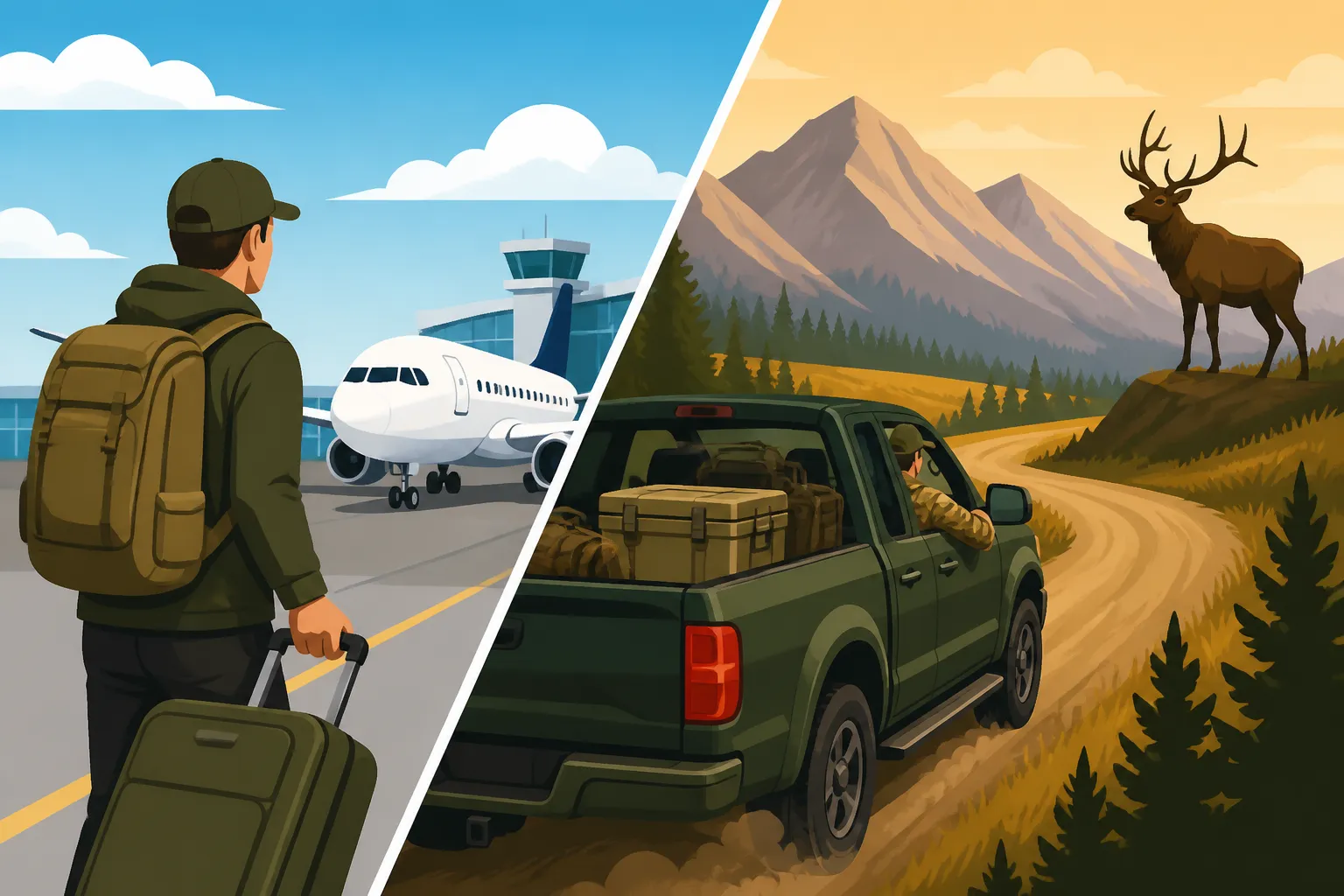
You’ve just stepped off the plane, maybe at Calgary International or Edmonton International, buzzing with anticipation for your Alberta hunting adventure. The roar of the jet engines has faded, replaced by the bustle of the terminal, but the real journey is still ahead: getting from that busy airport to the quiet solitude of your hunting camp, often hours away in the backcountry. This transition can feel like a whole hunt in itself, fraught with logistics and unknowns, but with a bit of planning, it can be a smooth part of your unforgettable trip. This guide is here to walk you through the options, considerations, and smart strategies for navigating that crucial leg of your journey.
The Initial Jitters: Why Airport-to-Camp Logistics Can Feel Overwhelming
For many hunters, especially those coming from out of province or across the border, the sheer thought of landing in a major city and then having to figure out how to get deep into the wilderness can be a source of real anxiety. It’s not just about booking a flight; it’s about a whole new layer of travel planning that can feel daunting when you're already focused on your gear, your tags, and the hunt itself.
The Sheer Distance and Remoteness
Alberta is a massive province, and many of our best hunting grounds are not just a quick hop from the city. You might be flying into Calgary or Edmonton, only to realize your camp is nestled deep in the foothills west of Rocky Mountain House, or far north into the boreal forest near Fort McMurray, or even southeast into the vast prairies near Medicine Hat. These aren't short drives. We're talking hours on highways, followed by hours on gravel, and sometimes even more time on old logging roads or trails. This isn't like hunting a local woodlot; it's an immersive experience that often begins with a significant overland journey.
Think about it: after a long flight, potentially with layovers, the last thing you want is to be stressed about navigating unfamiliar roads in the dark, wondering if you have enough gas or if your rental car can handle the terrain. Packing all your gear, including firearms (which have their own specific rules you should definitely look into, like Transporting Firearms Into Alberta), into a smaller vehicle can also be a challenge. The excitement of the hunt can quickly turn into fatigue and frustration if you haven’t thought through this leg of the trip. The remoteness also means amenities become scarce pretty fast, so you can't just rely on finding a gas station or a grocery store every few kilometres.
Navigating Unknown Territory
Even if you're great with maps or GPS, there's a certain comfort in knowing the local terrain. For an out-of-province hunter, every road might be new, every sign unfamiliar. You might encounter sudden changes in weather, from sunny skies to a blizzard, especially if you're hunting in the shoulder seasons or late fall. Gravel roads can turn to mud, or become icy and slick without warning. Cell service can drop out completely just when you need it most. It's a different kind of driving than many are used to, requiring a heightened sense of awareness and preparedness.
Then there's the question of what vehicle you actually need. A compact car might be fine for the highway, but what happens when you hit that forestry trunk road or a muddy track leading directly to camp? You don't want to get stuck with a vehicle that can't handle the conditions, potentially jeopardizing your hunt before it even begins. It really makes you appreciate the value of local knowledge, which is why working with a seasoned outfitter can be so beneficial, as they understand these nuances better than anyone. They're often able to provide insights into what types of vehicles are necessary or even offer direct transport, alleviating a huge burden.
Your Options for Getting to Camp: What to Consider
Once you’ve got your plane ticket sorted, the next big question is how you’re going to cover those final miles to camp. You've essentially got a few main paths you can take, each with its own set of pros and cons.
Renting a Vehicle: Pros, Cons, and Considerations
Many hunters choose the independent route: renting a vehicle directly from the airport. This gives you maximum flexibility, allowing you to stop where and when you please, pick up last-minute supplies, or even scout a bit on your way in if you arrive early. You'll definitely want to ensure you're squared away with The Non-Resident Firearm Declaration Form before you even get to the airport, to make sure there are no surprises with your rifle.
Pros:
- Flexibility: You're on your own schedule. Want to stop at a specific sporting goods store for a forgotten item? Need to make a detour for a photo op? No problem.
- Privacy: You can discuss hunt strategies with your party, listen to your preferred tunes, or just enjoy the quiet of the drive without worrying about other passengers.
- Access to Amenities: You can easily hit up a grocery store for snacks, drinks, or any personal items not included in What Outfitters Provide in Camp.
Cons:
- Cost: Rental fees, fuel costs (which can be significant given the distances and often higher prices in remote areas), and insurance can add up quickly.
- Vehicle Suitability: This is a big one. A standard sedan is fine for paved highways, but if your camp is down a rough gravel road, an unmaintained track, or involves crossing streams, you'll need a 4×4 truck or SUV with good ground clearance. These come at a premium, and even then, some "rental" 4x4s might not be built for true off-road abuse. Always clarify where your camp is located and what kind of road access you'll have with your outfitter. Getting a truck stuck 50 kilometres down a muddy track is not how you want to start your hunt.
- Navigation: While GPS is powerful, mapping errors or lack of satellite signal in deep wilderness can be a real issue. Having offline maps or a traditional paper map is a smart backup plan. Reading an Alberta WMU Map Before You Go can be a huge help here.
- Wear and Tear Responsibility: You are responsible for the vehicle. Damage from gravel roads, wildlife collisions, or getting stuck can lead to hefty charges. Read the rental agreement very carefully, especially regarding off-road use.
Outfitter Shuttles and Services
This is often the most common and stress-free option, particularly for non-resident hunters who are required to hunt with a guide or a hunter host in many cases. Many outfitters include airport pickup and drop-off as part of their package, or offer it as an add-on service. When you're looking at booking an Alberta guided hunt, always clarify exactly what kind of transportation is included.
Pros:
- Convenience: You land, your outfitter or their designated driver meets you, and you're off. No navigating, no worrying about vehicle suitability, no figuring out parking.
- Local Expertise: Your driver knows the route, the road conditions, and how to get to camp efficiently and safely. They'll also likely know the best places to stop for a quick bite or last-minute needs.
- Safety: Especially if you're travelling with firearms, having someone experienced with border crossings and the local rules for Transporting Firearms Into Alberta can be invaluable.
- Cost-Effective (often): While it might seem like an extra charge, when you factor in rental costs, fuel, potential damages, and the stress saved, an outfitter shuttle can be a great value. Many Alberta Outfitter Allocations Explained will detail these services.
Cons:
- Less Flexibility: You're on the outfitter's schedule. If your flight is delayed, it might impact pickup times or the schedules of other hunters arriving.
- Limited Stops: While most outfitters are accommodating for quick stops, extensive detours are usually not an option as they have other hunters or camp logistics to manage.
- Group Travel: You might be sharing the ride with other hunters, which can be great for camaraderie but offers less personal space or quiet time.
Commercial Transport and Local Services
For some remote camps or those that are accessible via smaller towns, you might find commercial transport options, though these are less common for direct airport-to-camp routes. This could involve small charter flights to regional airports, bus services to a nearby town where an outfitter meets you, or even local taxi/shuttle services if the camp is relatively close to a populated area.
| Transport Type | Pros | Cons | Best For |
|---|---|---|---|
| Rental Vehicle | Flexibility, privacy, direct control over stops | High cost, vehicle suitability risk, navigation stress, damage liability | Hunters preferring independence, flexible itinerary, or with specific gear needs |
| Outfitter Shuttle | Convenience, local expertise, safety, often integrated with hunt | Less flexibility, group travel, fixed schedule, limited stops | Non-residents, hunters valuing convenience and local knowledge, first-timers |
| Commercial Services | Can reach very remote areas (charter), might be cheaper for towns | Less direct to camp, multiple transfers, limited schedules, baggage rules | Hunters with camps near regional hubs, extreme remote locations |
If your outfitter doesn't offer a direct shuttle, ask them about local transport options from the closest major centre. Sometimes they have relationships with local shuttle companies or individuals who provide these services. For hunters going into true wilderness areas like those involved in Hunting Willmore Wilderness Park Requires, a bush plane charter might be the only way to get in, which would be arranged directly by the outfitter.
Planning Ahead: Making Your Travel Seamless
The key to a smooth airport-to-camp journey, like any successful hunt, is meticulous planning. Don't leave this critical step to the last minute; treat it with the same care you would your gear list or your shooting practice.
Communicating with Your Outfitter
This is perhaps the single most important step. Your outfitter is your local expert. They know the roads, the weather patterns, and the best way to get you to camp. As soon as you book your hunt, start a dialogue about your travel plans.
- Share Flight Details: Provide your outfitter with your exact flight numbers, arrival and departure times, and airline well in advance. Keep them updated on any changes.
- Confirm Transport: Ask explicitly what transportation from the airport to camp (and back) is included or available. If it’s an add-on, understand the cost. If you're renting a car, ask them what kind of vehicle they recommend for the specific roads leading to their Alberta Hunting Lodges and Camps. Are there any sections of road that typically cause trouble, especially if you're Hunting Alberta Winter Weather Safely?
- Arrival Procedures: Clarify where you will meet your driver at the airport. Will they be holding a sign? Will they be waiting outside baggage claim? What's the best way to contact them if there's a delay?
- Special Needs: If you have oversized luggage, specific dietary needs for the journey, or any mobility challenges, communicate these clearly. Remember, some camps are very remote, and extra gear needs to be planned for. This is where researching an outfitter through platforms like BookYourHunt can be helpful, as they often detail services offered by different operations.
Outfitters want you to arrive safely and on time, just as much as you do. A good outfitter will be proactive in their communication about these logistics. Don't hesitate to ask questions, even if they seem small.
Essential Travel Kit for the Journey
Beyond your hunting gear, there are a few things that will make your airport-to-camp trek much more comfortable and safer. Think of this as your "mini-survival kit" for the journey itself.
- Comfortable Clothes: You've been sitting on a plane; comfortable, loose-fitting clothes are a must. Layers are always a good idea in Alberta, as temperatures can fluctuate wildly, even in the fall.
- Snacks and Water: Even if your outfitter provides some, having your own stash of non-perishable snacks and plenty of water is smart. Long drives can make you hungry and dehydrated.
- Entertainment: Books, downloaded podcasts, or music can help pass the time on long stretches of road where cell service might be spotty.
- Power Bank: Keep your phone and other devices charged. You'll want it for communication, photos, and emergency use.
- First Aid Kit: A small personal first-aid kit for minor cuts, headaches, or blisters is always a good idea.
- Maps/GPS: Even if an outfitter is driving, it’s not a bad idea to have your own downloaded maps or a physical map for reference. If you're using a planning tool like GoHunt, you can often download maps for offline use, which can be a lifesaver when you lose signal.
- Cash: Some small, local establishments you might pass through (for coffee, gas, etc.) might be cash-only, or it's simply easier for quick transactions.
- Necessary Documents: Keep your hunting licence, WIN card, passport (if applicable), and firearm declaration forms easily accessible but secure. Always remember Alberta Hunter Education Course Requirements and ensure your documents are in order.
Contingency Planning
What happens if your flight is severely delayed? What if your rental car breaks down? Having a mental (or even written) plan for these scenarios can alleviate stress.
- Outfitter Contact: Ensure you have multiple ways to contact your outfitter – cell phone, satellite messenger (if you have one for Emergency Plans in Alberta's Backcountry), or a trusted contact back home who can relay messages.
- Emergency Fund: Have some extra money set aside for unexpected hotel stays, additional transport, or other unforeseen expenses.
- Accommodation: Know if there are any towns along your route with motels or lodges in case you get stuck overnight.
- Flexibility: The biggest contingency plan is often flexibility. Things can go wrong. Weather can change. Roads can close. Being adaptable and having a positive attitude will make a huge difference. Sometimes you might need to adjust your plans if you find yourself suddenly having to navigate Getting a Deer Out on a Frozen Trail in adverse weather.
Final Thoughts on Your Arrival
Once you finally arrive at camp, whether by outfitter shuttle, your own rental, or a bush plane, take a moment to breathe it all in. The journey is part of the adventure, and arriving safely is a major victory in itself. You'll likely be tired, but the fresh air and the promise of the hunt will be invigorating.
Settling In and Preparing for the Hunt
Your outfitter and guides will usually help you get settled into your sleeping arrangements and orient you to the camp. This is a great time to familiarize yourself with What Outfitters Provide in Camp versus what you've brought. You'll want to:
- Unpack Essentials: Get your sleeping gear set up, organize your personal items, and ensure your firearms are securely stored.
- Reconfirm Plans: Touch base with your guide about the next day's hunt. What time are you heading out? What's the plan? What gear do you need to have ready? This is where you can confirm details, like if you're specifically targeting certain Alberta Whitetail General Season Dates or Mule Deer General Season Dates.
- Check Your Gear: Do a final check of your rifle or bow, your optics, and your What to Bring to a Hunting Camp. Ensure everything is in working order and easily accessible for the morning.
- Hydrate and Rest: The best preparation for a successful hunt is to be well-rested and hydrated. Avoid over-exerting yourself on arrival. Get a good meal, share stories with your fellow hunters, and get to bed early.
The journey from the airport to hunting camp is more than just transportation; it's the transition from your everyday world to the wild heart of Alberta. By understanding your options, planning diligently, and communicating effectively with your outfitter, you can ensure this vital first step is as exciting and seamless as the hunt itself. Enjoy every mile, because it's all part of the grand adventure.
Disclaimer
This article is for general informational purposes only and does not constitute professional advice. Laws, prices and regulations vary by location and change over time. Consult a qualified professional for guidance on your specific situation.