Hunting Whitetails on Alberta Crown Land
Hunting whitetails in Alberta often feels like a puzzle, especially when you’re not fortunate enough to have a network of private land access. Many hunters face the frustrating challenge of limited options, wondering where they can pursue their passion without constantly knocking on doors or navigating complex landowner relationships. This comprehensive guide is designed to equip you with the knowledge and strategies to successfully hunt whitetails on Alberta's abundant Crown land, opening up a world of opportunities beyond the fence line.
Understanding Alberta's Crown Land for Whitetails
Alberta is blessed with vast expanses of Crown land, often referred to as public land, offering incredible hunting opportunities for those willing to put in the effort. However, unlike hunting on private property, Crown land requires a different approach, a deeper understanding of regulations, and specific strategies to consistently find and harvest whitetails.
Defining Crown Land and Its Access Rules
Crown land in Alberta is land owned by the provincial government, held in trust for all Albertans. It's a fundamental resource for outdoor recreation, including hunting, fishing, and camping. However, not all Crown land is equally accessible or managed in the same way. You'll primarily encounter two main categories for hunting purposes: the "Green Area" and the "White Area." The Green Area generally refers to the forested, mountainous, and northern regions, characterized by vast wilderness, forestry operations, and extensive public land. The White Area, conversely, is typically agricultural land, where Crown land parcels are often smaller and interspersed among private properties.
Access to Crown land is generally permitted for recreational use, including hunting, but it's crucial to understand the nuances. In the Green Area, access is often via forestry roads, cutlines, and seismic lines, though some areas may require foot, horseback, or ATV access depending on local regulations and Public Land Use Zones (PLUZs). For a detailed breakdown of these regions, check out our guide on Hunting Alberta's Green Area and White Area. In the White Area, Crown land parcels might be grazing leases or small, uncultivated blocks, and these often come with specific rules, particularly regarding vehicle use and proximity to private dwellings. Always ensure you are on actual Crown land and not accidentally trespassing onto adjacent private property. This often means thoroughly checking maps and even having the landowner's contact information for grazing leases.
Why Whitetails Thrive on Crown Land Edges
Whitetail deer are creatures of the edge. They thrive where different habitats meet, offering a blend of cover for security, browse for food, and water sources. Crown land, especially in the transition zones between agricultural fields and forested areas, or where clearcuts meet old growth, provides this ideal environment. While many hunters focus on private land for its perceived higher deer density, savvy public land hunters know that whitetails living on Crown land are often older, wiser, and offer a more challenging pursuit. These deer are typically more wary due to increased pressure, but they are absolutely there for those who understand their patterns.
The edges of Crown land often border productive agricultural fields, which serve as prime feeding grounds. Whitetails will utilize the dense cover of public bush during the day for bedding and security, venturing out to agricultural fields at dawn and dusk. Understanding this relationship is key. Think of river valleys, creek bottoms, and aspen parkland bluffs that cut through farmland. These natural corridors provide excellent travel routes and cover. This concept is explored further in Hunting Alberta's Aspen Parkland Bluffs. Furthermore, forestry operations on Crown land create diverse habitats, with young growth areas providing abundant browse and thick regenerating stands offering impenetrable bedding cover. The constant change in these landscapes forces whitetails to adapt, creating new opportunities for hunters who can adapt with them.
Identifying Productive Crown Land Areas
Finding the "right" Crown land for whitetails isn't about blind luck; it's about meticulous research and understanding deer behaviour. Start by using online mapping tools. Services like GoHunt are invaluable for identifying Crown land parcels, especially in the White Area, and for understanding the topography and habitat features. Look for areas with a mosaic of habitat types: dense bush, creek drainages, old growth timber, and proximity to agricultural fields. River corridors, in particular, are superhighways for whitetails, often containing long stretches of Crown land with excellent cover and water.
Don't just look for "green blobs" on a map; zoom in and analyze the terrain. Identify pinch points, natural funnels, and potential bedding areas away from roads and obvious access points. Consider satellite imagery for clues like old clearcuts, logging roads, and even faint game trails that might indicate deer movement. Areas bordering major provincial parks or protected areas can also be excellent, as deer may spill out from these low-pressure zones. For a deep dive into using these tools, our guide on Reading Alberta's Crown Land Layers on onX offers excellent advice. Remember, whitetails on Crown land are experts at avoiding people, so finding areas with difficult access or that require a longer walk-in often pays dividends.
Essential Strategies for Crown Land Whitetails
Hunting whitetails on Crown land demands a different mindset and set of skills than private land. It's often more physically demanding and requires a greater commitment to scouting and understanding deer behaviour in pressured environments.
Scouting and E-Scouting Crown Land Effectively
E-scouting is your first line of attack. Before you ever set foot in the woods, spend hours poring over maps, satellite imagery, and topographic data. Use tools like GoHunt to mark potential travel corridors, bedding areas, feeding zones, and water sources. Look for distinct terrain features that would naturally funnel deer, such as narrow strips of timber between fields, river bends, or steep coulees. Identify areas that are harder to access, as these often hold less pressured deer. Roads, trails, and obvious parking spots are usually hunting pressure magnets.
Once you have identified promising areas through e-scouting, it's time for boots-on-the-ground scouting. This should ideally happen well before the season, during the spring or late summer, when sign is more visible and you won't disturb actively hunted areas. Look for rubs, scrapes, well-used trails, and bedding areas. Pay attention to natural pinch points and funnels that whitetails use to move between food, water, and cover. Understanding Reading Whitetail Sign in Alberta Aspen Bluffs will be critical here. If you find heavy sign, consider how deer are using that particular piece of land. Are they moving through it, bedding there, or feeding? The more time you spend scouting, the better your chances of intercepting a wary buck.
Tackling Pressure and Finding Undisturbed Sanctuaries
The biggest challenge on many accessible Crown land parcels is hunting pressure. Whitetails quickly learn to avoid areas with heavy human activity. To succeed, you must think differently. Don't hunt where it's easy; hunt where others aren't willing to go. This often means walking further, navigating thicker cover, or exploring less obvious access points. Look for natural barriers that deter other hunters, such as swamps, steep hills, or dense stands of willow and alder. These can serve as sanctuaries for mature bucks.
Consider hunting during weekdays if possible, or focusing on the middle of the day when many hunters are back at camp or home. Another effective strategy is to identify small, overlooked parcels of Crown land, perhaps a quarter-section surrounded by private farms, that might be a pain for others to access or even realize is public. Even a small block of heavy timber can hold a mature buck if it offers adequate cover and is close to a food source. Patience and persistence are paramount when dealing with pressured whitetails.
Hunting Tactics Tailored for Public Bush and Parkland
Hunting whitetails on Crown land in Alberta often involves a mix of still-hunting, stand hunting, and even slow drives with a partner. For still-hunting, move slowly and deliberately, stopping frequently to glass and listen. Utilize the wind to your advantage, always trying to move into it. The varied terrain of the Green Area, with its mix of timber and clearings, lends itself well to this method. In the White Area, where aspen bluffs and willow runs provide cover, still-hunting along the edges can be highly effective.
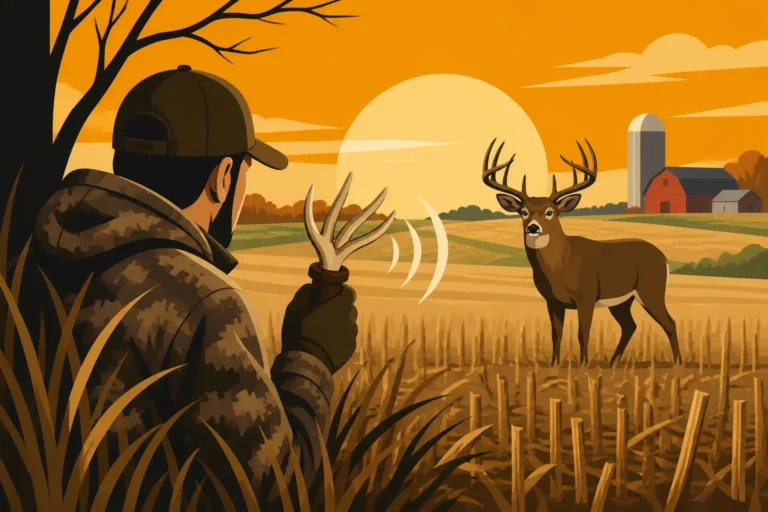
For stand hunting, consider portable climbing stands or lightweight hang-on stands that you can pack in and out. Since you can't leave stands indefinitely on most Crown land, portability is key. Set up stands overlooking natural funnels, pinch points, or near heavily used trails that lead between bedding and feeding areas. Our guide on Hanging a Stand on an Alberta Bush Edge provides excellent tips for placement. If you're hunting during the rut, aggressive calling and rattling can be effective, particularly in open parkland areas where sound travels further. Understanding Rattling Volume in Open Parkland is a valuable skill. Focus on areas where you've observed fresh sign, indicating active deer movement.
Navigating Access and Regulations
Hunting Crown land comes with its own set of rules and considerations regarding access, land use, and general safety. Being prepared and informed is crucial to a successful and legal hunt.
Permitted Access and Vehicle Use on Crown Land
While Crown land is public, access is not always unrestricted. Depending on the specific area and whether it's designated as a Public Land Use Zone (PLUZ), there might be restrictions on vehicle type (e.g., quads, side-by-sides), time of year, or even specific trails. Always consult the Alberta Hunting Regulations and the relevant PLUZ maps before heading out. Many areas in the foothills and mountains, for instance, have strict rules regarding off-highway vehicle (OHV) use to protect sensitive ecosystems. Knowing the Vehicle Rules on Alberta Crown Land can save you a headache and potential fines.
In the White Area, particularly on grazing leases, vehicular access might be limited to existing roads, and you might need permission from the leaseholder to drive off-road, even if the land is Crown land. Always err on the side of caution and assume restrictions unless otherwise stated. Walking in, even a few kilometres, can often get you away from the crowds and into better hunting. The use of an e-bike, while technically still a vehicle, can greatly extend your walking range while still adhering to "foot access only" rules in many regions.
Respecting Boundaries and Adjacent Private Land
One of the most critical aspects of hunting Crown land in the White Area is meticulously knowing property boundaries. Crown land parcels can be small and surrounded by private farms. Using a GPS with reliable land ownership layers (like those found on GoHunt or other mapping apps) is non-negotiable. It's far too easy to inadvertently step onto private property, which constitutes trespassing. Understand the Alberta Trespass Act and Hunting to avoid legal issues. If your game runs onto private property, you must obtain permission from the landowner before attempting retrieval.
Even if you know you're on Crown land, be respectful of adjacent private landowners. Avoid shooting towards buildings, livestock, or property lines. Park your vehicle in a way that doesn't block private access roads or field entrances. A little courtesy goes a long way in maintaining positive hunter-landowner relationships, which ultimately benefits all hunters.
Key Regulations and Safety Considerations
Beyond property boundaries, there are numerous other regulations to keep in mind. Always carry your valid Alberta hunting licence, Wildlife Certificate, and WIN card. Understand the specific season dates and bag limits for the Wildlife Management Unit (WMU) you are hunting. For whitetails, this often means knowing the difference between antlered and antlerless seasons and any specific restrictions on antler points. For a broader overview of the hunting calendar, check out Alberta Big Game Season Dates.
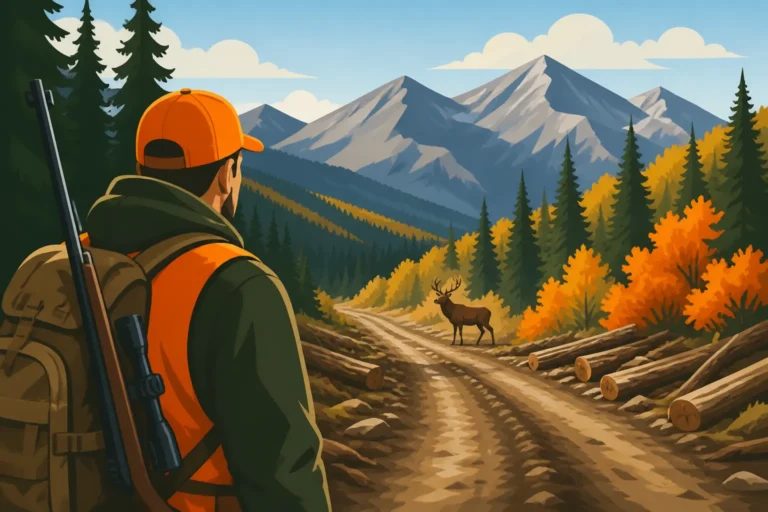
Safety is paramount, especially on public land where other users (hikers, campers, other hunters) might be present. Always identify your target clearly and ensure nothing is beyond it before taking a shot. Wearing blaze orange is mandatory during most big game seasons in Alberta (except during archery-only seasons), and it's a wise practice even when not required. Our guide on Alberta Blaze Orange and Safety Rules covers this in detail. Be aware of your surroundings, carry a first-aid kit, and let someone know your hunting plans. Alberta weather can change rapidly, so being prepared for Hunting Alberta Winter Weather Safely is also crucial, especially for late-season hunts. By being informed and prepared, you can enjoy a safe and rewarding experience pursuing whitetails on Alberta's Crown land.
Disclaimer
Please note that hunting regulations, land access rules, and season dates can change. Always consult the current Alberta Hunting Regulations Guide and any relevant local bylaws or Public Land Use Zone (PLUZ) advisories issued by Alberta Environment and Parks before planning any hunting trip. This guide is for informational purposes only and does not supersede official government regulations.