Hunting Elk on Alberta Ranch Land
Hunting elk in Alberta can be one of the most rewarding experiences a hunter can have, but trying to navigate the unique challenges of ranch land can often feel like a maze, especially when you're trying to secure access and understand how these animals use agricultural landscapes. It's a common frustration to see fields full of elk, yet feel completely cut off from the opportunity. This guide is here to help you understand the dynamics of hunting elk on Alberta ranch land, offering practical advice on everything from gaining permission to implementing effective strategies, ensuring you approach these hunts with respect and a higher chance of success.
Understanding Elk Behavior on Ranch Land
Elk are incredibly adaptable creatures, and their behavior shifts significantly when they spend a good portion of their lives on privately owned ranch lands. It’s not just about where they are, but how they are, and recognizing these nuances is key to a successful hunt.
Why Elk Favor Ranch Lands
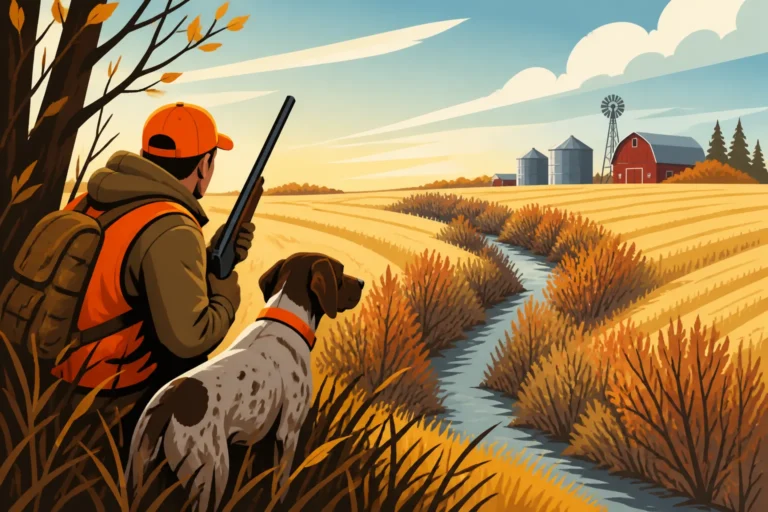
Ranch lands, with their vast open fields, cultivated crops, and often well-watered pastures, provide an irresistible buffet for elk. Unlike the more rugged and often less nutrient-rich forage found in deep wilderness, a ranch offers a consistent supply of high-energy foods like hay, alfalfa, and various grain crops. This abundance of food is a primary draw. Moreover, many ranch lands, particularly those with coulees, river bottom areas, or extensive shelterbelts, offer excellent thermal and escape cover, often with less consistent hunting pressure than surrounding public land. The combination of easy access to prime nutrition and relative safety makes these areas a haven. Elk learn quickly where they are safe from daily human activity, adapting their movements to utilize thick cover during the day and emerging into fields at dawn and dusk. This behavioral pattern highlights their intelligence and the constant pressure they feel, even if it's intermittent.
Daily and Seasonal Movements
Elk movements on ranch land are largely dictated by their core needs: food, water, and security. Typically, you'll observe elk feeding in open fields during the low-light hours of dawn and dusk. As the sun rises, they’ll retreat to the thickest cover available – whether it's a dense bush patch, a deep coulee, a river bend lined with willows, or even a large, undisturbed woodlot. These bedding areas provide security and allow them to digest. Understanding these daily patterns is paramount; it's why you'll often see them moving like clockwork.
During the rut, which typically peaks in September, bull elk become more vocal and visible as they gather cows and challenge rivals. While this can make them more predictable in some ways, it also makes them more wary if they've been pressured. Ranch lands can act as critical safe zones during the rut, drawing in elk from surrounding areas. In winter, especially when natural forage becomes scarce, elk are often drawn to ranches where livestock are being fed. Haystacks and feed lines can be magnets, and understanding this seasonal draw can help you target your efforts. The topography of specific ranch lands, like the deep draws and river valleys often found in areas like the Red Deer River badlands or the Cypress Hills, creates natural travel corridors and sheltered bedding areas that elk utilize year-round, influencing their movement between food sources and safety.
Navigating Private Land Access and Building Relationships
Successfully hunting elk on Alberta ranch land hinges almost entirely on gaining access. This isn't just a legal requirement; it's a social contract, and building trust with landowners is more valuable than any fancy gear.
The Importance of Permission
In Alberta, hunting on private land without explicit permission from the landowner or leaseholder is considered trespassing, and it comes with legal consequences. Beyond the law, it's an ethical imperative. Landowners have invested their lives and livelihoods into their property, and disrespecting that space quickly erodes the relationship between hunters and farmers. Many landowners have valid frustrations: gates left open, fences cut, garbage left behind, or worst of all, hunters showing up unannounced and acting entitled. These negative experiences make them understandably hesitant to grant access. Your job, as a responsible hunter, is to reverse that perception. The first step is always to verify land ownership using tools like GoHunt's mapping features or the Alberta Recreational Access Mapping Tool, and then to seek out the owner respectfully. Never assume you have permission, even if the gate is open or you see other hunters.
Strategies for Gaining Access
Securing permission to hunt private land requires patience, persistence, and a genuine, respectful approach. Don't wait until opening day; start your outreach long before the season. A face-to-face visit, if possible, is always best. Show up clean, polite, and prepared. Bring a map of their property (you can often print these from online mapping tools like GoHunt) and be specific about where you'd like to hunt and when. Offer your contact information and be clear about your intentions.
A truly effective strategy for gaining access involves building trust over time. This might mean offering to help with chores during the off-season, like fixing fences, mending corrals, or assisting during calving or haying season. Even simply stopping by to chat and offer a hand can go a long way. Landowners appreciate knowing who is on their land. Many will be more inclined to grant permission if they feel they know you, and that you respect their land and their animals. Consider signing a liability waiver if they have one, or even offering to provide one yourself, to address their concerns. Remember that landowners have the ultimate say, and a "no" should always be met with grace. Sometimes, the best way to get access is to prove you're a good neighbor, not just a hunter looking for a spot. For more detailed information, consider our guide on Asking an Alberta Landowner for Permission.
Effective Hunting Strategies for Ranch Land Elk
Once you have permission, the real work begins. Hunting elk on ranch land requires a different approach than in wilderness areas, blending traditional hunting skills with a keen awareness of the agricultural environment.
Scouting and Observation
Pre-season scouting, even if limited to the periphery or with specific landowner permission, is vital. You need to identify key features: where the elk are feeding, where they're bedding, and how they travel between these areas. Look for obvious travel corridors – fence lines, treelines, coulee bottoms, or even distinct trails through fields. Pay close attention to ranch infrastructure like old buildings, abandoned machinery, and water sources, as elk will often utilize these features for cover or sustenance.
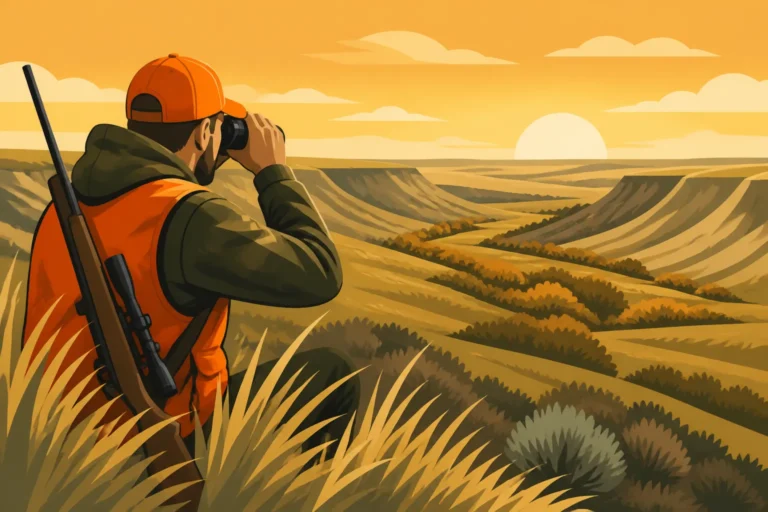
Reading sign is crucial. Fresh tracks, elk droppings, rubs on trees (especially during the rut), and wallows indicate recent activity. Use high-quality optics to glass fields at dawn and dusk from a discreet distance, watching how elk enter and exit, and where they tend to hold up during the day. Sometimes, elk will use dense shelterbelts or even a small stand of poplars in the middle of a field as a temporary bedding area, relying on the openness around them to spot danger. Knowing what fields they frequent and what areas they avoid will give you a significant advantage. The guide on Reading an Alberta WMU Map Before You Go can provide valuable insights into understanding the lay of the land, even on private parcels.
Stand Hunting and Stalking Techniques
On ranch land, stand hunting can be highly effective, especially when positioned along known travel corridors or field edges. Place your stand in a location that offers both concealment and a good view of where elk are moving between bedding and feeding areas. This could be at the edge of a shelterbelt, within a bluff of trees overlooking a hay field, or on a strategic point within a coulee system. You'll often find that early mornings and late evenings are your best bets for catching elk on the move.
Stalking on ranch land can be challenging due to the mix of open fields and dense cover. When moving through open areas, use topography to your advantage, staying low in draws or behind rises. Always pay meticulous attention to the wind – elk have an incredible sense of smell, and a swirling wind can quickly give you away. When you do encounter elk, particularly in thicker cover, subtle calling can sometimes draw them out. Less aggressive cow calls or soft grunts often work better than full-blown bugles on pressured elk, as they've likely heard it all before. For more aggressive calling, especially during the peak of the rut, check out our guide on Bugling to a Foothills Bull Elk. Patience is paramount; these elk are survivors and are extremely wary.
Timing Your Hunt
The timing of your hunt dramatically impacts success on ranch land. As mentioned, dawn and dusk are prime times for elk moving into or out of fields. However, don't discount the midday. Elk often bed down in dense cover but may shift positions or get up for a quick browse. Still-hunting through known bedding areas, or positioning yourself to glass distant draws and cover patches throughout the day, can sometimes yield unexpected opportunities.
The rut can be a mixed bag on ranch land. While bulls are more active and vocal, they are also under increased pressure and can be more unpredictable. They might choose to spend the entire day in a dense, inaccessible bush patch on private property, only to emerge under the cover of darkness. Understanding When the Elk Rut Peaks will certainly help in planning, but remember that ranch elk often prioritize safety over vocal displays when things get hot. Sometimes, late season hunts, when elk are facing colder temperatures and scarce natural food, can be productive as they become more reliant on the abundant food found on ranches. Targeting them when they move onto cultivated fields, as explored in Hunting Elk on Alberta Grain Land, can be highly effective.
Here's a quick comparison of factors when considering public vs. private land elk hunting:
| Feature | Public Land Elk Hunting | Private Land Elk Hunting |
|---|---|---|
| Access | Generally open, but often requires significant effort/travel | Requires explicit landowner permission |
| Competition | High pressure, more hunters, noisy | Lower hunter density, more controlled environment |
| Elk Behavior | Wary, often deep in cover, more nomadic | Adaptable, use fields/cover strategically, may be habituated |
| Food Sources | Natural browse, forbs, grasses, less concentrated | Abundant cultivated crops (hay, grain), consistent supply |
| Cover | Extensive, varied, remote areas | Shelterbelts, coulees, river bottoms, woodlots on ranches |
| Scouting | Wilderness navigation, remote sign | Focus on field patterns, ranch infrastructure, visible sign |
| Logistics | Backpacking, off-road vehicles, harder game retrieval | Easier access (roads), easier game retrieval (with permission) |
| Relationship | Less direct interaction with land managers | Crucial relationship building with landowners |
| Success Rate | Often lower due to pressure/remoteness | Potentially higher with good access and strategy |
Ethical Considerations and Post-Hunt Responsibilities
A successful hunt doesn't end when the trigger is pulled. Especially on private land, your actions post-harvest reflect on all hunters and can impact future access for yourself and others.
Respecting Landowner Rules and Boundaries
When you receive permission to hunt on private land, you're not just given access; you're given trust. It is absolutely critical that you adhere to all the landowner's specific rules. This includes where you can drive (stay on established tracks!), where you can park, whether gates need to be closed (almost always!), and any areas that are off-limits due to livestock, residences, or other sensitive operations. Understand the exact property lines and do not cross them. Even if an elk runs onto an adjacent property, you must have separate permission for that property to pursue it. Being clear on Alberta Trespass Act and Hunting can save you a lot of grief. Leaving gates open, driving through fields without permission, or making excessive noise can quickly burn bridges and ensure you won't be back. Your conduct directly influences the landowner's perception of hunters as a whole, so always act as an ambassador for the hunting community.
Game Recovery and Carcass Care
Once an elk is down, swift and efficient recovery is essential. On ranch land, this often means working closely with the landowner. Before you even start hunting, discuss what happens if you harvest an animal. Will they allow you to drive a quad or side-by-side into a field for retrieval? Or is it strictly by hand? Having these details ironed out beforehand prevents awkward situations and ensures a smooth recovery. Our guide on Getting a Moose Out With a Quad offers practical advice on vehicle-assisted game retrieval, which can be adapted for elk.
Proper field dressing and Meat Care in Alberta's Cold and Warm Swings are paramount to ensure you respect the animal and preserve the meat quality. Remove the guts immediately, and if temperatures are mild, skinning the animal quickly can help cool the carcass. After the hunt, always remember to thank the landowner. A genuine thank you, perhaps a small token of appreciation, or even an offer of some of the harvested meat (if they're inclined) can go a long way in reinforcing a positive relationship and securing future hunting opportunities. It’s about leaving things better than you found them, and always showing gratitude for the privilege of hunting on their land.
Disclaimer
Always consult the most current Alberta hunting regulations published by the provincial government before planning any hunting trip. Regulations are subject to change, and it is the hunter's responsibility to know and follow all applicable laws. The information provided in this guide is for general informational purposes only and does not constitute legal advice.