Upland Bird Season Dates and Limits
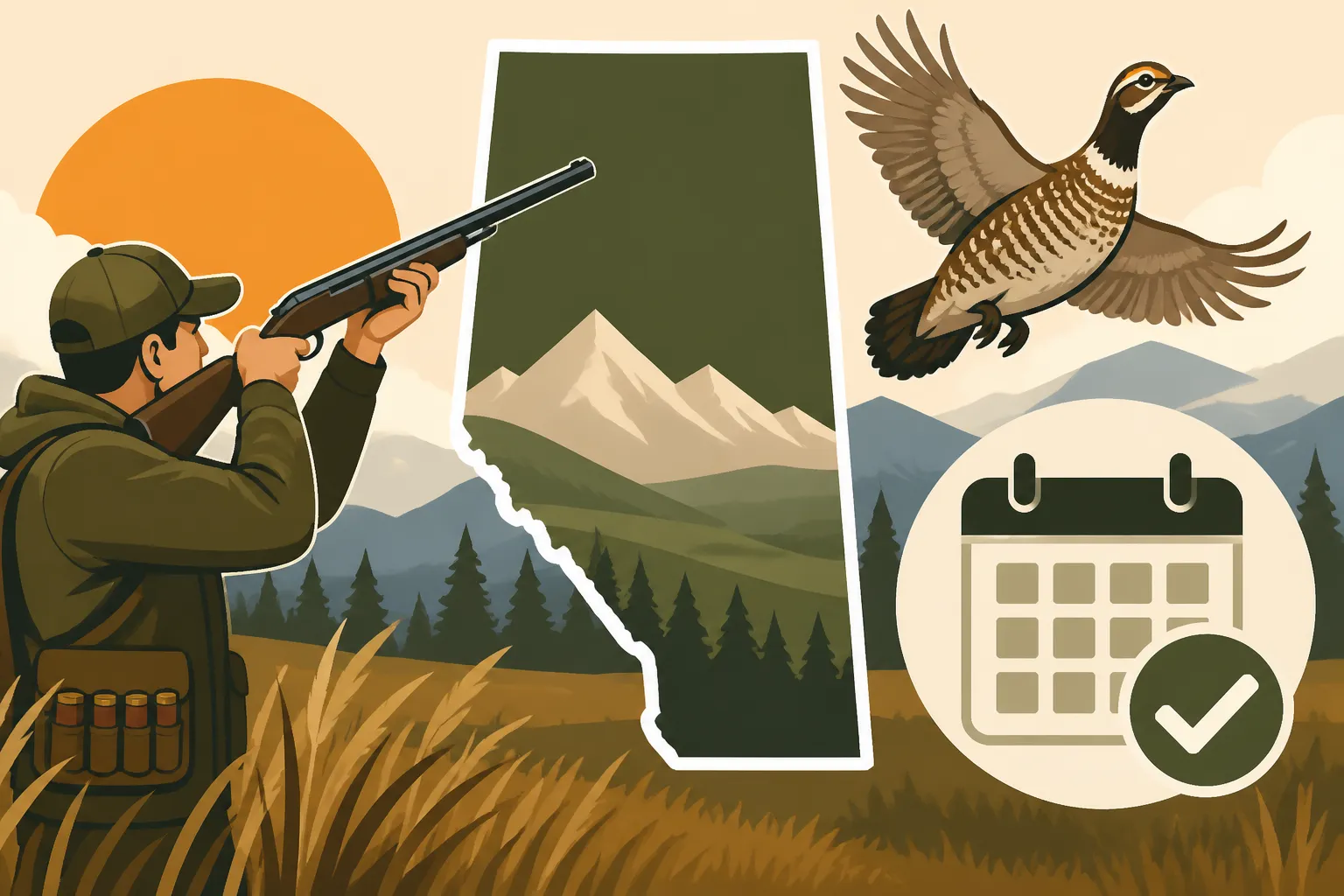
There’s nothing quite like the thrill of chasing upland birds across Alberta’s diverse landscapes, but let's be honest, figuring out all the season dates and bag limits can sometimes feel like trying to untangle a spool of monofilament in the dark. It’s frustrating when you’re ready to hit the field but you’re unsure if you’re even allowed to pursue certain species in your preferred area. This guide is here to clear up that confusion, giving you a detailed breakdown of Alberta's upland bird season dates, daily and possession limits, and crucial regulations, so you can plan your hunts with confidence and clarity.
Understanding Alberta's Upland Bird Hunting Opportunities
Alberta offers a phenomenal array of upland bird hunting opportunities, attracting hunters from all walks of life. From the dense cover of the Boreal Forest to the expansive prairies, the variety of habitats means a rich diversity of birds, each offering a unique hunting experience. But with this abundance comes the responsibility of understanding the specific rules that govern each species and region.
Why Alberta is an Upland Bird Paradise
Alberta's vast and varied ecosystems make it a true paradise for upland bird hunters. You've got everything from rugged mountain slopes where ptarmigan thrive, to the thick aspen parkland and dense conifer forests that are home to ruffed and spruce grouse, all the way down to the rolling prairie and agricultural fields where sharp-tailed grouse, Hungarian partridge, and pheasants flourish. This natural diversity isn't just beautiful; it supports robust populations of these game birds, offering exciting challenges and rewarding days in the field for those willing to explore. The sheer scale of huntable land, both public and private, means there's always new ground to discover and new coveys to find.
Navigating the Regulations Maze
While the opportunities are plentiful, the regulations can sometimes feel like a labyrinth, especially for newcomers or those accustomed to simpler rules in other jurisdictions. Each species has its own set of dates and limits, and these can even vary depending on the Wildlife Management Unit (WMU) you're hunting in. The provincial government releases an annual hunting regulations guide, which is your ultimate authority, but understanding the general framework beforehand can save you a lot of head-scratching. It’s not enough to know what you’re hunting; you also need to know where and when you’re legally allowed to pursue it.
The Importance of a WIN Card and Wildlife Certificate
Before you even think about buying an upland game bird licence, you'll need to make sure your foundational Alberta hunting credentials are in order. This starts with a Wildlife Identification Number (WIN) card. This is your personal hunting identifier, and it's essential for all hunting-related transactions in Alberta. Once you have your WIN card, you'll then need to purchase an annual Wildlife Certificate. Think of the Wildlife Certificate as your general permission slip to hunt any game in Alberta, which then allows you to buy specific licences for the species you intend to pursue. Without both of these, you won't be able to legally obtain an upland bird licence. For more details on these vital documents, check out our guide on Alberta's WIN Card and Wildlife Certificate.
Key Upland Game Birds in Alberta
Alberta is home to several species of upland game birds, each with its own characteristics, preferred habitats, and specific hunting seasons. Knowing these birds and their typical stomping grounds will greatly enhance your hunting strategy.
Ruffed and Spruce Grouse
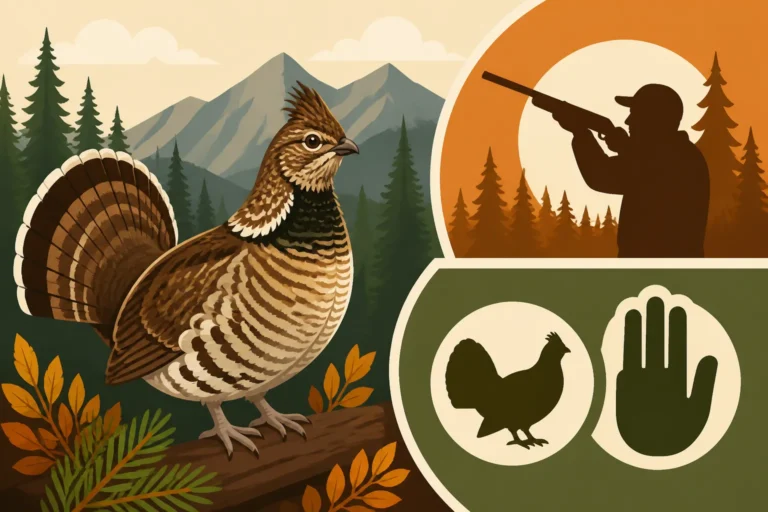
These two species are often grouped together in general regulations because they share similar habitats and hunting seasons, primarily found in Alberta's extensive forested regions. Ruffed grouse, with their distinctive fan-shaped tail and "ruffs" on their neck, prefer deciduous and mixedwood forests, especially areas with dense undergrowth, old logging roads, and creek bottoms. They are famously known for their explosive flush and drumming displays. For tips on finding them, you might want to read about Ruffed Grouse Hunting Alberta's Bush Trails.
Spruce grouse, often called "fool hens" due to their less wary nature, are typically found in dense coniferous forests, particularly spruce and pine stands. They are masters of camouflage, blending perfectly into their dark surroundings. While not as flashy as ruffed grouse, they offer a unique challenge for those who seek them in the deeper woods. Both species are a delightful addition to any camp meal.
Sharp-Tailed Grouse
Sharp-tailed grouse are iconic birds of Alberta’s prairie and parkland regions. Characterized by their pointed tails and intricate plumage, they prefer open grasslands, aspen bluffs, and agricultural edges. Hunting sharp-tails often involves walking expansive fields and coulees, or targeting areas where different habitats meet. They are known to hold in thick cover, providing exciting flushes, and their coveys can be quite large. Early in the season, they often feed on berries and insects, later moving to grain fields. If you're looking to hunt these birds, our article on Walking Up Sharptails on Alberta Grassland offers great advice. Their hardiness and preference for open country make them a challenging but rewarding target.
Hungarian Partridge (Huns) and Ring-Necked Pheasants
These two species are often found in similar agricultural landscapes, particularly in Alberta's southern and central white area. Hungarian partridge, or "Huns" as they're affectionately known, are small, fast-flying birds that prefer open farmland, shelterbelts, and fence lines. They typically form tight coveys, offering exhilarating flushes that scatter the birds, creating opportunities for follow-up shots. Hunting Huns often involves covering a lot of ground, pushing through cover, and being quick on the draw. For more specific tactics, check out Hunting Hungarian Partridge on Alberta Farms.
Ring-necked pheasants are much larger and more colourful birds, prized for their challenging flight and delicious meat. While there are some wild populations, many pheasant hunting opportunities in Alberta revolve around release sites, especially through programs managed by organizations like the Alberta Conservation Association (ACA). These birds thrive in areas with tall grasses, dense shrubbery, and proximity to grain fields. The hunting experience for pheasants, particularly at release sites, can be quite different from wild birds, often requiring a good flushing dog. If this sounds like your kind of hunt, our article on Hunting Alberta's Released Pheasants provides useful insights.
Ptarmigan: The High Country Challenge
For the adventurous hunter seeking a truly unique experience, ptarmigan hunting in Alberta's high country offers an unparalleled challenge. These hardy birds, which undergo a remarkable seasonal plumage change to blend with snow, inhabit the alpine and sub-alpine regions of the Rocky Mountains. Willow ptarmigan, rock ptarmigan, and white-tailed ptarmigan are the three species found in Alberta, with white-tailed being the most common in the mountains.
Hunting ptarmigan involves physically demanding climbs into rugged terrain, often above the treeline, where weather conditions can change rapidly. Their camouflage makes them incredibly difficult to spot against the rocks and snow, and their habitat is remote. It's a hunt that tests endurance, navigational skills, and a keen eye. However, the reward of harvesting one of these beautiful birds amidst breathtaking mountain scenery is truly special. To learn more about this high-altitude pursuit, explore Ptarmigan Hunting High in the Alpine.
Navigating Season Dates and Regional Variations
One of the most critical aspects of planning your upland bird hunt in Alberta is understanding that season dates are not universal across the province. They vary significantly depending on the species and the specific Wildlife Management Unit (WMU) or WMU group you intend to hunt. Always consult the current Alberta Guide to Hunting Regulations before heading out.
General Grouse Seasons (Ruffed, Spruce, Sharp-Tailed)
For ruffed, spruce, and sharp-tailed grouse, Alberta typically has a fairly long season, often starting in early September and running through to mid-December. However, this is a generalization, and it's vital to note that specific WMU groups will have slightly different opening and closing dates. For instance, some WMU groups in the northern Boreal Forest might open a week earlier, while others in the southern agricultural zones might have slightly different start times.
The rationale behind these variations often relates to the specific population health, habitat conditions, and hunting pressure within those WMUs. Hunters should always identify their target WMU first, then cross-reference it with the "General Seasons" tables in the official regulations. For example, some central parkland WMUs might have slightly condensed seasons compared to the expansive northern bush.
Hungarian Partridge and Pheasant Seasons
Hungarian partridge seasons generally align with the longer grouse seasons, often opening in early September and extending into December. Like grouse, their dates can have slight variations based on WMU groupings, particularly between the more agricultural "White Area" and the forested "Green Area." Huns are often hunted in conjunction with sharp-tailed grouse due to overlapping habitat preferences in the prairie and parkland regions.
Pheasant seasons, on the other hand, can be a bit more nuanced. While there are general seasons for pheasants, especially in the southern regions, many popular pheasant hunting opportunities occur at specific release sites managed by the ACA. These release sites often have their own specific opening dates, which might be later than the general provincial pheasant season, and they typically run for a shorter, designated period. It's crucial to check the specific information for these release sites if that's where you plan to hunt, as their management objectives can lead to unique timelines.
Ptarmigan: A Unique Alpine Season
Ptarmigan seasons stand apart from other upland birds due to their specialized high-altitude habitat. The season for ptarmigan usually opens later in the fall, often in September, and can extend well into the winter months, sometimes even into March. This extended season acknowledges the challenging conditions of their alpine environment and the lower hunting pressure they receive.
Because ptarmigan are found exclusively in the mountainous WMUs (typically the 400-series WMUs), their season dates are more consistent across those specific zones than the broader variations seen for other upland species across the entire province. Nevertheless, checking the Alberta Guide to Hunting Regulations for the specific mountain WMU you plan to ascend is non-negotiable.
Checking Specific WMU Regulations
I can't stress this enough: the information provided here is a general overview. You absolutely must consult the current year's Alberta Guide to Hunting Regulations for the precise dates applicable to your chosen WMU. The government updates these regulations annually, and minor changes can occur. Digital tools like the GoHunt app or the AlbertaRELM website are fantastic resources for accessing the most up-to-date WMU maps and regulations, allowing you to double-check season dates and boundaries while you're planning or even out in the field. These resources often break down the WMU groups into easily digestible maps and tables, helping you avoid accidental violations. Don't rely on last year's guide or what your buddy thought he remembered!
Here's a generalized table to give you an idea, but remember, always verify with the official Alberta regulations:
| Species | General Season Start (Typical) | General Season End (Typical) | WMU Variation |
|---|---|---|---|
| Ruffed Grouse | September 1 | December 15 | Yes |
| Spruce Grouse | September 1 | December 15 | Yes |
| Sharp-Tailed Grouse | September 1 | December 15 | Yes |
| Hungarian Partridge | September 1 | December 15 | Yes |
| Pheasant (General) | October 1 | December 15 | Yes |
| Pheasant (Release Sites) | Mid-October | Mid-November | Yes |
| Ptarmigan | September 1 | March 31 | Minor |
Note: Dates are generalized and subject to change. Consult the current Alberta Guide to Hunting Regulations for exact dates in your chosen WMU.
Daily and Possession Limits Explained
Understanding daily and possession limits is just as important as knowing the season dates. These limits are in place to ensure sustainable populations and fair distribution of the harvest among hunters. Misunderstanding these numbers can lead to serious fines and loss of hunting privileges.
Daily Bag Limits Per Species
The daily bag limit is the maximum number of birds of a specific species that you are allowed to harvest in one calendar day. This limit applies from midnight to midnight, regardless of when you started or stopped hunting within that 24-hour period. For most of Alberta's upland birds, these limits are quite generous, reflecting healthy populations.
For Ruffed and Spruce Grouse, the daily bag limit is typically 10 birds in combination. This means you can harvest 10 ruffed, 10 spruce, or any mix of the two, as long as the total doesn't exceed 10. Sharp-Tailed Grouse usually have a daily bag limit of 3 birds. Hungarian Partridge often have a daily limit of 8 birds. Ring-Necked Pheasants typically have a daily limit of 2 birds, though this can sometimes be higher at specific release sites. For Ptarmigan, the daily bag limit is generally 10 birds. These numbers are set after careful population assessments by wildlife managers.
Understanding Possession Limits
The possession limit is the maximum number of unprocessed birds of a particular species that you are allowed to have in your possession at any given time, regardless of when or where they were harvested. This includes birds in your cooler, freezer, vehicle, or at your home, unless they have been fully processed (e.g., packaged, frozen, and clearly marked with species and harvest date).
For most upland birds in Alberta, the possession limit is typically two times the daily bag limit, though it can sometimes be three times. So, if the daily limit for ruffed grouse is 10, your possession limit would be 20. For sharp-tailed grouse with a daily limit of 3, your possession limit would be 6. This allows hunters who are staying in the field for several days to accumulate a reasonable amount of game without exceeding conservation goals. It's crucial to keep your harvested birds identifiable by species until you get them home and processed.
Specifics for Pheasant Release Sites
As mentioned earlier, pheasant hunting at designated release sites often has slightly different rules, and this can extend to bag limits. While the general provincial limit for pheasants is usually 2 birds per day, some managed release sites might have a higher daily limit, perhaps 3 or 4 birds, to account for the increased population density from stocking efforts. These sites are designed to offer a higher opportunity harvest. Always double-check the specific rules posted at these sites or within the relevant sections of the Alberta regulations, as they supersede the general provincial limits. Organizations like the ACA, which manage many of these sites, will clearly outline their specific rules for hunters.
Essential Rules and Regulations for Upland Hunters
Beyond season dates and bag limits, there are several overarching rules and regulations that every upland bird hunter in Alberta must adhere to. These cover everything from safety to how you access land and the equipment you can use.
Licence Requirements and Safety
First and foremost, you need the correct licence. Once you have your WIN card and Wildlife Certificate, you'll purchase an "Alberta Resident Game Bird Licence" or the appropriate non-resident equivalent. This single licence covers all species of upland game birds. When it comes to safety, Alberta has a mandatory blaze orange requirement for big game hunting, but it's not strictly mandated for upland birds. However, wearing a blaze orange hat or vest is highly recommended for visibility, especially when hunting with others or in areas where big game hunters might also be present. It's just common sense and good practice for staying safe in the field. Always be aware of your muzzle and what's beyond your target. Our comprehensive guide on Alberta Blaze Orange Requirements offers more insights into why visibility is crucial.
Land Access and Permission
Alberta offers a mix of Crown land (public land) and private land. Many prime upland bird habitats, particularly for sharp-tailed grouse, Huns, and pheasants, are found on private agricultural land. It is always the hunter's responsibility to know who owns the land they are hunting on and to obtain permission before hunting on private property. The Alberta Recreational Access Regulation clarifies that you need permission to hunt on private land, whether it's posted or not.
For Crown land, general access is permitted, but even here, there can be specific restrictions, such as Public Land Use Zones (PLUZs) or areas with seasonal vehicle access closures. Mapping tools, often integrated with a GoHunt subscription, are invaluable for identifying land ownership and boundaries. Make it a habit to knock on doors, be polite, and offer to share your harvest with landowners. This builds good relationships and ensures future access. Understanding Alberta Landowner Permission Law and how to effectively seek Finding Access on Alberta Crown Land will be critical to your success and legal standing.
Legal Hunting Methods and Equipment
For upland bird hunting, shotguns are the primary legal firearm. There are no specific gauge restrictions, so 12, 16, 20, or even .410 gauges are all legal, as long as they are plugged to hold no more than three shells (one in the chamber, two in the magazine) for migratory birds, a good practice for all bird hunting. While not explicitly mandated for upland birds, using non-toxic shot is required when hunting migratory birds over or near water, and it's a good environmental practice to consider using it for all bird hunting to reduce lead in the environment, especially in high-traffic areas.
The use of hunting dogs is highly encouraged for upland bird hunting, as they greatly increase success rates by locating birds and retrieving downed game, minimizing wasted birds. Pointing breeds like German Shorthaired Pointers or English Pointers, and flushing breeds like Springer Spaniels or Labrador Retrievers, are all popular choices. You can explore the benefits of Using a Pointing Dog on Alberta Prairie or Using a Flushing Dog in Thick Cover for more detailed information on working with canine companions.
Ethical Considerations and Game Care
Ethical hunting practices are paramount. This includes shooting only at birds within range, avoiding sky-busting, and making every effort to retrieve downed birds. It's disrespectful to the animal and the resource to leave crippled game or unrecovered birds in the field. After harvest, proper game care is essential to ensure the meat is fit for consumption. Field dressing promptly, especially on warmer days, and cooling the birds rapidly will preserve the quality of the meat. Our guide on Meat Care in Alberta's Cold and Warm Swings provides excellent advice that applies equally to small game as it does to big game. Always remember to respect private property, close gates, and leave no trace behind.
Maximizing Your Upland Bird Hunting Opportunities
Alberta truly offers world-class upland bird hunting, and with a little preparation and strategy, you can make the most of your time in the field. It’s about more than just knowing the rules; it’s about understanding the birds and their environment.
Scouting and Habitat Knowledge
Successful upland bird hunting often boils down to good scouting and a solid understanding of bird habitat. Before the season, or even the day before a hunt, drive or walk areas that look promising. Look for signs like droppings, feathers, or dust baths. Pay attention to water sources, food plots (like abandoned grain fields or berry bushes), and escape cover (dense brush, tall grass, shelterbelts). For prairie birds like sharp-tails and Huns, focus on the edges where different cover types meet, or in coulees that offer protection from wind and predators. For grouse, scout old logging roads, clearcuts with new growth, and aspen bluffs.
Digital mapping applications, like GoHunt, are incredibly powerful tools for identifying potential hunting spots. They allow you to overlay private and public land boundaries, identify habitat features from satellite imagery, and mark waypoints for future reference. Using these apps effectively can drastically reduce the amount of unproductive walking you do, helping you concentrate your efforts where birds are most likely to be found. A good map can reveal hidden gems and streamline your approach.
The Role of Hunting Dogs
While you can certainly hunt upland birds without a dog, having a well-trained canine companion elevates the experience to an entirely new level. Dogs are invaluable for locating birds that are holding tight, flushing them for a shot, and, most importantly, retrieving downed game from thick cover. A dog's keen sense of smell allows them to find birds that a human hunter would easily walk past, especially crippled birds that might otherwise be lost.
Different breeds excel at different tasks: pointers will lock up on scent, indicating where a bird is hiding, while flushers will burst into cover to make birds fly. Beyond their utility, hunting with a dog fosters a special bond and adds another layer of enjoyment to the hunt. If you're considering hunting upland birds, investing time in training a good bird dog is one of the best decisions you can make.
Planning a Multi-Species Hunt
One of the great advantages of Alberta's diverse hunting landscape is the opportunity to combine upland bird hunting with other pursuits. Given the broad season dates for many upland species, it's often possible to chase grouse and Huns in the morning and then switch gears to hunt ducks or geese in a nearby field in the afternoon. Early September, for instance, offers fantastic opportunities for both upland birds and waterfowl. Later in the season, you might find yourself pursuing deer or moose in the same general areas where you're walking up grouse.
This requires careful planning to ensure you have all the necessary licences and are adhering to the specific regulations for each species you intend to harvest. However, combining hunts can make for an incredibly productive and memorable day in the field, allowing you to experience the full spectrum of Alberta's rich hunting heritage. For a broader look at the possibilities, our general guide on Upland Bird Hunting in Alberta can give you even more ideas.
Disclaimer
Please remember that hunting regulations in Alberta can change annually. The information provided in this guide is intended for general informational purposes only and is based on typical regulations. It is the individual hunter's responsibility to consult the most current Alberta Guide to Hunting Regulations, available online through the Alberta government's website or at licence issuers, before engaging in any hunting activities. Always prioritize safety, ethical hunting practices, and respect for wildlife and landowners.