What a Big Bull Moose Weighs
When you see a picture or video of a mature bull moose, especially one from Alberta's vast wilderness, it’s easy to be awestruck. Their sheer size is legendary, but grasping what that truly means in terms of physical mass and the undertaking of a harvest is another thing entirely. Many hunters wonder just how much a big bull moose actually weighs, not just in its prime but also what that translates to in terms of edible meat. This guide aims to demystify the impressive scale of Alberta’s bull moose, from their live weight to the meat that ends up in your freezer, preparing you for the reality of these colossal creatures.
The Jaw-Dropping Reality of Alberta Moose Size
There’s a world of difference between spotting a moose through binoculars and standing next to a downed bull. The animal transforms from a distant icon into an overwhelming mass of muscle, bone, and hide. Understanding the different stages of weight—live, field dressed, and boned-out—is crucial for any hunter, especially when planning a hunt in Alberta's rugged terrain. These animals aren't just big; they're truly immense, demanding respect and significant effort post-harvest.
Average Live Weight of a Mature Bull Moose
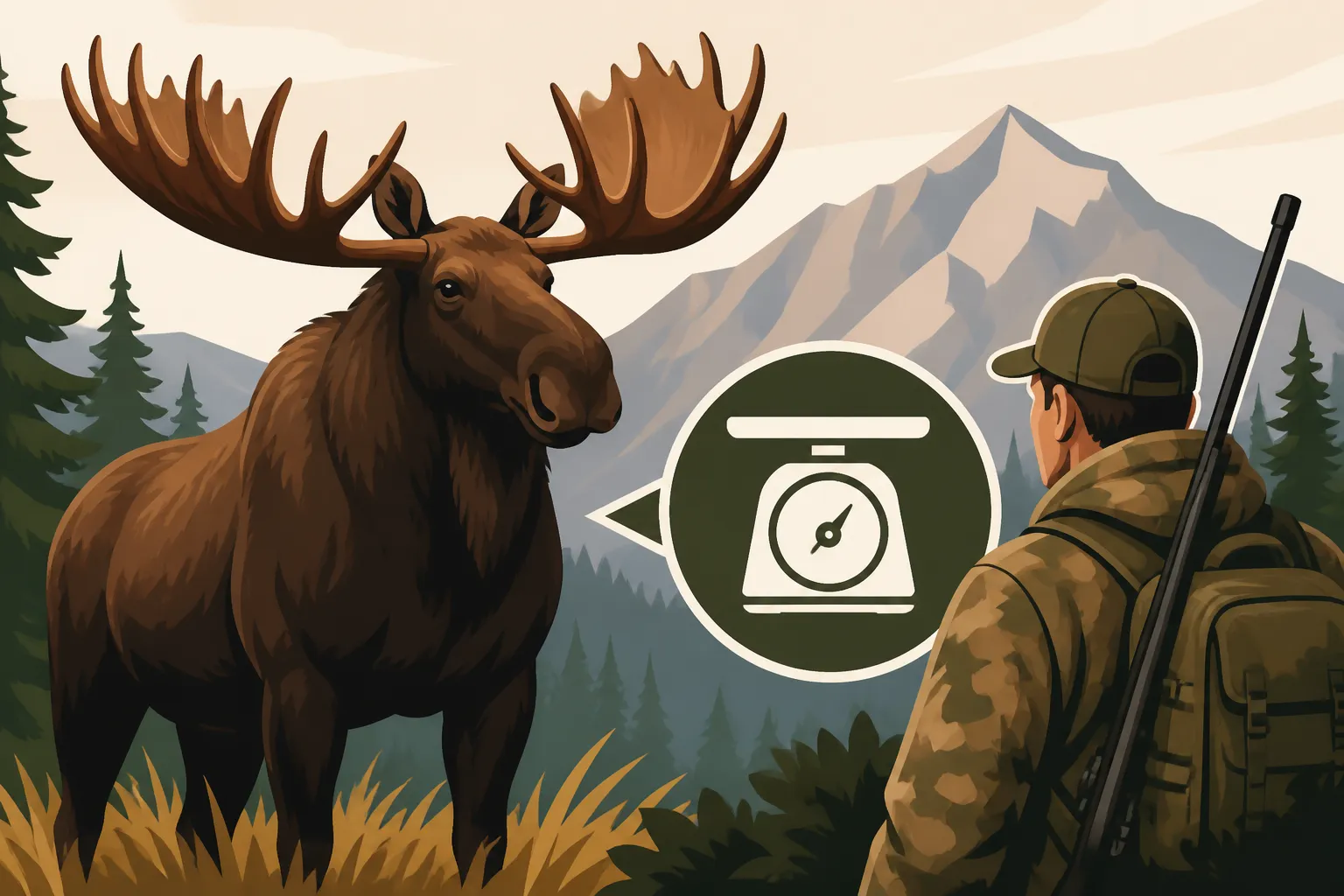
A fully mature bull moose in Alberta is a truly impressive animal, capable of reaching sizes that dwarf most other big game species. On average, a healthy, mature bull moose in its prime typically weighs somewhere between 1,000 to 1,200 pounds (approximately 450 to 545 kilograms) on the hoof. This is their full, living weight, before any processing. Imagine an animal roughly the size of a small horse, standing well over six feet at the shoulder, with a massive rack of antlers adding to its imposing silhouette. These animals carry a lot of muscle, dense bone, and thick hide, all contributing to their incredible bulk.
However, it's important to remember that these are averages. Just like people, individual moose vary greatly. A younger bull, say a 3 or 4-year-old, might only tip the scales at 800-900 pounds, while a truly exceptional, older bull in peak physical condition and from a prime habitat could potentially push towards the 1,400 to 1,500-pound mark or even more. These giants are the stuff of legend and often come from areas with abundant, nutrient-rich forage, allowing them to maximize their growth. For more on where these large animals roam, check out our guide on Where Alberta's Biggest Bulls Come From.
Field Dressed Weight and What it Means
Once a moose is harvested, the first major reduction in weight comes from field dressing. This involves removing the internal organs (viscera) from the body cavity. While it's a critical step for cooling the meat and preventing spoilage, it also significantly lightens the load. On average, you can expect to reduce the live weight by about 25-35%. So, a 1,200-pound bull might yield a field-dressed carcass weighing between 780 to 900 pounds.
This field-dressed weight is important for several reasons. Firstly, it’s often the weight used when discussing the initial haul out of the bush. While you might quarter the animal further, this is the figure you're dealing with once the gut pile is left behind. Secondly, it highlights the sheer volume of material you still need to handle. Even a field-dressed moose is an enormous, unwieldy mass. Thinking about Quartering a Moose Alone in the Bush or Getting a Moose Out With a Quad becomes a very real and physically demanding consideration when you're looking at hundreds of pounds of animal.
Boned-Out Meat Yield Expectations
Now, let's talk about what really matters to most hunters: the amount of actual meat you’ll take home. The boned-out meat yield is typically a fraction of the live or field-dressed weight, as it excludes bone, excess fat, and other non-edible tissues. On average, a well-muscled bull moose will yield roughly 40-50% of its field-dressed weight in boned-out meat. So, taking our 1,200-pound bull that dressed out at 840 pounds, you could expect to get anywhere from 336 to 420 pounds of usable meat for your freezer.
This amount of meat is substantial and will easily feed a family for a year or more. It provides a tremendous return on the effort invested in the hunt. However, it also underscores the amount of work involved in processing. After the initial field dressing, you'll need to carefully skin the animal, butcher it into primal cuts, and then bone out those cuts to maximize your yield. For hunters considering their first moose hunt, the sheer quantity of meat is often a pleasant surprise, but the effort required to process it efficiently should never be underestimated. Having a solid plan for Meat Care in Alberta's Cold and Warm Swings is absolutely critical to ensure that precious meat doesn't go to waste.
Factors Influencing a Bull Moose's Weight
A moose isn't just born big; its ultimate size is a culmination of many factors working together throughout its life. While genetics certainly play a role, environmental conditions, food availability, and even the pressures within a specific Wildlife Management Unit (WMU) all contribute to how heavy a bull moose can become. Understanding these influences can help hunters predict where they might find the biggest animals.
Age and Genetics: The Foundation of Size
Just like humans, moose continue to grow and put on weight for many years. A bull moose typically reaches its full physical maturity, and thus its maximum weight and antler size, between 6 to 10 years of age. Before this, they are still growing, and while they might be substantial, they haven't peaked. After about 10-12 years, depending on the individual, they might start to decline slightly in body condition or antler mass. So, an older, mature bull is almost always going to be heavier than a younger one.
Genetics also play a huge, undeniable role. Some moose simply have the genetic blueprint to grow larger bodies and bigger antlers. While you can't see a moose's genetic code, you can infer it from regions known for producing larger animals. Areas with a history of big bulls often indicate a strong genetic pool within the local population. Hunters often pursue these areas specifically, hoping to encounter one of these genetically blessed giants.
Habitat Quality and Nutritional Abundance
Perhaps the most critical factor influencing a moose's weight is the quality of its habitat and the abundance of nutritious forage. Moose are browsers, meaning they primarily eat the leaves, twigs, and bark of shrubs and trees. In Alberta, prime moose habitat includes areas with a mix of deciduous and coniferous forests, especially those with willow, aspen, birch, and various aquatic plants. Areas that have recently experienced fires or logging can create excellent foraging opportunities as new growth emerges, providing highly digestible and nutrient-rich food.
A moose that has consistent access to high-quality feed throughout the year, especially during the crucial summer months when they pack on weight, will naturally grow larger and heavier. Conversely, moose in areas with poor forage, or those experiencing habitat degradation due to factors like overgrazing or disease, will likely be smaller for their age. Understanding What Moose Eat Through the Year can give you an edge in identifying promising feeding areas.
Health, Parasites, and Environmental Stressors
A moose's health significantly impacts its ability to gain and maintain weight. Chronic health issues, injuries, or a heavy parasite load can hinder growth and reduce overall body mass. One of the most talked-about stressors for moose in parts of North America is the winter tick. A severe infestation of winter ticks can cause moose to rub off significant amounts of hair, leading to hypothermia and a tremendous loss of condition, sometimes even death. This is why understanding How Winter Ticks Affect Alberta Moose is becoming increasingly important for hunters and wildlife managers alike.
Environmental stressors such as harsh winters with deep snow or prolonged drought can also impact weight. Deep snow makes it harder for moose to move and access forage, expending more energy to survive. Droughts can reduce the availability of succulent vegetation and aquatic plants, which are crucial for summer weight gain. These factors can collectively influence the average weight of bulls within a specific region or WMU from year to year.
Here's a quick comparison of average weights:
| Weight Type | Average Mature Alberta Bull Moose | Range for Exceptional Bulls | Hunter Consideration |
|---|---|---|---|
| Live Weight | 1,000 – 1,200 lbs (450-545 kg) | 1,400 – 1,500+ lbs (635-680+ kg) | Initial awe, logistics planning, animal handling capacity |
| Field Dressed Weight | 700 – 900 lbs (317-408 kg) | 980 – 1,125+ lbs (444-510+ kg) | Weight for initial drag/quad, meat cooling |
| Boned-Out Meat Yield | 330 – 450 lbs (150-205 kg) | 470 – 560+ lbs (213-254+ kg) | Freezer space, processing time, long-term food supply |
Practical Considerations for Hunting a Heavy Bull
Hunting a moose in Alberta isn't just about finding the animal; it's about being prepared for the immense physical challenge that follows a successful harvest. A big bull moose demands respect, careful planning, and often, a team effort to ensure the meat is handled properly and brought out of the field efficiently. Overlooking these practicalities can turn a dream hunt into a significant logistical nightmare.
The Logistics of Packing Out a Moose
This is where the reality of a moose's weight truly hits home. Unlike a deer, which can often be dragged or wheeled out whole, a mature bull moose almost always requires quartering in the field. This means breaking the animal down into four main quarters (two front, two hind), along with the backstraps, tenderloins, neck meat, ribs, and sometimes the hide and skull for a trophy. Each quarter can weigh well over 100 pounds, and sometimes closer to 200 pounds for the hindquarters of a truly large bull.
Transporting these heavy, unwieldy pieces out of the bush demands a robust plan. For many hunters, this involves using a quad or side-by-side. Our guide on Getting a Moose Out With a Quad delves into the specifics of this method. In more remote areas, it might involve horses, game carts, or simply multiple trips with heavy packs. The terrain also plays a huge role; trying to drag or carry heavy quarters through thick bush, over blowdowns, or across muddy muskeg is incredibly difficult and time-consuming. Scouting your route and having contingency plans are vital.
Meat Care: Time is of the Essence
Given the sheer volume of meat, proper meat care is paramount. Once an animal is down, cooling the meat quickly is the top priority to prevent spoilage. Field dressing is the first step, allowing heat to escape the body cavity. Quartering further helps with cooling by exposing more surface area to the air. In warmer early-season conditions, this means working fast. Removing the hide as soon as possible is also critical for cooling.
You'll need sturdy game bags to protect the meat from flies, dirt, and debris. Having a dedicated space to hang the quarters, whether it’s in camp or from a robust tree limb, is important for air circulation. If temperatures are consistently above freezing, you might need to transport the quarters to a walk-in cooler or a butcher very quickly. Always be aware of local regulations regarding meat transport and the need to keep proof of sex on your quarters until the meat is processed.
Essential Gear for Handling Heavy Game
Taking on an animal the size of a moose requires more than just your hunting rifle or bow. You'll need specialized gear to handle the post-harvest logistics. A sharp, durable knife or two is absolutely essential, along with a good bone saw or even a small hatchet for quartering. Sturdy rope or paracord comes in handy for tying off limbs or hoisting quarters. Game bags, as mentioned, are a must-have.
For retrieval, consider a heavy-duty game cart if the terrain allows, or a robust hitch-mounted game hoist for lifting quarters onto a truck or quad. Many hunters also bring small block and tackle systems to help lift quarters for skinning or hanging. If you're hunting in particularly remote areas, having a satellite communication device or a reliable GPS unit like those offered by GoHunt can be invaluable, not just for safety but for coordinating with a team for extraction. Remember, preparation for the haul out starts long before you pull the trigger.
The Team Effort: Don't Go Alone (Unless You're a Pro)
While some experienced hunters are capable of handling a moose alone, it's widely recommended, especially for your first few moose hunts, to go with a hunting partner or a small team. The extra hands make every step of the process — from field dressing and quartering to packing out and loading — significantly easier and safer. Hoisting a heavy quarter into a vehicle or onto a pack frame is much more manageable with assistance.
A team also provides an invaluable safety net. In remote areas of Alberta, accidents can happen, and having someone else there to help or to go for help is critical. Sharing the workload also means the meat can be processed more quickly, reducing the risk of spoilage, particularly in marginal weather conditions. Discussing the post-harvest plan with your hunting partners before the hunt even begins is one of the most important aspects of a successful and responsible moose harvest. Planning routes for egress, considering various scenarios, and allocating tasks can save immense amounts of time and effort when the moment arrives.
Disclaimer
This article is for general informational purposes only and does not constitute professional advice. Laws, prices and regulations vary by location and change over time. Consult a qualified professional for guidance on your specific situation.