Why Moose Move to Cutlines and Burns
It can be incredibly frustrating to scout vast tracts of Alberta's boreal forest or foothills, searching for signs of moose, only to feel like you're just wandering through endless timber. Many hunters struggle to pinpoint where these elusive giants prefer to spend their time. This guide will delve into the specific reasons why moose are drawn to cutlines and burned areas, helping you understand their habitat preferences and giving you a much better chance of locating them when you're out in the wilderness.
Understanding Moose Habitat Needs
Moose are creatures of habit and necessity, their movements dictated largely by food availability, cover, and their physiological needs through Alberta's varied seasons. While they are massive animals, they're surprisingly adept at disappearing into dense cover, making them a challenge to locate for even experienced hunters.
The Year-Round Quest for Food and Cover
From the moment the snow melts in spring until the deep freeze of winter, a moose's life revolves around finding enough browse to sustain its enormous body and adequate cover to escape predators and regulate its temperature. In spring and summer, their diet consists heavily of new growth from deciduous shrubs, aquatic plants, and forbs. As fall approaches, they'll often shift to woody browse like willow, aspen, and dogwood. Winter is the toughest, with moose relying almost entirely on woody browse, often found in sheltered areas.
Beyond food, thermal cover is critical. In the summer heat, dense coniferous stands provide shade and cooler temperatures, while in the brutal cold of winter, these same thickets offer protection from biting winds and heavy snow. Calving cows also seek out secluded, secure areas to give birth and raise their vulnerable young. These core needs drive them to specific areas within their range.
The Role of Water in Moose Life
Moose are semi-aquatic animals, and water plays a vital role in their survival, especially during warmer months. They'll spend hours in lakes, ponds, and slow-moving rivers, feeding on nutrient-rich aquatic vegetation. This isn't just about food; submerging themselves in water helps them escape biting insects like mosquitoes and flies, which can torment them relentlessly. It also aids in thermoregulation, keeping their massive bodies cool when temperatures climb. You’ll often find sign around these water sources, even if the moose themselves aren't immediately visible. Understanding these water-based habits is crucial for anyone Hunting Moose Around Alberta Beaver Ponds.
Why Cutlines Become Moose Magnets
If you've spent any time hunting the boreal forest or even the timbered sections of Alberta's parkland, you've undoubtedly come across cutlines. These straight-as-an-arrow clearings, often remnants of seismic exploration, logging, or pipeline routes, might seem like barren strips at first glance. However, for a moose, they offer a surprising buffet of benefits.
New Growth and Browse Opportunities
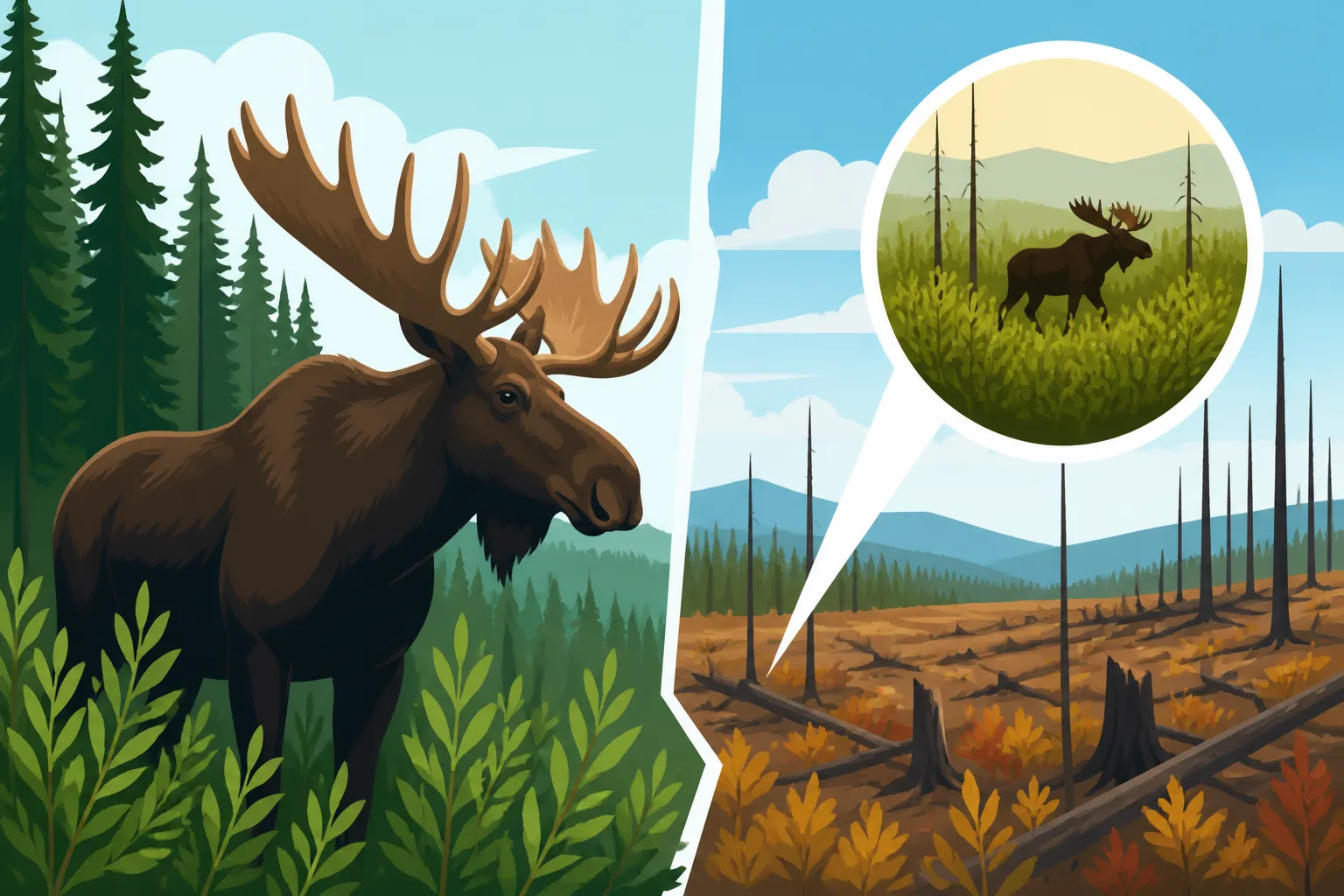
One of the primary reasons moose are drawn to cutlines is the explosion of new growth that often occurs in these disturbed areas. When the forest canopy is opened up, sunlight can finally reach the forest floor, stimulating a rapid regeneration of shrubs, forbs, and deciduous saplings that moose absolutely love. Think about it: a dense stand of mature spruce offers little in the way of palatable browse for a moose. But a cutline, especially one that's a few years old, can become a linear salad bar.
This new growth, rich in nutrients, is a lifeline for moose trying to put on weight for the rut or survive a harsh winter. Species like willow, aspen, and balsam poplar are quick to colonize these disturbed sites, providing a buffet of tender shoots and leaves. This creates an irresistible draw, acting as a natural food plot stretching for miles through otherwise uniform timber.
Ease of Travel and Visibility
Imagine being a large animal, constantly navigating dense bush, pushing through tangled undergrowth and downed timber. It's exhausting. Cutlines offer moose a natural highway through otherwise impenetrable terrain. They provide an easy path of travel, conserving energy, especially when moving between feeding areas and bedding cover.
Furthermore, these clearings offer improved visibility. While moose are primarily browsers and not sight-hunters, being able to scan a long stretch of terrain can give them an advantage in detecting predators. They'll often walk a cutline edge, grabbing mouthfuls of browse while keeping an eye out. This combination of effortless travel and a sense of openness makes cutlines efficient corridors. Many hunters specifically target these features when Hunting a Cutline for Moose at First Light.
Strategic Bedding and Escape Cover
While cutlines offer food and travel routes, moose also use them strategically for bedding and escape. They rarely bed down directly in the middle of a wide-open cutline; that would be too exposed. Instead, they'll often lie just inside the dense timber, right along the edge of the cutline. This gives them the best of both worlds: quick access to browse and travel, coupled with immediate, thick cover to disappear into if disturbed.
If you jump a moose from such a bedding site, you'll often see them burst across the cutline and plunge into the timber on the other side, using the edge as a quick escape route. The density of the surrounding forest makes it incredibly difficult for a hunter to follow, giving the moose a significant advantage. Learning to read these subtle signs of bedding along cutline edges can be a game-changer for your hunt.
Natural Mineral Licks and Water Accumulation
Sometimes, cutlines can even create micro-environments that provide essential minerals or temporary water sources. The disturbance of the soil during construction can expose mineral-rich earth, leading to natural licks that moose will frequent. Additionally, in low-lying sections or where the ground has been compacted, cutlines can collect rainwater or snowmelt, creating small, temporary puddles or marshy spots that moose will visit for a drink, especially if other water sources are scarce. Using satellite imagery tools like GoHunt can help you identify these low spots or areas of potential water accumulation along cutlines before you ever step foot in the woods. This advanced scouting can shave hours off your hunt.
The Allure of Burned Areas for Moose
While cutlines offer linear advantages, burned areas present a much broader landscape transformation, creating a different but equally compelling draw for moose. Fire, though devastating at first glance, is a natural and often beneficial part of the boreal ecosystem, setting the stage for renewed life.
The Post-Fire Buffet: Rapid Forage Regeneration
The initial thought of a burned area might conjure images of charred stumps and barren ground, but for a moose, a burn is often the promise of an upcoming feast. Fire clears out old, dense growth, reduces competition from mature trees, and returns nutrients to the soil. Within a season or two, new life explodes. Deciduous species like aspen, willow, birch, and fireweed are often the first to regenerate, growing quickly and robustly. These young, tender shoots and leaves are incredibly palatable and nutritious for moose.
It's a phenomenon of ecological succession – the fire acts as a reset button, creating conditions for the very plants moose prefer to thrive. The sheer volume of high-quality forage in a regenerating burn can support a much higher density of moose than the mature, dense forest that stood before it. This makes burns a prime target for anyone interested in Hunting Moose Across Alberta's Boreal and Foothills.
Increased Sunlight and Thermal Regulation
Fire doesn't just clear ground; it opens up the canopy. This increased sunlight reaching the forest floor is what drives the rapid growth of preferred browse species. But it also impacts thermal regulation for moose. In the colder months, the openness of a burn, especially if there are scattered standing snags, can allow sunlight to penetrate and warm the ground, creating slightly milder conditions.
Conversely, in the intense heat of summer, burns that are a few years old can offer a mosaic of open areas for feeding and pockets of regenerating cover for shade. Moose will move between these zones, soaking up the sun in the morning or evening and retreating to thicker, shadier patches during the hottest parts of the day.
Ash and Mineral Content
Another often-overlooked benefit of burned areas is the alteration of soil chemistry. The ash left behind after a fire is rich in minerals, which can be absorbed by the rapidly growing vegetation. This means the browse in burned areas can be more nutrient-dense, providing moose with vital minerals that might be scarce elsewhere. While not as concentrated as a mineral lick, the widespread availability of these enriched plants contributes significantly to a moose's overall health and antler growth.
How Age and Type of Burn Affect Moose Use
Not all burns are created equal. A fresh burn from the previous year might still be very black and offer limited browse, though moose might cautiously investigate. A burn that's two to five years old, however, is often a prime feeding ground, choked with dense, nutritious regeneration. As a burn ages further, say beyond ten years, the trees start to grow taller, shading out the understory, and the habitat slowly reverts to a less ideal state for moose.
The intensity of the fire also matters. A high-intensity crown fire might leave little behind, requiring more time for recovery, while a ground fire that spares some larger trees can offer a quicker return to productive browse while retaining some larger cover patches. Utilizing tools like GoHunt to analyze historical satellite imagery can help you track the age and extent of burns in your target WMU, giving you an edge in predicting moose movements. This is a critical scouting step that many overlook, but it can make all the difference when Hunting Alberta's Boreal Forest Country.
Hunting Strategy Around Cutlines and Burns
Understanding why moose move to cutlines and burns is only half the battle; the other half is knowing how to effectively hunt these areas. It requires patience, careful observation, and a keen understanding of moose behaviour.
Scouting Smart and Reading the Sign
Before you even think about walking into these areas, dedicated scouting is paramount. Look for fresh tracks, droppings, and browsed vegetation. Moose tracks are large and unmistakable, and their droppings are typically oblong pellets. Pay close attention to the height of browsed branches – moose often leave ragged edges on snapped twigs, a tell-tale sign of their feeding.
When scouting cutlines, focus on where they intersect with natural travel corridors, water sources, or dense bedding cover. For burns, identify areas with the most vigorous new growth, especially pockets of willow and aspen. Look for areas where the burn transitions into unburned timber, as these edges often serve as travel routes and bedding sites. Remember, moose will use the cover offered by standing timber or unburned islands within a burn for security, venturing out into the open for feeding. Tools like GoHunt are invaluable for pre-season scouting, allowing you to identify cutlines, recent burns, and their proximity to thick cover or water bodies, saving you countless hours of hiking.
Effective Approaches to Cutlines
Hunting a cutline often involves a combination of still-hunting and strategic stand placement. In the early morning or late evening, moose are most likely to be actively feeding along the edges or travelling down the line. Still-hunt slowly, pausing frequently to scan both the cutline itself and the timber on either side. Pay close attention to where the cutline crosses low-lying areas, where water might pool, or where it runs alongside particularly thick stands of timber.
Consider setting up a stand or ground blind overlooking a well-used section of a cutline, especially where it funnels into a dense bedding area or crosses a creek. This can be particularly effective during the rut, when bulls are actively searching for cows and might travel these clearings. Remember that Raking Brush to Bring in a Bull can be quite effective along a cutline during the rut, as the sound travels well.
| Feature | Primary Moose Benefit | Hunting Approach | Key Observation Points |
|---|---|---|---|
| Cutlines | Easy travel, new browse, visibility, escape cover | Still-hunt edges, stand placement at intersections/funnels | Fresh tracks, browsed vegetation, transition zones, water accumulation |
| Burned Areas | Abundant, nutritious browse, open canopy, minerals | Spot & stalk, focusing on regenerating growth, edges | Areas of dense willow/aspen, unburned pockets, transitions to unburned timber |
Hunting Regenerating Burns
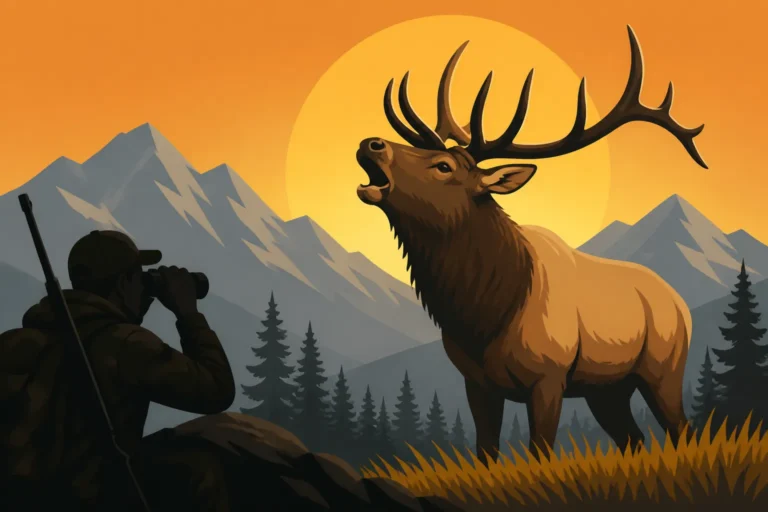
Hunting a burn requires a different approach, often favouring spot-and-stalk tactics, especially in more open areas. The visibility in a burn can be excellent, allowing you to glass large sections of regenerating growth from a distance. Set up on a vantage point early in the morning or late in the afternoon and carefully scan the area with binoculars. Look for the tell-tale dark shape of a moose against the lighter background of new growth.
When stalking, use the remaining stumps, fallen timber, and any regenerating clumps of conifers for cover. The ground can be noisy in a burn, full of broken branches, so move slowly and deliberately. If the burn is vast, consider working the edges where it meets unburned timber, as moose will often stage in the denser cover before moving out to feed. Understanding the nuances of Glassing a Burn for Alberta Moose can drastically improve your chances.
Leveraging Overlaps: Where Burns and Cutlines Meet
The most productive areas for moose hunting are often where these habitat features overlap. A cutline running through a regenerating burn creates an incredible combination of travel corridor, concentrated browse, and varying cover. These intersections and transitional zones are high-traffic areas for moose, offering multiple benefits in a compact space.
Spend extra time scouting these overlap zones. A moose might use the cutline for travel, dip into the burn for feeding, and then bed down in the adjacent unburned timber. These are the sweet spots you want to identify, and with diligent scouting, both on the ground and with mapping tools, you can pinpoint these high-potential areas. Remember to consult the Alberta regulations for your specific WMU to confirm season dates and regulations before heading out, especially when considering Alberta Moose Season Dates.
Challenges and Considerations
While cutlines and burns offer excellent opportunities, they also come with their own set of challenges that hunters need to be aware of.
Access and Terrain Difficulties
Cutlines, while offering ease of travel for moose, don't always mean easy access for hunters. Some may be overgrown, others may be incredibly wet and boggy, especially in the spring or after heavy rains. Burned areas can also be treacherous, with unstable snags (standing dead trees) that can fall unexpectedly, or uneven ground hidden by new growth. Always be aware of your surroundings and prioritize safety. Accessing some of these remote areas might require a quad or side-by-side, so be sure to understand the Quad and Side-by-Side Rules on Crown Land if you plan to use one.
Other Hunters and Pressure
The fact that moose are drawn to cutlines and burns is no secret. This means these areas can sometimes see increased hunting pressure, especially on public land. Be prepared to put in the effort to get away from obvious access points, or plan your hunt for weekdays when pressure might be lighter. If you find heavy sign but also lots of human activity, don't be afraid to push deeper into the less accessible parts of the burn or further down the cutline.
Sometimes, the best strategy is to find those overlooked, harder-to-reach sections that other hunters might bypass. This is where advanced mapping software and aerial imagery can be invaluable, helping you pinpoint obscure cutline segments or isolated pockets within a burn that might offer a more secluded hunting experience.
Environmental Factors
Moose movements can also be heavily influenced by weather. Deep snow can push them to areas where browse is more accessible or where travel is easier, such as compacted trails or plowed seismic lines. Harsh winters can also lead to increased winter kill, affecting overall moose populations in certain areas. Conversely, a mild winter followed by a wet spring can lead to exceptional browse growth in burns and cutlines, benefiting the moose herd. Staying informed about these environmental conditions can help you refine your hunting strategy for Hunting Alberta Winter Weather Safely.
Disclaimer
This article is for general informational purposes only and does not constitute professional advice. Laws, prices and regulations vary by location and change over time. Consult a qualified professional for guidance on your specific situation.