How Heavy a Mature Bull Elk Gets
One of the biggest eye-openers for new elk hunters, or even seasoned deer hunters making the jump, is the sheer scale of a mature bull elk. It's not just a "big deer"—it's an entirely different beast altogether, with implications for everything from shot placement to meat recovery. This guide is here to give you a realistic picture of just how heavy a mature bull elk gets in Alberta, what factors play into their impressive bulk, and what you need to consider when you're fortunate enough to drop one.
Understanding the Sheer Scale of a Mature Alberta Bull Elk
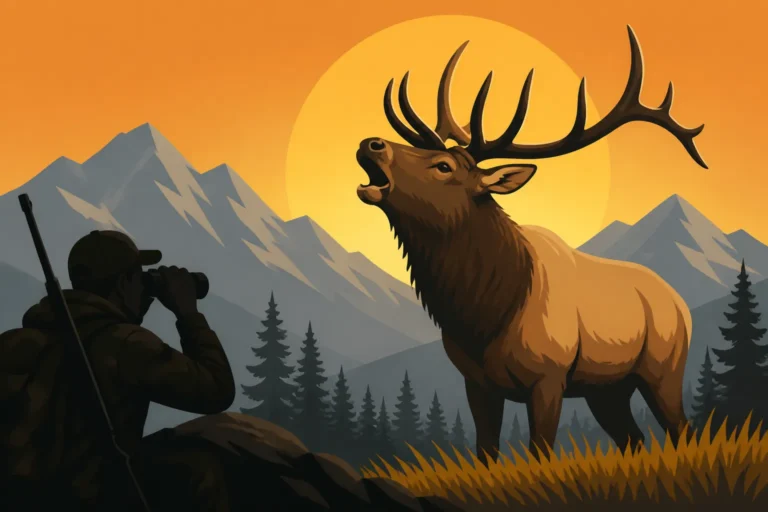
When we talk about a mature bull elk in Alberta, we're not just discussing a large animal; we're talking about a significant amount of living, breathing mass that demands respect and proper planning from any hunter. The typical image of an elk, with its regal antlers and powerful build, often doesn't fully convey the sheer tonnage these animals can carry. They are truly magnificent creatures, and their size is a testament to their adaptability and the richness of Alberta's diverse landscapes, from the mountain ranges to the grain fields.
A full-grown, mature bull elk, particularly those that have reached their physical prime in the five to nine-year-old range, can easily tip the scales at weights that often surprise those unfamiliar with them. These animals have had years to develop bone and muscle mass, feeding on nutrient-rich forage and building up reserves. Comparing them to even the largest whitetail or mule deer bucks is like comparing a compact car to a pickup truck; they operate on a different scale entirely. This understanding is critical not just for admiration, but for practical hunting considerations.
Average Live Weight of Alberta Bull Elk
Let's get right to it: a mature Alberta bull elk will typically range from 600 to 900 pounds live weight. That's not a typo. Imagine an animal that weighs as much as, or even more than, a small horse. Some exceptional bulls, particularly those from prime habitats with abundant feed, can push the 1,000-pound mark, occasionally even surpassing it. These are truly legendary animals, the kind that become stories passed down through generations of hunters.
Consider the implications of this weight. When you're Hunting Elk on Alberta's Forestry Roads or deep in the backcountry, visualizing an animal of this size is essential. It's not merely about the trophy on its head; it's about the entire animal and the incredible amount of meat and bone it represents. This considerable mass affects everything from how they move through terrain to how quickly they can be processed in the field, especially when you're far from the truck or camp.
Field Dressed Weight: What You'll Actually Handle
While the live weight is impressive, hunters are usually more concerned with the field-dressed weight, which is the weight of the animal after the entrails have been removed. This is the first step in meat care and a crucial part of the recovery process. Even after field dressing, a mature bull elk remains a formidable amount of weight to contend with.
A field-dressed bull elk will typically weigh in the range of 400 to 650 pounds. This is still a monumental amount of weight. Think about it: that's like carrying two or three grown men out of the bush. This substantial weight is why having a solid plan for recovery is paramount. If you're alone, quartering the animal is almost always the only feasible option, breaking it down into manageable loads. When you're planning your hunt, whether you're solo or with a group, you need to factor in this weight for every step, from the moment the animal hits the ground to when it's safely back at camp or in cold storage. Proper planning ensures you don't waste any of that precious meat.
Key Factors Influencing a Bull Elk's Weight
Elk, like all wild animals, aren't uniform in size. Several key factors contribute to the ultimate weight a mature bull elk will attain. Understanding these influences can not only help you appreciate the variations you see in the field but also better prepare for the potential size of an animal you might be pursuing. It's never just about age; it's a complex interplay of environment, genetics, and overall health. Alberta's diverse habitats mean that elk from different regions can exhibit distinct characteristics, including their size.
For example, a bull elk living in the fertile farmlands, where food is abundant and often highly nutritious, might carry more weight than one from a more rugged, high-altitude mountain environment where forage is scarcer and energy expenditure higher. This is why when you're researching Alberta's Elk Herds and Their Range or planning to hunt in a specific WMU, considering the local conditions is incredibly important.
Age and Maturity
Age is, without a doubt, one of the most significant factors in a bull elk's weight. Just like humans, elk take time to grow into their full potential. A spike or raghorn bull, typically one to three years old, will be much smaller, often weighing in the 300-500 pound range live. These younger bulls are still growing, putting more energy into antler development and increasing their frame.
A bull typically reaches its peak physical maturity and maximum weight between five and nine years old. During these years, they've developed strong bone structure and have had multiple seasons to build muscle mass. Beyond this age, while antler size might still be impressive, body weight can sometimes begin a slow decline as the animal ages further, facing wear and tear, and the strenuous demands of successive ruts. This is a critical window for hunters looking for that truly heavy bull, which also often correlates with impressive antler growth.
Habitat and Nutrition Availability
The quality and abundance of food sources directly correlate with an elk's body weight. Alberta offers a wide variety of habitats, each with its own nutritional profile. For instance, elk found in agricultural areas, where they often feed on high-calorie grains and lush alfalfa fields, tend to be significantly heavier and often show faster growth rates. This is evident in areas where elk routinely move onto farmland, such as when Hunting Elk on Alberta Grain Land. The constant, rich food supply allows them to pack on pounds.
Conversely, elk in more remote, rugged mountainous regions or deep boreal forests, where forage might be less diverse or abundant, may not reach the same peak weights. They expend more energy simply navigating difficult terrain and foraging over wider areas. This doesn't mean they aren't magnificent animals or that they don't grow large antlers, but their overall body mass can be notably less than their lowland counterparts. Access to consistent water sources and mineral licks also plays a role in their overall health and ability to gain weight. Utilizing tools like GoHunt can help you research different regions and their typical game quality, including the potential for larger animals.
Seasonal Fluctuations
Elk body weight is not static; it fluctuates dramatically throughout the year, primarily influenced by the breeding season (the rut) and the harshness of winter. Before the rut, in late summer and early fall, bulls are typically at their heaviest. They've spent the spring and summer gorging on rich forage, building up fat reserves to prepare for the energy-intensive breeding season. This is often when hunters encounter them, especially during the archery opener or early rifle seasons.
However, once the rut kicks in, typically peaking around When the Elk Rut Peaks, bulls can lose a staggering amount of weight. They are so focused on breeding, challenging other bulls, and herding cows that they often eat very little for weeks. By the time late fall or early winter rolls around, a bull that was 900 pounds in August might have dropped 100-200 pounds or more. This rapid weight loss makes them vulnerable to the stresses of winter. Then, through the tough Alberta winter, they continue to burn reserves, often losing even more weight before the spring green-up allows them to begin the cycle anew. This is a crucial consideration when you are assessing an animal's health and potential weight in the late season.
Practical Considerations for Hunters: Handling That Much Meat
So, you've done your homework, put in the time scouting, and now you've got a mature bull elk on the ground. Congratulations! But the real work, and arguably the most crucial part of the hunt, has just begun. Handling an animal of this size requires forethought, appropriate gear, and a solid plan. Many new elk hunters underestimate the physical demands and logistical challenges of recovering such a large animal, especially if it goes down in rugged terrain.
This isn't like dragging a whitetail out of a bush line. A bull elk requires a different approach entirely. If you're fortunate enough to take a bull in a readily accessible area, perhaps Hunting Elk on Alberta Grain Land where you can get a vehicle close, you still need manpower or mechanical assistance. But more often than not, elk are found in more challenging spots, especially if you're Bugling Elk in Alberta's Foothills or deep in one of Alberta's Alberta's Public Land Use Zones.
Essential Gear for Recovery
You simply cannot overstate the importance of having the right tools for elk recovery. This isn't just about bringing the animal out; it's about preserving the meat. Here's a quick rundown of what you'll need:
- Sharp Knives: Multiple, high-quality knives are essential. You'll be doing a lot of cutting, and a dull knife is dangerous and inefficient. Consider a boning knife, a skinning knife, and a gut hook.
- Game Bags: This is non-negotiable. Large, breathable game bags are crucial for protecting the meat from dirt, insects, and drying out. Don't skimp here; quality game bags make all the difference, especially if you're packing out over multiple trips.
- Bone Saw/Hacksaw: While a skilled hunter can separate joints with a knife, a compact bone saw or hacksaw makes quartering much faster and cleaner.
- Heavy-Duty Backpack: If you're backpacking, a frame pack capable of handling 80-100+ pound loads is a must. A flimsy daypack won't cut it for even a single quarter.
- Gloves: Nitrile gloves are excellent for hygiene and preventing contamination, especially during field dressing. Sturdy work gloves will protect your hands during the heavy hauling.
- Tarps/Plastic Sheeting: Useful for keeping the meat clean once it's off the carcass, especially if you're boning out.
- Ropes/Pulleys: If you're trying to move an entire carcass even a short distance, a come-along or a robust pulley system can be a lifesaver.
Having a good GPS or mapping app like GoHunt on your phone can also be invaluable for marking the kill site, planning routes for packing out, and ensuring you don't get disoriented when making multiple trips.
Quartering vs. Whole Carcass Removal
For a mature bull elk, whole carcass removal is often impractical, if not impossible, unless you're very close to a road and have mechanical assistance (like a tractor or a sturdy winch). The sheer weight and bulk make it a monumental task. The most common and recommended approach, especially in backcountry or even moderately challenging terrain, is to quarter the animal.
Quartering involves breaking the animal down into its four primary muscle groups (front shoulders, hindquarters) and often separating the backstraps and tenderloins. Many hunters will also bone out the meat further to reduce weight and pack bulk, leaving the bones behind (if regulations allow and it's ethical to do so). This process is physically demanding and time-consuming, but it breaks the massive animal into manageable loads, typically 60-100 pounds per person, per trip. If you're by yourself, this means multiple trips, potentially over rough ground. Remember, proper Field Dressing in Alberta's Deep Cold or in warmer conditions is crucial for meat quality.
Meat Care and Preservation
Once you've quartered the animal, the race against time begins to cool the meat and protect it. Elk meat is lean and delicious, but it can spoil quickly if not handled correctly.
- Cooling: Get the meat out of the hide and into game bags as quickly as possible. Hang the game bags in a shady, airy spot to allow the meat to cool down. Air circulation is key. If temperatures are warm, this process needs to be expedited. Even in cooler weather, direct sunlight can warm the meat rapidly.
- Cleanliness: Keep the meat as clean as possible. Avoid dragging it on the ground. Use clean game bags and wash your hands frequently.
- Protection: Game bags protect against flies, dirt, and scavengers. Secure the bags well, especially if you need to leave them overnight. Consider electric fences if you're in bear country.
- Transport: Once cooled, transport the meat to a cooler or freezer as soon as possible. If it's a multi-day pack out, ensure you have a plan for keeping the meat cool. In fall, cooler ambient temperatures often work in your favor, but always be mindful of unexpected warm spells. For more detailed advice, check out our guide on Meat Care in Alberta's Cold and Warm Swings.
Failing to properly process and care for the meat is not only a waste of a magnificent animal but also a disservice to the effort you put into the hunt.
Estimating Live Weight and Judging a Bull in the Field
While knowing the potential weight ranges of a mature bull elk is valuable for planning, actually estimating the live weight of an animal you encounter in the field is a different skill altogether. It's often more about judging overall body condition and maturity than trying to put an exact number on it, but understanding the visual cues can certainly help.
For many hunters, the focus might be on antler size, especially when Bugling to a Foothills Bull Elk. However, a truly mature animal will also display impressive body mass. Learning to distinguish a young, albeit large-antlered, bull from a truly massive, fully mature animal takes practice and observation. This skill isn't just for bragging rights; it helps you make informed decisions about whether to harvest, ensuring you're taking the animal you're truly after, and understanding the recovery challenge ahead.
Visual Cues for a Heavy Bull
When you're glassing an elk herd, especially during the pre-rut or early rut phase, there are several visual indicators that suggest a bull is carrying significant weight:
- Deep Chest and Brisket: A truly heavy bull will have a remarkably deep chest and a pronounced, thick brisket that hangs low. This indicates powerful muscle and a large internal organ capacity. Younger bulls, even those with decent antlers, will often appear more "leggy" with less depth to their body.
- Thick Neck and Shoulders: During the rut, a mature bull's neck will swell dramatically due to hormonal changes, becoming a thick, muscular column. Even outside the rut, a heavy bull will have broad, powerful shoulders and a thick base to its neck.
- Barrel-Chested Appearance: Look for a bull that appears "barrel-chested" or "pot-bellied," especially in the late summer. This indicates good fat reserves built up from extensive feeding.
- Solid Frame and Bone Structure: The overall impression should be one of solidity and power. Thick legs, a deep body, and an overall sense of robustness distinguish a prime bull from younger, lankier animals.
- Overall Proportion: Pay attention to how the head and antlers fit the body. While antlers are often the first thing we notice, a truly large bull's body will complement its rack, making even a substantial set of antlers appear well-proportioned to its massive frame. A bull with a big rack but a relatively small body might be younger and still growing into its potential.
Using high-quality optics can greatly assist in assessing these features from a distance. Tools like GoHunt can provide maps and satellite imagery to help you scout areas known for producing larger elk, such as specific zones in Elk in Alberta's Mountains and Farmland or particular areas Where Alberta's Elk Herds Winter.
Recognizing a Mature Bull's Demeanor
Beyond physical appearance, a truly mature and heavy bull often carries itself with a different demeanor. While all elk are alert, a dominant, mature bull typically moves with a sense of deliberate power. They command respect within the herd and often exhibit behaviors indicative of their status.
They might be less skittish than younger bulls or cows, moving with a more confident stride. During the rut, they are the ones doing the majority of the bugling, herding cows, and engaging in sparring matches. Observing their interactions with other elk can give you clues about their age and dominance, which often correlates with their size and weight. A bull that has survived multiple hunting seasons and harsh winters to reach peak maturity is a testament to its resilience and intelligence, making the successful harvest of such an animal even more rewarding.
Ultimately, the goal is not just to see a big animal, but to appreciate the full scope of a mature Alberta bull elk. From its impressive live weight to the practical challenges of recovery, understanding these factors will make you a more prepared and respectful hunter.
| Elk Maturity Stage | Typical Live Weight Range (lbs) | Typical Field Dressed Weight Range (lbs) | Key Characteristics for Hunters | Recovery Difficulty |
|---|---|---|---|---|
| Calf | 150-250 | 100-175 | Small, follows cows, often spotted early | Low |
| Yearling (Spike/Raghorn) | 300-500 | 200-350 | Lanky, small antlers, still growing frame | Moderate |
| Young Bull (3-4 yrs) | 500-700 | 350-500 | Good antler growth, gaining body mass rapidly | Moderate-High |
| Mature Bull (5-9 yrs) | 600-900+ | 400-650+ | Deep chest, thick neck/shoulders, significant bulk | High |
| Old Bull (10+ yrs) | 550-800 | 375-550 | May show wear, body condition can vary, prominent rack | High |
Disclaimer
This article is for general informational purposes only and does not constitute professional advice. Laws, prices and regulations vary by location and change over time. Consult a qualified professional for guidance on your specific situation.