Alberta’s CWD Positive Numbers Last Year
One of the trickiest parts of being a dedicated hunter in Alberta these days is staying on top of the ever-present concern of Chronic Wasting Disease, or CWD. It's a real worry for many of us, wondering about the health of the deer herds we pursue and how it might impact our hunting plans and even the meat we bring home. This guide is here to walk you through what CWD means for Alberta hunters, how you can access the most current information, and what practical steps you can take to be part of the solution and ensure a responsible, enjoyable hunt.
Understanding Chronic Wasting Disease in Alberta
Chronic Wasting Disease is one of those topics that can quickly feel overwhelming, but for any hunter in Alberta, understanding it is absolutely crucial. It's not just a scientific curiosity; it directly impacts our hunting heritage, the health of our wildlife, and the safety of our harvested game.
What is CWD and Why Does it Matter to Hunters?
CWD is a neurological disease that affects cervids – that's deer, elk, moose, and caribou. It's caused by abnormal proteins called prions, which slowly build up in the brain and other tissues, eventually leading to severe neurological damage, weight loss, behavioral changes, and ultimately, death. Think of it like a slow, debilitating illness that spreads silently through a herd. Unlike bacterial or viral infections, CWD prions are incredibly resilient and can persist in the environment for years, even after an infected animal has decomposed. This is a significant concern because it means the soil and plants in an area can become contaminated, potentially infecting more animals over time.
For us as hunters, CWD matters deeply for several reasons. Firstly, it affects the health and long-term viability of our wild cervid populations. Areas with high CWD prevalence can see declines in herd numbers and trophy quality. Secondly, there are human health considerations, though the scientific consensus is that there's no direct evidence of CWD transmitting to humans. Still, health advisories consistently recommend against consuming meat from CWD-positive animals, and that's a guideline we should all take seriously. Finally, CWD influences hunting regulations, season lengths, and carcass transportation rules, making it an integral part of how we plan our hunts.
How CWD Impacts Game Populations and Hunter Success
The impact of CWD on game populations can be profound, though it often manifests slowly. Initially, you might not notice a difference, but over time, consistent CWD prevalence can lead to reduced herd sizes, particularly in mature bucks and bulls, as these animals often live long enough to develop the disease. This can mean fewer animals overall, and specifically fewer older, larger animals that many hunters pursue. Imagine spending countless hours scouting an area using tools like Scouting With Satellite Imagery in Alberta and finding fewer signs of those mature animals you were hoping for. That's a direct impact of CWD at work.
Beyond population numbers, CWD can also affect the distribution and behavior of animals. Infected animals might become more susceptible to other diseases or predation, further stressing the herd. For hunters, this translates into potentially harder hunting, longer periods of searching, and a lower success rate. It also adds a layer of ethical responsibility: harvesting a seemingly healthy animal only to find out it's CWD positive after testing can be disheartening, raising questions about what to do with the meat and if you contributed to the problem by removing a potentially resistant animal. It really brings home the importance of understanding this disease when you're out there.
Navigating Alberta's CWD Reporting Landscape
Staying informed about CWD in Alberta requires knowing where to look for reliable, official information. You can’t just rely on hearsay; you need solid data to make informed decisions for your hunt.
Where to Find Official CWD Surveillance Data
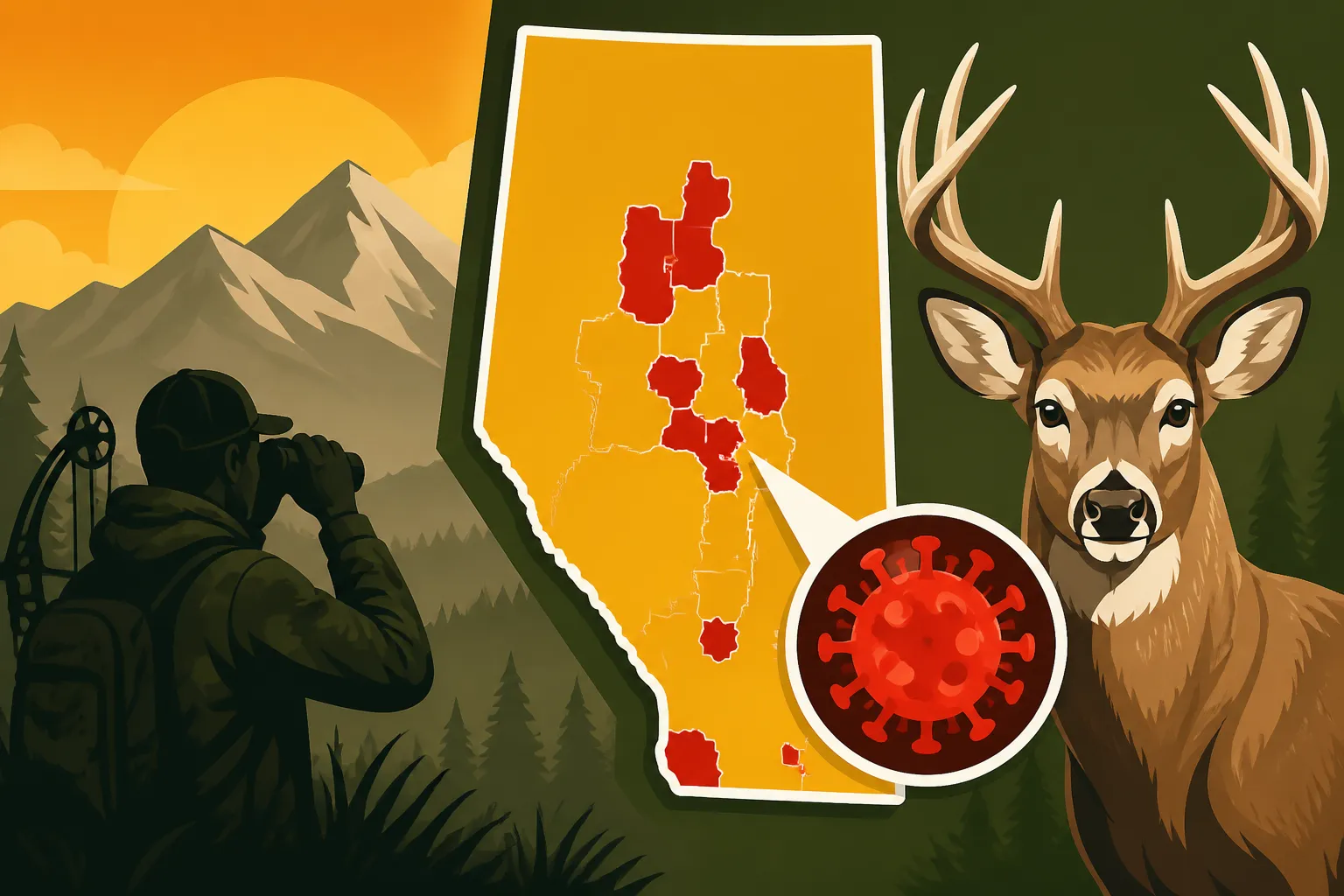
Alberta Environment and Parks, the provincial government body responsible for wildlife management, is the primary source for official CWD surveillance data. They typically publish annual reports, CWD management zone maps, and interactive tools that show where positive cases have been detected. These resources are designed to give hunters and the public the most accurate picture of CWD prevalence across the province. You'll often find information broken down by Wildlife Management Unit (WMU) or larger geographical areas.
While I can't provide you with "last year's" specific numbers here, I can tell you that these official sources are regularly updated. When planning your hunt, especially if you're using a tool like GoHunt to visualize WMU boundaries and terrain, it's wise to cross-reference with the latest CWD maps. Understanding Alberta's CWD Testing Requirements and which WMUs are mandatory submission zones is key. The provincial government's wildlife website will have direct links to these reports and maps, often in an easily digestible format like PDFs or interactive dashboards. Don't rely on outdated information; always seek out the most current data available.
Interpreting CWD Test Results and Trends
When you look at CWD data, you'll often see numbers presented as percentages of animals tested that came back positive, usually broken down by WMU, species, and sometimes even age class. A low percentage of positive tests in a WMU suggests lower prevalence, while higher percentages indicate a more widespread issue. It's important to remember that these numbers represent the animals tested, not necessarily every animal in the WMU, so they are estimates of prevalence. However, over time, these trends become very telling.
For instance, you might notice that some WMUs consistently show higher CWD rates than others, or that specific species, like mule deer or whitetails, have higher infection rates in certain areas. This isn't just trivia; it should directly influence your hunting strategy. If you're looking at an area with historically low CWD numbers, your concerns might be different than if you're hunting a WMU that has seen a consistent increase in positive results. Many hunters use platforms like GoHunt for their mapping and scouting, but they also use these tools to keep track of WMU-specific regulations, which often include CWD information. Pay attention to the change in these numbers year-over-year. Is the prevalence stable, increasing, or decreasing? These trends can give you a much clearer picture of the disease's trajectory in a particular region. How CWD Spreads Through a Deer Herd is important context for understanding these trends.
The Hunter's Role in CWD Management and Data Collection
As hunters, we are not just observers of CWD; we are active participants in its management and the crucial data collection efforts that help wildlife biologists understand and combat the disease. Our actions make a real difference.
Mandatory CWD Submission Areas and Why They Exist
In Alberta, certain Wildlife Management Units are designated as mandatory CWD submission zones. This means that if you harvest a deer (whitetail, mule deer, or often elk, depending on the zone) in these specific WMUs, you are legally required to submit the head for CWD testing. These zones are typically established in areas where CWD has been detected or where there's a high risk of its spread, often along the Saskatchewan border where the disease first entered Alberta. The reason these mandates exist is simple: data. The more heads that are submitted and tested, the more accurately wildlife managers can map the disease's prevalence, understand its spread, and make informed decisions about future management strategies.
Failing to submit a head in a mandatory zone can result in fines and penalties, but beyond the legal aspect, it's a missed opportunity to contribute valuable data. Locations like Where Alberta's CWD Freezers Are are set up to make this process as easy as possible for hunters. They're often conveniently located and accessible during hunting seasons. Always check the current regulations before you head out to ensure you know if your chosen WMU requires submission. This small act of compliance is one of the most impactful ways individual hunters can support wildlife conservation efforts in the face of CWD. It's truly a community effort.
Voluntary Testing and What You Can Do
Even if you're hunting outside a mandatory CWD submission zone, you still have the option to submit your animal's head for voluntary testing. This is a highly recommended practice, particularly if you have any concerns about CWD in your hunting area or simply want peace of mind regarding the meat you're bringing home. Voluntary submissions extend the reach of surveillance efforts beyond the mandatory zones, providing a broader picture of CWD distribution across the province. Every submitted head, whether mandatory or voluntary, adds another data point that contributes to the overall understanding of the disease.
The process for voluntary submission is similar to mandatory: typically, you'll need to remove the head, fill out some basic information, and drop it off at a designated CWD freezer location. Make sure you understand How Long CWD Results Take so you can plan your meat processing accordingly. If you're using digital tools like GoHunt for your hunting research, remember to look up the latest CWD program details on the official provincial website. Your initiative to voluntarily test helps protect both the deer population and your fellow hunters, showing true stewardship for our shared resource.
Practical Implications for Your Alberta Hunt
CWD isn't just a regulatory hurdle; it's a factor that should actively influence how you approach and plan your Alberta hunting trips. Being prepared can save you headaches and ensure a more responsible experience.
Planning Your Hunt Around CWD Prevalence
When you're poring over maps and regulations, dreaming about your next Alberta hunt, CWD data should absolutely be part of your planning process. If you have the flexibility to choose between WMUs, consider looking at areas with lower historical CWD prevalence if you're particularly concerned about it. This information can be a key piece of the puzzle, alongside population densities, access, and hunting pressure. For example, if you're considering a WMU for Whitetail Hunting in Alberta that borders a known CWD hotspot, you might want to factor that into your decision-making.
Using mapping applications and platforms like GoHunt can help you visualize WMU boundaries and terrain, but remember to overlay that with the latest CWD maps from the provincial government. This combined approach allows you to make an informed decision about where to focus your efforts. Some hunters might choose to hunt specific species that historically show lower CWD rates, or focus on younger animals, though CWD can affect all age classes. The goal isn't to instill fear, but to empower you with knowledge so you can hunt intelligently and ethically.
Carcass Handling and Meat Safety Precautions
One of the most immediate and tangible implications of CWD for hunters is how to handle your harvested animal, especially the carcass and meat. Even though there's no proven link to human infection, the standing recommendation is to avoid consuming meat from CWD-positive animals. This means proper carcass handling from the moment of harvest is critical. You'll want to bone out the meat in the field, minimizing the amount of spinal cord and brain tissue you handle, as these are the highest-risk tissues for prions. Understandably, this adds a layer of complexity to field dressing, particularly when you're thinking about Meat Care in Alberta's Cold and Warm Swings.
After your harvest, if you're in a mandatory submission zone or choose voluntary testing, prepare the head for submission by removing as much meat as possible while keeping the skull intact. Always double-check Moving a Carcass Out of a CWD Zone regulations if you plan to transport parts across WMU boundaries, as specific rules apply to prevent the spread of prions through high-risk tissues. If your animal tests positive for CWD, the provincial government will notify you, and their guidance is clear: do not consume the meat. While it's tough to discard a harvested animal, this is a crucial step in preventing potential exposure and managing the disease. Understanding Whether CWD Meat Is Safe to Eat is a decision that every hunter must make for themselves, but official advice is to err on the side of caution.
Here’s a quick overview of CWD submission essentials:
| Item | Details |
|---|---|
| Why Submit? | Mandatory in certain WMUs; voluntary for all others. Provides critical data for CWD management and tracking. |
| What to Submit? | The entire head, removed at the first vertebra (atlas joint), with the brainstem and lymph nodes intact. |
| When to Submit? | As soon as possible after harvest. Check specific freezer site hours. |
| Where to Submit? | Designated CWD freezer locations across Alberta. Map available on official provincial wildlife websites. |
| Required Info | Hunter's WIN card number, species, sex, WMU of harvest, date of harvest, contact information. |
| Results Notification | Typically by mail or email, usually within 3-6 weeks, depending on testing volume. |
| Cost | Free for hunters. |
Ultimately, being an informed and responsible hunter in Alberta means understanding the challenges facing our wildlife, and CWD is certainly one of the biggest. By staying current with information, participating in testing programs, and practicing careful carcass handling, we can all contribute to the long-term health of Alberta's incredible game populations.
Disclaimer
This article is for general informational purposes only and does not constitute professional advice. Laws, prices and regulations vary by location and change over time. Consult a qualified professional for guidance on your specific situation.