Hunting the Porcupine Hills
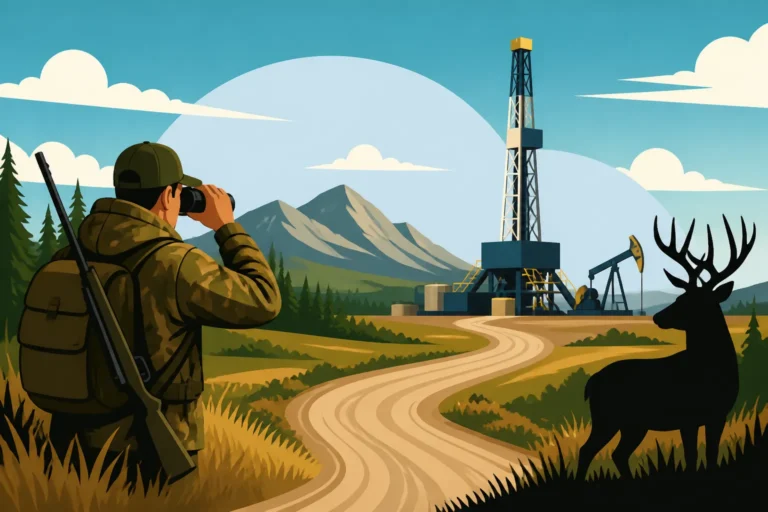
The Porcupine Hills, that rugged, beautiful expanse of rolling foothills in southwestern Alberta, can feel like a bit of a puzzle box for hunters. It’s not the towering, imposing peaks of the Rockies, but it’s far from flat prairie, and finding accessible ground where you can actually put a plan into action often feels like half the battle. This guide is designed to help you unravel the complexities of hunting this truly special region, offering insights into its unique landscape, navigating access, and honing your strategies for a successful hunt.
The Porcupine Hills – A Hunter's Unique Landscape
If you've ever driven Highway 22 through the foothills, you've seen the Porcupine Hills rising to the west—a series of long, timbered ridges and deep, winding drainages that act as a crucial transition zone between the agricultural plains and the high mountains. This isn't just pretty scenery; it's a vital ecosystem that supports an incredible diversity of big game. But what makes it so distinctive, and why does it present such a specific set of challenges and opportunities for hunters?
Geography and Terrain Challenges
Unlike the abrupt, dramatic peaks further west, the Porcupine Hills are characterized by a gentler, more undulating topography. Imagine endless folds of land, carved by ancient glaciers and countless creeks, creating a natural maze of draws, ridges, and hidden pockets. The elevations aren't extreme, but the constant up-and-down, often through thick timber or knee-high native grasses, can wear you out quickly. The land is a mosaic of aspen bluffs, dense conifer stands on north-facing slopes, and open fescue grasslands on the sunnier aspects. These diverse habitats mean animals can find food, water, and cover within relatively small areas, which can be both a blessing and a curse. It means game is there, but it also means they have plenty of places to disappear into, sometimes just over the next rise or into a shadowed coulee. You’ll find yourself constantly topping out to glass, only to walk down into another valley and repeat the process. It's a land of "just one more ridge," which tests both your resolve and your quads.
Primary Game Species
The Porcupine Hills are a fantastic mixed-bag country, offering opportunities for several coveted big game species, often within the same general area.
- White-tailed Deer: These are plentiful, especially along the edges of agricultural land and in the lower, more broken aspen bluffs. They thrive in the mix of cover and browse found throughout the hills. You'll find them using the thick willow runs in creek bottoms and the dense patches of timber for bedding. Their numbers here are generally strong, and with patience, you can often turn up some impressive bucks.
- Mule Deer: While often associated with the more open prairie badlands, mule deer also inhabit the higher, more rugged portions of the Porcupine Hills, particularly where there are rockier outcrops or more expansive open slopes for glassing. They tend to stick to the broken terrain, using its contours for travel and escape. Spot-and-stalk is a common tactic for them here.
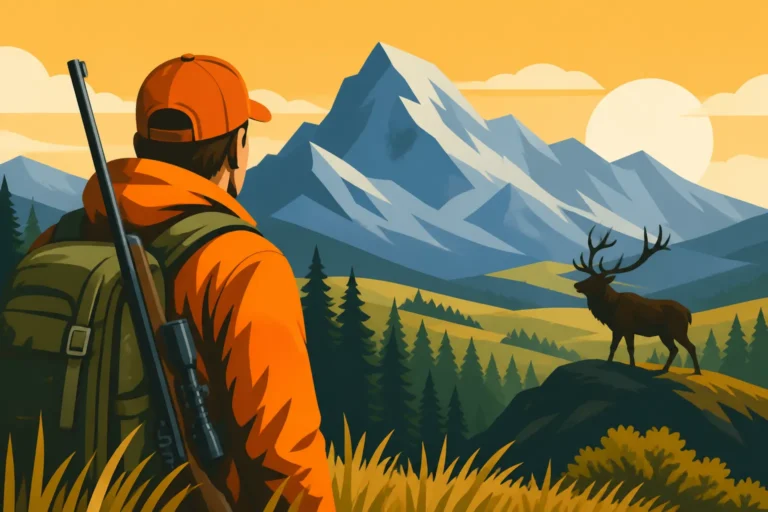
- Elk: Elk are a major draw in the Porcupine Hills. Herds frequently move between the deep timbered drainages within the hills themselves and the adjacent agricultural fields in the valleys below. The early archery seasons, particularly during the rut, can be electrifying, with bugles echoing through the timbered slopes. Later in the rifle season, elk can be found in larger groups, often tucked into dense cover or moving to and from feeding areas. Elk Hunting Alberta's Foothills
- Black Bears: Spring and fall offer good black bear hunting. They feed heavily on new growth in spring along south-facing slopes and clearings, and later on berries and other mast crops. While not as dense as some of the more northern boreal forests, the Porcupines offer a healthy population of bears, including some beautiful colour phases.
- Predators: Wolves and coyotes are also present. Coyotes are especially common on the fringes where the hills meet ranch land, providing an excellent off-season hunting opportunity. Coyote Hunting Alberta Farm Country
The ability to hunt multiple species in one general area is a huge draw for many, but it also means understanding the specific habits and habitats of each within this unique landscape.
Hunting Pressure and Finding Solitude
One of the biggest frustrations for hunters in the Porcupine Hills is the perception, and sometimes reality, of high hunting pressure. Because it's a relatively accessible "mountain-ish" area close to larger population centers, it can attract a lot of attention, especially on opening weekends or during the peak of the rut. You might find trucks parked along every accessible road, and even seemingly remote drainages can have boot tracks.
However, true solitude isn't impossible. It simply means being willing to work harder than most. The Porcupine Hills aren't about finding a secret, untouched corner; they're about being willing to walk a little further, climb a little higher, or penetrate a little deeper into the thick stuff that others avoid. The terrain itself, with its constant ups and downs and dense pockets of timber, does a surprisingly good job of dispersing hunters. Sometimes, moving just a quarter-mile from a road can put you into untouched country, as many hunters stick close to easy access points. Understanding where game feels safe from pressure, even in areas that might initially seem busy, is key.
Navigating Access in the Porcupine Hills
Access is arguably the most critical and often the most frustrating aspect of hunting the Porcupine Hills. This region is a patchwork quilt of different land statuses, each with its own rules, and understanding them is paramount to a successful and legal hunt. Many hunters get discouraged because they don't grasp the nuances of land access, or they just assume everything visible from a main road is private.
Public Land Use Zones and Designated Areas
The most important public land for hunting in the Porcupine Hills often falls within designated Public Land Use Zones (PLUZs). These are areas of Crown land managed for various recreational uses, including hunting. The Livingstone-Porcupine Hills PLUZ is the prime example here. These zones are great because they offer a clear framework for use, but they also often have specific regulations regarding off-highway vehicles (OHVs), camping, and even firearms discharge in certain areas. It's not a free-for-all, and respect for these rules is essential. Hunting the Livingstone-Porcupine Hills
Before you even load your rifle, you absolutely must check the specific PLUZ regulations for the year you plan to hunt. These can change, and ignorance is no excuse. These PLUZs are where you'll find some of the best opportunities for elk and mule deer, often in more remote settings if you're willing to hike in. Knowing the boundaries precisely is critical; a tool like onX Hunt, which clearly delineates land ownership and PLUZ boundaries, becomes your best friend in this complex landscape. Without it, you’re just guessing, and guessing can land you in trouble.
Provincial Grazing Reserves and Other Leased Lands
Beyond the PLUZs, much of the Porcupine Hills is comprised of other types of Crown land, often leased to ranchers for grazing. These include Provincial Grazing Reserves and various grazing leases. Alberta's Provincial Grazing Reserves Explained While these are technically Crown land, they are managed under specific agreements, and hunters usually need to obtain permission from the leaseholder before hunting. This is a common point of confusion and frustration for many. You might see seemingly open country, but if it's a grazing lease, you must talk to the rancher.
It’s about building relationships. Showing up in person, well in advance of the season, and respectfully asking for access can go a long way. Be prepared to be told no, but also be prepared for a generous "yes" if you present yourself well and promise to respect their land and livestock. Always clarify any specific rules they might have, such as no driving on wet trails, where to park, or areas to avoid. A simple phone call can save you a wasted trip and prevent potential conflict. Asking a Grazing Leaseholder for Access
The Ever-Present Challenge of Private Land
Interspersed with public and leased lands are numerous parcels of private land. These are often homesteads, active ranches, or recreational properties. The challenge here is twofold: identifying what's private and then actually getting permission. Alberta's trespass laws are clear: if it's private, you need permission. Period. Getting Private Land Permission in Alberta
Many of these private lands hold significant numbers of game, especially whitetails and elk that benefit from the cover and feed without hunting pressure. Again, digital mapping tools like onX Hunt are indispensable. They show you exactly where the property lines are, preventing accidental trespass. Once you identify private parcels, the real work begins: knocking on doors. This can be intimidating, but a polite, well-dressed hunter asking respectfully for access can sometimes surprise themselves. Have a clear plan of where you want to hunt, how many people are in your party, and what species you're after. Be ready to leave your vehicle parked in a designated spot and walk. Building rapport with landowners is a long-term investment, and a "no" this year might become a "yes" next year if you've been courteous.
| Land Type | Access Requirement | Common Game Species | Key Tool/Consideration |
|---|---|---|---|
| PLUZ (Crown Land) | Follow PLUZ-specific regulations; often open access | Elk, Mule Deer, Whitetail, Bear | Check current PLUZ rules; onX Hunt for boundaries |
| Grazing Lease (Crown Land) | Permission from leaseholder is required | Whitetail, Elk, Mule Deer, Bear | Build rapport with rancher; clarify their specific rules |
| Private Land | Permission from landowner is required | Whitetail, Elk, Mule Deer | Knock on doors; respect "No Trespassing" signs; use onX Hunt for ownership |
Strategies for Success in the Porcupine Hills
Once you’ve cracked the code of access, it's time to focus on hunting smart in this unique environment. The Porcupine Hills demands a blend of western big game tactics with some eastern whitetail savvy.
Whitetail and Mule Deer Tactics
Hunting deer in the Porcupine Hills often means covering ground and using your optics.
- Glassing Coulees and Drainage Bottoms: For mule deer, and often whitetails too, spend significant time glassing the open faces of coulees and the edges of willow-choked creek bottoms, especially at first light and last light. Get to a high point and systematically pick apart the opposing slopes. Deer will often bed on these slopes, soaking up the sun, or move through them to feed. Hunting a Prairie Coulee Bottom This is where a good pair of binoculars and a spotting scope can save you miles of walking. Once spotted, a patient stalk using the terrain to your advantage is key.
- Focusing on Aspen Bluffs and Timber Edges: Whitetails in particular love the aspen bluffs and the transition zones between timber and open grass. They use the thick cover for bedding and browse the edges. Focus on areas where food sources (like cultivated fields or native forbs) meet dense cover. Walk the edges of these bluffs, or find a vantage point to watch deer move in and out. Hunting an Aspen Bluff on Farm Ground Don't be afraid to still-hunt or slowly still-stalk through the aspen, pausing frequently to scan ahead. Remember, whitetails are masters of concealment; they'll often let you walk right past if they think they're hidden.
- Reading Sign: Fresh rubs, scrapes, and well-used trails will tell you where deer are moving. Pay close attention to pinch points, creek crossings, and natural funnels created by the topography. Early morning fog or a light snowfall can reveal fresh tracks, giving you clues to recent activity.
Elk Hunting in the Foothills Fringes
Elk hunting in the Porcupines can be incredibly rewarding, but they are also notoriously wary.
- Hunting Edges and Dark Timber: Elk often gravitate towards the dense coniferous timber on north-facing slopes for bedding and security. Look for the edges of these timber blocks, especially where they meet more open feeding areas or meadows. During the rut (September for archery hunters), locate active bugles and try to get ahead of the herd or call them in. Bugling Elk in Alberta's Foothills This can be an intense, adrenaline-filled experience.
- Understanding Migratory Patterns: Many elk herds in the Porcupine Hills will move between higher elevation timbered areas and lower agricultural fields, especially as hunting pressure increases or snow starts to fall. Scout for fresh tracks and droppings indicating these travel corridors. Access to private agricultural land, if you can secure it, can be incredibly valuable for intercepting elk moving to feed. Hunting Elk on Alberta Grain Land However, be mindful that hunting elk on farmland comes with its own set of challenges, as they can be extremely educated.
- Patience and Persistence: Elk are herd animals, and finding them often means covering a lot of ground, both on foot and with your optics. Don't be discouraged if you don't find them immediately. They can be in one drainage one day and miles away the next. Be ready for long hikes and early mornings.
Bear and Predator Hunting
These hunts offer different challenges and often different seasons.
- Spring Bear Hunting: Focus on south-facing slopes, old cutblocks, and natural clearings where new grass and forbs emerge first. Bears will be out grazing, looking for green-up. Use binoculars to glass these areas, especially in the mornings and evenings. Pay attention to fresh scat, rubbed trees, and flipped rocks.
- Calling Predators: Coyotes are abundant in the fringe areas of the Porcupines. Electronic calls, mouth calls, and decoys can be very effective, especially in open country where you can see incoming animals from a distance. Set up with the wind in your favor and be prepared for coyotes to approach from unexpected angles.
Essential Preparation for Your Hunt
Hunting the Porcupine Hills is not a walk in the park. It requires physical fitness, the right gear, thorough scouting, and a solid understanding of the rules.
Physical Fitness and Essential Gear
While not mountaineering, the continuous ups and downs of the Porcupine Hills will challenge your cardiovascular fitness and leg strength. You'll be covering miles on uneven terrain, often through thick brush or across slippery grass. Start a hiking regimen well before your hunt, incorporating hills or stairs.
Your gear should be robust and reliable:
- Footwear: High-quality, broken-in hiking boots with good ankle support are non-negotiable. Waterproofing is a must, as creek crossings and morning dew are common.
- Optics: Excellent binoculars (10x or 12x) and a spotting scope on a lightweight tripod are crucial for picking apart distant slopes and identifying game. Don't skimp here.
- Navigation: A reliable GPS unit or a smartphone with a robust mapping app like onX Hunt is essential. Your phone will also have the GoHunt app for additional planning. It's too easy to get disoriented in the maze of drainages. Always carry a physical map and compass as a backup.
- Rain Gear: Alberta weather is famously unpredictable. High-quality waterproof and windproof outerwear will keep you comfortable when conditions inevitably change.
- Layered Clothing: Dress in layers that you can easily add or shed as temperatures fluctuate throughout the day.
- Survival Kit: Always carry essentials like a first-aid kit, fire starter, headlamp, extra food and water, and a communication device (satellite messenger, two-way radio). Winter Truck Kit for an Alberta Hunt
Scouting and Digital Tools
Pre-season scouting is always important, but in the Porcupine Hills, it’s absolutely vital. With the complex land ownership and varied terrain, knowing where you can go and what the ground looks like before you arrive saves valuable hunting time.
- Satellite Imagery: Tools like onX Hunt and GoHunt allow you to pour over satellite imagery and topo maps from home. Identify potential bedding areas, travel corridors, water sources, and pinch points. Look for subtle changes in vegetation that might indicate feed. Use the property line features to understand exactly where public and private lands meet. Scouting With Satellite Imagery in Alberta
- Foot Scouting: If possible, a pre-season trip on foot can reveal fresh sign, show you where game trails actually go, and help you understand the terrain better than any map. Note any challenging features like fences, boggy areas, or steep inclines that might impede a stalk.
- Game Cameras: If you have secured private land access or are hunting certain public lands, strategically placed trail cameras can provide invaluable information on game movement patterns and quality.
Regulations and Safety
Always consult the current Alberta hunting regulations. They are updated annually, and it's your responsibility to know and follow them. Pay close attention to specific WMU regulations for the Porcupine Hills, season dates, legal weapons, and bag limits.
- Blaze Orange: For firearm hunting, wearing blaze orange is often a legal requirement and always a smart safety practice. Alberta Blaze Orange and Safety Rules
- Communication: Hunt with a partner or at least let someone know your exact hunting plans, including your route and expected return time. Cell service can be spotty in the hills.
- Weather Awareness: Monitor weather forecasts closely. Conditions can change rapidly, bringing unexpected snow, rain, or high winds, which can make travel difficult and create hazardous situations. Hunting Alberta Winter Weather Safely
- Firearm Safety: Always practice safe firearm handling. Ensure you have a clear backstop for any shot, and positively identify your target and what's beyond it before pulling the trigger.
Hunting the Porcupine Hills is an experience like no other. It’s a place that demands respect, hard work, and preparation, but the rewards—a magnificent elk bugling on a crisp fall morning, a mature whitetail slipping through the aspens, or a heavy-antlered mule deer bedded in a coulee—are absolutely worth the effort.
Disclaimer
This article is for general informational purposes only and does not constitute professional advice. Laws, prices and regulations vary by location and change over time. Consult a qualified professional for guidance on your specific situation.