Hunting Deep Cold Late in the Season
There's nothing quite like the crisp, clean air of an Alberta winter, but when those temperatures really plummet, dipping into the negative double digits and staying there, it throws a whole new set of challenges at us hunters. Forget about leisurely strolls through the woods; hunting deep cold late in the season isn't just about bagging an animal, it's a test of endurance, preparation, and sheer will. Many folks get discouraged by the bone-chilling conditions, or worse, unprepared for the serious risks involved. This guide is here to unravel the mysteries of hunting in those truly frigid conditions, offering practical strategies and insights to help you stay safe, comfortable, and ultimately, successful, when Alberta really turns up the cold.
Understanding Alberta's Late-Season Deep Cold
Alberta's winters are legendary, and for good reason. When late season rolls around, usually from late November through December and into January, the cold isn't just a nuisance; it's a profound force that shapes everything, from wildlife behavior to your own physical and mental state. Understanding why it gets so cold and how it impacts your hunt is the first step to conquering it.
The Science Behind the Chill
It's not just the thermometer reading that matters when you're out there. Alberta often experiences what meteorologists call "arctic outbreaks," where frigid air masses from the Arctic push south, bringing extreme cold. These air masses are often accompanied by high-pressure systems, meaning clear skies and very little wind initially, which allows temperatures to really drop overnight. However, it's the wind that truly amplifies the suffering. Even a gentle breeze at -20°C can make it feel like -30°C or colder on exposed skin, leading to rapid heat loss and a much higher risk of frostbite. This is the dreaded wind chill factor, and it's your biggest enemy.
Another phenomenon common in Alberta's diverse landscapes, especially in the valleys and low-lying areas, is temperature inversions. This is when a layer of warmer air sits above a layer of colder air. During an inversion, cold, dense air sinks into valleys and coulees, trapping it there. This means while the higher elevations might be a touch milder, the areas where game often seek shelter and where you might be hunting can be significantly colder. Knowing your specific hunting area and its topography can help you predict these microclimates and plan accordingly.
Impact on Wildlife Behavior
Just like us, Alberta's game animals are acutely aware of the deep cold, and their survival instincts kick into high gear. They prioritize two things: conserving energy and finding food. You'll notice a significant shift in their patterns. Deer, moose, and elk will seek out the densest thermal cover they can find – thick stands of conifers, deep ravines, or south-facing slopes that offer protection from the prevailing winds and catch what little sunlight there is. This is where they'll bed down, sometimes for extended periods, trying to minimize movement.
Food sources become critical. Animals will stick close to areas with readily available forage that doesn't require expending too much energy to access. Think standing corn fields for whitetails, willow thickets along frozen creeks for moose, or browse in old clearcuts for elk. Their activity patterns will often shift to late morning and early afternoon, when temperatures are at their "peak" (which might still be brutally cold, but a degree or two warmer can make a difference). They might also move more heavily during brief thaws or before a major cold front hits, knowing a long period of inactivity is coming. Understanding these shifts is key to Hunting Deep Cold Late in the Season effectively.
Mental and Physical Challenges for Hunters
Let's be real, hunting in deep cold is physically demanding and mentally draining. The cold saps your energy at an alarming rate. Every movement requires more effort, your muscles can feel stiff and achy, and even simple tasks become monumental. Fine motor skills diminish, making it tough to manipulate zippers, adjust scopes, or even load a rifle if your hands are numb. Your focus can waver, and decision-making can become impaired if you're not managing your core temperature effectively.
The psychological toll is often underestimated. The constant battle against the chill, the biting wind, and the sheer discomfort can wear you down. Frustration can set in, making you question why you're even out there. This is where preparation and a positive mindset become your secret weapons. Knowing you have the right gear, the right strategies, and a plan for staying warm can make all the difference, transforming a miserable experience into a challenging but rewarding one. It's about respecting the cold, not fearing it.
Essential Gear for Extreme Alberta Winter Hunts
When the mercury plunges, your gear isn't just about comfort; it's about survival. Hunting in deep cold means leaving nothing to chance with your clothing and equipment. Skimping here isn't just uncomfortable, it's downright dangerous.
Layering Strategies for Core Warmth
The golden rule of cold-weather hunting is layering, and in Alberta's deep cold, it's an art form. You need to be able to add or subtract layers as your activity level changes to prevent sweating, which can lead to hypothermia once you stop moving.
- Base Layer: This is your foundation. Think merino wool or high-quality synthetic materials. Their job is to wick moisture away from your skin, keeping you dry. Cotton is absolutely forbidden – it absorbs sweat and loses all insulating properties when wet, making you colder. Brands like Sitka Gear and First Lite offer excellent base layers designed for hunting performance.
- Mid Layer: This is your insulation powerhouse. Fleece, down, or synthetic insulation (like Primaloft) are ideal here. You might have several mid-layers of varying thicknesses, allowing you to fine-tune your warmth. A good puffy jacket or vest made with quality down can be a game-changer when sitting for long periods.
- Outer Layer: Your shell. This needs to be windproof and water-resistant (or waterproof if snow is falling). Its primary job is to protect your insulation from the elements. Look for something durable that can stand up to brush and cold-weather abuse. Quiet materials are a bonus, especially for close encounters. Brands like Kuiu are known for their technical outer shells that stand up to harsh conditions.
Remember, it's not just about warmth; it's about adaptability. When you're packing into a stand, you might start with fewer layers and add them once you're settled. This prevents overheating and sweating on the walk in.
Footwear and Hand Protection
These are often the first parts of your body to get cold, and they are critical for movement and weapon manipulation.
- Footwear: Forget your autumn boots. For deep cold, you need serious insulation. Look for boots rated for extreme cold (e.g., -40°C or lower). Brands like Baffin and Sorel are popular for their warmth. Crucially, ensure they are waterproof and have removable liners for drying. Your socks are just as important: good quality merino wool socks (often two pairs – a thin liner and a thicker outer) will wick moisture and provide warmth. Always bring an extra pair of dry socks in your pack. Nothing ends a hunt faster than cold, wet feet.
- Hand Protection: This is a delicate balance between warmth and dexterity. Many hunters opt for a multi-layer approach. Start with thin, merino wool or synthetic liner gloves for basic dexterity. Over these, wear a pair of well-insulated gloves or, better yet, mittens. Mittens are generally warmer than gloves because your fingers share warmth. You can slip off your mittens for tasks requiring fine motor skills, relying on your liner gloves for temporary protection. Carrying chemical hand warmers is also a wise move; stash them in your mittens or glove pockets.
Survival and Safety Kit Essentials
When you're venturing into Alberta's deep cold, a basic hunting pack isn't enough. You need to think about survival.
- Emergency Shelter: A lightweight emergency bivy sack or a sturdy tarp can provide crucial protection from wind and snow if you get stranded.
- Fire Starters: Redundancy is key. Carry waterproof matches, a reliable lighter, and a ferro rod. Tinder like cotton balls soaked in petroleum jelly can be a lifesaver.
- High-Calorie Food: Energy bars, nuts, chocolate – things that are easy to eat and provide quick fuel for your body to generate heat. Avoid anything that will freeze solid.
- Communication Devices: Cell service is often non-existent in remote Alberta areas. A satellite messenger like a Garmin inReach or a Zoleo is a vital piece of kit for emergency communication and letting loved ones know your whereabouts.
- Navigation Tools: A reliable GPS (with extra batteries) and a physical map and compass are non-negotiable. Knowing how to use them is even more important.
- Headlamp with spare batteries, a basic first-aid kit, a multi-tool, and a small shovel (for digging out snow or even a vehicle tire) round out your cold-weather safety kit. Every piece of equipment should be checked, tested, and packed with the expectation that you might have to rely on it in the worst conditions.
| Gear Category | Key Features for Deep Cold | Recommended Materials | Why it Matters |
|---|---|---|---|
| Base Layer | Moisture-wicking, snug fit | Merino Wool, Synthetic (polyester, polypropylene) | Keeps skin dry, prevents rapid heat loss from sweat |
| Mid Layer | Insulating, compressible, multiple options for layering | Down, Primaloft, Fleece, Wool | Traps body heat, adjustable warmth for activity levels |
| Outer Layer | Windproof, water-resistant/waterproof, durable | GORE-TEX, eVent, Durable Nylon/Polyester blends | Protects insulation from elements, prevents wind chill |
| Footwear | Extreme insulation rating, waterproof, good traction | Insulated rubber/leather boots with felt liners (Baffin) | Prevents frostbite, maintains mobility |
| Handwear | Layered system (liner + mitten), hand warmer pockets | Merino wool liners, insulated mittens (down, synthetic) | Dexterity for tasks, maximum warmth for fingers |
| Headwear | Covers ears, neck, face; breathable | Wool balaclava, insulated toque/beanie, neck gaiter | Major heat loss prevention, protects sensitive areas |
Strategic Approaches for Hunting in Deep Cold
Deep cold hunting isn't just about bundling up; it's about smart strategy. The brutal conditions dictate different tactics, forcing you to think like the animals you're pursuing. Every decision, from scouting to tracking, needs to be informed by the thermometer.
Scouting and Pre-Season Prep in Winter
The snow, while challenging, is also your friend. It acts like a giant whiteboard, revealing every movement the animals have made. Before the season opens, or even during a brief cold snap, get out and put boots on the ground (or skis, or snowshoes!).
- Reading Winter Sign: Learn to differentiate fresh tracks from old. Deep snow makes it easier to see how animals are navigating the landscape. Look for patterns: where are they entering thick cover? Which slopes do they prefer for bedding (often south-facing for warmth)? Where are they feeding? If you're targeting deer, tracks leading to a sheltered aspen bluff might indicate a bedding area for Where Alberta Whitetails Bed in Deep Snow.
- Identifying Food Sources: In deep winter, natural browse becomes scarce or difficult to access. Animals will concentrate on high-energy foods. If there are standing corn or canola fields in your WMU, these become magnets. Areas with exposed browse, like willow thickets or patches of aspen with accessible shoots, will also be heavily utilized. Use tools like GoHunt's mapping features to identify potential agricultural fields or areas with dense timber near open feeding grounds. Over-reliance on summer scouting could lead you astray in winter, as food sources change drastically.
- Locating Bedding Areas: Deer, moose, and elk will seek out the warmest, most protected spots to bed. This often means dense conifer stands that block wind and catch snow, creating insulating pockets. South-facing slopes are also preferred as they get more direct sunlight. Scout these areas quietly, looking for beds, droppings, and rubbed trees. A remote-sensing mapping platform like GoHunt can help you overlay topography and vegetation types to pinpoint likely thermal cover before you even step foot in the snow.
Stands, Blinds, and Ambush Tactics
Sitting for hours in sub-zero temperatures requires immense patience and meticulous setup.
- Staying Warm and Still: This is the ultimate challenge. If you're using a treestand, consider an insulated tree stand blind or a heated one. A warm seat cushion is non-negotiable. For ground blinds, portable propane heaters can make a world of difference. However, always be mindful of scent and carbon monoxide poisoning in enclosed spaces. Dress in layers that allow you to shed warmth on the walk in and pile it on once you're settled. Pack a thermos of hot coffee, tea, or broth.
- Optimal Setup Locations: Animals moving in deep cold prioritize efficiency. Set up along natural travel corridors between bedding and feeding areas, especially where terrain features funnel movement. Consider a sheltered coulee bottom or a thick bush edge where deer might enter a field to feed. In open parkland, a well-placed blind along a Hunting a Willow Run in Farm Country can be incredibly productive as it provides both cover and food for deer.
- Natural Shelters: Don't overlook the advantage of natural features. A large fallen log, a dense spruce tree, or the lee side of a ridge can provide excellent windbreaks and cover, allowing you to stay warmer and stiller without the bulk of a manufactured blind. This also reduces your footprint and allows for more spontaneous setup based on fresh sign.
Tracking and Blood Trailing in Snow
Snow is a double-edged sword: it helps you find tracks, but a poor blood trail can disappear quickly in fresh flakes or freeze solid.
- Following Faint Blood Trails: Immediately after a shot, mark the spot and listen carefully. Give the animal time, especially in cold weather, as they may bed down quickly to conserve energy. When tracking, move slowly and deliberately. Look not just for blood, but for disturbed snow, broken twigs, and scuff marks. Pay close attention to any changes in the animal's gait – a dragging leg, for example. In very deep snow, an animal might plow a distinct path.
- Dealing with Freezing and Fresh Snow: If the blood trail is sparse, or if new snow starts to fall, your challenge intensifies. If temperatures are consistently below freezing, blood can quickly freeze and become less visible. In this case, rely more on tracks and other sign. If fresh snow is falling, you might need to move faster than usual, but don't rush the process and risk pushing a wounded animal further.
- The Importance of Waiting: Unless you have a clear visual on the animal going down, waiting is often the best strategy, especially for large animals like moose or elk. Give them at least an hour for a well-placed shot, and longer (2-4 hours, or even overnight if conditions allow and you believe the shot was non-lethal) for marginal hits. In deep cold, a wounded animal will often bed down sooner, reducing the distance it travels. Use your knowledge of game behavior to predict where it might go for cover.
Species-Specific Tactics for Late-Season Success
Alberta's diverse landscape means a variety of big game animals, and each requires a slightly different approach when hunting in the deep cold. Their unique adaptations and behaviors in winter dictate your strategies for success.
Whitetails and Mule Deer in the Cold
Deer are creatures of comfort, and the deep cold forces them to optimize their movements for survival.
- Whitetails: In the agricultural zones and aspen parkland of central and northern Alberta, whitetails will gravitate towards dense cover that provides thermal protection. This means thick spruce bluffs, willow bottoms, and sheltered river valleys. They will often yard up in these areas, concentrating their numbers. Food sources like standing crops (canola, corn, or even leftover barley stubble) become irresistible. Focus your efforts on the edges of these food sources, particularly where they meet thick cover. During a harsh winter, deer will often move only a short distance from bedding to feeding, usually in the late morning and early afternoon when the sun is highest. Setting up along a Hunting a Cutline Intersection for Whitetails between bedding and feeding can be highly productive.
- Mule Deer: Alberta's mule deer, especially those on the prairie and in the badlands, utilize coulees and broken terrain for winter survival. These deep cuts in the landscape offer crucial protection from relentless prairie winds and can be several degrees warmer than the exposed plains. South-facing slopes within these coulees will hold more deer as they bask in the sun. Look for pockets of brush or sparse timber that provide additional shelter. Glassing from a distance using good optics, a technique described in Glassing an Alberta Coulee for Mule Deer, is essential for spotting these deer, which tend to hunker down in thickets. They will also move to feed on available browse during the warmer parts of the day, often along coulee rims or in sheltered bottoms.
Moose and Elk in Deep Winter
These larger ungulates are built for cold, but even they adapt their behavior significantly.
- Moose: Alberta's moose are incredibly cold-hardy, but they still prefer to minimize energy expenditure in deep winter. They will typically be found in thick boreal forest, along treed river bottoms, or in areas with abundant willow and aspen browse. Look for clearcuts or recent burns that have regenerated with young, accessible shoots. Deep snow can restrict their movement, concentrating them into smaller areas, especially along old logging roads or seismic lines. Still-hunting slowly through these thick areas, often in the late morning or early afternoon, can yield results. They are less likely to be actively moving at first light or last light in extreme cold compared to deer. Pay attention to Hunting Moose Around Alberta Beaver Ponds, as the willows around them provide prime winter forage.
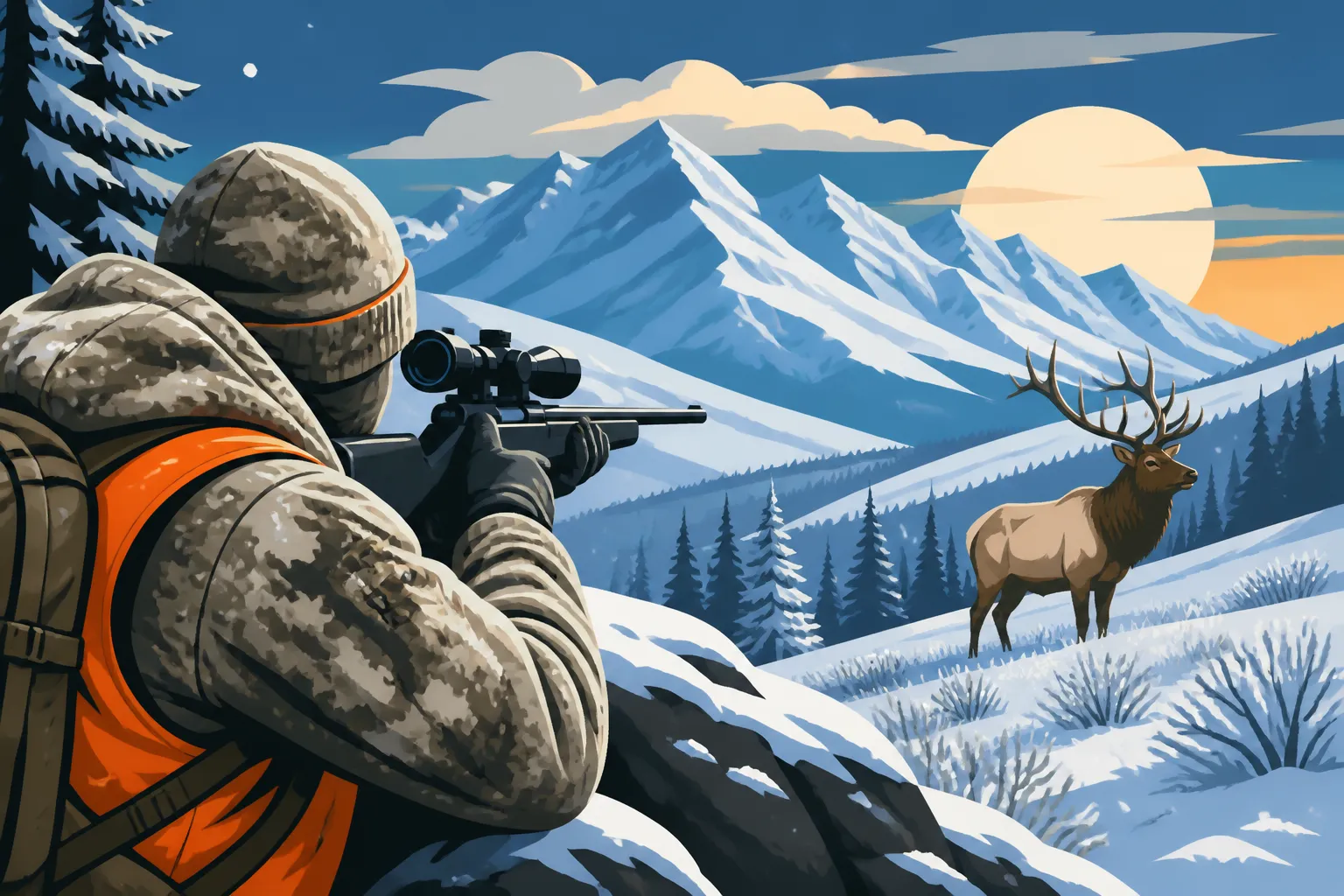
- Elk: Elk, particularly those in the foothills and mountain regions, can tolerate cold incredibly well, but deep snow can be their biggest challenge. They will migrate to lower elevations or areas where snow depth is less prohibitive, often congregating on winter ranges. South-facing slopes, particularly those with aspen groves or grassy clearings, are prime spots. Agricultural fields become critical food sources for elk in the parkland and fringe areas. Similar to deer, focus on transition areas between dense timber (bedding) and open feeding grounds. Hunting Elk on Alberta Grain Land can be highly effective late in the season, as large herds will move to feed on residual crops, often under the cover of darkness, but remaining in the vicinity during the day.
Predators and Upland Birds
Don't forget about these opportunities when the big game gets tough.
- Predators: Deep cold can make coyotes and wolves more active as they become desperate for food. Coyotes are often found in farm country, hunting for voles and mice in snow-covered fields. Calling them in winter, as described in Coyote Hunting Alberta Farm Country, can be incredibly effective, as their hunger overrides their caution. Wolves in the boreal forest will travel extensively, often using frozen lakes, rivers, and seismic lines as travel corridors. Look for fresh tracks after a snowfall.
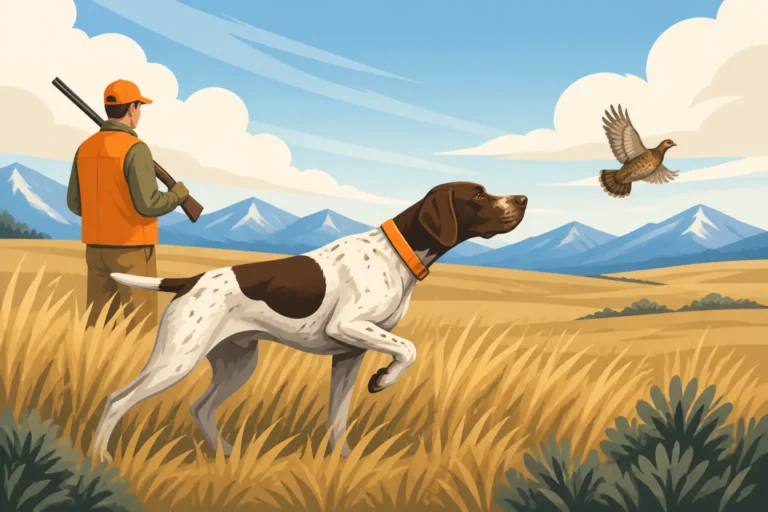
- Upland Birds: While many upland birds become incredibly elusive, some like ruffed grouse and spruce grouse are still huntable. Ruffed grouse will often burrow into snowdrifts for warmth, and can be found along alder and willow thickets in dense bush. Spruce grouse are found in dark conifer forests. Walking slowly along Hunting Ruffed Grouse on an Alberta Bush Road or old cutlines can flush them. Hungarian partridge and pheasants will concentrate in sheltered areas with good food sources, such as brushy field edges and shelterbelts. A pointing dog can be invaluable for locating these birds in deep snow.
Navigating Logistics and Safety in Harsh Conditions
Deep cold demands an entirely different level of logistical planning and safety awareness. What might be a minor inconvenience in mild weather can become a life-threatening situation when temperatures plummet.
Vehicle Preparedness and Emergency Measures
Your vehicle isn't just transportation; it's your lifeline in the backcountry.
- Winter Truck Kit: Never, ever head into Alberta's winter wilderness without a fully stocked emergency kit in your truck or ATV. This includes: booster cables, a strong tow strap, a shovel, tire chains, a small air compressor, extra fuel (in an approved container), blankets or a sleeping bag, high-calorie food, water, a first-aid kit, and a powerful flashlight with spare batteries. Even if you're just out for a day hunt, weather can change quickly.
- Recovery Gear: Consider having a high-lift jack, a winching device, or at least a strong come-along. Deep snow can hide frozen ruts, mud, or soft spots that will instantly high-center your vehicle. For those venturing into truly remote areas, a full vehicle recovery kit is paramount. Make sure you know how to use all your recovery gear before you need it.
- Communication is Key: Always tell someone your exact hunting plan, including your route, where you expect to be, and when you expect to return. This is crucial for your safety. In areas without cell service, a satellite messenger or a two-way radio (if hunting with a partner) is non-negotiable. Knowing What to Do If You Get Stuck in the Bush could save your life.
Meat Care and Field Dressing in Sub-Zero Temps
Congratulations, you've harvested an animal in the deep cold! Now, the real work begins, and the cold changes everything about meat care.
- Preventing Freezing and Rapid Cooling: While cold is generally good for preserving meat, extreme cold can work against you. If the outside of the carcass freezes solid before the internal heat dissipates, you can end up with sour meat. For larger animals, prop the cavity open to allow air circulation. If possible, get the animal to a processing facility or a warmer, sheltered area as quickly as possible. For deer, a breathable game bag will protect the meat while allowing it to cool.
- Proper Tagging and Handling: Ensure your tag is securely attached to the carcass immediately after harvest. Alberta's regulations are strict, and you don't want to lose a tag in transit. When gutting, work quickly and efficiently. Your hands will get cold, so wear insulated gloves (or have a backup pair). Be mindful of your knife handle and trigger guard, which can get extremely cold. Quartering a moose or elk alone in the bush is a massive undertaking, but good gear and careful planning make it manageable, particularly in cold conditions where bacterial growth is slowed. This is also why having a plan for Getting a Moose Out With a Quad is critical for large game.
- Transporting Game Meat: Once field dressed, transport your game in a way that protects it from dirt, snow, and further freezing. If hauling on an ATV or sled, use a tarp or sturdy game bags. For longer journeys, consider how to keep it cool but not completely frozen solid until you can get it to a butcher or into a cooler for proper aging.
Recognizing and Preventing Cold Weather Injuries
The greatest danger in deep cold is not the animal you're pursuing, but the environment itself.
- Frostbite: This occurs when body tissue freezes. It most commonly affects fingers, toes, ears, and the nose. Symptoms include numbness, tingling, aching, and skin that appears waxy, grayish, or blistered. To prevent it, ensure all exposed skin is covered, wear loose-fitting layers, and avoid restrictive clothing or boots that can impede circulation. Change out of wet clothing immediately. If you suspect frostbite, gently warm the affected area (e.g., placing cold hands in your armpits), but never rub frozen tissue. Seek medical attention.
- Hypothermia: This is a dangerous drop in core body temperature, typically below 35°C (95°F). Early symptoms include shivering, confusion, slurred speech, and loss of coordination. As it progresses, shivering may stop, and the victim may become drowsy, confused, and eventually unconscious. Prevention is paramount: dress in layers, stay dry, eat high-calorie foods, and stay hydrated. If someone shows signs of hypothermia, get them to a warm, dry shelter, remove wet clothing, wrap them in blankets or a sleeping bag, and give warm, non-alcoholic liquids. Severe cases require immediate medical attention.
- Hydration and Nutrition: It's easy to forget to drink water when it's cold, but proper hydration is vital for your body's ability to regulate temperature. Carry a thermos of warm water or soup to encourage drinking. Eat regularly – your body burns more calories just trying to stay warm. High-fat, high-carbohydrate snacks are excellent fuel. Proper nutrition and hydration are as important as your clothing layers in keeping your internal furnace burning strong.
Disclaimer
Hunting is an inherently risky activity. The information provided in this guide is for informational purposes only and should not be considered a substitute for proper training, experience, or professional advice. Always prioritize safety, adhere to all local regulations, and be prepared for unforeseen circumstances. Alberta's wilderness demands respect and preparedness.